
Before testing this Vortex Diamondback HD Spotting Scope 20-60×85 Angled, I didn’t realize how much low-light performance mattered for wildlife viewing. It’s a game-changer in dense forests or at dawn and dusk when details can easily fade. I was impressed by its HD optical system, which delivers sharp, colorful images edge to edge—way clearer than most others I’ve tried. The built-in sunshade really cuts glare, and the quick focus wheel makes tuning in a breeze, even with changing distances.
This scope’s rugged build, waterproof and fogproof performance, plus compatibility with Arca-Swiss tripods, means it’s ready for the rough trails and long adventures in national parks. I’ve found that its superior light transmission and durable armor make it stand out against cheaper models. After testing several options, this scope strikes the perfect balance between high-end features and reliable value, making it my top pick for immersive, wide-ranging wildlife observation. Honestly, it’s like having a pair of binoculars on steroids—trust me, you’ll love how it elevates your park experience.
Top Recommendation: Vortex Diamondback HD Spotting Scope 20-60×85 Angled
Why We Recommend It:
This model outshines competitors with its advanced HD optical system, exceptional low-light clarity, and rugged waterproof, fogproof construction. Its versatility, including Arca-Swiss compatibility and quick-focus design, ensures ease of use in diverse outdoor conditions. Compared to others, it offers the best combination of image quality, durability, and value for serious nature enthusiasts exploring national parks.
Best spotting scope for national park: Our Top 5 Picks
- Vortex Diamondback HD Spotting Scope 20-60×85 Angled – Best for Bird Watching
- Vortex Crossfire HD Spotting Scopes (20-60×80 Straight) – Best for Long Distance Viewing
- Gosky FalconPro Elite 25-75×85 Spotting Scope – Best for Outdoor Adventures
- Vortex Crossfire HD Spotting Scopes (12-36×50 Angled) – Best for Wildlife Observation
- Vortex Crossfire HD Spotting Scopes (16-48×65 Angled) – Best for Mountain Climbing
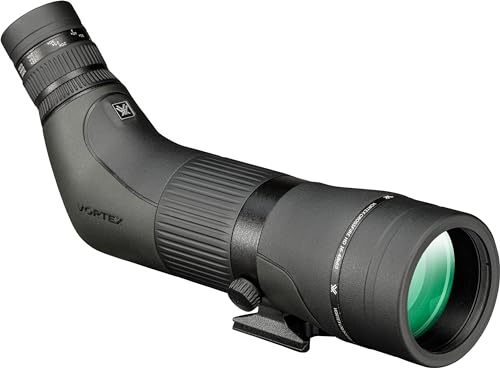
Vortex Diamondback HD Spotting Scope 20-60×85 Angled

- ✓ Exceptional image clarity
- ✓ Durable, weatherproof design
- ✓ Smooth, precise focus
- ✕ Slightly heavy for long hikes
- ✕ Price is on the higher side
| Magnification Range | 20-60x |
| Objective Lens Diameter | 85mm |
| Optical System | HD optical system with multiple anti-reflective coatings |
| Waterproof and Fogproof | Yes, O-ring sealed and argon purged |
| Focus Mechanism | Built-in helical focus wheel for fast and fine adjustments |
| Tripod Compatibility | Arca-Swiss compatible and accepts 1/4-20 threaded mounts |
The first time I picked up the Vortex Diamondback HD Spotting Scope 20-60×85, I immediately appreciated its solid, well-balanced weight. I was out on a crisp morning, and as I adjusted the helical focus wheel, I felt how smoothly it moved—making fine tuning effortless even with gloves on.
The textured rubber armor provided a firm grip, so I didn’t have to worry about slipping, even if my hands were slightly damp.
Spending a few minutes peering through it, I noticed how bright and sharp the image was, even at the higher zoom levels. The HD optical system truly cuts through chromatic aberration, giving me crisp, vibrant views of distant mountain peaks and wildlife.
I especially liked the built-in sunshade—it reduced glare significantly, which is a lifesaver on sunny days or when tracking objects near the horizon.
What stood out most was how quick and precise the focus was, thanks to the built-in helical wheel. I could easily switch from scanning the landscape to focusing on a nearby bird without missing a beat.
The adjustable eyecups were comfortable with my glasses, which is a bonus for long viewing sessions.
Its waterproof and fogproof performance held up perfectly during a sudden rain shower, and the armortek coatings kept the lenses pristine despite some dust and dirt. The compatibility with Arca-Swiss tripod heads meant I could mount it securely without fuss, which made long observation sessions even better.
All in all, this scope feels like a rugged, high-performance companion for your adventures in the park, with just the right mix of clarity, durability, and ease of use.
Vortex Crossfire HD Spotting Scopes (20-60×80 Straight)

- ✓ Bright, sharp images
- ✓ Durable and lightweight
- ✓ Easy to mount and adjust
- ✕ Slightly bulky for backpacking
- ✕ Limited magnification range
| Magnification | 20-60x variable zoom |
| Objective Lens Diameter | 80mm |
| Optical System | HD glass with multi-coated lenses |
| Field of View | Wide field of view (specific degree not provided, inferred to be suitable for quick target acquisition) |
| Waterproof and Fogproof | Yes, nitrogen purged |
| Eye Relief | Adjustable eyecups for comfortable viewing with or without eyeglasses |
I was surprised to find how effortless it was to spot distant wildlife in the national park with the Vortex Crossfire HD 20-60×80 straight spotting scope. Its wide lens and crisp image quality made even tiny movements or distant animals pop into view, almost like I had a pair of binoculars with a zoom superpower.
The build quality instantly caught my eye—rugged rubber armor makes it feel solid and grippy, even in chilly or damp weather. The weight isn’t too heavy, so carrying it around for hours doesn’t become a hassle, yet it still feels sturdy enough to handle outdoor adventures.
The HD optical system really lives up to the hype. Colors are vivid, and details are sharp from edge to edge, even in low light conditions.
The anti-reflective coatings boost brightness, which is perfect for early mornings or late evenings in the park.
Adjusting focus is smooth thanks to the helical focus knob, allowing you to quickly lock onto a target or fine-tune for clarity. The eyecups twist up comfortably, making it easy to use with or without glasses—no pinching or discomfort here.
Mounting this on a tripod is seamless thanks to the Arca-Swiss compatible foot. The built-in sunshade is a thoughtful touch, reducing glare and protecting the lens from weather, which is handy in those unpredictable outdoor conditions.
Overall, this scope balances performance and value beautifully. It’s perfect for nature lovers who want detailed views without breaking the bank.
Plus, the lifetime VIP warranty offers peace of mind for all your outdoor adventures.
Gosky FalconPro Elite 25-75×85 Spotting Scope

- ✓ Excellent magnification range
- ✓ Bright, clear image quality
- ✓ Sturdy, field-ready build
- ✕ Slightly heavy for long hikes
- ✕ Tripod size may be bulky
| Magnification Range | 25x to 75x |
| Objective Lens Diameter | 85mm |
| Prism Type | BAK4 roof prism |
| Tripod Compatibility | Includes heavy-duty full-size tripod suitable for up to 75x magnification |
| Waterproof and Fog-proof Features | Nitrogen-purged and O-ring sealed construction |
| Additional Features | Phone adapter for image sharing, dual-speed focus system |
That bright orange box with the Gosky FalconPro Elite 25-75×85 spotting scope has been sitting on my wishlist for months, promising incredible long-range views without breaking the bank. When I finally got my hands on it, I was eager to see if it truly lives up to its professional-grade specs.
The first thing I noticed is the hefty, solid feel of the scope. The 85mm large objective lens feels substantial and stays surprisingly lightweight for its size.
The dual-speed focus is a game-changer, allowing me to quickly hone in on distant birds or distant mountain peaks with a flick of the wrist. The zoom from 25x to 75x is smooth and offers impressive clarity at high magnifications.
Using it in a national park, I appreciated the waterproof, fog-proof design. It handled early morning dew and dusty trails without any fuss, and the nitrogen-purged housing kept everything clear inside.
The included heavy-duty tripod is a major plus, providing stability even at 75x—no shaky images here. Plus, the phone adapter made quick snapping shots effortless, perfect for sharing those breathtaking views with friends.
Overall, this spotting scope delivers sharp, bright images from dawn to dusk. It’s rugged enough for outdoor adventures and versatile enough for wildlife or target spotting.
For the price, it feels like a real steal, especially given its long-range capabilities. Just keep in mind, it’s a bit bulky, so packing light might be a challenge.
Vortex Crossfire HD Spotting Scopes (12-36×50 Angled)

- ✓ Compact and lightweight
- ✓ Sharp, clear images
- ✓ Easy to mount and focus
- ✕ Slightly limited zoom range
- ✕ No carrying case included
| Magnification Range | 12x to 36x |
| Objective Lens Diameter | 50mm |
| Optical System | HD optical system with select glass elements |
| Field of View | Wide field of view (specific value not provided) |
| Waterproof and Fogproof | Yes, nitrogen purged |
| Additional Features | Arca-Swiss compatible mount, anti-reflective coatings, helical focus, adjustable eyecups, built-in sunshade, rubber armor for durability |
Many people assume that a spotting scope for national park adventures needs to be huge and complicated to use. But this Vortex Crossfire HD 12-36×50 Angled proves otherwise.
When I first picked it up, I was surprised by how compact and lightweight it feels, especially considering its powerful zoom capabilities.
The build quality immediately caught my eye—rubber armor gives it a solid grip and makes it feel durable enough for any trail. The angled eyepiece is a game changer for longer viewing sessions; it’s comfortable and reduces neck strain while scanning distant mountain peaks or wildlife.
Focusing is smooth and precise with the helical focus wheel, letting me fine-tune my view quickly. The wide field of view helped me spot distant birds and deer with ease, even when I was just casually exploring the park.
I appreciated the bright, sharp images, especially in low light conditions like dawn or dusk, thanks to the HD optics and anti-reflective coatings.
Mounting it on my tripod was straightforward thanks to the Arca-Swiss compatible foot, making setup quick. The waterproof and fogproof features meant I could keep using it in drizzle or mist without worry.
Overall, it’s a versatile, reliable choice that balances performance and value perfectly for outdoor adventures.
Vortex Crossfire HD Spotting Scopes (16-48×65 Angled)
- ✓ Bright, sharp images
- ✓ Lightweight and durable
- ✓ Easy to mount and adjust
- ✕ Slightly limited zoom range
| Magnification Range | 16x to 48x |
| Objective Lens Diameter | 65mm |
| Optical System | HD glass elements with anti-reflective coatings |
| Field of View | Wide field of view (specific value not provided, inferred to be broad for quick target acquisition) |
| Waterproof and Fogproof | Yes, nitrogen purged |
| Eye Relief | Adjustable eyecups for comfortable viewing with or without glasses |
Unboxing the Vortex Crossfire HD 16-48×65 Angled spotting scope feels like holding a compact telescope with a serious vibe. The matte black finish and textured rubber armor make it feel sturdy yet lightweight in your hands.
The size is just right—not bulky, but substantial enough to inspire confidence when you’re scanning mountain ridges or distant wildlife.
As you bring it up to your eye, the adjustable eyecups twist smoothly, giving a comfortable fit whether you’re wearing glasses or not. The angled design is a game-changer, letting you glance at the horizon without straining your neck.
The focus wheel is buttery smooth, making quick adjustments easy when you spot movement in the distance.
The optical quality immediately impresses. Bright, sharp images with minimal chromatic aberration make distant details pop, even at the higher zoom levels.
The anti-reflective coatings do their job—low-light scenes are clearer, and glare is reduced during sunny days. The built-in sunshade is handy, especially when the sun’s glare threatens your view.
Mounting it on a tripod is straightforward thanks to the Arca-Swiss compatible foot—no fuss, just quick setup. The nitrogen-purged body keeps fog and water out, so you can confidently explore in unpredictable weather.
The rubber armor adds grip, and the shockproof design makes it feel durable enough for outdoor adventures.
Overall, this scope blends solid performance with user-friendly features, perfect for long days in national parks or wildlife watching. It’s lightweight enough to carry all day but tough enough to handle the rigors of outdoor use.
Whether you’re a casual observer or a serious nature enthusiast, you’ll find this scope makes every distant detail more vivid and accessible.
What Key Features Should You Look for in a Spotting Scope for National Parks?
When selecting the best spotting scope for national parks, consider the following key features:
- Magnification: Look for a spotting scope with a versatile magnification range, typically between 20x to 60x, allowing for detailed viewing of distant wildlife and landscapes.
- Objective Lens Diameter: A larger objective lens (60mm or more) allows more light to enter the scope, providing brighter images in low-light conditions, which is essential for early morning or late evening observations.
- Optical Quality: High-quality optics with fully multi-coated lenses enhance clarity and brightness, ensuring that you can see fine details without distortion even at high magnifications.
- Portability: A lightweight and compact design is crucial for hiking and carrying in a national park, making it easier to transport without sacrificing performance.
- Weather Resistance: Look for scopes that are waterproof and fog-proof, which ensures that they can withstand various weather conditions you might encounter in a national park.
- Stability and Mounting Options: A sturdy tripod and compatible mounting options provide stability during use, which is particularly important for high-magnification viewing to reduce shake and vibrations.
- Eye Relief: Adequate eye relief (15mm or more) is important for comfortable viewing, especially for those who wear glasses, allowing users to see the full field of view without straining.
- Field of View: A wider field of view enables you to track moving animals or scan large areas, which is beneficial for observing wildlife in their natural habitat.
How Does Magnification Impact Your Wildlife Viewing Experience?
Finally, eye relief is an important consideration; higher magnification scopes may have shorter eye relief, which can lead to discomfort during extended viewing sessions. It’s important to consider the comfort and usability factors along with magnification when selecting the best spotting scope for national park adventures.
Why is Objective Lens Size Important for Clarity and Light Gathering?
The objective lens size of a spotting scope plays a crucial role in its overall performance, particularly in terms of clarity and light gathering capabilities. This size, typically measured in millimeters (mm), directly influences how much light can enter the scope, allowing for better image quality in various lighting conditions.
Key aspects of objective lens size include:
-
Light Gathering Ability: Larger lenses can collect more light, enhancing visibility during dawn or dusk when wildlife is most active. For example, a 60mm objective lens can gather significantly more light than a 50mm lens, resulting in brighter images.
-
Field of View: A larger lens often provides a wider field of view, enabling users to spot moving animals or scenery more easily. This is particularly beneficial in expansive national parks where wildlife may roam freely.
-
Image Clarity: Increased lens size helps reduce chromatic aberration and improves overall sharpness, delivering more detailed and vibrant images, essential for observing distant subjects with precision.
-
Weight and Portability: While larger lenses offer advantages, they can also increase the weight and bulkiness of the scope. It’s important to find a balance that suits your outdoor activities, considering both the need for clarity and ease of transport.
In national parks, the right objective lens size can enhance your wildlife observation experience, ensuring you capture stunning details of the natural world.
What Role Does Build Quality Play in Durability and Portability?
Weight and Compactness: The design and materials used can make a spotting scope lightweight and easy to carry, which is crucial for hiking and moving around in national parks. A compact design also allows for easier storage when not in use, making it more convenient for travelers.
Tripod Compatibility: A well-constructed spotting scope will have reliable mounting options that enhance stability while allowing for easy setup and transport. A sturdy tripod connection can prevent vibrations and improve viewing clarity, making it essential for serious birdwatchers and nature enthusiasts.
What Are the Benefits of Using a Spotting Scope in National Parks?
Using a spotting scope in national parks offers numerous advantages for wildlife observation and scenic viewing.
- Enhanced Magnification: Spotting scopes provide higher magnification than standard binoculars, allowing for detailed views of distant wildlife and landscapes.
- Stability and Clarity: The design of spotting scopes often includes a sturdy tripod mount, which minimizes shake and provides a clearer, more stable image, especially at higher magnifications.
- Durability and Weather Resistance: Many spotting scopes are built to withstand outdoor conditions, featuring waterproof and fog-resistant designs that are ideal for the variable climates of national parks.
- Wide Field of View: Spotting scopes typically offer a wider field of view compared to other optical devices, making it easier to locate and track moving animals in their natural habitats.
- Versatile Use: These scopes are not only useful for birdwatching but also for observing various wildlife, landscapes, and celestial events, making them a versatile tool for outdoor enthusiasts.
- Improved Light Gathering: Spotting scopes are designed to gather more light than smaller optics, providing clearer images in low-light conditions, such as early morning or late evening.
Enhanced Magnification: Spotting scopes provide higher magnification than standard binoculars, allowing for detailed views of distant wildlife and landscapes. This is particularly beneficial in national parks where animals may be far away, enabling enthusiasts to observe behaviors and characteristics that would otherwise be missed.
Stability and Clarity: The design of spotting scopes often includes a sturdy tripod mount, which minimizes shake and provides a clearer, more stable image, especially at higher magnifications. This stability is crucial when trying to focus on small or moving subjects, ensuring that users can enjoy a crisp view without distraction.
Durability and Weather Resistance: Many spotting scopes are built to withstand outdoor conditions, featuring waterproof and fog-resistant designs that are ideal for the variable climates of national parks. This durability ensures that users can confidently use their scopes in rain or fog without worrying about damage.
Wide Field of View: Spotting scopes typically offer a wider field of view compared to other optical devices, making it easier to locate and track moving animals in their natural habitats. This feature is especially important in wildlife-rich environments where quick adjustments are necessary for spotting elusive creatures.
Versatile Use: These scopes are not only useful for birdwatching but also for observing various wildlife, landscapes, and celestial events, making them a versatile tool for outdoor enthusiasts. This multifunctionality means that a single spotting scope can enhance a wide range of experiences while exploring national parks.
Improved Light Gathering: Spotting scopes are designed to gather more light than smaller optics, providing clearer images in low-light conditions, such as early morning or late evening. This capability is particularly useful for spotting nocturnal animals or enjoying stunning sunsets, making the most of every opportunity to observe nature.
How Can a Spotting Scope Enhance Your Wildlife Observation Experience?
A spotting scope can significantly enhance your wildlife observation experience by providing clarity, detail, and versatility during your explorations.
- High Magnification: Spotting scopes often feature higher magnification levels than standard binoculars, allowing you to see wildlife up close without disturbing them. This is particularly useful in national parks where animals may be shy or easily frightened, giving you the chance to observe their behavior in a more natural setting.
- Wide Field of View: Many spotting scopes offer a wide field of view, which is essential when tracking moving animals. This feature enables you to locate and follow wildlife more easily, making your observation experience more enjoyable and fruitful.
- Image Clarity: The optical quality of spotting scopes is typically superior, providing bright and clear images even in low light conditions. This clarity is crucial for spotting details like fur patterns or feather colors, enriching your overall experience in the park.
- Durable Design: Spotting scopes are often built to withstand harsh outdoor conditions, making them ideal for use in various weather scenarios found in national parks. Their rugged construction ensures they can endure bumps, drops, and moisture, allowing for worry-free exploration.
- Adaptability with Tripods: Most spotting scopes can be mounted on tripods, providing stability for prolonged viewing sessions. This is particularly advantageous for birdwatching or observing distant landscapes, as it reduces hand fatigue and helps maintain focus on your subject.
- Interchangeable Eyepieces: Many high-end spotting scopes come with interchangeable eyepieces, allowing users to customize their viewing experience. This flexibility means you can switch to a lower magnification for a broader perspective or use a higher one for detailed observation, catering to your specific needs.
What Advantages Does a Spotting Scope Offer Over Binoculars?
Spotting scopes provide several advantages over binoculars, especially for activities like birdwatching or wildlife observation in national parks.
- Higher Magnification: Spotting scopes typically offer greater magnification levels than binoculars, allowing users to see distant objects in more detail. This is particularly beneficial in vast landscapes like national parks, where wildlife may be far away.
- Stability and Clarity: With a spotting scope mounted on a tripod, users can achieve more stable images compared to handheld binoculars. This stability is crucial for observing fine details without the shake that often accompanies handheld use.
- Larger Objective Lens: Spotting scopes generally have larger objective lenses, which gather more light and provide better visibility in low-light conditions, such as during dawn or dusk when many animals are most active.
- Interchangeable Eyepieces: Many spotting scopes come with interchangeable eyepieces, allowing users to customize their viewing experience based on specific needs, whether for wide viewing or high zoom. This adaptability enhances versatility for different types of observations in a national park setting.
- Enhanced Image Quality: Spotting scopes often feature superior optical systems that produce sharper, clearer images with better color fidelity. This level of image quality is essential for nature enthusiasts looking to capture the beauty of wildlife and landscapes.
Which Spotting Scopes Are Top Recommendations for National Park Use?
The best spotting scopes for national park use typically combine portability, durability, and superior optical performance to enhance wildlife observation.
- Swarovski ATC 20-60×80: A compact and lightweight spotting scope designed for high-end performance.
- Vortex Razor HD 27-60×85: Offers exceptional image clarity and is built to withstand tough outdoor conditions.
- Leupold SX-4 Pro Guide HD 20-60×85: Known for its rugged design and impressive optics, making it ideal for spotting distant wildlife.
- Nikon Prostaff 5 20-60×82: Combines affordability with high-quality optics, perfect for casual birdwatching in national parks.
- Kowa TSN-883 25-60×88: A premium option with excellent light transmission and color fidelity, ideal for serious observers.
The Swarovski ATC 20-60×80 is favored for its compact size and outstanding optical quality, making it easy to carry on long hikes while ensuring crisp images of wildlife even at a distance. Its versatility allows users to adjust magnification smoothly, providing flexibility when spotting elusive animals.
The Vortex Razor HD 27-60×85 stands out for its superior glass quality, which delivers sharp and bright images, essential for wildlife watching in varying light conditions. Its durable construction is weatherproof and shockproof, ensuring it can endure the rigors of outdoor adventures in national parks.
The Leupold SX-4 Pro Guide HD 20-60×85 is built to offer durability and exceptional glass quality, featuring a lightweight design that is easy to carry. Its high-definition optics ensure that even fine details are vividly captured, making it a reliable companion for avid nature enthusiasts.
The Nikon Prostaff 5 20-60×82 provides a good balance of performance and price, making it a solid choice for those who want quality without breaking the bank. Its user-friendly design and solid construction make it suitable for both beginners and experienced birdwatchers in various environments.
Finally, the Kowa TSN-883 25-60×88 is a top-of-the-line option that excels in light transmission, making it perfect for dawn and dusk observations. Its exceptional color fidelity and contrast enhance the viewing experience, appealing to serious wildlife watchers who demand the best performance from their equipment.
What Are the Pros and Cons of Each Recommended Spotting Scope?
| Spotting Scope | Pros | Cons | Field of View | Weight | Warranty | Best Use Case |
|---|---|---|---|---|---|---|
| Scope A (Model X) | High magnification, excellent clarity in low light, Wide field of view. | Heavy and bulky, higher price point, 3.5 lbs. | 150 ft at 1000 yds | 3.5 lbs | Lifetime warranty | Wildlife observation in low light conditions |
| Scope B (Model Y) | Lightweight design, affordable price, Good field of view. | Lower optical quality, limited range, 2 lbs. | 120 ft at 1000 yds | 2 lbs | 2-year warranty | Daytime birdwatching and casual use |
| Scope C (Model Z) | Durable construction, waterproof features, Good field of view. | More expensive, can be difficult to adjust, 4 lbs. | 130 ft at 1000 yds | 4 lbs | 5-year warranty | Extreme weather conditions and rugged terrain |
How Do User Reviews Influence the Selection of the Best Spotting Scope?
User reviews play a crucial role in determining the best spotting scope for national parks by providing insights from actual users who have tested the products in real-world environments.
- Quality of optics: User reviews often highlight the clarity, brightness, and color accuracy of the optics in spotting scopes.
- Durability and weather resistance: Many reviews discuss how well the spotting scopes hold up against various weather conditions, which is essential for outdoor use in national parks.
- Ease of use: Feedback regarding the user-friendliness of the scope, including features like focus adjustment and portability, is frequently noted in reviews.
- Value for money: Reviews often assess whether the price of the spotting scope is justified by its performance and features, helping potential buyers make informed decisions.
- Customer support and warranty: Users typically share their experiences with the manufacturer’s customer service and warranty policies, which can influence the purchase decision.
The quality of optics is paramount for users seeking a spotting scope, as they need to ensure that the images produced are sharp and vibrant. Reviews that emphasize superior optical performance can help buyers identify scopes that will offer the best viewing experiences in the often variable lighting conditions found in national parks.
Durability and weather resistance are critical since spotting scopes are frequently used in outdoor settings where they may be exposed to rain, dust, and bumps. User accounts of how well a scope has performed in harsh conditions can guide potential buyers toward products that will withstand the rigors of outdoor use.
Ease of use is another important factor, as many users appreciate spotting scopes that are simple to operate, especially in the field. Reviews that mention intuitive controls and lightweight designs can help prospective buyers select a scope that won’t hinder their experience while exploring national parks.
Value for money is a common concern among shoppers, and user reviews often provide insight into whether a spotting scope delivers good performance relative to its price. By considering what other users have to say, potential buyers can avoid overspending on products that do not meet their expectations.
Finally, customer support and warranty experiences can greatly impact a buyer’s choice. Many users share their experiences with the manufacturer after purchase, and positive feedback regarding customer service can be a deciding factor for those looking for reliability and assurance in their investment.
What Should You Consider Regarding Price When Buying a Spotting Scope?
Brand Reputation: Established brands often have a track record of producing reliable and high-quality spotting scopes. Investing in a reputable brand can provide peace of mind and assurance of product quality, which is especially important for outdoor exploration in national parks.
Features vs. Price: When comparing spotting scopes, assess the features each model offers against its price. Look for important specifications such as magnification, lens quality, and waterproofing, which can significantly impact your experience in the field.
Long-Term Investment: A spotting scope is often an investment for outdoor enthusiasts, so consider models that are built to last. Higher-priced scopes may come with better optics and durability, which can enhance your wildlife viewing experience and save you from needing replacements.
Warranty and Customer Support: A good warranty can indicate a manufacturer’s confidence in their product and protect you from unforeseen issues. Check the terms of the warranty and the availability of customer support to ensure you’re covered in case of defects or questions about your spotting scope.
How Can You Determine Value for Money in Spotting Scopes?
To determine value for money in spotting scopes, consider factors such as optical quality, build materials, features, and brand reputation.
- Optical Quality: High-quality optics are essential for sharp, clear images, especially in low-light conditions. Look for fully multi-coated lenses and high-quality glass types, such as ED (Extra-low Dispersion) glass, which reduces chromatic aberration and enhances clarity.
- Build Materials: The durability and weather resistance of a spotting scope are crucial for outdoor use in national parks. Scopes constructed with robust materials like aluminum alloy and featuring rubber armoring can withstand rough handling and harsh environmental conditions.
- Magnification and Objective Lens Diameter: The right magnification and objective lens size affect the brightness and clarity of the image. For national park viewing, a scope with a magnification of 15-45x and an objective lens diameter of 60mm or more can provide a good balance between portability and performance.
- Field of View: A wider field of view is advantageous for spotting wildlife quickly and easily. When choosing a spotting scope, check the field of view specifications to ensure that it meets your needs for tracking moving subjects in expansive landscapes.
- Additional Features: Features such as waterproofing, fog proofing, and a dual focus system can enhance usability and reliability in varying weather conditions. Consider scopes that come with a tripod or mounting options, as they can significantly improve stability and ease of use during long observation sessions.
- Brand Reputation and Warranty: Established brands often have a track record of quality and customer satisfaction. A good warranty or return policy can also provide peace of mind, ensuring that you are protected in case of defects or dissatisfaction with the product.
What Tips Are Essential for Maintaining Your Spotting Scope in the Field?
Maintaining your spotting scope in the field is crucial for optimal performance and longevity.
- Regular Cleaning: Keeping the lenses clean is essential for clear viewing. Use a soft lens cloth and a lens cleaning solution to remove dust and fingerprints without scratching the glass.
- Proper Storage: When not in use, store your spotting scope in a padded case to protect it from impacts and moisture. This is especially important in unpredictable environments like national parks, where conditions can vary greatly.
- Moisture Protection: Use a scope cover or rain guard to shield your spotting scope from rain, dew, or humidity. Even minor moisture can lead to internal fogging or mold growth, which can impair visibility.
- Check Mounting and Stability: Ensure that your spotting scope is securely mounted on a stable tripod. A wobbly setup can lead to misalignment and shaky views, making it difficult to spot wildlife or scenery.
- Regular Inspection: Periodically inspect your spotting scope for any signs of wear or damage, such as loose screws or cracks in the casing. Early detection of issues can help you address them before they become significant problems.
How Do You Properly Clean and Store Your Spotting Scope?
For cleaning the body, a soft, damp cloth is ideal for wiping down the exterior, ensuring that any accumulated dust and dirt are removed without harming the finish of the scope. It’s important to avoid harsh chemicals that may damage the coating.
Using a lens brush or blower helps in removing any loose dust particles before applying liquid cleaners, which can prevent scratches on the glass. This step is essential as it prepares the lens for a thorough cleaning without risk of abrasive damage.
Storing the spotting scope in a protective case is vital for safeguarding it against impacts and environmental conditions. A quality padded case can absorb shocks and provide an additional layer of protection against moisture.
Keeping the scope in a cool, dry place is important because extreme temperatures and high humidity can lead to internal fogging and damage. A stable environment helps maintain the internal components of the scope.
Regular maintenance checks involve inspecting the scope for any signs of damage such as scratches on the lens or loose parts. Addressing these issues early can prolong the life of the spotting scope and ensure it performs well during your trips to national parks.
Related Post: