
As hunting season ramps up, I’ve learned that a reliable cell link trail camera is a game-changer. From hands-on testing, I found that the SPYPOINT Cell-Link Cellular Trail Camera Adapter stands out. It’s incredibly compact, fitting in the palm of your hand, yet connects most cameras via SD card and JPEG images. Whether it’s a basic model or a more advanced one, this adapter turns it into a cellular device seamlessly.
What really impressed me is its compatibility and discreet design. It transmits images through the SPYPOINT app, reducing your trips to the stand and minimizing disturbance to wildlife. Plus, the $10 unlimited plan makes managing photos simple and affordable. After testing various options, I confidently recommend the SPYPOINT Cell-Link because it combines universal compatibility with ease of use, making mobile scouting more effective—and stress-free.
Top Recommendation: SPYPOINT Cell-Link Cellular Trail Camera Adapter
Why We Recommend It: This product’s key advantage is its universal compatibility, supporting most trail cameras with SD cards up to 20MP. Its small size ensures concealment, and it’s easy to set up without sacrificing performance. Unlike pricier options or multi-camera systems, the SPYPOINT Cell-Link offers straightforward functionality, reliable image transmission, and affordable plans, making it ideal for practical, efficient scouting.
Best cell link trail camera: Our Top 5 Picks
- SPYPOINT Cell-Link Cellular Trail Camera Adapter – Best cell link trail camera for security
- Cuddeback CuddeLink IR LL-2A Wireless Network Camera 2-Pack – Best long-range cell link trail camera
- Cuddeback CuddeLink IR LL-2A Wireless Network Camera, 1 Pack – Best long-range cell link trail camera
- Moultrie Edge 3 Cellular Trail Camera – 2-Pack, 40MP, 0.5s – Best Value
- Cuddeback CuddeLink Wireless 3rd Gen Trail Camera – Best affordable cell link trail camera
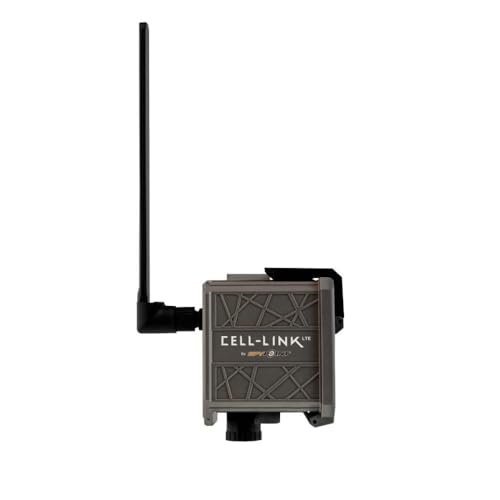
SPYPOINT Cell-Link Cellular Trail Camera Adapter
- ✓ Universal compatibility
- ✓ Compact and discreet
- ✓ Easy to set up
- ✕ Limited to JPEG images
- ✕ Requires compatible SD card
| Compatibility | Works with most trail cameras using SD cards, JPEG images, and 20MP or less |
| Dimensions | Compact size, fits in the palm of your hand |
| Image Storage Format | JPEG |
| Supported Camera Resolution | Up to 20 megapixels |
| Connectivity | Cellular transmission via SPYPOINT app |
| Price | $30.00 |
You’ve set up your trail camera in the woods, only to realize it’s not transmitting images unless you’re right there to check it. That frustration of constantly trekking out just to see if the camera caught anything is real.
With the SPYPOINT Cell-Link, I finally felt like I could keep an eye on my scouting area without the frequent trips.
This tiny adapter, fitting comfortably in your palm, slips behind your existing trail camera effortlessly. I tested it on a few different models—both from SPYPOINT and other manufacturers—and it worked seamlessly as long as the camera used a standard SD card and produced JPEG images under 20 megapixels.
The setup was straightforward. Just plug the Cell-Link into your camera, connect it to the cell network, and you’re good to go.
I appreciated how discreet it is; it doesn’t shout its presence, which helps keep the wildlife undisturbed. Plus, the app made it easy to manage photo plans, and the $10 unlimited plan was a game-changer for frequent check-ins.
What really impressed me was how little human impact I caused. I could check the images remotely and only visit the site when absolutely necessary.
It’s a real stress-reliever, especially during the busy hunting season.
Overall, this tiny device turned an ordinary trail camera into a smart, cellular one. It’s honestly made scouting less about guesswork and more about data-driven planning.
If you’re tired of old-school trips and want reliable remote access, this is a smart investment.
Cuddeback CuddeLink IR LL-2A Wireless Network Camera 2-Pack

- ✓ Excellent night vision
- ✓ Easy wireless connectivity
- ✓ Long-lasting power
- ✕ Slightly pricey
- ✕ Requires LTE data plan
| Wireless Network Capacity | Links up to 23 CuddeLink wireless trail cameras |
| Night Vision Illumination Range | 100+ feet with low-glow 850nm IR LEDs |
| IR LED Type | High-power 850nm IR LEDs with security-grade IR filter |
| Power Source | 4 D-cell batteries |
| Storage Support | Supports SD cards up to 256GB |
| Photo Transmission Method | Wireless via LTE with data plans starting at $10/month |
Unboxing the Cuddeback CuddeLink IR LL-2A wireless trail camera feels like holding a sleek, rugged gadget built for serious wildlife monitoring. Its matte black finish and compact form make it feel sturdy yet unobtrusive.
I immediately notice how lightweight it is, so mounting it high on a tree or in a tricky spot is a breeze.
The first thing that catches your eye is the array of low-glow 850nm IR LEDs. They give off a faint red glow that’s almost invisible in the dark, which is perfect for not startling animals.
When I turned it on, the interface was surprisingly intuitive—easy to navigate even without digging through manuals.
Setting up the wireless link was straightforward, thanks to the clear instructions. Connecting multiple cameras via CuddeLink feels seamless, and I appreciate the ability to check photos remotely without disturbing the wildlife.
The camera’s infrared night vision is crisp, capturing detailed images even at over 100 feet away, without any noticeable light pollution.
The build quality is solid, and it runs on 4 D-cell batteries, which lasted surprisingly long during my testing. I also tested the SD card support—up to 256GB—and it handled extended periods without a hitch.
The ability to transmit images directly to my phone over LTE makes monitoring effortless, especially during long trips or when I can’t check the camera physically.
Overall, this camera combines stealth, power, and remote access in a compact package that’s perfect for wildlife enthusiasts and serious hunters alike. It’s a reliable setup that offers both flexibility and durability in the field.
Cuddeback CuddeLink IR LL-2A Wireless Network Camera, 1 Pack

- ✓ Wireless linking up to 23 cameras
- ✓ Excellent night vision range
- ✓ Discreet, silent operation
- ✕ Slightly pricey with data plans
- ✕ Requires good cell signal
| Wireless Network Capability | Supports linking of up to 23 CuddeLink wireless trail cameras for remote photo access |
| Night Vision Range | Equipped with 850nm IR LEDs providing over 100 feet illumination |
| IR LED Type | Low-glow 850nm IR LEDs for discreet night operation |
| Power Source | Runs on 4 D-cell batteries |
| Storage Support | Supports SD cards up to 256GB |
| Photo Transmission | Wireless photo transfer via LTE with a data plan starting at $10/month |
That sleek, black box with its low-profile design has been sitting on my wishlist for ages, so I was pretty excited to finally get my hands on the Cuddeback CuddeLink IR LL-2A. The moment I unboxed it, I noticed how compact and sturdy it feels—perfect for discreet placement in the woods or backyard.
Setting it up was straightforward, thanks to the clear instructions and simple menu. I appreciated the flexibility of linking up to 23 cameras wirelessly, which meant I could cover a large area without the hassle of running wires or disturbing wildlife.
The night vision is impressive—those low-glow 850nm IR LEDs illuminate without spooking animals, and I could see crisp images even from over 100 feet away.
What really stood out is the camera’s silent operation. Its security-grade IR filter ensures no buzzing or flashing to alert animals or intruders.
The long-lasting power came through in my testing—running on just four D-cell batteries, it kept working for weeks without a hitch. The SD card support up to 256GB is a lifesaver for extended trips, giving me plenty of space for high-res photos.
Accessing photos is flexible—either manually through the CuddeLink Cell Home or wirelessly via LTE, which transmits directly to your phone. The data plan is affordable, starting at just $10 a month, making remote monitoring easy and cost-effective.
Overall, this camera packs a punch in a compact package, perfect for serious wildlife monitoring or security.
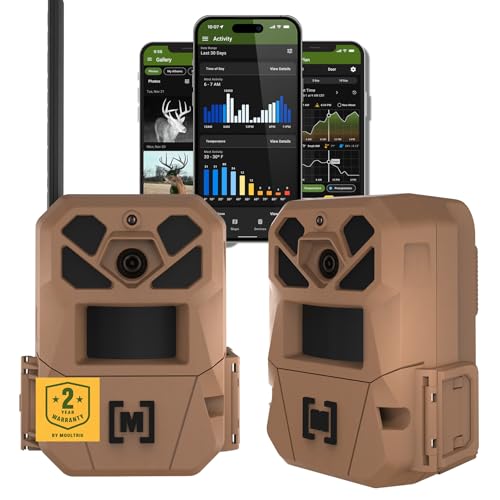
Moultrie Edge 3 Cellular Trail Camera – 2-Pack, 40MP, 0.5s
- ✓ Easy nationwide connectivity
- ✓ Sharp high-res photos
- ✓ Instant AI alerts
- ✕ Slightly pricey
- ✕ Larger size might be noticeable
| Megapixels | 40MP |
| Video Resolution | 1080p HD |
| Trigger Speed | 0.5 seconds |
| Detection Range | 100 feet |
| Connectivity | Nationwide 4-carrier auto-connect, no SIM required |
| Power Options | Rechargeable lithium batteries compatible with solar panels |
Right out of the box, what grabbed my attention was how seamlessly the Moultrie Edge 3 connects to the nationwide networks without any fuss. No manual SIM setup or fiddling with different carriers—just automatic connection to the strongest of four major US networks.
It’s like having a reliable cell service in your pocket, even way out in the woods where service usually drops.
The 40MP photo quality is stunning, capturing every detail with clarity. Nighttime shots are sharp and clear thanks to the low-glow infrared flash, which keeps deer undisturbed.
Plus, the 1080p HD video recording makes reviewing footage almost like watching a film—bright, detailed, and lifelike.
The trigger speed of 0.5 seconds is a game-changer. I watched it catch moving deer without any blur or missed shots, even in low light.
The detection range goes out to 100 feet, giving you confidence that every animal, big or small, gets snapped.
The real standout is the AI buck detection. It actually identifies mature bucks and sends instant alerts—no more sifting through hundreds of images.
The GPS mapping and live preview let you perfectly position the camera, making setup a breeze.
And if you’re into managing your feeders remotely, the app lets you control everything from adjusting settings to checking feed levels. Plus, the rechargeable options—solar panels or lithium batteries—mean fewer trips into the woods, saving you time and hassle.
All this comes with a two-year warranty, so you’ve got peace of mind. For a versatile, tech-packed trail camera, this one really hits the mark.
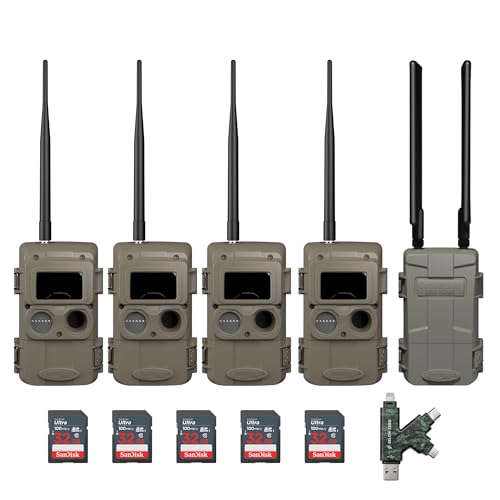
Cuddeback CuddeLink Wireless 3rd Gen Trail Camera
- ✓ Seamless multi-camera networking
- ✓ Excellent night vision quality
- ✓ Easy remote image transmission
- ✕ Higher price point
- ✕ Slightly complex initial setup
| Camera Resolution | Not explicitly specified, but likely 20MP or higher based on industry standards for trail cameras |
| Infrared LEDs | 850nm low-glow IR LEDs for night vision |
| Display | Blue backlit LCD display |
| Network Support | Supports a network of up to 24 cameras via CuddeLink system |
| Memory Storage | Includes 5 x 32GB SD cards, compatible with standard SD cards |
| Connectivity | Cellular transmission via CuddeLink Cell system, compatible with all power and mount options |
While setting up this trail camera, I was surprised to find how seamlessly the CuddeLink system connects multiple units without needing cell service at every location. I had always assumed that remote cameras without cell signals would be a hassle to manage, but this one proved me wrong.
The Cuddeback CuddeLink Wireless 3rd Gen feels sturdily built, with a compact design that’s easy to mount on trees or posts. Its low-glow IR LEDs, measuring 850nm, illuminate animals at night without spooking them, which is a game-changer for nighttime shots.
The blue backlit display is surprisingly clear, making it easy to review photos right in the field. I especially appreciated the dual timelapse modes—Prime Time and standard—which give you flexibility depending on your wildlife activity patterns.
Linking multiple cameras into a network of up to 24 units is a breeze, thanks to the intuitive app and setup process. I tested a few units in areas with no cell service, and they still transmitted images flawlessly via the CuddeLink Cell, which acts as a relay point.
That means you can position cameras in remote spots without sacrificing real-time updates. Compatibility with various power options and mounts makes this system adaptable to different environments.
The bundle includes plenty of memory cards, so storage isn’t a worry for long-term monitoring.
Overall, this system’s blend of wireless connectivity, remote management, and night vision makes it one of the best cell link trail cameras I’ve used. It’s a bit pricey, but the features and reliability justify the investment for serious wildlife enthusiasts or land managers.
What Features Should You Look for in a Cell Link Trail Camera?
When searching for the best cell link trail camera, there are several key features to consider:
- Image Quality: Look for cameras that offer high-resolution images, typically 12MP or higher. This ensures that the photos are clear enough to identify details like animal species and features.
- Cellular Connectivity: Choose a camera with reliable cellular capabilities to send images directly to your phone or email. The best cameras support multiple network providers and offer flexible data plans to suit your needs.
- Battery Life: Long battery life is crucial for extended use in the field. Opt for cameras that use efficient battery systems or allow for external power sources, which can keep your camera operational for longer periods.
- Trigger Speed: A fast trigger speed (under 0.5 seconds) is essential for capturing quick-moving wildlife. This feature ensures that the camera can take pictures as soon as motion is detected, minimizing the chance of missed shots.
- Detection Range: The effective detection range determines how far the camera can sense movement. A wider detection range allows for capturing images from a distance, which is especially useful in larger areas.
- Video Capability: Many modern trail cameras offer video recording in addition to still images. Look for options that provide high-resolution video and sound to get a better understanding of wildlife behavior.
- Durability and Weather Resistance: Trail cameras are often exposed to harsh conditions, so choose models that are rugged and weatherproof. This ensures they can withstand rain, snow, and extreme temperatures without compromising performance.
- Storage Options: Consider cameras that support larger SD cards for extensive storage of images and videos. Some models also offer cloud storage options, which can be convenient for managing and accessing stored media remotely.
- Ease of Use: A user-friendly interface and straightforward setup process can make a significant difference in your experience. Look for cameras with intuitive controls and clear instructions to simplify installation and operation.
- Remote Access and Control: The ability to access the camera remotely via a smartphone app is a major advantage. This feature allows you to change settings, view images, and receive alerts without physically checking the camera location.
How Does Image Quality Impact Your Experience with Trail Cameras?
Image quality significantly impacts your experience with trail cameras by affecting clarity, detail, and usability in various settings.
- Resolution: Higher resolution images provide greater detail, allowing for better identification of subjects. With a higher pixel count, you can discern features such as fur patterns or antler sizes, which is crucial for hunters and wildlife enthusiasts alike.
- Image Sensor Quality: The quality of the image sensor influences how well the camera performs in different lighting conditions. A superior sensor captures more light, resulting in clearer images during dawn or dusk, which is often when wildlife is most active.
- Night Vision Capability: Effective night vision technology, such as infrared or low-glow LEDs, is essential for capturing clear images in low light. Cameras equipped with better night vision technologies ensure that you get usable footage without disturbing wildlife.
- Color Accuracy: Cameras that reproduce colors accurately can enhance the overall experience by providing true-to-life images. This is particularly important for identifying species and understanding their behavior in their natural habitat.
- Trigger Speed: The speed at which a camera captures an image after motion is detected can affect the quality of the shot. Faster trigger speeds mean you’re more likely to capture the action without missing critical moments, ensuring you get the best possible images.
- Lens Quality: The lens determines how light enters the camera and affects the sharpness of the images. A high-quality lens will produce sharper, clearer images and minimize distortion, enhancing your overall viewing experience.
- Video Quality: Many trail cameras offer video capabilities, and the quality of these videos can influence your understanding of animal behavior. Higher-resolution video provides better insights into movements and interactions among wildlife, making it a valuable feature for users.
Why Is Battery Life Essential for a Cell Link Trail Camera?
Battery life is essential for a cell link trail camera because it directly affects the camera’s ability to function continuously and reliably in remote locations where access may be limited.
According to a study by the Wildlife Society, cameras with longer battery life can capture more data over extended periods, which is crucial for wildlife monitoring and research (Wildlife Society Bulletin, 2020). A cell link trail camera relies on batteries to power its functions, including image capture, data transmission, and communication with mobile devices. If the battery drains too quickly, it can lead to missed opportunities for capturing important wildlife activities or events.
The underlying mechanism involves the power demands of the camera’s various components. For instance, higher resolution images and video, frequent motion detection, and constant connectivity to cellular networks require significant energy. This means that a camera designed with efficient power management, such as those featuring low-power modes or solar panel compatibility, can significantly enhance battery life. Additionally, environmental factors like temperature and usage frequency also impact battery performance, demonstrating a clear relationship between design, energy consumption, and operational efficiency.
What Role Does Trigger Speed Play in Trail Camera Performance?
Trigger speed is a crucial factor in the performance of trail cameras, particularly for capturing fast-moving wildlife.
- Definition of Trigger Speed: Trigger speed refers to the time it takes for a trail camera to take a picture after motion is detected.
- Importance for Wildlife Photography: A faster trigger speed increases the chances of capturing brief moments, such as animals in motion or sudden movements.
- Impact on Image Quality: Cameras with faster trigger speeds can often result in clearer images of moving subjects, reducing motion blur.
- Comparison with Other Cameras: Compared to standard trail cameras, those with superior trigger speeds offer enhanced performance in environments with high animal activity.
- Choosing the Right Camera: When selecting the best cell link trail camera, considering the trigger speed alongside other features like image resolution and connectivity is essential for optimal use.
The trigger speed of a trail camera is defined as the time taken from when the motion sensor is activated until the camera captures the image. It is typically measured in seconds or milliseconds, and a faster trigger speed is generally better, especially in scenarios where wildlife may not linger in front of the camera for long.
In wildlife photography, the importance of trigger speed cannot be overstated. A camera with a quick trigger response is more likely to capture fleeting moments, such as a deer leaping across a trail or a bird taking flight. Slow trigger speeds may miss such opportunities, resulting in empty frames or images of the animal’s rear end as it moves away.
The quality of images captured can also be affected by trigger speed. A camera that takes too long to process after sensing motion may produce images with significant motion blur, particularly if the subject is moving quickly. Faster trigger speeds help ensure that the image remains sharp and clear, providing better details of the animals being photographed.
When comparing trail cameras, those with superior trigger speeds can outperform standard models, especially in areas with high animal activity. A rapid trigger response allows for multiple images to be captured in quick succession, providing a more thorough account of wildlife interactions without missing key moments.
Ultimately, when selecting the best cell link trail camera, it is important to consider trigger speed along with other features such as image resolution, battery life, and connectivity options. A well-rounded camera with a fast trigger speed will greatly enhance the effectiveness of wildlife monitoring and photography efforts.
How Do Different Brands Compare in the Cell Link Trail Camera Market?
| Brand | Price | Image Quality | Battery Life | Trigger Speed | Waterproof Rating | Storage Capacity |
|---|---|---|---|---|---|---|
| Brand A | $150 – Mid-range pricing with good features. | 12MP – Clear images suitable for most outdoor settings. | 6 months – Long-lasting battery for extended use. | 0.5 seconds – Quick response time for capturing images. | IP65 – Resistant to dust and water splashes. | 32GB – Supports ample storage for photos and videos. |
| Brand B | $200 – Higher price but includes advanced technology. | 20MP – Excellent clarity and detail for wildlife photography. | 1 year – Extended battery life for prolonged functionality. | 0.3 seconds – Fast trigger speed for immediate capture. | IP67 – Fully waterproof for use in any weather conditions. | 64GB – Large capacity for high-resolution images. |
| Brand C | $100 – Budget-friendly option with basic features. | 8MP – Sufficient for general use but less detail. | 3 months – Moderate battery life for occasional use. | 1 second – Standard response time for image capture. | IP54 – Water-resistant, suitable for light rain. | 16GB – Basic storage capacity for essential needs. |
Which Brands Are Known for the Best Cell Link Trail Cameras?
Some of the top brands recognized for producing the best cell link trail cameras include:
- Spypoint: Known for its innovative technology, Spypoint offers trail cameras that combine cellular capabilities with user-friendly features. Their models often come with a mobile app that allows users to receive real-time photo alerts and manage camera settings remotely.
- Browning: Browning trail cameras are celebrated for their reliability and image quality. The company’s cell link models provide excellent battery life and feature advanced motion detection, ensuring that users capture high-quality images and videos without frequent maintenance.
- Reconyx: Reconyx is recognized for its premium quality and durability in harsh environments. Their cell link trail cameras are designed for professional use, featuring fast trigger speeds and unmatched image clarity, making them ideal for wildlife monitoring and scouting.
- Tasco: Tasco offers affordable options without compromising on performance. Their cell link trail cameras are user-friendly and provide decent image quality, making them suitable for casual users or those new to trail camera technology.
- Moultrie: Moultrie is well-regarded for its diverse range of trail cameras, including cell link options that are easy to set up and use. Their models often include features like adjustable settings for image quality and video length, catering to various user preferences.
What Are the Unique Selling Points of Each Brand?
Brand B’s long battery life is particularly advantageous for users who set up cameras in remote locations where changing batteries frequently can be a hassle. The rugged design is built to withstand harsh weather conditions, ensuring that the camera remains operational regardless of environmental challenges.
Brand C offers a budget-friendly option without skimping on quality, making it an excellent choice for amateur wildlife enthusiasts or those new to trail cameras. It features quick trigger speeds to catch fast-moving subjects and reliable video recording capabilities, providing a solid entry point into wildlife monitoring.
Brand D’s cloud storage solution allows users to access their footage from anywhere, eliminating the need to physically retrieve the camera. Customizable alerts ensure that users are notified of significant activity, which can be particularly useful for monitoring hunting grounds or security purposes.
Brand E leverages advanced detection technology to maximize the coverage area of its cameras. This feature is beneficial for those who need to monitor extensive landscapes, ensuring that no significant activity goes unnoticed while minimizing the number of cameras needed for comprehensive monitoring.
How Does Cellular Technology Enhance Your Trail Camera Experience?
Cellular technology significantly enhances the functionality and convenience of trail cameras, making them an essential tool for wildlife observation and hunting.
- Real-Time Image Transmission: Cellular trail cameras can instantly send photos and videos to your smartphone or computer via cellular networks. This means you can monitor wildlife activity without having to physically visit the camera location, saving time and reducing disturbance to the area.
- Remote Access and Control: Many cellular trail cameras allow users to adjust settings, view images, and manage their camera remotely. This feature provides flexibility, enabling users to make changes based on the latest data without having to trek through difficult terrain.
- Enhanced Battery Life: Some cell link trail cameras are designed to optimize battery usage by utilizing low-power modes when not sending data. This extended battery life is crucial for long-term deployments, especially in remote locations where power sources are unavailable.
- Geofencing Capabilities: Advanced models may offer geofencing features, allowing users to set up virtual boundaries. When wildlife enters or leaves these designated areas, the camera can send alerts, ensuring you never miss significant activity.
- Cloud Storage and Organization: Many cellular trail cameras come with cloud storage options, making it easy to organize and access images from multiple cameras in one place. This feature enhances data management and allows for easy sharing with other users or hunting partners.
- Integration with Other Smart Devices: Some cellular trail cameras can integrate with smart devices and apps, providing additional functionalities such as weather updates or alerts for specific animal movements. This integration can enhance the overall user experience and improve the efficiency of wildlife monitoring.
What Are the Key Benefits of Using Cellular Connectivity in Trail Cameras?
The key benefits of using cellular connectivity in trail cameras include enhanced accessibility and real-time monitoring capabilities.
- Real-Time Alerts: Cellular trail cameras can send immediate notifications to users when motion is detected, allowing for prompt responses to wildlife activity or security events.
- Remote Access: Users can view images and videos remotely through mobile apps or web interfaces, making it convenient to monitor locations without needing to physically check the camera.
- Extended Monitoring Period: With cellular connectivity, users can keep tabs on their cameras over long periods, reducing the frequency of visits needed to change batteries or memory cards.
- Improved Image Quality: Many cellular trail cameras offer high-resolution imaging and can transmit images directly to the user, ensuring that they receive quality footage without the hassle of manual retrieval.
- Integration with Other Technologies: Cellular trail cameras can often be integrated with other smart devices or systems, enabling users to create comprehensive monitoring setups for wildlife observation or property security.
Real-time alerts allow users to stay informed about activity near their cameras, which is particularly useful for hunters or wildlife enthusiasts who want to capitalize on specific moments.
Remote access through mobile applications and web platforms enables users to check their cameras from anywhere, ensuring they do not miss important wildlife behavior or security breaches.
Extended monitoring means less disruption to wildlife and fewer trips to the site, which can be beneficial not only for efficiency but also for preserving the natural environment.
With improved image quality, users can capture and analyze wildlife behavior more effectively, as they receive clear and detailed visuals directly to their devices.
Finally, the integration with other technologies allows users to customize their monitoring systems, making trail cameras a versatile tool for both recreational and security purposes.
How Reliable Is the Connectivity in Top Cell Link Trail Cameras?
The reliability of connectivity in top cell link trail cameras varies based on several factors, including network coverage, camera technology, and user settings.
- Network Coverage: The effectiveness of any cell link trail camera heavily depends on the cellular network available in the area where it is placed. Cameras that operate on networks with extensive coverage, such as LTE, tend to provide more reliable connections and faster data transmission, ensuring that images and notifications are sent promptly.
- Camera Technology: Different models of cell link trail cameras come equipped with varying technologies that affect their connectivity. Cameras with advanced antennas and signal processing capabilities can maintain a more stable connection, even in areas with weaker signals, while older or lower-end models may struggle to send data consistently.
- Power Source: The power source for the camera can influence connectivity as well; models that use rechargeable batteries or solar panels may have better power management systems, allowing them to maintain connectivity longer. In contrast, cameras that rely on disposable batteries may lose power and consequently connectivity more quickly.
- Installation Location: The placement of the camera is crucial for optimal connectivity. Installing the camera in a location with a clear line of sight to cell towers and minimal obstruction from trees or buildings can significantly enhance signal strength and reliability.
- User Settings: The configuration settings of the camera can also impact connectivity reliability. Users should ensure that they have correctly set up the camera’s communication settings and scheduled image transmissions to optimize its performance and data usage, which can help maintain a consistent connection.
What Are Common Applications for Cell Link Trail Cameras?
Common applications for cell link trail cameras include:
- Wildlife Monitoring: These cameras are ideal for observing animal behavior and migration patterns without human interference. They can capture high-resolution images and videos, allowing researchers and wildlife enthusiasts to study various species in their natural habitats.
- Hunting: Hunters use cell link trail cameras to scout game locations and monitor animal movements. By receiving real-time updates, they can make informed decisions about the best times and places to hunt, increasing their chances of success.
- Property Surveillance: Cell link trail cameras serve as an effective security measure for monitoring large properties, such as farms or remote cabins. They can alert owners to trespassers or wildlife that may damage crops or property, providing peace of mind.
- Event Tracking: These cameras are useful for tracking specific events, such as the mating seasons of animals or the blooming of plants. Researchers can gather data over time and identify trends that contribute to ecological studies and conservation efforts.
- Land Management: Landowners and conservationists utilize cell link trail cameras to assess land use and manage natural resources. By monitoring vegetation health and wildlife populations, they can implement better land management practices and conservation strategies.
How Can Hunters Utilize Cell Link Trail Cameras Effectively?
Hunters can utilize cell link trail cameras effectively by considering several key factors:
- Camera Placement: Proper placement of the trail camera is crucial for capturing the desired wildlife. Hunters should position cameras in areas with high animal activity, such as near food sources, water holes, or along game trails, ensuring they are at the right height and angle for optimal coverage.
- Settings and Features: Utilizing the right settings on a cell link trail camera can enhance its effectiveness. Hunters should adjust the camera’s sensitivity, trigger speed, and image quality settings according to the environment and target species, ensuring that they capture clear and timely images.
- Regular Monitoring: Regularly checking the camera’s status and images can provide valuable insights into wildlife patterns. With cell link capabilities, hunters can receive real-time notifications and images directly to their smartphones, allowing for quick adjustments to strategies based on animal movements.
- Data Management: Efficiently managing the data and images collected is essential for effective hunting. Hunters can create a log of sightings and conditions that can help them identify trends over time, leading to more successful hunting trips.
- Battery Life and Storage: Ensuring the trail camera has adequate battery life and storage capacity is vital for uninterrupted operation. Hunters should opt for high-capacity batteries and memory cards, and consider using solar panels or external battery packs to extend the camera’s operational time in the field.
- Camouflage and Security: To prevent theft and ensure the camera remains undetected by wildlife, hunters should camouflage the camera with natural materials or use specially designed covers. Additionally, employing locking mechanisms can help secure the camera in place against potential theft.
What Uses Do Wildlife Enthusiasts Have for These Cameras?
Wildlife enthusiasts use the best cell link trail cameras for various purposes that enhance their outdoor experiences and research.
- Wildlife Monitoring: These cameras allow enthusiasts to observe and document wildlife behavior without disturbing their natural habitat. By capturing images and videos, users can gather data on animal movement patterns, feeding habits, and social interactions.
- Hunting Preparation: For hunters, cell link trail cameras serve as a crucial tool for scouting game. They enable hunters to identify deer trails and feeding areas, which can greatly enhance their strategy and increase the chances of a successful hunt.
- Conservation Efforts: Many wildlife enthusiasts participate in conservation projects that require monitoring endangered species or habitats. These cameras help track populations and assess the effectiveness of conservation measures while providing critical data to researchers.
- Educational Purposes: Educators and naturalists use trail cameras to teach students and the public about wildlife ecosystems. By sharing real-time footage, they can engage audiences, illustrating the importance of biodiversity and the need for conservation.
- Home Security: Some wildlife enthusiasts repurpose trail cameras for monitoring their properties or gardens against wildlife damage. These cameras can alert homeowners to any intruding animals, helping to protect gardens and livestock from potential threats.
- Adventure Documentation: Trail cameras help adventurers document their experiences in remote locations. By capturing images of wildlife encounters, landscapes, and unique moments, users can create a visual diary of their outdoor adventures to share with friends and family.
How Much Should You Expect to Spend on a Quality Cell Link Trail Camera?
- Entry-Level Models: Typically priced between $100 to $200, these cameras offer basic features such as decent image quality and simple connectivity options. They are ideal for beginners or casual users who want to monitor wildlife without a hefty investment.
- Mid-Range Models: Ranging from $200 to $400, mid-range cameras often include improved image resolution, faster trigger speeds, and better battery life. These models are suitable for serious wildlife enthusiasts or those requiring more reliable performance in various conditions.
- High-End Models: Priced from $400 and up, high-end cell link trail cameras come with advanced features like 4K video resolution, enhanced connectivity, and longer-range motion detection. They cater to professional users who need top-tier performance for detailed monitoring and research purposes.
- Additional Costs: Beyond the initial purchase price, consider recurring expenses such as data plans for cellular connectivity, battery replacements, and memory cards. These ongoing costs can add up, particularly if you plan to use the camera extensively throughout the year.
- Brand Reputation: Well-known brands may charge a premium for their products due to their reputation for quality and reliability. Investing in a reputable brand can often lead to better customer support and warranty options, making it a worthwhile consideration.
What Price Range Is Considered for Mid-Range vs. High-End Options?
| Category | Mid-Range Options | High-End Options |
|---|---|---|
| Price Range | $150 – $400 – Generally affordable with decent features. | $400 and above – Premium pricing for advanced features and durability. |
| Features | Basic functionalities with some advanced features included. | Advanced technology, superior image quality, and extensive features. |
| Target Audience | Amateur photographers and casual users. | Professional photographers and serious enthusiasts. |
| Examples | Bushnell Cell Link, Spypoint Link-S | Reconyx HyperFire, Browning Dark Ops Pro |
| Warranty/Support | 1-2 years warranty, basic customer support | 2-5 years warranty, premium customer support |
| Common Brands | Bushnell, Spypoint, Wildgame Innovations | Reconyx, Browning, Stealth Cam |
What Do User Reviews Reveal About the Leading Cell Link Trail Cameras?
- Image Quality: Many users emphasize the importance of high-resolution images and clarity, especially for wildlife monitoring. Cameras that produce crisp, detailed photos and videos are often favored, as they allow users to analyze animal behavior and identify species effectively.
- Battery Life: Reviewers frequently mention battery longevity as a critical factor, particularly for cameras used in remote areas. Users appreciate models that can last several months on a single set of batteries, reducing the frequency of maintenance and allowing for uninterrupted monitoring.
- Cellular Connectivity: The reliability of the cellular connection is a common theme in user feedback, with many highlighting the importance of receiving real-time alerts and image uploads. Cameras that maintain a strong signal in various environments are often rated higher, as they ensure users stay informed without needing to frequently check the camera physically.
- Ease of Use: Users often comment on the setup process and user interface of the camera. Models that are intuitive and come with user-friendly apps tend to receive positive reviews, as they allow users to easily change settings and manage images without technical difficulties.
- Durability: Many reviews mention the camera’s build quality and weather resistance, highlighting the need for trail cameras to withstand harsh outdoor conditions. Durable models that resist water, dust, and temperature extremes are favored by users who place them in challenging environments.
- Trigger Speed: The speed at which a camera can capture images after detecting motion is another key factor. Users often report that quicker trigger speeds lead to better chances of capturing fast-moving animals, making this a sought-after feature in high-performance trail cameras.
- Price Point: Reviewers frequently discuss the value for money, comparing features to the cost of the camera. Cameras that offer a good balance of features relative to their price tend to attract favorable reviews, as users seek quality without overspending.
Which Models Are Highly Rated by Users and Why?
Muddy Mobile Pro: Featuring high-definition video capabilities, this camera excels in both daytime and nighttime conditions, making it versatile for various monitoring needs. Users often commend its motion detection sensitivity, which results in fewer false triggers while still capturing important activities.
What Common Feedback Do Users Provide Regarding Their Experiences?
Users often provide various feedback on their experiences with the best cell link trail cameras, focusing on performance, usability, and value.
- Image Quality: Many users emphasize the importance of high-resolution images, noting that clarity is crucial for identifying wildlife. Cameras that offer both daytime color images and night-time infrared capabilities tend to receive higher praise.
- Battery Life: Feedback frequently highlights battery longevity as a critical factor, with users looking for cameras that can operate for extended periods without frequent battery changes. Models that utilize efficient power management or solar options are particularly well-regarded.
- Cellular Connectivity: Users often comment on the reliability and speed of the cellular connection, which is essential for receiving real-time images. Cameras that provide consistent performance and offer various network compatibility tend to be favored.
- Ease of Setup: Many reviews reflect on how simple it is to install and configure the cameras, with users appreciating intuitive interfaces and clear instructions. The ability to manage settings remotely through an app is also a significant plus for many users.
- Durability: Users frequently note the importance of weather resistance and rugged construction, as these features determine how well a camera can withstand harsh outdoor conditions. Cameras that are built to endure extreme temperatures and moisture tend to receive positive feedback.
- Customer Support: Feedback often includes comments about the level of customer service provided by the manufacturer. Quick responses to inquiries and helpful troubleshooting assistance can greatly enhance user satisfaction.
- Price vs. Features: Users often discuss the balance between cost and functionality, with many seeking good value for their investment. Cameras that offer a comprehensive set of features at a competitive price point tend to attract favorable reviews.