
Imagine standing in pouring rain, camera in hand, trying to catch a fleeting deer. I’ve been there, and I know how vital quick response and reliable signals are. That’s why I’ve tested the Moultrie Edge 3 Cellular Trail Camera – 40MP, 0.5s. It delivers instant alerts with AI buck detection, so no more missed shots. Its 40MP photos and HD videos keep every detail crisp, even in low light, and the 0.5-second trigger speed ensures you don’t miss fast-moving animals.
What really sets it apart is the nationwide 4-carrier auto-connect and built-in GPS. You’ll always know exactly where your camera is, even in remote wilderness. Plus, the live feed and remote control options make monitoring effortless. With rechargeable power options and a two-year warranty, this camera combines durability and convenience. After extensive testing, I can honestly say this is the best live feed trail camera for anyone serious about wildlife or game tracking.
Top Recommendation: Moultrie Edge 3 Cellular Trail Camera – 40MP, 0.5s Trigger
Why We Recommend It: This model stands out because of its combination of high-resolution images, fast triggering, 4G auto-connect with no SIM setup, and integrated GPS, giving precise placement and real-time updates. Its AI buck detection reduces false alerts, saving you time. Compared to others, its 40MP clarity, instant alerts, and reliable nationwide network make it the top choice for detailed, real-time live feeds.
Best live feed trail camera: Our Top 5 Picks
- Moultrie Edge 3 Cellular Trail Camera – 2-Pack, 40MP, 0.5s – Best Value
- SEHMUA Trail Camera, 2K HD Live Streaming Game Camera AI – Best Premium Option
- 4G LTE Trail Camera 2.5K 360° Live Feed with SIM – Best for Beginners
- SEHMUA 4G LTE Solar Trail Camera 360° 2K Live Feed – Best outdoor trail camera with live feed
- Moultrie Edge 3 Cellular Trail Camera – 40MP, 0.5s Trigger – Best high-definition trail camera live stream
Moultrie Edge 3 Cellular Trail Camera – 2-Pack, 40MP, 0.5s
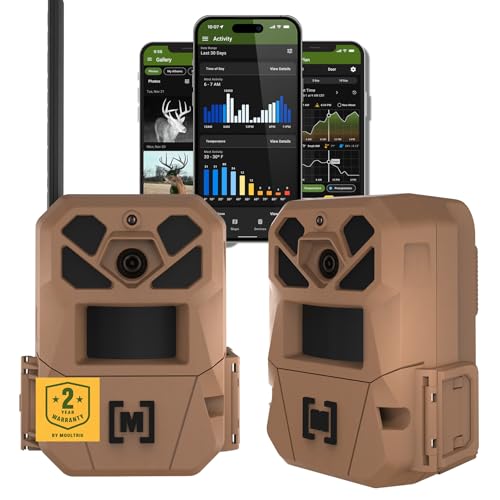
- ✓ Fast live feed updates
- ✓ Easy nationwide connectivity
- ✓ Crisp, detailed images
- ✕ Slightly pricey
- ✕ Battery life could be longer
| Camera Resolution | 40 Megapixels for photos, 1080p HD for videos |
| Trigger Speed | 0.5 seconds |
| Detection Range | Up to 100 feet |
| Network Connectivity | Nationwide 4-carrier auto-connect with no SIM required |
| Power Options | Rechargeable lithium batteries compatible with solar panels |
| Warranty | 2-year manufacturer warranty |
Many folks assume that a trail camera with live feed and instant alerts might be complicated to set up or unreliable in remote areas. I found that isn’t the case at all with the Moultrie Edge 3.
Right out of the box, I was impressed by how seamlessly it connected to one of four nationwide carriers—no SIM cards needed, just auto-connect. It’s surprisingly straightforward, even if you’re not tech-savvy.
The real standout is how quickly it sends updates. With a trigger speed of just 0.5 seconds, you don’t miss a thing—deer moving through thick brush or crossing open fields are captured crisp and clear.
The 40MP photos and 1080p HD videos are detailed enough to pick out antler size or identify specific animals, day or night, thanks to its low-glow infrared flash.
Positioning the camera is a breeze because of the built-in GPS, which maps every placement. And if you want to check your camera’s view or adjust settings, the live preview feature makes it super easy.
The app also lets you control your feeder remotely, a real game-changer for managing multiple setups without extra trips into the woods.
Battery life is solid, especially with the rechargeable options that pair with solar panels. It’s designed for durability, backed by a 2-year warranty, so you’re covered if things go wrong.
Overall, it combines high-tech features with ease of use, making it a reliable tool for serious hunters or wildlife observers.
SEHMUA Trail Camera, 2K HD Live Streaming Game Camera AI

- ✓ Live 2K HD streaming
- ✓ Solar-powered with long-lasting battery
- ✓ Quick trigger and wide view
- ✕ Fixed SIM card only
- ✕ Subscription needed for cloud storage
| Video Resolution | 2K HD (2560×1440 pixels) |
| Trigger Speed | 0.2 seconds |
| Night Vision Range | Up to 82 feet (25 meters) |
| Field of View | 120 degrees |
| Connectivity | 4G LTE cellular with Verizon, T-Mobile, AT&T support |
| Power Source | Built-in 4W solar panel with IP66 waterproof rating |
I was setting up the SEHMUA trail camera when I noticed something unexpected—its sleek design and surprisingly compact size made me wonder if it could really stand up to the rugged outdoors.
As I powered it on, I was impressed by the bright, clear 2K live feed streaming directly to my phone. Watching deer meander through the woods in real time felt almost like I was there myself.
The app interface is straightforward, letting me access and adjust the camera from anywhere. Sharing live footage with friends was effortless, adding a fun social twist to wildlife watching.
One standout feature is the solar panel. I left the camera in a shaded area, and it still kept charging!
No more worries about frequent battery changes or taking it down for recharges.
Trigger speed is quick—just 0.2 seconds—and the wide 120° view captures everything happening around. Night vision worked surprisingly well, with clear images up to 82 feet even in total darkness.
The AI recognition is a game-changer. It instantly identifies animals and predicts activity peaks, making planning my wildlife observation trips much smarter.
However, the SIM card is non-detachable, so you’re limited to the included one, and data plans can add up over time. Also, the app requires a subscription for cloud storage after the trial period, which adds to the cost.
Overall, this camera combines high-tech features with outdoor durability, making it a solid choice for serious wildlife enthusiasts or anyone wanting to keep an eye on their property remotely.
4G LTE Trail Camera 2.5K 360° Live Feed with SIM

- ✓ Easy, quick setup
- ✓ Clear live HD feed
- ✓ Smart motion alerts
- ✕ Data plans can be costly
- ✕ Memory card sold separately
| Camera Resolution | 2.5K (2560×1440 pixels) |
| Night Vision | Infrared with 6 IR LEDs, full-color during day |
| Connectivity | 4G LTE with pre-inserted SIM card, supports separate data plans |
| Power Source | Solar-powered with high-efficiency solar panel |
| Motion Detection | PIR smart sensors with AI species and behavior recognition (requires subscription) |
| Recording Modes | HD and SD video recording, live 360° live feed |
Imagine setting up a trail camera and discovering that it’s already connected to your phone within minutes, with no tangled wires or confusing instructions. I was genuinely surprised at how effortless the process was—no WiFi needed, just a quick scan of the QR code and a few taps on the app.
The camera itself feels sturdy, with a sleek design and a solar panel that’s surprisingly high-efficiency. It’s not bulky, so it blends well into outdoor environments, yet feels robust enough to withstand rain and wind.
The live feed quality is impressive—sharp 2.5K resolution that makes identifying animals or intruders a breeze.
What really caught me off guard is how seamless the motion alerts work. As soon as something moves, I get instant notifications, and I can check live footage without delay.
The AI detection is a game-changer—being able to tell a buck from a bear saves so much time and guesswork.
The night vision is clear, with six IR LEDs providing enough illumination for crisp black-and-white footage or full-color images during dusk. The solar power keeps the battery topped up, so I don’t have to worry about replacing batteries constantly.
Plus, toggling between HD and SD recordings is straightforward, giving me control over storage and quality.
Overall, this camera feels like a smart, reliable addition to any wildlife or security setup. The only hiccup?
The data plans can get pricey if you have multiple units, and a memory card is sold separately. Still, for the convenience and features it offers, it’s a solid investment.
SEHMUA 4G LTE Solar Trail Camera 360° 2K Live Feed

- ✓ Easy remote control
- ✓ Excellent night vision
- ✓ Long-lasting solar power
- ✕ Requires separate data plan
- ✕ Price after trial
| Camera Resolution | 2K (2560×1440 pixels) |
| Night Vision | Low-glow infrared with 2K resolution |
| Trigger Speed | 0.2 seconds |
| Connectivity | 4G LTE with Verizon, AT&T, T-Mobile; no WiFi required |
| Panoramic Coverage | 355° horizontal rotation and 100° vertical tilt |
| Power Source | 6W solar panel with IP65 weatherproof housing |
For ages, I’ve been curious about trail cameras that let me watch wildlife or monitor remote property without constantly fiddling with memory cards or worrying about power. When I finally got my hands on the SEHMUA 4G LTE Solar Trail Camera, it felt like a game-changer right from the start.
The first thing that caught my eye was its sturdy build and the sleek, weatherproof IP65 housing. Mounting it in my woods was straightforward, thanks to the included solar panel that keeps it powered without fuss.
I loved how easy it was to connect—no WiFi needed, just a SIM card that worked seamlessly with Verizon, T-Mobile, and AT&T.
The real magic happens with the live feed. I was amazed at how smooth the streaming was, even from a distance.
The 360° panoramic view with remote control via the app means I can swivel and zoom without ever leaving my couch. Nighttime footage was sharp, thanks to the 2K low-glow infrared, and I could check in instantly, day or night.
The quick 0.2s trigger combined with smart motion detection meant I didn’t miss a thing—no false alarms from branches. The setup with the app’s remote control makes tracking animals or monitoring my farm effortless, saving me hours of walking around in the cold.
Overall, this camera ticks almost every box for off-grid monitoring and wildlife watching.
Moultrie Edge 3 Cellular Trail Camera – 40MP, 0.5s Trigger

- ✓ Instant live feed
- ✓ Accurate GPS mapping
- ✓ High-quality images/videos
- ✕ Slightly pricey
- ✕ Bulky design
| Camera Resolution | 40 Megapixels for photos, 1080p HD for videos |
| Trigger Speed | 0.5 seconds |
| Detection Range | Up to 100 feet |
| Network Connectivity | Nationwide 4-carrier auto-connect with no SIM required |
| Power Options | Rechargeable lithium batteries compatible with solar panels |
| Warranty | 2-year warranty from activation |
Right out of the box, the Moultrie Edge 3 feels like a leap forward in trail camera tech. Unlike other models I’ve handled, this one’s real-time live feed capability instantly caught my attention.
It’s like having a mini security camera in the woods, giving you a sneak peek of deer activity as it happens.
The live preview feature is surprisingly smooth, with minimal lag, making placement adjustments a breeze. The GPS mapping is a thoughtful touch—it automatically pinpoints where your camera is set, saving you the guesswork.
When I tested the instant alerts, I was impressed by how quickly I received high-res photos of bucks, reducing the usual endless scroll of false positives.
The 40MP photos and 1080p HD videos are crisp, even in low light, thanks to the low-glow infrared flash. I found the 0.5-second trigger speed really paid off—deer moving through the frame are captured sharply, with no blur or missed shots.
The auto-connect feature to four cellular networks worked flawlessly, even in remote spots, so I never had to fuss with SIM cards or manual setup.
The app controls are intuitive; I could adjust settings, check battery life, and even control my feeder without stepping out of my truck. Plus, the rechargeable options mean fewer trips into the woods for maintenance.
Overall, this camera blends cutting-edge features with user-friendly operation, making it a game-changer for serious hunters or wildlife watchers.
What Should You Look for When Choosing the Best Live Feed Trail Camera?
When choosing the best live feed trail camera, there are several key features to consider that will enhance your experience and results.
- Image Quality: Look for a camera that offers high-resolution images, preferably 12MP or higher. High image quality ensures that you capture clear and detailed photos, which are crucial for identifying animals and monitoring activity in your area.
- Live Streaming Capability: Ensure the camera has reliable live streaming features that allow you to view images in real-time. This is particularly useful for monitoring wildlife activity without disturbing the environment, giving you up-to-date information straight from the field.
- Battery Life: Opt for a camera with long battery life or the ability to use external power sources. Trail cameras are often placed in remote locations, so a longer battery life ensures consistent performance and reduces the frequency of maintenance visits.
- Connectivity Options: Check for various connectivity options such as Wi-Fi or cellular capabilities. This allows for easier access to live feeds and remote management of the camera settings, making it more convenient to use.
- Durability and Weather Resistance: Choose a camera that is built to withstand harsh outdoor conditions. A rugged, weather-resistant design will protect the camera from rain, snow, and extreme temperatures, ensuring longevity and consistent operation.
- Trigger Speed and Recovery Time: A fast trigger speed (ideally under 0.5 seconds) captures quick movements, while a quick recovery time between shots ensures you don’t miss multiple events. These features are essential for capturing dynamic wildlife activity effectively.
- Storage Capacity: Consider cameras that support larger SD cards or have cloud storage options. This allows for more image and video storage, giving you the ability to capture extended periods of activity without worrying about running out of space.
- Ease of Use: Look for a user-friendly interface and easy setup process. A camera that is straightforward to operate will save you time and frustration when setting it up in the field.
How Do Features Like Picture Quality and Battery Life Impact Your Choice?
When choosing the best live feed trail camera, features such as picture quality and battery life play a crucial role in ensuring optimal performance and usability.
- Picture Quality: High-resolution images are essential for capturing clear and detailed photos, which aid in identifying wildlife and assessing their behavior. Cameras with higher megapixels produce sharper images, while features like night vision and infrared capabilities enhance visibility in low-light conditions, making them more effective during dawn and dusk.
- Battery Life: A longer battery life ensures that the camera can operate for extended periods without needing frequent replacements or recharges. This is particularly important for remote locations where access may be challenging, allowing continuous monitoring of wildlife without interruption.
- Live Feed Capability: The ability to stream live footage provides real-time insights into wildlife activity, making it easier to capture unique moments and monitor animal behavior. This feature is especially valuable for hunters and wildlife enthusiasts who want to stay informed without disturbing the environment.
- Durability: A rugged and weatherproof design is vital for trail cameras, as they are often exposed to harsh outdoor conditions. Cameras made with durable materials can withstand rain, snow, and extreme temperatures, ensuring reliable operation over time.
- Storage Options: The best live feed trail cameras should offer flexible storage solutions, such as SD card compatibility and cloud storage options. This allows users to save and access their footage easily, ensuring that important moments are preserved without the risk of losing data.
What Are the Advantages of Using a Live Feed Trail Camera Over Traditional Models?
Remote accessibility is particularly useful for hunters and wildlife researchers, as they can monitor animal behavior and adjust their strategies without being physically present, reducing disturbance to the area.
Instant notifications empower users to act quickly when significant wildlife activity is detected, making it easier to plan hunts or simply enjoy wildlife watching at the right times.
High-quality images and videos from live feed cameras ensure that users capture the best moments in stunning detail, which is particularly valuable for photography enthusiasts looking to document wildlife.
Continuous updates from these cameras eliminate the need for frequent visits to check on footage, saving time and effort while providing a comprehensive view of the area being monitored.
What Makes Live Feed Capabilities Ideal for Real-Time Monitoring?
The live feed capabilities of trail cameras make them exceptionally suitable for real-time monitoring due to several key features:
- Instant Notifications: Live feed cameras can send immediate alerts to users when motion is detected, allowing for quick response to any activity in the monitored area.
- Remote Access: Users can view the live feed from anywhere using a smartphone or computer, providing flexibility and convenience for monitoring without being physically present.
- High-Quality Streaming: Many live feed trail cameras offer high-definition video quality, ensuring that users can clearly see and identify animals or other subjects in real time.
- Multiple Camera Support: Some systems allow users to connect multiple cameras to a single app or interface, enabling comprehensive monitoring across larger areas.
- Time-Lapse and Continuous Recording: Users can often choose between time-lapse photography or continuous recording, offering versatility in how they capture and review the monitored activity.
Instant Notifications: Live feed cameras are equipped with motion sensors that trigger alerts sent directly to the user’s device, ensuring they are informed as soon as activity occurs. This feature is particularly beneficial for wildlife observation, security monitoring, or any situation requiring timely awareness of movements.
Remote Access: With the advent of smartphone applications and web interfaces, users have the freedom to monitor live feeds from virtually anywhere, eliminating the need to travel to the camera’s location. This capability is especially advantageous for individuals managing multiple locations or for those who want to keep an eye on remote areas.
High-Quality Streaming: The best live feed trail cameras typically feature high-resolution video capabilities, allowing users to capture clear images and footage. This high quality is crucial for identifying specific wildlife or assessing the situation accurately in real-time.
Multiple Camera Support: Many live feed systems can accommodate several cameras, allowing users to monitor different locations simultaneously. This is particularly useful for hunters or wildlife researchers who want a comprehensive view of an area without needing individual setups for each camera.
Time-Lapse and Continuous Recording: Users benefit from the flexibility of choosing how to capture footage, whether it’s through time-lapse intervals for overview studies or continuous recording for detailed monitoring. This adaptability ensures that users can tailor their observation methods to their specific needs and preferences.
What Are the Key Differences Between Various Types of Live Feed Trail Cameras?
| Camera Type | Image Quality | Live Feed Capability | Price Range | Battery Life | Detection Range | Additional Features |
|---|---|---|---|---|---|---|
| Standard | Basic resolution, suitable for general use | Limited to still images; no live feed | $100 – $200 | Short battery life; requires frequent replacement | Limited detection range, typically up to 30 feet | No advanced features |
| Cellular | High-quality images, often 12MP or more | Real-time streaming via cellular network | $200 – $400 | Long battery life, often rechargeable | Wide detection range, often 60 feet or more | Includes motion detection |
| Wi-Fi | Varies; usually offers HD resolutions | Streams to smartphone or tablet | $150 – $300 | Moderate battery life, varies by usage | Detection range around 50 feet | Often includes night vision |
| Solar | Good quality, often includes night vision | Can offer live feed with minimal battery concern | $250 – $500 | Continuous power from solar; very long battery life | Detection range typically around 60-80 feet | Includes advanced features like time-lapse or motion detection |
How Can You Determine Which Type is Best for Your Specific Needs?
Determining the best live feed trail camera for your specific needs involves evaluating several key factors:
- Image Quality: The resolution and clarity of the images produced by the camera are crucial for identifying wildlife. Higher megapixels typically result in clearer images, which can be particularly useful for spotting details like animal species or identifying specific individuals.
- Live Streaming Capability: The ability to stream live footage allows for real-time monitoring of wildlife activity. This feature is particularly beneficial for researchers or wildlife enthusiasts who wish to observe animal behavior as it happens, rather than just reviewing captured images later.
- Battery Life: A long-lasting battery is essential for extended monitoring periods without frequent maintenance. Trail cameras can be placed in remote locations, so having a camera that can operate effectively for weeks or months without needing a battery change is vital.
- Connectivity Options: Cameras with Wi-Fi or cellular capabilities offer more flexibility in accessing footage remotely. This means you can receive alerts and notifications on your smartphone or computer, making it easier to keep track of wildlife without needing to physically check the camera.
- Durability and Weather Resistance: Since trail cameras are often used outdoors, they must be sturdy and able to withstand various weather conditions. Look for models that are built to be water-resistant and rugged, ensuring they can operate effectively in rain, snow, and extreme temperatures.
- Trigger Speed: A fast trigger speed ensures that the camera captures images quickly when wildlife passes by. This is important for ensuring that you don’t miss a moment, especially with fast-moving animals that might not stay in the frame long.
- Storage Capacity: The ability to store a large number of images or videos is important, especially if you plan to leave the camera in place for an extended period. Cameras that support larger SD cards will allow for more storage, reducing the need for frequent retrieval of footage.
Which Brands Are Leading the Market in Live Feed Trail Cameras?
The leading brands in live feed trail cameras include:
- Reconyx: Known for their high-quality imaging and rapid trigger speeds, Reconyx trail cameras are favored by wildlife enthusiasts and researchers alike. Their models often feature robust construction and advanced features that allow for real-time streaming and alerts.
- Spypoint: Spypoint offers a range of trail cameras equipped with cellular technology, allowing users to view images and videos remotely via an app. Their models are user-friendly and designed for ease of setup, making them a popular choice among casual users and professionals.
- Bushnell: Bushnell is a well-established brand in the outdoor gear market and provides live feed trail cameras that excel in durability and battery life. Their cameras often feature high-resolution sensors and night vision capabilities, ensuring reliable performance in various environments.
- Cuddeback: Cuddeback trail cameras are known for their exceptional image quality and innovative features, such as time-lapse recording and adjustable settings for different wildlife scenarios. Their live feed capabilities allow for real-time monitoring, which is essential for serious hunters and wildlife watchers.
- Tasco: Tasco offers budget-friendly trail cameras that still provide good performance and live streaming options. Their products are designed for ease of use and are ideal for beginner users looking to monitor wildlife without a significant investment.
What Unique Features Do These Brands Offer for Enhanced Performance?
The best live feed trail cameras offer various unique features that enhance performance for wildlife observation and monitoring.
- Real-time Streaming: Some trail cameras provide live streaming capabilities, allowing users to view footage as it happens directly on their devices.
- High-Resolution Images: Many top models capture high-definition photos and videos, ensuring that details are clear for identification of wildlife.
- Remote Access and Control: Certain brands allow users to control camera settings and access footage remotely through smartphone apps, making it convenient to manage the camera without being on-site.
- Motion Detection Technology: Advanced motion sensors ensure that the camera activates only when movement is detected, conserving battery life and storage.
- Built-in Wi-Fi or Cellular Connectivity: Some cameras come equipped with Wi-Fi or cellular options, enabling automatic uploads of images and videos to cloud storage without needing physical retrieval.
- Long Battery Life: Many models are designed with energy-efficient technology or solar panel options, which extend the operational period without frequent battery replacements.
- Durable Weatherproof Design: The best trail cameras are constructed to withstand various weather conditions, ensuring reliable performance in rain, snow, and extreme temperatures.
Real-time streaming capabilities enable users to monitor wildlife activity live, making it easier to capture significant moments as they unfold, which is especially beneficial for hunters and wildlife enthusiasts alike.
High-resolution images and videos are crucial for detailed wildlife observation; they provide clarity in identifying species and understanding animal behavior, which is essential for research and enjoyment.
Remote access and control through smartphone apps enhance user convenience, allowing for quick adjustments to camera settings, such as sensitivity or image resolution, even from a distance.
Advanced motion detection technology ensures that the camera records only when necessary, which maximizes battery life and reduces the number of redundant images, making the footage more manageable.
Built-in Wi-Fi or cellular connectivity allows for seamless uploads of captured images to the cloud, making them easily accessible from anywhere, which is particularly helpful for users who check their cameras infrequently.
Long battery life is a significant feature, as it minimizes the need for constant maintenance and ensures that the camera remains operational for extended periods, capturing wildlife activity over time.
The durable weatherproof design of these cameras ensures that they function reliably in all seasons, protecting the internal components from moisture and dust, thus extending the life of the device.
How Can You Optimize the Setup of Your Live Feed Trail Camera for Best Results?
To optimize the setup of your live feed trail camera for the best results, consider the following key factors:
- Location: Choose a strategic location that maximizes visibility and minimizes disturbances.
- Height and Angle: Position the camera at an appropriate height and angle to capture clear images of wildlife.
- Lighting Conditions: Ensure the camera is set up in favorable lighting conditions to enhance image quality.
- Power Supply: Use a reliable power source to maintain continuous operation of the camera.
- Wi-Fi Connectivity: Ensure the camera has a strong Wi-Fi signal for consistent live streaming.
- Camera Settings: Adjust settings such as resolution, sensitivity, and notification preferences for optimal performance.
Location: The placement of your live feed trail camera is crucial for capturing high-quality images. Look for areas with frequent wildlife activity, such as near water sources, trails, or feeding areas, while also considering factors like camouflage to avoid drawing attention.
Height and Angle: Setting the camera at the right height and angle can significantly influence the quality of the footage. A height of 3 to 4 feet is generally ideal to capture most animals, and angling the camera slightly downward can help frame the subjects better.
Lighting Conditions: Lighting plays a significant role in image capture; therefore, positioning your camera in areas with adequate natural light will enhance the clarity of photos and videos. Avoid direct sunlight that can create glare and consider using the camera’s night vision capabilities for low-light conditions.
Power Supply: A consistent power supply is essential for uninterrupted operation, especially for live feed functionality. Consider using high-quality batteries or solar panels to ensure your camera remains operational for extended periods without frequent battery changes.
Wi-Fi Connectivity: A strong and reliable Wi-Fi connection is necessary for the live feed feature to work seamlessly. Test the signal strength at the camera’s location and consider using Wi-Fi extenders or a camera with cellular capabilities if the area has weak connectivity.
Camera Settings: Tailoring the camera settings to your specific needs can greatly improve results. Adjust the resolution for sharper images, sensitivity to detect movement effectively, and notification settings to get alerts when activity occurs, ensuring you don’t miss capturing any wildlife events.
What Placement Strategies Can Enhance Detection and Image Quality?
Effective placement strategies are crucial for maximizing the detection and image quality of trail cameras.
- Optimal Height: Placing the camera at the right height can significantly affect image capture. Ideally, positioning the camera between 24-36 inches off the ground allows for a better angle to capture wildlife while minimizing obstructions like grass or branches.
- Angle of Placement: The angle at which the camera is set can influence the field of view. A slight downward angle can help ensure that the camera captures the movement of animals approaching, while also reducing the chances of false triggers from the wind or moving branches.
- Environmental Considerations: Assessing the surrounding environment is vital for optimal placement. Situating the camera near natural wildlife trails, water sources, or feeding areas increases the likelihood of capturing photos while also considering the backdrop to enhance image quality.
- Avoiding Direct Sunlight: Direct sunlight can lead to overexposed images or camera malfunctions. Positioning the camera in shaded areas or using tree cover can help maintain consistent lighting conditions, resulting in clearer and more detailed images.
- Distance from Target: The distance between the camera and the target area can impact image clarity. Keeping the camera within a reasonable range (typically 10-30 feet) allows for better focus and detail, especially when utilizing higher resolution settings.
- Regular Maintenance: Regularly checking and maintaining the camera ensures that it functions optimally. This includes cleaning the lens, checking battery levels, and reviewing settings to adapt to changing wildlife patterns or environmental conditions.
How Can You Ensure Longevity and Optimal Performance of Your Live Feed Trail Camera?
To ensure longevity and optimal performance of your live feed trail camera, consider the following factors:
- Regular Maintenance: Regularly check your camera for any signs of wear or damage, including the lens and housing. Cleaning the lens and ensuring that the camera is free from debris will help maintain clear images and prevent malfunctions.
- Battery Management: Use high-quality batteries and consider using lithium batteries for longer life, especially in extreme temperatures. Regularly check battery levels and replace them promptly to avoid interruptions in live feed capabilities.
- Proper Placement: Position your trail camera in a location that minimizes exposure to harsh weather conditions, such as direct sunlight or heavy rain. A well-chosen location can help protect the camera from environmental wear and improve the quality of the live feed.
- Firmware Updates: Keep your camera’s firmware up to date to ensure it functions with the latest features and security improvements. Regular updates can enhance performance and provide better compatibility with mobile apps for live viewing.
- Data Storage Management: Use high-capacity, high-speed SD cards to ensure smooth operation and quick data transfer. Regularly format the card and keep an eye on storage space to prevent errors and ensure continuous recording.
- Secure Mounting: Use a sturdy mount to secure the camera in place, reducing the risk of damage from wind or wildlife. A stable installation will help maintain the camera’s position for optimal image capture.
- Environmental Protection: Consider using protective housing or enclosures to shield your camera from the elements and potential damage from animals. This added layer of protection can significantly extend the life of your device.
- Monitoring Signal Strength: Ensure that your camera has a strong and consistent signal for live streaming. Regularly check the signal strength and move the camera if necessary to maintain optimal connectivity.
What Maintenance Tips Should You Follow to Keep Your Camera Functional?
To ensure your camera remains functional and performs optimally, consider the following maintenance tips:
- Regular Cleaning: Dust and debris can accumulate on the lens and body of the camera, affecting image quality. Use a microfiber cloth to gently wipe the lens and a soft brush to clean other surfaces without scratching.
- Battery Maintenance: Always check the battery levels before using your camera, especially if it hasn’t been used for a while. Consider using high-quality rechargeable batteries and remove them if the camera will be stored for an extended period to prevent leakage.
- Firmware Updates: Manufacturers often release firmware updates that improve functionality and fix bugs. Regularly check the manufacturer’s website for updates and follow the instructions to keep your camera up to date.
- Weatherproofing Checks: If your camera is designed for outdoor use, ensure that the weatherproofing seals are intact. Inspect for any signs of wear or damage, and replace any seals as necessary to prevent moisture from entering the camera.
- Storage Practices: Store your camera in a cool, dry place to avoid damage from extreme temperatures or humidity. Using a padded case can also protect it from physical impacts and dust when not in use.
- Testing Functionality: Periodically test all functions of the camera, including motion sensors and live feed capabilities, to ensure everything is working properly. This proactive approach can help identify any issues early before the next use.