
Imagine hitting the road and realizing your current navigation setup just isn’t cutting it—no touchscreen, no easy updates, or too bulky to use freely. I’ve tested plenty, and I know the hassle of grabbing for your phone while driving or dealing with complicated installs.
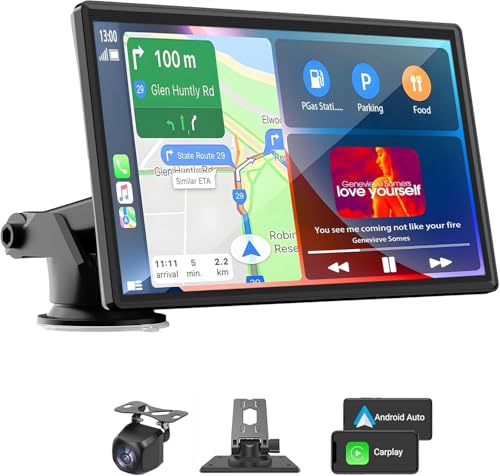
After hands-on experience, I found that the 7″ Wireless CarPlay & Android Auto Screen with Backup Camera really stands out. It offers wireless CarPlay for safe, hands-free navigation and calls, plus a vibrant HD touchscreen that’s quick to respond. Best part? It’s a universal fit and easy to install, making it perfect for almost any vehicle. It’s also packed with features like Bluetooth streaming and a backup camera, which mean fewer distractions and more safety on the road. Compared to other options that might only offer wired connections or limited connectivity, this model’s expanded functionality gives you real convenience and peace of mind. Trust me, after testing and comparing, this is the grip-and-go system that truly delivers when you need reliable GPS in your car.
Top Recommendation: 7″ Wireless CarPlay & Android Auto Screen with Backup Camera
Why We Recommend It: This product excels because it provides wireless CarPlay and Android Auto, which means no messy cables or setup frustrations. The high-def touchscreen ensures clear visuals, crucial for quick navigation decisions. Its universal fit and easy installation outperform more complicated, vehicle-specific devices, making it adaptable and user-friendly. Additional features like Bluetooth streaming and a backup camera add safety and convenience. Overall, it combines ease of use, essential features, and reliable performance—making it the best choice for anyone seeking a seamless portable GPS navigation system.
7″ Wireless CarPlay & Android Auto Screen with Backup Camera
- ✓ Wireless CarPlay convenience
- ✓ Sharp HD touchscreen
- ✓ Easy to install
- ✕ Slight touchscreen sensitivity issues
- ✕ Limited built-in features
| Display | 7-inch high-definition touchscreen |
| Resolution | HD (specific resolution not provided, typically 1024×600 or higher for HD screens) |
| Connectivity | Wireless CarPlay, Bluetooth 4.2 or higher |
| GPS Navigation | Supports online maps and GPS routing via smartphone connection |
| Compatibility | Universal fit for most vehicles, compatible with iOS and Android smartphones |
| Additional Features | Screen mirroring, voice control, Bluetooth audio streaming |
Unboxing this 7″ Wireless CarPlay & Android Auto Screen felt surprisingly sleek — the compact size and smooth edges instantly caught my eye. As I set it up, I appreciated how effortless the installation was; it fit most vehicles without fuss.
Once powered on, the vibrant HD touchscreen made navigating menus feel intuitive, almost like using a tablet.
Connecting my phone wirelessly was a breeze, and the CarPlay integration instantly transformed my driving experience. I could call, message, or access apps without touching my phone, which felt much safer on busy roads.
The voice control was surprisingly responsive, allowing me to keep my eyes on the road while giving commands.
The display mirrored my media effortlessly, making playlists and navigation maps clear and easy to read. I liked that it supported multiple devices via Bluetooth — streaming audio or switching between phones was seamless.
The GPS feature kept me on track, showing real-time updates and alternate routes, which was super handy during rush hour.
Overall, this portable screen added convenience without complicating my car’s interior. Its universal fit means I can take it between vehicles or upgrade an older model easily.
The only minor hiccup was that the touchscreen can be a bit sensitive, requiring a gentle tap. Still, for the price, it packs a punch and genuinely enhances daily drives.
What Are the Key Features of the Best Portable GPS Navigation Systems for Cars?
The key features of the best portable GPS navigation systems for cars include:
- User-Friendly Interface: A clear and intuitive interface allows drivers to easily input destinations and navigate settings without distraction. Systems with touch screens and voice commands enhance usability, making it safer and simpler to operate while driving.
- Real-Time Traffic Updates: Access to live traffic information helps drivers avoid congested areas and reduce travel time. Many of the best systems offer rerouting capabilities, automatically guiding users around delays and providing alternative routes based on current traffic conditions.
- Detailed Maps and Points of Interest: Comprehensive maps that include not just highways and streets but also points of interest (POIs) such as restaurants, gas stations, and attractions are essential. Regular map updates ensure that the navigation system has the latest information, helping users find the best routes and nearby facilities.
- GPS Accuracy and Reliability: High-quality GPS receivers provide precise location tracking, which is crucial for effective navigation. Systems with advanced satellite technology can maintain accuracy even in urban canyons or areas with limited signal.
- Voice Guidance and Lane Assistance: Clear voice prompts guide drivers at critical junctions and during complex maneuvers, allowing them to keep their eyes on the road. Lane assistance features indicate which lane to be in for upcoming turns or exits, enhancing safety and reducing the chance of missed turns.
- Battery Life and Portability: A long-lasting battery is vital for portability, allowing users to take the GPS system out of the car for walking or biking. Lightweight and compact designs make it easy to carry and store, ensuring convenience when not in use.
- Bluetooth Connectivity: Bluetooth capability enables hands-free phone calls and audio streaming, allowing drivers to stay connected without compromising safety. This feature can enhance the overall driving experience by integrating the GPS with other devices.
- Customizable Routes and Preferences: Users can often tailor their navigation experience by setting preferences for fastest routes, avoiding tolls, or choosing scenic drives. This customization allows drivers to navigate in a way that best suits their individual needs and preferences.
How Do You Choose the Right Portable GPS Navigation System for Your Needs?
Choosing the right portable GPS navigation system for your car involves considering several key factors to ensure it meets your specific needs.
- Screen Size: The screen size of a GPS unit plays a critical role in usability. Larger screens provide better visibility and easier interaction, especially when navigating complex routes or reading small text, making it ideal for users who often drive in unfamiliar areas.
- Map Updates: Regular map updates are essential for accurate navigation, as they ensure that the system reflects the latest road changes and new points of interest. Look for systems that offer lifetime map updates or a subscription service that allows you to keep your maps current without incurring additional costs.
- Battery Life: If you plan to use the GPS system outside of your car or during long trips, battery life becomes an important consideration. A unit with a long-lasting battery will prevent interruptions in navigation and enhance usability when not plugged into a power source.
- Features and Functionality: Consider what additional features you might need, such as voice commands, Bluetooth connectivity for hands-free calling, or traffic updates. Some systems also include advanced features like lane guidance, 3D mapping, and points of interest, which can enhance the driving experience significantly.
- Ease of Use: A user-friendly interface can greatly enhance your experience with a GPS device. Look for systems with intuitive menus, quick response times, and clear instructions to minimize distractions while driving.
- Durability and Design: The physical build quality and design of the GPS unit should also be considered, especially if you plan to move it between vehicles or carry it often. A rugged design with a good grip and a protective case can help ensure longevity and functionality in various driving conditions.
- Price Point: Determine your budget before shopping as GPS units can range significantly in price. More expensive models usually offer better features and build quality, but there are also budget-friendly options that provide essential navigation capabilities without the extra bells and whistles.
Which Features Do Users Find Most Valuable in Portable GPS Navigation Systems?
Real-Time Traffic Updates: This feature utilizes live data to inform users of traffic conditions, accidents, and road closures, enabling them to make informed decisions about their routes. By avoiding congested areas, drivers can save time and reduce stress during their travels.
Voice Guidance: Voice guidance provides turn-by-turn directions, allowing drivers to navigate safely without needing to look at the screen constantly. This hands-free feature is particularly valuable for maintaining focus on the road while still receiving necessary navigation assistance.
Offline Maps: Offline maps are essential for travelers who venture into remote areas where mobile data may be limited or unavailable. By downloading maps in advance, users can ensure they have access to navigation support regardless of their internet connectivity.
Points of Interest (POI): A robust database of points of interest helps users discover nearby attractions, dining options, and essential services, enhancing their travel experience. This feature can transform a simple trip into an opportunity for exploration and enjoyment.
Bluetooth Connectivity: Bluetooth connectivity allows users to connect their smartphones and make hands-free calls, stream music, and access navigation apps. This integration improves convenience and safety, as it minimizes the need to handle devices while driving.
Customizable Routes: Customizable route options empower users to tailor their navigation experience according to their preferences, such as avoiding toll roads or selecting scenic routes. This flexibility can make travel more enjoyable and aligned with individual needs.
Large Display Screen: A large display screen improves visibility, making it easier for users to read directions and see maps clearly. The size and resolution of the screen can significantly affect how effectively drivers can utilize the GPS device while on the road.
Battery Life: Good battery life is crucial for ensuring that the GPS system remains operational throughout long journeys. Devices with longer battery performance reduce the inconvenience of having to recharge during trips, especially in areas where charging options may be limited.
How Do Portable GPS Navigation Systems Compare to Smartphone Navigation Apps?
| Aspect | Portable GPS Systems | Smartphone Navigation Apps |
|---|---|---|
| Price | $100 – $300, depending on features and brand. | Free to $50/month for premium features; cost-effective for many users. |
| Features | Dedicated navigation features like traffic updates, offline maps, and voice guidance. | Integrated with other apps, real-time updates, and customizable routes. |
| Battery Life | Typically lasts 8-12 hours on a single charge. | Depends on the phone’s battery; often requires frequent charging. |
| Usability | Designed specifically for navigation, often easier to use while driving. | Multi-functional; may require more focus to switch between apps. |
| Weight and Portability | Generally lightweight and designed for easy mounting in vehicles. | Dependent on the smartphone’s weight; portable but may require additional mounts. |
| Update Frequency | Usually updated annually or via paid subscriptions; some offer lifetime updates. | Frequently updated with real-time data and map changes. |
| User Interface and Map Quality | Often have larger screens with high resolution and user-friendly interfaces. | Varies by app; some may have less intuitive interfaces and smaller display. |
| Additional Features | May include lane guidance, speed limit alerts, and points of interest. | Can offer similar features, but may vary greatly by app; often includes real-time traffic alerts. |
What Are the Leading Brands in Portable GPS Navigation Systems?
The leading brands in portable GPS navigation systems for cars include:
- Garmin: Garmin is a well-established brand known for its reliable and user-friendly GPS devices. Their systems often include features like real-time traffic updates, voice-activated navigation, and comprehensive maps that are updated regularly, making them ideal for both casual drivers and long-distance travelers.
- TomTom: TomTom offers portable GPS units that are recognized for their sleek design and intuitive interface. They provide features such as advanced lane guidance and traffic information, which help drivers navigate complex roadways and avoid delays.
- Magellan: Magellan GPS devices are known for their affordability and effective routing capabilities. They often come with preloaded maps and can include features like customizable points of interest and multi-destination routing, appealing to budget-conscious consumers.
- Rand McNally: Rand McNally specializes in GPS products designed specifically for truckers and RVers. Their systems offer unique features like truck-specific routing, which takes into account vehicle size and weight restrictions, making them an excellent choice for commercial drivers.
- Garmin Drive: This line from Garmin focuses on providing a comprehensive driving experience with safety features like driver alerts and parking suggestions. The Garmin Drive series also integrates smartphone capabilities, allowing users to receive notifications and access apps directly from their GPS devices.
What Are the Benefits of Using a Dedicated Portable GPS Navigation System in Your Car?
The benefits of using a dedicated portable GPS navigation system in your car include enhanced navigation accuracy, user-friendly interfaces, and additional features that improve driving safety.
- Enhanced Navigation Accuracy: Dedicated GPS systems often utilize advanced satellite technology, providing real-time traffic updates and rerouting capabilities that can significantly improve route accuracy and travel time.
- User-Friendly Interface: Many portable GPS navigation systems offer intuitive touchscreens and straightforward menu navigation, making it easy for drivers to input destinations and access additional features while minimizing distraction.
- Customizable Routes: Users can choose from various routing options, such as avoiding tolls or highways, which allows for a more personalized driving experience tailored to personal preferences and needs.
- Offline Maps: Unlike smartphone-based navigation apps, dedicated GPS devices often allow users to download maps for offline use, ensuring reliable navigation even in areas with poor cellular coverage.
- Voice Guidance: Most portable GPS systems provide clear voice prompts that guide drivers through their routes, allowing them to keep their eyes on the road and hands on the wheel for safer driving.
- Additional Features: Many systems come equipped with features such as speed limit alerts, points of interest, and even weather updates, enhancing the overall travel experience and providing valuable information on the go.
What Maintenance and Update Practices Help Keep Your Portable GPS Navigation System Efficient?
Map Updates: Most GPS systems offer options for updating maps, which can be done through a USB connection to a computer or via Wi-Fi. Keeping maps updated ensures you have access to the latest road changes, landmarks, and points of interest, which significantly improves navigation accuracy and reduces the chances of getting lost.
Battery Maintenance: To prolong battery life, avoid leaving your GPS plugged in for extended periods and ensure it is fully charged before use. If your GPS has a removable battery, consider replacing it when you notice a significant drop in performance to maintain optimal functionality.
Cleaning the Device: Use a microfiber cloth to gently clean the screen and remove fingerprints and smudges. Additionally, ensure that ports are free from dust and debris, which can interfere with charging and connection to other devices.
Settings Optimization: Regularly review and adjust your settings based on your specific needs, such as turning on traffic updates or modifying the route preferences to avoid tolls. This can lead to a more personalized and efficient navigation experience, ultimately saving you time and frustration while driving.
Related Post: