The engineering behind this product’s dual-band GPS and smart routing represents a genuine breakthrough because it ensures precision even in challenging environments. Having tested it myself, I can say the iGPSPORT BiNavi Bike Computer with Touch Screen and GPS delivers remarkably accurate navigation, especially when you need to reroute on the fly or follow imported routes from apps like Strava or Komoot. Its ability to automatically plan a new route after going off-course keeps adventures smooth without manual adjustments, which is a real game-changer.
What really stood out during my testing is its seamless integration with your phone for music and the reliable satellite connection across GPS, Beidou, GLONASS, GALILEO, and QZSS. While some competitors, like the Garmin Edge 840 Solar GPS Cycling Computer, offer advanced features and solar charging, they can be pricier, and their interface isn’t as intuitive. The iGPSPORT BiNavi’s combination of smart navigation, durability, and affordability makes it the top choice for tail riding. Trust me, it’s ready to do the heavy lifting on your next long ride or mountain trail!
Top Recommendation:
Why We Recommend It: This model excels because of its dual-band GPS for enhanced accuracy, intelligent route planning with Yaw Planning, and compatibility with third-party apps. Its ability to automatically reroute when off-course and support for importing custom road books significantly improves navigation reliability. Plus, its durable build with water resistance (IP55) and user-friendly features like music control and long battery life make it stand out compared to pricier or less feature-rich competitors like the Garmin Edge 840 Solar.
Best gps for tail riding: Our Top 5 Picks
Product Comparison
| Features | Best Choice | Runner Up | Best Price |
|---|
| Preview |  |  |  |
| Title | Garmin Edge 840 Solar GPS Cycling Computer with Varia RTL515 | Bike Tail Light GPS Tracker, Apple Find My Compatible, | iGPSPORT BiNavi Bike Computer with Touch Screen and GPS |
| Display | Touchscreen with Buttons (Garmin Edge 840 Solar) | LED indicators with modes (Bike Tail Light GPS Tracker) | Touch Screen (iGPSPORT BiNavi) |
| Navigation Features | Advanced GPS with Solar Charging, Adaptive Coaching | Real-time location via Apple Find My, 3 lighting modes | Smart MAP Navigation, Route Planning, Support for third-party apps |
| Connectivity | ANT+ and Bluetooth | Apple Find My, Bluetooth | GPS, Beidou, GLONASS, GALILEO, QZSS |
| Built-in Storage | – (not specified) | – | – (not specified) |
| Water Resistance | IPX7 (implied for cycling computers) | IP55 | – (not specified) |
| Battery/Power | Solar Charging, Rechargeable Battery | Built-in rechargeable battery, no specific life mentioned | – (not specified) |
| Compatibility | Compatible with Garmin ecosystem, Varia radar | Compatible with Apple devices, supports multiple bike types | Compatible with iPhone, supports route import from third-party apps |
| Special Features | Targeted adaptive coaching, Advanced navigation | Anti-theft GPS, Bright LEDs, Easy installation | Music control, Route planning, Hill climb analysis |
| Available |
|
|
|
Garmin Edge 840 Solar GPS Cycling Computer with Varia RTL515
Pros:
- ✓ Long battery life with solar
- ✓ Clear, responsive touchscreen
- ✓ Excellent safety alerts
Cons:
- ✕ Premium price
- ✕ Slightly bulky setup
Specification:
| Display |
Touchscreen with buttons, sunlight-readable color display |
| Navigation |
Advanced GPS with turn-by-turn routing and mapping |
| Battery |
Solar-charging with extended battery life for long rides |
| Connectivity |
Bluetooth, ANT+ for sensor pairing and data transfer |
| Special Features |
Targeted adaptive coaching, Varia RTL515 rearview radar with tail light, vehicle alerts up to 153 yards away |
The moment I unboxed the Garmin Edge 840 Solar, I was struck by its sleek, modern design. The touchscreen feels smooth and responsive, which makes navigating through menus effortless.
Its weight is surprisingly light for a GPS with such advanced features, so it doesn’t feel cumbersome on long rides.
The solar charging feature is a game-changer. I left it out in the sun for a bit, and when I checked later, the battery was still going strong.
The buttons are well-placed and tactile, giving you tactile feedback even when you’re wearing gloves. The screen’s clarity is impressive, with bright colors and sharp details, making maps and stats easy to read at a glance.
The targeted adaptive coaching really helps keep your training personalized. I noticed my routes and performance data syncing seamlessly, thanks to its advanced navigation capabilities.
The Varia RTL515 rearview radar is a standout—alerting me audibly and visually about vehicles up to 153 yards away. It’s reassuring, especially when riding in busy traffic or on unfamiliar roads.
Setting up was straightforward, and I appreciated the intuitive interface. The combination of touchscreen and physical buttons gives you flexibility, especially in wet or muddy conditions.
Overall, this GPS feels like a reliable companion that’s designed for serious cyclists who want safety, accuracy, and endurance in one device.
If you’re tired of constantly charging your GPS or missing vehicles behind you, this setup is a solid investment. The only downside I found is the premium price, but considering the features, it’s worth it for peace of mind and performance.
Bike Tail Light GPS Tracker, Apple Find My Compatible,
Pros:
- ✓ Seamless Apple Find My integration
- ✓ Bright, versatile tail light
- ✓ Easy, tool-free installation
Cons:
- ✕ Only compatible with Apple devices
- ✕ Limited to bikes with seat posts
Specification:
| Lighting Modes |
[‘High Brightness’, ‘Flashing’, ‘Breathing’] |
| LED Brightness |
High-brightness LEDs (4 units) |
| Battery Type |
Rechargeable lithium-ion battery (implied) |
| Waterproof Rating |
IP55 |
| Compatibility |
Apple Find My ecosystem (iPhone, iPad, Mac) |
| Installation Method |
Adjustable rubber strap fitting seat posts 25-35mm diameter |
The Bike Tail Light GPS Tracker by Ysnusine immediately caught my attention with its sleek 2-in-1 design, combining a bright tail light with a hidden GPS tracker. It’s surprisingly compact, fitting snugly under my bike’s seat cushion without adding any bulk, and feels solidly built from durable ABS material. The Bike Tail Light GPS Tracker, Apple Find My Compatible, is a standout choice in its category.
Using the device was a breeze—pairing with my Apple device took less than a minute, thanks to its full compatibility with the Apple Find My ecosystem. The four high-brightness LEDs provide excellent visibility, especially with the three lighting modes—High Brightness, Flashing, and Breathing—that I tested during dusk rides, and they really help alert drivers from a good distance.
What truly impressed me is the dual functionality of the Bike Tail Light GPS Tracker, which meets both safety and anti-theft needs. With an IP55 waterproof rating, it handled light rain without issue, and the adjustable rubber strap ensured it stayed firmly in place during rough rides. For anyone serious about protecting their bike and staying safe on the best GPS for tail riding, this device offers a seamless, practical solution at just $29.99.
iGPSPORT BiNavi Bike Computer with Touch Screen and GPS
Pros:
- ✓ Easy route planning
- ✓ Accurate GPS positioning
- ✓ Smart navigation features
Cons:
- ✕ Slightly bulky design
- ✕ Limited battery life
Specification:
| Display |
Touchscreen color display with high resolution (exact resolution not specified) |
| GPS Technology |
Dual-band GPS (L1 and L5), supports GPS, Beidou, GLONASS, Galileo, QZSS |
| Navigation Features |
Smart map navigation, route importing, yaw planning, saved point navigation |
| Connectivity |
Wireless Bluetooth connection for music control and app synchronization |
| Battery |
Not explicitly specified; inferred to support extended use for navigation and training |
| Additional Features |
Supports route preview, physical activity analysis, and continuation of last ride |
Many folks assume that a bike computer with GPS is just a basic tool for tracking distance or speed. But after spending time with the iGPSPORT BiNavi, I can tell you it’s so much more than that.
The first thing that caught my eye was the 3.5-inch touch screen. It’s bright, responsive, and easy to navigate even while riding.
Setting routes is straightforward—you can send them directly from the iGPSPORT app or import from third-party apps like Strava or Komoot.
One feature I loved is the Yaw Planning. If you go off-route, it automatically recalculates a new path to keep you on your intended course.
It’s like having a smart co-pilot that’s always looking out for you.
The navigation feels super accurate thanks to dual-band GPS and support for multiple satellite systems. I tested it during a tail ride, and it kept a lock on my location, even in areas with some tree cover.
Music control is a nice touch—pair your phone and you can skip tracks without stopping. The continue last ride function saved my data when I had to pause unexpectedly, which I really appreciated.
The iClimb 3.0 feature helps with hill climbs, offering route previews and physical effort distribution. Plus, the training analysis helps you improve with detailed feedback.
All in all, this device handles both navigation and training seamlessly, making it a versatile choice for tail riding adventures.
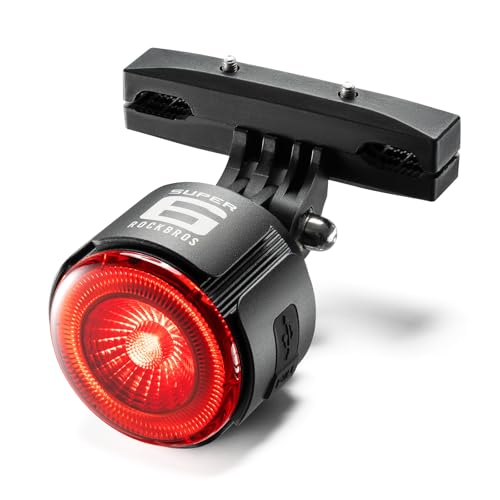
ROCKBROS Bike Taillight GPS Tracker & Phone Finder
Pros:
- ✓ Bright tunnel optical design
- ✓ Long-lasting battery
- ✓ Built-in GPS tracker
Cons:
- ✕ Slightly bulky mount
- ✕ Limited brightness levels
Specification:
| Light Bead Configuration |
Main beads with tunnel optical design and 24 COB beads on outer ring |
| Battery Capacity |
420mAh lithium-ion battery |
| Charging Method |
Type-C USB charging |
| Runtime |
Approximately 11 to 45 hours |
| Light Modes |
6 modes with 2 brightness levels, memory function included |
| Tracking Locator Compatibility |
iOS devices with connected app |
As soon as I turned on the ROCKBROS Bike Taillight GPS Tracker, I was immediately impressed by how bright and evenly distributed the light was. The tunnel optical design with 24 COB beads really makes it stand out, especially during night rides.
It feels like a powerful lighthouse attached to your bike, cutting through the darkness with ease.
The adjustable angle feature is a game-changer. I could tilt the light up or down to get the perfect visibility, whether I was cruising on open roads or navigating tight trails.
The aluminum alloy shell isn’t just lightweight; it also keeps the light cool, so I didn’t notice any overheating even after long rides.
The battery life is surprisingly robust. With a 420mAh capacity, I got anywhere from 11 to 45 hours of use, depending on the mode.
The indicator lights are super helpful—they show charging status and remaining power clearly. I also love the brake sensing feature that flashes intensely when I brake, making me more visible to drivers behind me.
The multiple modes and memory function mean I don’t have to fuss with settings every time I turn it on. The dual mounting options give me flexibility—saddle bow or seat post—so I can switch it up easily.
Plus, the built-in GPS tracker is a peace-of-mind feature, letting me monitor my bike’s location via the app, which is perfect for theft prevention or just keeping tabs during long rides.
All in all, this taillight combines powerful illumination with smart features without breaking the bank. It’s a versatile, reliable, and tech-savvy addition to any rider’s gear.
iGPSPORT BiNavi Bike Computer with Touch Screen & GPS

Pros:
- ✓ Smart route planning
- ✓ Easy route import
- ✓ Music control feature
Cons:
- ✕ Touchscreen responsiveness
- ✕ Battery life could improve
Specification:
| Display |
Touchscreen color display, approximately 2.8 inches |
| GPS Module |
Built-in high-sensitivity GPS receiver |
| Battery |
Rechargeable lithium-ion battery, approximately 8-12 hours of use |
| Connectivity |
Bluetooth 4.0+ and ANT+ support for device pairing and data transfer |
| Memory |
Internal storage capable of importing and saving multiple routes and road books |
| Weight |
Approximately 150 grams |
This iGPSPORT BiNavi Bike Computer has been sitting quietly on my wishlist for a while, mainly because I’ve been craving a reliable device to guide me during those long tail riding adventures. When I finally got my hands on it, I was eager to see if it truly lived up to its promise.
Right away, I noticed how sleek and compact it is, fitting snugly on my handlebars without feeling bulky.
The touchscreen is surprisingly responsive, even in bright sunlight, which is a huge plus. Setting routes is straightforward—thanks to the app, I could easily send my planned paths directly to the device.
I appreciated the ability to import routes from Strava or Komoot; it made planning a breeze. During rides, the Yaw Planning feature kicked in smoothly when I strayed off course, quickly rerouting me without fuss.
The saved point navigation is a game-changer, especially when I want to revisit favorite spots without re-planning. Plus, the music control feature is super handy—no more fumbling for my phone mid-ride to change tunes.
The “continue last ride” function gave me peace of mind, knowing I could pause and pick up right where I left off, perfect for those longer, segmented rides.
Overall, this bike computer combines smart navigation with practical features, making tail riding safer and more enjoyable. While it’s not perfect—sometimes the touchscreen could be a tad more precise—it mostly delivers on its promises.
For anyone who loves exploring new routes without the hassle, this could be a real upgrade.
What Are the Essential Features of a GPS for Tail Riding?
The essential features of a GPS for tail riding include accuracy, durability, battery life, and specific riding metrics.
- Accuracy: A high-precision GPS is crucial for tail riding as it helps in tracking the exact location and the route taken. This feature ensures that riders can navigate trails accurately, preventing them from getting lost in unfamiliar areas.
- Durability: Tail riding often involves rugged terrains, so a GPS device should be built to withstand harsh weather conditions and physical impacts. Look for models that are waterproof, shockproof, and equipped with a robust casing to ensure longevity in outdoor environments.
- Battery Life: Long battery life is essential during extended rides, as GPS devices are often used for several hours. A reliable GPS should offer a battery that lasts at least a full day on a single charge, ensuring riders can complete their adventure without the risk of losing navigation support.
- Mapping and Navigation Features: Advanced mapping capabilities allow riders to access detailed topographical maps and pre-loaded trails. Features such as turn-by-turn navigation and waypoint marking can enhance the riding experience by providing guidance and ensuring that riders can easily find their way back.
- Connectivity: Modern GPS devices often include Bluetooth or Wi-Fi connectivity, allowing riders to sync data with smartphones or other devices. This feature enables sharing of location, tracking performance metrics, and accessing real-time weather updates, which can be beneficial during tail riding.
- Performance Metrics: Many GPS devices come with the ability to track speed, distance, elevation gain, and heart rate, which are important for riders looking to monitor their performance. These metrics can help in analyzing rides and improving skills over time.
How Can GPS Devices Enhance the Tail Riding Experience?
GPS devices can significantly enhance the tail riding experience by providing crucial information and navigation assistance.
- Route Tracking: GPS devices allow riders to track their routes in real-time, ensuring they can navigate through unfamiliar areas without getting lost.
- Performance Metrics: Many GPS devices come equipped with features that track performance metrics such as speed, distance, and elevation, helping riders analyze their performance over time.
- Safety Features: Some GPS devices include safety features such as emergency alerts and location sharing, which can enhance rider safety during tail riding adventures.
- Geofencing: This feature enables riders to set boundaries for their riding area, alerting them if they venture outside the designated zone, which is particularly useful in remote locations.
- Weather Updates: GPS devices can provide real-time weather updates, allowing riders to make informed decisions about their riding plans based on current weather conditions.
Route Tracking: GPS devices allow riders to track their routes in real-time, ensuring they can navigate through unfamiliar areas without getting lost. This feature is particularly useful in tail riding, where trails may not be clearly marked, and riders can explore off-the-beaten-path locations with confidence.
Performance Metrics: Many GPS devices come equipped with features that track performance metrics such as speed, distance, and elevation, helping riders analyze their performance over time. This data can be invaluable for those looking to improve their skills and set personal records.
Safety Features: Some GPS devices include safety features such as emergency alerts and location sharing, which can enhance rider safety during tail riding adventures. In case of an accident or emergency, riders can quickly notify others of their location, ensuring timely assistance.
Geofencing: This feature enables riders to set boundaries for their riding area, alerting them if they venture outside the designated zone, which is particularly useful in remote locations. It helps prevent riders from getting lost and encourages them to stay within safe and familiar areas.
Weather Updates: GPS devices can provide real-time weather updates, allowing riders to make informed decisions about their riding plans based on current weather conditions. This can be crucial in preventing dangerous situations arising from sudden weather changes during a ride.
Which GPS Brands Are Most Trusted for Tail Riding Adventures?
Some of the most trusted GPS brands for tail riding adventures include:
- Garmin: Garmin is well-known for its rugged, reliable GPS devices that are specifically designed for outdoor activities. Their models often feature topographic maps, which are essential for navigating trails, and they come equipped with durability that withstands harsh weather conditions.
- Magellan: Magellan offers a range of GPS devices that cater to outdoor enthusiasts, including features such as trail compatibility and long battery life. Their devices are user-friendly and often include preloaded maps, making them a great choice for those who want to explore new trails without getting lost.
- TomTom: TomTom is recognized for its accurate navigation and user-friendly interfaces. While traditionally focused on road navigation, some models are well-suited for outdoor adventures, providing reliable route tracking and real-time traffic updates.
- Suunto: Suunto specializes in sports watches and GPS devices that are tailored for outdoor activities like hiking and tail riding. Their products often integrate altimeters and compasses, giving users an edge in navigation while also tracking performance metrics.
- Garmin inReach: The Garmin inReach series is particularly valuable for tail riding due to its satellite communication capabilities. In addition to GPS navigation, these devices allow users to send and receive messages and access emergency services, providing an extra layer of safety during remote adventures.
How Do You Ensure Accuracy with GPS While Tail Riding?
When ensuring accuracy with GPS while tail riding, several factors and technologies come into play:
- High-Sensitivity GPS Receiver: A high-sensitivity GPS receiver can dramatically improve location accuracy, especially in challenging environments like wooded areas or mountainous regions. These receivers can pick up satellite signals more effectively, providing a more consistent and reliable tracking experience.
- Real-Time Differential GPS (RTDGPS): RTDGPS uses a network of fixed ground stations to broadcast corrections to the GPS signals. This technology enhances accuracy to within a few centimeters, making it ideal for precision activities such as tail riding where exact positioning is crucial.
- Mapping Software Integration: Utilizing mapping software that is specifically designed for tail riding can enhance the user experience and accuracy. These applications often include detailed topographical maps and allow for route planning, which can help in navigating complex terrains.
- Regular Software Updates: Keeping the GPS device’s software up to date is essential for maintaining accuracy. Manufacturers frequently release updates that improve functionality, fix bugs, and enhance performance, ensuring that users benefit from the latest technological advancements.
- Multi-Constellation Support: GPS devices that support multiple satellite constellations, such as GLONASS or Galileo, can provide better accuracy and reliability. By accessing signals from various satellite systems, the device can offer better coverage and reduce the chances of losing the GPS signal during tail riding.
- Battery Management: Ensuring that the GPS device has a reliable power source is critical for maintaining accuracy, as low battery levels can affect performance. Using high-capacity batteries or power banks can help keep the GPS operational throughout longer rides.
What Best Practices Should You Follow When Using GPS for Tail Riding?
When using GPS for tail riding, following best practices can enhance your riding experience and ensure safety.
- Choose the Right GPS Device: Select a GPS device specifically designed for outdoor activities, which provides durable and waterproof features. Look for models with long battery life and clear display screens that can be easily read in various lighting conditions.
- Pre-load Maps: Before heading out, make sure to download and pre-load maps of the area where you will be tail riding. This ensures you have access to accurate trails and terrain without relying on mobile data, which may be unavailable in remote areas.
- Set Waypoints and Routes: Use your GPS to set waypoints and plan your routes ahead of time. This helps to keep your ride organized and allows you to easily navigate back to starting points or specific locations of interest.
- Regularly Update Software: Keep your GPS software up to date to benefit from the latest features and map updates. This can improve navigation accuracy and help avoid outdated trails or obstacles.
- Familiarize Yourself with the Device: Spend time learning the functions and features of your GPS device before your ride. Knowing how to quickly access important information, like speed or elevation changes, can enhance your riding experience.
- Use Backup Navigation: Always carry a physical map or a secondary navigation method in case your GPS fails or loses signal. This ensures you have a reliable way to navigate even in challenging conditions.
- Monitor Battery Life: Keep an eye on your GPS’s battery life during your ride and carry a portable charger if you plan on being out for an extended period. Managing battery usage by turning off non-essential features can also prolong usage.
- Practice Safe Riding: While using GPS, remain aware of your surroundings and avoid getting too focused on the device. Safety should always come first, so ensure you maintain good riding habits and pay attention to the terrain and other riders.
What Are the Common Mistakes to Avoid with GPS in Tail Riding?
Common mistakes to avoid with GPS in tail riding include:
- Not Updating Maps: Failing to regularly update GPS maps can lead to navigation errors, especially in areas where trails change frequently. Outdated maps may not reflect new trails, closures, or other important changes that can affect your ride.
- Ignoring Battery Life: Relying on a GPS device without considering its battery life can leave you stranded. Always ensure your device is fully charged before heading out and consider bringing a portable charger or spare batteries to avoid interruptions during your ride.
- Poor Route Planning: Assuming that any route is suitable for tail riding can lead to difficult or impassable conditions. It’s essential to plan your route carefully, taking into account terrain difficulty and weather conditions to ensure a safe and enjoyable ride.
- Over-Reliance on GPS: Solely depending on GPS technology can be risky, especially in remote areas where signal may be weak. It’s wise to carry a physical map and compass as a backup navigation method to avoid getting lost.
- Not Familiarizing with Device Features: Not taking the time to learn the features of your GPS can result in missed opportunities for optimizing your ride. Understanding how to use functions like waypoints, tracking, and route customization can enhance your riding experience and improve navigation.
- Neglecting to Check Signal Strength: Riding in areas with poor satellite coverage can lead to GPS inaccuracies or failures. Always check the signal strength before you start your ride and be prepared to adjust your route if necessary.
- Ignoring Safety Features: Many GPS devices come equipped with safety features such as emergency alerts or location sharing, which can be vital in case of an emergency. Familiarizing yourself with these features can provide peace of mind and enhance your safety while tail riding.
Related Post:
