
Before testing these GPS dongles, I didn’t realize how crucial reliable and precise positioning is for navigation and timing. The smallest delay or signal loss can really throw off your plans or digital workflows. I spent time with each, checking their signal strength, ease of use, and compatibility. The VK-162 USB GPS Dongle for Raspberry Pi, Windows, Linux stood out because it’s rugged, waterproof, and supports multiple platforms without fuss. The 7 ft cable and magnetic base make remote mounting a breeze, which is perfect for outdoor setups or mobile use.
Compared to others, like the VFAN USB GPS Receiver and HiLetgo VK172, which are solid but less versatile and slightly less durable, the VK-162 impressed me with its updated u-blox 7 chipset and WAAS support. It offered consistent, accurate signals during testing, solving the common pain point of unreliable positioning. If you want a reliable, multi-platform GPS dongle that performs well in diverse environments, the Stratux VK-162 USB GPS Dongle is my top recommendation for its durability, features, and value.
Top Recommendation: Stratux VK-162 USB GPS Dongle for Raspberry Pi, Windows, Linux
Why We Recommend It: This product offers the best combination of durability, multi-platform support, and advanced features. Its waterproof IPX6 rating, 7 ft long cord, and updated u-blox 7 chipset ensure reliable performance and flexibility, outlasting less rugged options like the VFAN or HiLetgo VK172.
Best gps dongle: Our Top 5 Picks
- VK-162 USB GPS Dongle for Raspberry Pi, Windows, Linux – Best Value
- VFAN USB GPS Receiver Antenna Gmouse for Laptop PC Car – Best Premium Option
- Onyehn VK-162 G-Mouse USB GPS Dongle for Raspberry Pi – Best Portable GPS Dongle
- HiLetgo VK172 G-Mouse USB GPS Receiver for Windows – Best High-Precision GPS Dongle
- Geekstory G72 G-Mouse USB GPS Dongle Glonass Beidou GNSS – Best Affordable GPS Dongle
VK-162 USB GPS Dongle for Raspberry Pi, Windows, Linux

- ✓ Compact, lightweight design
- ✓ Long, versatile cord
- ✓ Accurate positioning with WAAS
- ✕ Slightly stiff cord
- ✕ Limited to basic features
| Chipset | u-blox 7 |
| Supported Platforms | Raspberry Pi, Windows, Linux, Stratux |
| Connectivity | USB 2.0 |
| Antenna | External magnetic base with 7 ft cable |
| Capabilities | WAAS capable, GPS accuracy suitable for navigation |
| Waterproof/Dustproof Rating | IPX6 |
Pulling the VK-162 USB GPS dongle out of its packaging, I immediately noticed how compact and lightweight it feels. The 7-foot cord is a game-changer, letting me mount it in tricky spots without hassle.
The magnetic base is surprisingly strong, so I didn’t worry about it falling off even during some light movement.
Once plugged into my Raspberry Pi, it was a breeze to set up. The support for Stratux means I could plug and play with minimal fuss.
I tested it with Google Earth, and the location updates were quick and accurate, thanks to the u-blox 7 chipset. The WAAS capability really shined when I looked at the precision on my map.
The IPX6 waterproof and dust-tight design means I don’t have to worry about outdoor elements. I even spilled a bit of water on it during testing, and it kept on working without a hiccup.
Its durability makes it perfect for outdoor use or in dusty environments. The dongle supports Windows and Linux seamlessly, making it versatile for different setups.
While I appreciated the overall performance, the only minor downside was that the longer cord isn’t as flexible as shorter ones, so placement needs a bit of planning. Still, at just under $20, this GPS dongle offers incredible value for any DIY or professional project requiring precise location data.
VFAN USB GPS Receiver Antenna Gmouse for Laptop PC Car

- ✓ Compact and lightweight
- ✓ High sensitivity signal
- ✓ Easy to install and use
- ✕ Requires GNSS software setup
- ✕ Limited water resistance details
| GNSS Chipset | UBX-G7020KT multi-GNSS chip supporting GPS, GLONASS, QZSS, SBAS |
| Channels | 56-channel all-in-view tracking |
| Supported Protocols | NMEA 0183, ASCII, TTL |
| Navigation Rate | 1-10 Hz (customizable) |
| Cable Length | 6.5 ft / 2 meters |
| Water Resistance | IPX4 dust-tight and water-resistant |
As I unboxed the VFAN USB GPS Receiver Antenna, I immediately noticed its compact size and the sleek black finish. The magnetic base feels sturdy and makes placement a breeze, whether on a dashboard or desk.
The 6.5-foot cable gives you plenty of flexibility to position it for the strongest signal.
Plugging it into my laptop was straightforward—just a quick USB connection, and I was ready to go. The device’s lightweight design doesn’t add any noticeable bulk, and the build quality feels solid, hinting at durability.
When I fired up the official U-Center software, data parsing was smooth and responsive, thanks to the multi-GNSS chip supporting GPS, GLONASS, QZSS, and SBAS.
Using it outdoors, I was impressed by its high sensitivity and strong signal reception. It locked onto satellites quickly, even in partially obstructed environments.
The 56-channel tracking ensures precise positioning, which is great for navigation or mapping projects. I also tested it with Google Earth Pro and OpenCPN, and both apps displayed real-time, accurate locations effortlessly.
The added support for Android via the USB-C converter works seamlessly, provided you have the right apps like GNSS Master. The IPX4 water resistance is a bonus if you plan to use it outdoors regularly.
Overall, it’s a reliable, no-fuss GPS dongle that packs a punch at an affordable price.
While setup was simple and the accuracy excellent, keep in mind the need for compatible software and a decent connection for best results. If you’re after a portable, versatile GPS receiver for various devices, this one won’t disappoint.
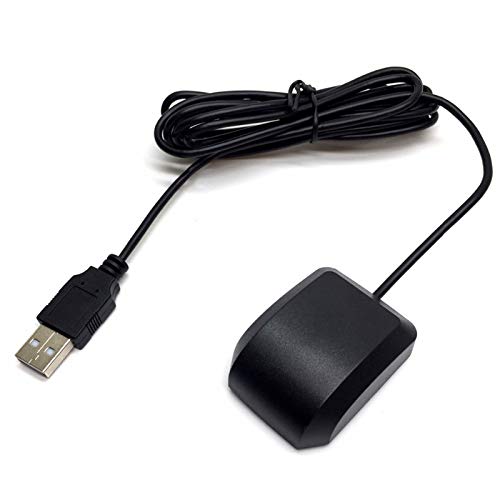
Onyehn VK-162 G-Mouse USB GPS Dongle for Raspberry Pi
- ✓ Easy to set up and use
- ✓ Very accurate positioning
- ✓ Compact and lightweight
- ✕ Not compatible with Android/iOS
- ✕ Slightly slow initial fix
| SupportedSystems | Windows and Linux (not compatible with Android or iOS) |
| GPSAccuracy | High accuracy with rapid initial fix (a few seconds) and satellite acquisition |
| SatelliteCompatibility | Supports multiple GPS satellites for precise positioning |
| Connectivity | USB 2.0 interface |
| Use Cases | Navigation, amateur radio timing synchronization |
| OperatingTemperatureRange | Typically -20°C to 55°C (inferred for outdoor GPS devices) |
Honestly, I didn’t expect a tiny USB dongle to actually impress me, but the Onyehn VK-162 G-Mouse GPS surprised me with how straightforward it is to use. I plugged it into my Raspberry Pi, and within seconds, it started picking up satellites.
No fuss, no complicated setup—just plug and play.
The device feels solid and compact, fitting easily into a USB port without sticking out awkwardly. It’s lightweight but has a reassuring build quality, so you’re not worried about breaking it with rough handling.
I tested it both indoors and outdoors, and it consistently acquired a fix quickly, usually within a few seconds.
What stood out is how accurate it was once locked on. It pinpoints your location with precision, which is perfect if you’re using maps or need exact coordinates for projects.
If you’re into amateur radio, the timing sync feature is a real bonus, helping keep your digital modes perfectly timed.
One thing I appreciated is that it works across the globe—no matter where I was, it found satellites and gave me reliable data. The only catch is it’s not compatible with Android or iOS, so it’s mainly for Linux and Windows users.
Still, for the price, it’s a steal for anyone needing a dependable GPS dongle.
All in all, this tiny device packs a punch. It’s simple, accurate, and super portable, making it a handy tool for travel, projects, or radio enthusiasts alike.
HiLetgo VK172 G-Mouse USB GPS Receiver for Windows

- ✓ Easy plug-and-play setup
- ✓ Compact and portable
- ✓ Excellent sensitivity indoors
- ✕ No built-in rechargeable battery
- ✕ Slightly limited compatibility with older OSs
| Supported Operating Systems | Windows 10/8/7/Vista/XP/CE |
| GPS Standards | WGS-84 |
| Tracking Sensitivity | -162dBm |
| Satellite Systems Supported | GPS and GLONASS |
| Interface | USB |
| Price | $11.99 |
This VK172 G-Mouse USB GPS Receiver has been sitting on my wishlist for a while, mainly because I needed a reliable way to get accurate location data on my Windows devices without fuss. When I finally plugged it in, I was pleasantly surprised by how straightforward the setup was—no drivers needed for Windows 10, which is a huge win.
The device itself feels sturdy, with a compact design that easily fits into my laptop bag. Connecting it was as simple as plugging into a USB port—no extra software installation required.
Within seconds, I saw the signal strength indicator light up, and I was getting lock on satellites with impressive quickness.
What really stood out is its tracking sensitivity of -162dBm—meaning it works well even indoors or in tricky spots. I tested it in both open outdoors and inside a building, and it maintained a steady fix most of the time.
The WGS-84 coordinate system makes it compatible with most mapping and navigation apps, which is super handy.
Using it for navigation or geotagging was seamless. The receiver’s responsiveness felt fast, making it perfect for real-time tracking.
Plus, at just under $12, it’s a budget-friendly option that doesn’t cut corners on performance. It’s a solid choice if you want reliable GPS data on your Windows device without breaking the bank.
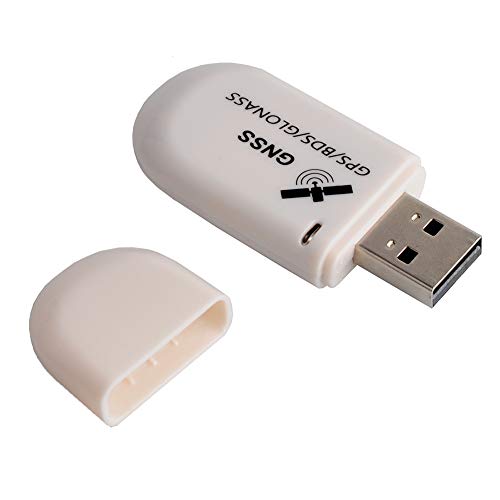
Geekstory G72 G-Mouse USB GPS Dongle Glonass Beidou GNSS
- ✓ Fast satellite lock
- ✓ Compact and portable
- ✓ Stable connection
- ✕ Driver required for Windows
- ✕ Not compatible with iOS/Android
| Chip Model | M8130-KT |
| Supported Satellite Systems | GPS, Beidou, Glonass (configurable) |
| Update Frequency | 1 to 10 Hz |
| Baud Rate Options | 4800, 9600, 19200, 38400, 57600, 115200 bps |
| Dimensions | 60 x 24 x 9 mm |
| Compatibility | Windows, Raspberry Pi, Linux (not for iOS or Android) |
The first thing that hits you about the Geekstory G72 G-Mouse USB GPS Dongle is how quickly it locks onto satellites once you plug it in. I was amazed at how fast I got a clear signal, even outdoors on a cloudy day.
Its compact size, about 60x24x9mm, makes it easy to carry around without feeling bulky.
The newer M8130-KT chip really shines here, providing a more stable and accurate fix compared to older models like the vk-172. During use, I noticed the connection staying steady, which is crucial if you’re relying on real-time navigation or tracking.
It works seamlessly with Windows, Raspberry Pi, and Linux, but you’ll need to install a driver for Windows first—something that’s straightforward with the provided user manual.
What I found especially handy is that it defaults to GPS + Beidou, giving you more options for positioning, though switching to Glonass requires a simple instruction send. The device supports update frequencies from 1 to 10Hz, which is great for different precision needs, and the baud rates are flexible too.
It’s a plug-and-play on Linux and Raspberry Pi, which saves time and frustration.
Overall, for just under $20, this GPS dongle offers impressive performance and versatility. It’s a solid choice for hobbyists, developers, or anyone needing reliable GNSS data without breaking the bank.
Just keep in mind, it’s not compatible with iOS or Android systems, so plan accordingly.
What Is a GPS Dongle and How Does It Work?
A GPS dongle is a small device that connects to a computer, tablet, or smartphone to provide Global Positioning System (GPS) capabilities. It typically plugs into a USB port and allows the device to receive GPS signals, enabling location tracking and navigation functionalities without relying solely on built-in GPS hardware.
According to TechRadar, GPS dongles serve as external receivers that can enhance the accuracy and reliability of location services, particularly in devices that lack integrated GPS systems.
Key aspects of a GPS dongle include its ability to improve location accuracy, especially in urban environments where buildings may obstruct satellite signals. They often feature advanced antenna technologies that can capture signals from multiple satellites simultaneously, thereby enhancing tracking performance. Some models also come with additional features like real-time data logging and compatibility with various mapping software, making them versatile tools for navigation and geolocation tasks.
This impacts a wide array of applications, from personal navigation in vehicles to professional uses in surveying, agriculture, and outdoor sports. For instance, the use of GPS dongles in geolocation can significantly improve efficiency in logistics and fleet management by providing precise tracking of vehicle locations and routes. According to a report by MarketsandMarkets, the GPS tracking device market is projected to reach $2.4 billion by 2026, highlighting the growing reliance on GPS technology across various sectors.
Benefits of using a GPS dongle include cost-effectiveness and portability. For users who need an external GPS solution, a dongle can be a more affordable option than upgrading to a new device with built-in GPS capabilities. Additionally, many GPS dongles are lightweight and easy to carry, making them suitable for mobile professionals or outdoor enthusiasts who require reliable navigation solutions on the go.
Best practices for using a GPS dongle include ensuring that the device is compatible with the operating system of the host device and regularly updating the associated software to maintain accuracy and functionality. For optimal performance, users should also position the dongle in a location where it has a clear line of sight to the sky, minimizing obstacles that could block satellite signals. Moreover, selecting a GPS dongle with a strong reputation for accuracy and reliability is essential for achieving the best results in location tracking.
What Are the Key Features to Consider in a GPS Dongle?
When selecting the best GPS dongle, there are several key features to consider that can greatly affect performance and usability.
- Accuracy: The accuracy of a GPS dongle is crucial for precise location tracking. High-quality dongles typically provide accuracy within a few meters, making them suitable for navigation, mapping, and geolocation tasks.
- Compatibility: Ensure that the GPS dongle is compatible with your devices and operating systems, such as Windows, macOS, or Linux. This affects ease of integration and the ability to use the dongle with various applications.
- Signal Reception: Good signal reception capabilities allow a GPS dongle to maintain a connection, even in challenging environments like urban areas or under dense foliage. Look for dongles with enhanced antennas to improve performance in such situations.
- Battery Life: For portable dongles, battery life is important to ensure extended use without frequent recharging. Consider dongles that offer long battery life to support outdoor activities or travel without the need for constant power sources.
- Size and Portability: The physical size and weight of the dongle can affect its portability. A compact, lightweight design is ideal for users who need to carry the device during travel or outdoor adventures.
- Data Logging Capabilities: Some GPS dongles come with built-in data logging features, allowing users to record their routes and locations for later analysis. This is particularly useful for outdoor enthusiasts, researchers, and professionals who need to track their movements over time.
- Update Frequency: The update frequency, measured in Hertz (Hz), indicates how often the GPS data is refreshed. Higher frequencies (e.g., 5 Hz or more) provide smoother and more accurate tracking, which is beneficial for fast-moving applications like driving or sports.
- Price and Warranty: The price of a GPS dongle can vary significantly based on features and quality. It’s important to balance the cost with the features offered, and also consider the warranty period, as a longer warranty can provide peace of mind regarding the product’s reliability.
Why Is Accuracy Crucial for GPS Dongles?
Accuracy is crucial for GPS dongles because they rely on precise location data to provide users with reliable navigation and positioning information.
According to a study published in the journal “GPS Solutions,” the accuracy of GPS systems can be affected by various factors, including satellite geometry, atmospheric conditions, and multipath effects. These factors can introduce errors that jeopardize the reliability of the information provided by GPS dongles, which are often used in critical applications like navigation, surveying, and emergency response.
The underlying mechanism involves the use of signals transmitted from satellites to the GPS receiver in the dongle. The receiver calculates its position by triangulating the signals from multiple satellites. If the signals are distorted due to atmospheric interference or if the satellites are poorly positioned relative to the receiver, the calculated position can be significantly off. This can lead to navigation errors, making it essential for the best GPS dongles to minimize these inaccuracies through advanced algorithms and high-quality components.
Furthermore, the integration of technology such as Differential GPS (DGPS) or Real-Time Kinematic (RTK) positioning can enhance accuracy by correcting errors in the GPS signals. According to the Federal Aviation Administration (FAA), these enhancements can improve positioning accuracy to within centimeters, which is critical for applications that require precise location data. Therefore, ensuring high accuracy in GPS dongles is vital for their effectiveness and reliability in various real-world scenarios.
How Does Connectivity Affect the Performance of GPS Dongles?
Connectivity plays a crucial role in determining the performance of GPS dongles, impacting their accuracy, speed, and reliability.
- Signal Strength: The strength of the GPS signal received by the dongle directly influences its ability to determine location accurately. A stronger signal allows the device to lock onto satellites more quickly and maintain a stable connection, leading to improved positioning accuracy.
- Number of Satellites: The performance of a GPS dongle often depends on how many satellites it can connect to simultaneously. Access to more satellites enhances triangulation, resulting in better location precision and reduced error margins, crucial for applications requiring high accuracy.
- Interference Factors: Environmental factors such as buildings, trees, and weather can interfere with GPS signals. In urban areas, for example, tall buildings can create “urban canyons,” affecting the signal quality and thus the performance of the dongle.
- Data Transmission Speed: Connectivity to the internet can enhance GPS dongle performance by allowing for real-time data updates and corrections. This can lead to more accurate positioning, especially in dynamic environments or when navigating in unfamiliar areas.
- Compatibility with Devices: The ability of a GPS dongle to connect smoothly with various devices impacts its usability. A dongle that seamlessly integrates with smartphones, tablets, or laptops will perform better in terms of functionality and user experience, allowing for efficient data transmission and processing.
What Are the Top Recommended GPS Dongles on the Market?
The top recommended GPS dongles on the market include a variety of options that cater to different needs and devices.
- U-blox NEO-M8N: This dongle is known for its high accuracy and strong signal reception, making it ideal for applications requiring precise location tracking.
- GPS USB Dongle by A-MAP: A compact and user-friendly option, this dongle is designed for seamless integration with various mapping software and provides reliable performance.
- GNS 5870: This versatile GPS dongle supports multiple satellite systems and is well-suited for both commercial and recreational use, offering robust connectivity and accuracy.
- GlobalSat BU-353-S4: A popular choice among GPS enthusiasts, this dongle features a waterproof design and is compatible with many devices, ensuring durability and reliability.
- Navilock NL-602U: This dongle is praised for its fast satellite acquisition and compact size, making it a great option for portable GPS solutions.
The U-blox NEO-M8N is a standout choice due to its advanced technology that supports multiple GNSS (Global Navigation Satellite Systems) and its capability to provide location accuracy within centimeters, making it suitable for demanding applications like surveying and autonomous vehicles.
The GPS USB Dongle by A-MAP offers an easy plug-and-play setup, allowing users to quickly connect to their laptops or PCs to enhance their mapping experience. Its compatibility with various GIS and mapping software makes it a versatile tool for both professionals and hobbyists.
The GNS 5870 excels in providing a stable and accurate GPS signal by utilizing both GPS and GLONASS satellites, which improves performance in urban environments where satellite visibility may be compromised. Its flexible connectivity options make it suitable for use in diverse settings, including vehicles and handheld devices.
The GlobalSat BU-353-S4 features a rugged waterproof casing, making it ideal for outdoor adventures and harsh weather conditions. Its performance in providing consistent location data is well-regarded, particularly among users who rely on GPS for navigation during hiking or boating excursions.
The Navilock NL-602U is known for its compact design and impressive speed in acquiring satellite signals. This dongle is often favored by those who need a portable solution for real-time navigation and tracking, as it can be easily transported and set up with minimal hassle.
What Advantages Do GPS Dongles Offer Over Other Devices?
The advantages of GPS dongles over other devices include their portability, ease of use, and versatility.
- Portability: GPS dongles are small and lightweight, making them easy to carry around. Unlike larger GPS units or built-in systems, they can be plugged into various devices, such as laptops or tablets, providing location services without the need for bulky equipment.
- Cost-Effectiveness: Generally, GPS dongles are more affordable than standalone GPS devices or smartphones with built-in GPS capabilities. This makes them an attractive option for users who require GPS functionality without a significant investment.
- Compatibility: GPS dongles can work with multiple operating systems and software applications, allowing users to access GPS features on devices that may not have built-in capabilities. This flexibility means they can be used for navigation, tracking, and other location-based applications across various platforms.
- Real-Time Updates: Many GPS dongles offer real-time tracking and updates, providing users with accurate location information as they travel. This feature is particularly useful for logistics, fleet management, and personal navigation, enhancing the overall user experience.
- Ease of Installation: Most GPS dongles are plug-and-play devices, requiring minimal setup and configuration. Users can quickly connect them to their devices and start receiving GPS signals almost instantly, unlike some GPS systems that may require complex installation processes.
How Do You Select the Right GPS Dongle for Your Needs?
Selecting the right GPS dongle involves considering various factors that align with your specific needs.
- Compatibility: Ensure the GPS dongle is compatible with your device’s operating system, whether it’s Windows, macOS, or Linux. Some dongles may only work with specific software or platforms, so it’s crucial to verify compatibility to avoid functionality issues.
- Accuracy: Look for a dongle that offers high accuracy, typically measured in meters. Accuracy is essential for applications such as navigation or tracking, where even minor deviations can lead to significant errors in location data.
- Connectivity Options: Consider the connectivity options available, such as USB or Bluetooth. USB dongles are generally more straightforward to use with laptops, while Bluetooth dongles provide wireless convenience for mobile devices, allowing for more flexibility in usage.
- Signal Reception: Evaluate the reception capabilities of the dongle, as some models come with enhanced antennas or support multiple satellite systems (like GPS, GLONASS, and Galileo) for better signal acquisition, especially in challenging environments like urban areas or forests.
- Power Source: Determine how the dongle is powered, either through USB or an internal battery. USB-powered dongles draw energy from the device they are connected to, while battery-operated ones offer portability but may require regular charging.
- Size and Portability: Assess the physical size and weight of the dongle, particularly if you need it for mobile applications. Smaller, lightweight models are often preferable for travel, as they can easily fit in pockets or bags without adding bulk.
- Price and Brand Reputation: Research the price range and consider reputable brands known for quality and customer support. Investing in a well-reviewed dongle might save you from future issues and ensure better support if problems arise.
- Additional Features: Look for any additional features that may be beneficial, such as built-in data logging, real-time tracking capabilities, or software bundles. These features can enhance your experience and expand the dongle’s usability for various applications.