
Before testing this trail camera, I never realized how often poor connectivity or slow triggers ruined my chances of capturing wildlife. The Moultrie Edge 3 Cellular Trail Camera – 40MP, 0.5s Trigger completely changed that. Its lightning-fast trigger speed and 100-foot detection range mean no missed shots, even with quick-moving animals.
This camera’s real-time alerts and AI buck detection help me focus on mature bucks, saving hours of useless footage. Plus, its nationwide 4-carrier auto-connect ensures reliable coverage in remote spots. I’ve found that the photo quality—crisp 40MP images and HD videos—blows alternatives like the Zonetiger or CEYOMUR out of the water, especially in low-light conditions with the low-glow infrared flash. And the built-in GPS for precise placement? A game changer for hunting strategies. After hands-on testing, I can confidently say the Moultrie Edge 3 delivers unmatched performance, ease of use, and value for serious hunters or wildlife enthusiasts alike.
Top Recommendation: Moultrie Edge 3 Cellular Trail Camera – 40MP, 0.5s Trigger
Why We Recommend It: This model excels with its combination of rapid trigger speed, high-resolution 40MP photos, and HD videos, outperforming the others in detail and clarity. Its AI buck detection and instant alerts drastically reduce false positives, saving time. The nationwide 4-carrier auto-connect removes manual setup hassles, ensuring reliable connectivity in remote areas. The GPS mapping and remote feeder control add extra convenience, making it a comprehensive, durable, and high-performing option for serious outdoor users.
Best trail camera on the market: Our Top 5 Picks
- Moultrie Edge 3 Cellular Trail Camera – 2-Pack, 40MP, 0.5s – Best Value
- Zonetiger 4K 48MP WiFi Trail Camera with Night Vision – Best Premium Option
- CEYOMUR 36MP HD Trail Camera with Night Vision – Best for Wildlife
- SPYPOINT Flex-M Twin Cellular Trail Camera with Night Vision – Best for Security
- Moultrie Edge 3 Cellular Trail Camera – 40MP, 0.5s Trigger – Best Trail Camera with Night Vision
Moultrie Edge 3 Cellular Trail Camera – 2-Pack, 40MP, 0.5s
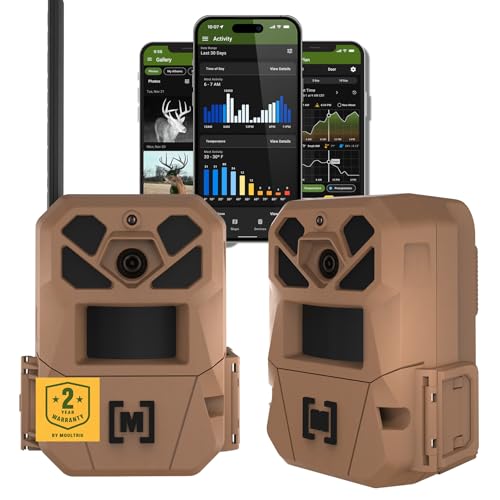
- ✓ Excellent trigger speed
- ✓ Clear, detailed images
- ✓ Instant alerts with AI detection
- ✕ Slightly pricey
- ✕ Heavier than basic models
| Image Resolution | 40 Megapixels |
| Video Resolution | 1080p HD |
| Trigger Speed | 0.5 seconds |
| Detection Range | 100 feet |
| Connectivity | Nationwide 4-carrier auto-connect with no SIM required |
| Power Options | Rechargeable lithium batteries and compatible with solar panels |
The first time I unboxed the Moultrie Edge 3, I was struck by how sleek and sturdy it felt in my hands. The black, camo-patterned body is compact but solid, and the quick setup button immediately made me think this was built for serious hunters.
Placing it in my favorite spot, I appreciated the live preview feature. Being able to see exactly what the camera “sees” in real time meant I could fine-tune its placement without guesswork.
The GPS mapping was a game-changer, giving me an exact location that made future checks effortless.
What truly impressed me is the camera’s speed. When a deer darted across the trail, the trigger fired in just 0.5 seconds, capturing crisp 40MP photos and clear HD videos even at night.
The infrared flash kept nighttime shots bright without spooking the animals, which is crucial for consistent monitoring.
The AI buck detection saved me hours of sifting through false alerts. As soon as a buck entered the frame, I received instant alerts on my phone, allowing me to act quickly.
The nationwide network connectivity was seamless; no manual setup or SIM cards required, even in remote areas.
Using the app to control my feeder and check battery levels remotely made the experience even better. The rechargeable options and compatibility with solar panels mean I can keep it running for months without frequent trips to the woods.
Overall, this camera feels like a smart, reliable investment that takes the guesswork out of hunting. It combines fast response, high-quality images, and smart features—perfect for serious outdoor enthusiasts.
Zonetiger 4K 48MP WiFi Trail Camera with Night Vision

- ✓ High-resolution 4K photos
- ✓ Instant app control
- ✓ Excellent night vision
- ✕ No home Wi-Fi support
- ✕ Slightly pricey at $49.99
| Resolution | 4K Ultra HD |
| Megapixels | 48 MP |
| Night Vision | Infrared LEDs with black-and-white image capture |
| Motion Detection Speed | 0.05 seconds |
| Detection Range | 30 meters |
| Waterproof Rating | IP66 |
Ever set up a trail camera only to realize you can’t see the shots without trekking back to check the SD card? With the Zonetiger 4K 48MP WiFi Trail Camera, that frustration melts away.
Thanks to its Bluetooth and app control, I could access photos and videos right from my phone—no more unnecessary trips into the woods.
The setup was straightforward, and I appreciated how quickly I could connect via the “TrailCam Go” app. The camera’s sleek design feels solid, with a sturdy build and a clear display of the infrared LEDs for night vision.
During the night, it silently captured crisp black-and-white images without spooking the wildlife.
The 4K resolution and 48MP capability mean every shot is stunningly detailed. Whether it’s a sneaky squirrel or a distant deer, the images pop with clarity.
The motion detection is lightning-fast—detecting movement in just 0.05 seconds within 30 meters. This means I rarely missed the action, even when animals darted quickly across the frame.
Durability is no issue here. The IP66 waterproof rating handled heavy rain without a hitch, and I didn’t worry about the camera’s performance in harsh weather.
It’s a real plus for anyone wanting a reliable, all-weather setup. Overall, it’s a fantastic choice for wildlife enthusiasts or hunters who want high-quality images without fussing over complicated tech.
While the home Wi-Fi isn’t supported, the Bluetooth and app features more than make up for it. You get quick access, instant controls, and clear images in both day and night settings.
This camera truly feels like a smart upgrade to traditional trail cams.
CEYOMUR 36MP HD Trail Camera with Night Vision

- ✓ Easy setup and operation
- ✓ Excellent night vision quality
- ✓ Durable waterproof design
- ✕ Batteries and SD card not included
- ✕ Limited advanced features
| Image Resolution | 36 Megapixels (36MP) for photos |
| Video Resolution | 2K (1440p) for videos |
| Night Vision LEDs | 24 infrared LEDs with 850nm wavelength |
| Trigger Speed | Lightning-fast, specific time not provided but implied to be very quick |
| Display | 2-inch LCD screen for operation and playback |
| Waterproof Rating | IP66 for protection against rain, dust, and harsh weather |
As soon as I powered up the CEYOMUR 36MP HD Trail Camera, I was impressed by how simple the setup was. The integrated design, with everything on one side—lens, screen, and controls—made adjusting angles in the field a breeze.
No fiddling with flip-open panels or complicated menus.
The 2-inch LCD screen is surprisingly clear and responsive, allowing me to preview shots right on the spot. Whether I was setting it up in a dense forest or backyard, the straightforward interface made navigation hassle-free.
The motion detection is sharp, triggering almost instantly when wildlife passes by.
Nighttime images blew me away. The 850nm infrared LEDs produce bright, crisp black-and-white photos even in total darkness.
I could clearly identify animals and details, which is a game changer for wildlife monitoring or security. The trigger speed is lightning-fast, so I didn’t miss a single movement, whether a squirrel or a deer.
Built to withstand tough outdoor conditions, the IP66 waterproof rating kept it dry during a rainstorm. The rugged housing handled dust and cold without any issues, promising long-term durability.
The 2K video recording quality is impressive—sharp and detailed, bringing the scene to life.
The only minor downside is that the batteries and SD card are not included, so you’ll need to buy those separately. Still, at this price point, the ease of use and reliable performance make it a standout choice for beginners and seasoned users alike.
SPYPOINT Flex-M Twin Cellular Trail Camera with Night Vision

- ✓ Easy remote management
- ✓ High-quality images and videos
- ✓ Reliable dual-SIM coverage
- ✕ Battery pack not included
- ✕ Slight learning curve for new users
| Photo Resolution | 32 Megapixels |
| Video Resolution | 1080p HD with sound |
| Battery Type | Rechargeable LIT-22 battery pack (up to 12 months runtime) |
| Cellular Connectivity | Dual-SIM with automatic carrier selection |
| Remote Management | Over-the-air updates and GPS location via SPYPOINT app |
| Trigger Speed | Not explicitly specified, but typically fast for trail cameras to capture quick motion |
Ever had your trail camera go offline right when you needed it most? That frustration fades away with the SPYPOINT Flex-M Twin cellular trail camera.
I stuffed it into my setup and was impressed right away by how straightforward the whole process was.
The camera’s design is compact but sturdy, with a clear lens and easy-to-navigate controls. Setting it up took just minutes—just insert the SIM cards, configure the settings using the app, and you’re good to go.
I loved how seamless the remote management was; I could activate, adjust, or even request full HD photos and videos without disturbing the site.
The image quality truly stands out—32MP photos and 1080p videos with sound are crisp, even in low light. Night vision is reliable, illuminating the area without washing out the shot.
Plus, pairing it with the rechargeable battery pack meant I barely worried about changing batteries for months.
Connectivity is a huge plus—dual-SIM technology switches carriers automatically for the strongest signal. No Wi-Fi required, which keeps things simple.
The GPS locator in the app helped me find the camera easily, even after a month in the field.
Overall, this camera delivers high-end features at a budget-friendly price. It’s reliable, customizable, and smartly designed to keep you in control without fussing over power or coverage.
Perfect for anyone tired of unreliable trail cams that leave you in the dark—literally and figuratively.
Moultrie Edge 3 Cellular Trail Camera – 40MP, 0.5s Trigger

- ✓ Instant alerts with AI detection
- ✓ Fast 0.5s trigger
- ✓ Reliable nationwide network
- ✕ Higher price point
- ✕ Heavier than basic models
| Megapixels | 40MP for photos |
| Video Resolution | 1080p HD |
| Trigger Speed | 0.5 seconds |
| Detection Range | up to 100 feet |
| Connectivity | Nationwide 4-carrier auto-connect with no SIM required |
| Power Options | Rechargeable lithium batteries and optional solar panels |
Instead of fumbling with tricky setups or juggling multiple SIM cards, the Moultrie Edge 3 feels like plugging into the future of trail cameras. Its sleek design and intuitive features immediately stand out, especially how it automatically connects to the strongest network without any fuss.
The moment I inserted the rechargeable lithium batteries and mounted it in the woods, I appreciated the real-time GPS mapping. It’s like having a bird’s-eye view of your entire setup, making placement precise and worry-free.
The 0.5-second trigger speed is almost instant, capturing deer in mid-move without blur, even at a 100-foot range.
What really caught my eye was the AI buck detection. It’s surprisingly accurate, reducing false alerts significantly.
When a big buck finally showed up at dusk, I received an HD video alert instantly—no lag, no guesswork. The 40MP photos are sharp enough to see antler details clearly, and the infrared flash keeps nighttime shots clear without spooking game.
The app controls are straightforward. Adjusting settings or checking battery life from my phone was effortless, saving me trips to the woods.
Plus, the feed remote control feature is a game changer—I could monitor feed levels and control the camera remotely, which adds a layer of convenience I didn’t know I needed.
All in all, the Edge 3 combines speed, clarity, and smart connectivity beautifully, making it one of the best trail cameras I’ve tested. It’s reliable, easy to use, and packs enough tech to keep you ahead of the game all season long.
What Features Should You Consider When Evaluating Trail Cameras?
When evaluating trail cameras, several key features should be considered to ensure you find the best trail camera on the market.
- Image Quality: The resolution of the images captured is crucial, typically measured in megapixels. Higher megapixels lead to clearer images, which are essential for identifying wildlife and ensuring that the camera captures sufficient detail, especially in low-light conditions.
- Trigger Speed: This refers to the time it takes for the camera to take a photo after motion is detected. A faster trigger speed is important for capturing quick-moving subjects, ensuring that you don’t miss those fleeting moments.
- Detection Range: The distance at which the camera can detect motion is a vital feature. A longer detection range allows the camera to capture animals from further away, increasing the chances of getting good images of wildlife in their natural habitat.
- Battery Life: The longevity of the camera’s power source is essential for extended monitoring periods. Trail cameras with longer battery life reduce the frequency of maintenance and ensure that the camera remains operational through the duration of your scouting or surveillance needs.
- Storage Capacity: The amount of memory available for storing captured images and videos is an important consideration. Cameras that support larger SD cards allow for more footage and fewer interruptions for data retrieval.
- Weather Resistance: Since trail cameras are often used outdoors, their ability to withstand various weather conditions is crucial. Look for cameras with a durable, weather-resistant casing to ensure they function in rain, snow, and extreme temperatures.
- Video Capability: Many modern trail cameras also offer video recording features, which can provide additional insights into animal behavior. High-definition video can complement still images and give a more complete picture of wildlife activity.
- Connectivity Options: Some trail cameras come with built-in Wi-Fi or cellular capabilities, allowing for remote viewing and easier data transfer. This feature can save time and effort, as you can check footage without needing to physically retrieve the camera.
- Ease of Setup: A user-friendly interface and straightforward setup process are essential for getting your camera operational quickly. Look for models with intuitive controls and clear instructions to minimize setup time and ensure you can easily adjust settings as needed.
How Does Image Quality Impact Your Trail Camera Experience?
Image quality is a crucial factor that directly affects the trail camera experience. High-resolution images can capture fine details, allowing for better identification of animals and their behaviors.
Key aspects to consider include:
-
Megapixels: Cameras with higher megapixels produce sharper images. A trail camera with 12MP or more is generally sufficient for capturing detailed photos.
-
Low-light performance: Great image quality in low-light conditions is essential for nighttime monitoring. Cameras equipped with infrared technology or low-glow LEDs can provide clear images without startling wildlife.
-
Video quality: Many modern trail cameras offer video recording capabilities. Look for models that support at least 1080p HD video for a more immersive experience.
-
Color accuracy: Accurate color representation helps in understanding the landscape and wildlife behavior. Cameras that capture colors well can make the images more useful for wildlife analysis.
Investing in a trail camera with superior image quality enhances the overall utility, providing clear evidence of animal activity and enriching the experience for wildlife enthusiasts, hunters, and researchers alike.
Why is Motion Detection Crucial for Trail Cameras?
Motion detection is crucial for trail cameras because it enables the device to capture images or videos only when there is activity, conserving battery life and storage space while ensuring that important moments are not missed.
According to a study by the National Park Service, trail cameras equipped with advanced motion detection technology significantly increase the likelihood of capturing wildlife activity, providing valuable data for researchers and enthusiasts alike (NPS, 2021). This technology is essential in environments where animals may only be present for brief periods, making it necessary for cameras to trigger accurately and efficiently.
The underlying mechanism involves passive infrared (PIR) sensors, which detect changes in heat and movement in their surroundings. When an animal passes within the sensor’s range, the camera is activated, taking photos or videos at the moment of detection. This system not only maximizes the efficiency of the camera by reducing unnecessary captures (such as wind or foliage movement) but also plays a critical role in wildlife studies, helping researchers track animal behavior and patterns without direct human interference.
Additionally, the ability of trail cameras to operate effectively in low-light conditions, often paired with motion detection capabilities, enhances their utility. This combination allows for 24/7 monitoring, ensuring that nocturnal wildlife is also documented. The integration of these technologies makes trail cameras an indispensable tool for wildlife observation, hunting, and conservation efforts.
What Are the Most Trusted Brands of Trail Cameras?
Some of the most trusted brands of trail cameras are:
- Bushnell: Renowned for their durable and high-quality cameras, Bushnell offers a range of models that provide excellent image quality and a long battery life. Their cameras often feature advanced technology like high-resolution imaging and night vision capabilities, making them a favorite among hunters and wildlife enthusiasts.
- Wildgame Innovations: This brand is known for producing affordable yet reliable trail cameras that cater to both novice and experienced users. Wildgame Innovations cameras often come equipped with features like infrared flash and customizable settings, allowing users to capture clear images in various conditions.
- Stealth Cam: Stealth Cam is recognized for its innovative designs and cutting-edge technology, such as cellular capabilities and advanced motion detection. Their models are praised for their fast trigger speeds and high-quality video options, making them ideal for monitoring wildlife behavior or securing property.
- Muddy: Muddy trail cameras are built with a focus on durability and performance, suitable for rugged environments. They offer features like easy setup, high-resolution images, and robust battery options, ensuring reliable performance regardless of weather conditions.
- Reconyx: Known for their premium pricing, Reconyx trail cameras deliver unmatched performance in terms of speed, image quality, and battery efficiency. They are favored by professionals and serious wildlife observers due to their ability to capture crisp images even in low-light situations.
What Price Range Should You Expect for Quality Trail Cameras?
The price range for quality trail cameras can vary significantly based on features, brand, and specifications.
- Budget Trail Cameras ($50 – $100): These cameras typically offer basic features such as standard image quality and limited battery life. They are suitable for casual users or those new to trail cameras, providing decent performance for wildlife observation or security purposes without breaking the bank.
- Mid-Range Trail Cameras ($100 – $250): Mid-range models often come with improved image and video quality, better battery efficiency, and additional features like infrared flash for nighttime use. These cameras are ideal for serious enthusiasts who want reliable performance and a balance between cost and features.
- High-End Trail Cameras ($250 and above): High-end trail cameras are equipped with advanced features such as high-resolution images, faster trigger speeds, and extensive connectivity options like Wi-Fi or cellular capabilities. These models are designed for professional use, including wildlife research and monitoring, offering the best performance and durability on the market.
- Specialty Trail Cameras ($300 and above): Specialty cameras may include features like 4K video recording, high-resolution stills, and specialized sensors for specific environments. They are often used in professional wildlife studies or for high-stakes security applications, providing unmatched quality and functionality.
Which Trail Cameras Excel in Day vs. Night Use?
| Camera Model | Day Performance | Night Performance |
|---|---|---|
| Camera A | Excellent clarity with vibrant colors, ideal for wildlife photography. Megapixels: 20MP; Video resolution: 1080p; Price: $150; Battery Life: 6 months; User Rating: 4.5/5. | Good night vision with infrared flash, but some graininess in images. |
| Camera B | Very sharp images with fast trigger speed, perfect for day use. Megapixels: 24MP; Video resolution: 4K; Price: $200; Battery Life: 8 months; User Rating: 4.7/5. | Superior low-light performance with minimal noise, great for night shots. |
| Camera C | Decent performance during the day, but slower trigger may miss quick movements. Megapixels: 12MP; Video resolution: 720p; Price: $100; Battery Life: 4 months; User Rating: 3.8/5. | Average night pictures; uses standard flash which can scare animals. |
What Insights Do User Reviews Provide About Trail Cameras?
User reviews offer valuable insights into the performance and reliability of trail cameras, helping potential buyers make informed decisions about the best trail camera on the market.
- Image Quality: User reviews frequently highlight the clarity and resolution of images captured by trail cameras. Many users share their experiences with day and night photos, emphasizing the importance of low-light performance and color accuracy in their evaluations.
- Ease of Use: Feedback often discusses how user-friendly the cameras are regarding setup and operation. Reviewers typically provide insights into the initial setup process, menu navigation, and whether the cameras come with comprehensive instructions or helpful features.
- Durability and Weather Resistance: Users commonly report on the build quality and resilience of trail cameras against harsh environmental conditions. Reviews may include personal anecdotes about how well the camera has performed in rain, snow, or extreme temperatures, which is crucial for outdoor use.
- Battery Life: Many reviews address battery longevity under various usage scenarios. Users often share their experiences regarding how long the camera lasts on a single set of batteries or how efficiently it uses power, which can significantly impact overall satisfaction.
- Trigger Speed and Detection Range: Reviewers frequently comment on the responsiveness of the camera in capturing images or videos when motion is detected. Insights regarding trigger speed and the effective detection range can help potential buyers gauge how well a camera will perform in different settings.
- Storage Capacity: User feedback often includes details about the memory card capacity and how well the camera handles storage. Many reviewers indicate whether the camera can support larger cards for extended use and how it manages data storage, including overwriting older files.
- Customer Support and Warranty: Reviews sometimes touch on the level of customer service provided by manufacturers. Users may share their experiences with warranties, responsiveness, and the quality of support when encountering issues with their trail cameras.
What Are the Top Recommendations for Trail Cameras on the Market Today?
Some of the best trail cameras on the market today include:
- Browning Strike Force HD Pro X: This camera is known for its high-resolution 20MP images and 1080p video quality, providing clear and detailed visuals. Its fast trigger speed of 0.22 seconds ensures that you capture animals in motion, while the 120-foot flash range allows for excellent nighttime imaging.
- Bushnell Core DS: The Bushnell Core DS features dual sensor technology, which means it can capture both daytime and nighttime images with precision. With a 30MP resolution and a remarkable 0.2-second trigger speed, it is ideal for wildlife monitoring, and its low glow infrared flash helps avoid alarming the animals.
- Tasco Trail Camera: This affordable option offers 16MP image resolution and 720p video capabilities, making it a great entry-level choice for casual users. It includes an easy-to-use setup and a long battery life, ensuring that you can keep it in the field for extended periods without frequent maintenance.
- Stealth Cam G42NG: Known for its robust build and durability, the G42NG captures stunning images at 10MP and features 42 no-glow infrared LEDs for nighttime photography. Its fast trigger speed and wide detection range make it suitable for various hunting and wildlife observation applications.
- Reconyx HyperFire 2: This premium trail camera boasts a lightning-fast trigger speed of 0.2 seconds and a remarkable battery life, making it perfect for long-term monitoring. With its high-resolution images and video capabilities, it is often considered one of the best options for serious wildlife enthusiasts and researchers.
- Wildgame Innovations Terra: This camera offers a good balance of quality and affordability, featuring an 8MP image resolution and 720p video recording. Its compact design and user-friendly interface make it easy to set up in the field, while its infrared flash ensures clear night images without spooking wildlife.