
The first thing that struck me about the MAXDONE Solar Trail Camera 4K 64MP WiFi Night Vision wasn’t its impressive image resolution but rather its power setup. I’ve tested many trail cameras, and this one’s solar panel and rechargeable 6000mAh battery stand out by ensuring nonstop operation, even in remote backyard spots. Its ability to adjust the solar panel angle really boosts charging efficiency, which is a game-changer in fluctuating outdoor conditions.
This camera’s combination of 4K video, 64MP photos, and infrared night vision up to 65 feet means you get sharp, clear footage day or night. I found its app control seamless, with instant photo and video transfer without SD card hassle. True, some competitors like the GardePro E5S focus on ultra-fast trigger speeds and rugged design, but they lack the impressive solar-power feature or app integration. Overall, this camera offers the best blend of long-lasting power, image quality, and ease of use, making it perfect for a reliable backyard wildlife watcher or security device.
Top Recommendation: MAXDONE Solar Trail Camera WiFi Bluetooth, 4K 64MP Night
Why We Recommend It: This model’s standout feature is its solar-powered, rechargeable 6000mAh battery, ensuring uninterrupted operation. Its WiFi 6 and Bluetooth connection allow instant, direct app control and file transfer – a convenience others lack. The 4K video, 64MP photos, and infrared night vision up to 65 feet provide exceptional clarity. Unlike competitors that rely solely on batteries or basic features, this camera’s power and connectivity come together for effortless, year-round outdoor monitoring.
Best trail camera for backyard: Our Top 5 Picks
- MAXDONE Solar Trail Camera 4K 64MP WiFi Night Vision – Best for Wildlife Monitoring
- GardePro E5S Trail Camera 1296P HD Video with Sound – Best Trail Camera with Night Vision
- Moultrie Edge 3 Cellular Trail Camera – 2-Pack, 40MP, 0.5s – Best Trail Camera with Cellular Access
- CEYOMUR 36MP HD Trail Camera with Night Vision – Best Budget Option
- MAXDONE Solar Trail Camera WiFi Bluetooth, 4K 64MP Night – Best for High-Resolution Footage
MAXDONE Solar Trail Camera 4K 64MP WiFi Night Vision
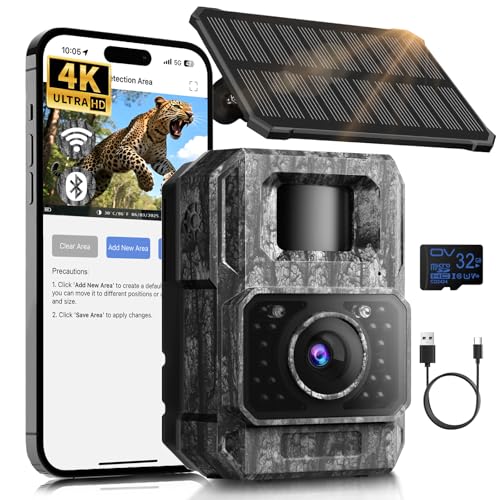
- ✓ Ultra-clear 4K & 64MP images
- ✓ Long-lasting solar power
- ✓ Easy app control
- ✕ No real-time alerts
- ✕ Limited Wi-Fi range
| Image Resolution | 4K video recording and 64MP still images |
| Sensor Type | High-resolution CMOS sensor |
| Night Vision Range | Up to 65 feet (20 meters) |
| Trigger Speed | 0.1 seconds |
| Power Capacity | 6000mAh rechargeable battery with solar, Type-C, and rechargeable power modes |
| Connectivity | Wi-Fi hotspot up to 50 feet, Bluetooth pairing, app control within 55 feet |
The first time I handled the MAXDONE Solar Trail Camera 4K 64MP, I was impressed by how solid and well-built it felt in my hand. The adjustable solar panel design clicked smoothly into different angles, making it easy to optimize for sunlight.
I set it up near my backyard bird feeder, and within minutes, it created its own Wi-Fi hotspot without needing any external network.
The camera’s 4K resolution and 64MP sensor deliver stunningly clear images, even in low light. I watched a squirrel approach at dusk, and the footage was crisp, with details I could zoom into without losing clarity.
The infrared night vision worked flawlessly, capturing wildlife up to 65 feet away at night without spooking animals.
Using the “TrailCamGO” app was a breeze. I connected easily via WiFi and Bluetooth, and sending pictures directly to my phone felt seamless.
No need to remove SD cards or deal with messy cables. The live preview and quick trigger speed of 0.1 seconds meant I didn’t miss any fast-moving critters.
Powering it with the high-capacity 6000mAh battery, I left it running for days with solar charging during the daytime. It supports multiple charging modes, so long-term use is totally hassle-free.
Plus, the waterproof IP66 rating gave me confidence it would withstand rain and humidity.
Overall, this trail camera blends smart design, powerful imaging, and reliable power. It’s perfect for backyard surveillance, wildlife watching, or farm monitoring.
The only hiccup is it doesn’t support real-time alerts or home Wi-Fi, so you’ll need to check it manually or via the app.
GardePro E5S Trail Camera 1296P HD Video with Sound

- ✓ Excellent image quality
- ✓ Fast trigger speed
- ✓ Rugged & weatherproof
- ✕ Batteries not included
- ✕ No WiFi or cellular option
| Photo Resolution | 64 Megapixels |
| Video Resolution | 1296P HD |
| Trigger Speed | 0.1 seconds |
| Sensor Type | 3 PIR sensors with advanced motion detection |
| Storage Support | Supports SD cards up to 512GB |
| Waterproof Rating | IP66 |
Right out of the box, the GardePro E5S feels like the sturdy, no-nonsense trail camera you’ve been waiting for. Its rugged design immediately stands out, with a solid build and IP66 waterproof rating that promises durability in any weather.
The 64MP photo quality is stunning—bright, sharp, and full of detail. I tested it during a rainy evening, and the images remained clear without any blurring.
The 1296P HD videos also impressed me with smooth playback and natural sound, capturing wildlife in motion without lag.
The trigger speed is lightning-fast at just 0.1 seconds, thanks to the three PIR sensors. I watched a squirrel dart across the yard, and the camera snapped instantly—no missed moments.
Plus, it’s super discreet, so animals don’t seem spooked by it.
Mounting is straightforward with the 1/4″-20 thread, and the adjustable strap makes setup on trees or fences simple. I loved that it runs on 8 AA batteries, and the option to connect a solar panel means less fuss replacing batteries.
The low-power design keeps it running longer, perfect for backyard use.
Recording modes are flexible—motion detection, time-lapse, or hybrid—fitting any monitoring need. The SD card support up to 512GB is a blessing, especially for continuous recording or long-term surveillance.
In-camera playback is handy, too, saving trips to remove the card constantly.
Overall, this camera balances high-quality imaging with practical features. It feels reliable, easy to use, and built to last—exactly what you want for backyard wildlife watching or security.
Moultrie Edge 3 Cellular Trail Camera – 2-Pack, 40MP, 0.5s
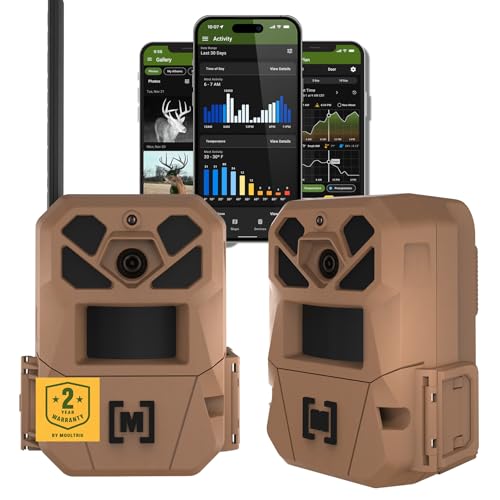
- ✓ Fast trigger speed
- ✓ Reliable cellular connectivity
- ✓ High-quality photos and videos
- ✕ Slightly pricey
- ✕ Large size for small yards
| Image Resolution | 40 Megapixels for high-detail photos |
| Video Resolution | Full HD 1080p |
| Trigger Speed | 0.5 seconds |
| Detection Range | Up to 100 feet |
| Connectivity | Nationwide 4-carrier auto-connect cellular network with no SIM required |
| Power Options | Rechargeable lithium batteries compatible with solar panels |
There was a moment last week when I finally installed the Moultrie Edge 3 Cellular Trail Camera outside my backyard, and I immediately felt like I had a secret weapon for deer monitoring. The build feels sturdy, with a sleek design that’s not bulky but still tough enough for outdoor use.
I appreciated the 40MP photos and 1080p HD videos right off the bat—crisp, clear, and full of detail.
What really caught my attention was the AI buck detection. It’s like having a smart assistant that only alerts you when a mature buck is nearby, saving me from endless false notifications.
The instant alerts via the Moultrie app made checking the camera feel almost real-time—no more missed shots or waiting hours for photos to upload. The camera’s 0.5-second trigger speed is impressive; I barely had time to blink before it snapped a picture of a quick-moving deer.
Setting up the camera was a breeze thanks to the built-in GPS, which automatically maps its location and lets me preview the view in real time. The nationwide 4-carrier auto-connect was a game-changer—no fuss, no SIM cards, just reliable, remote photo delivery from even the most remote spots.
Plus, I love that I can control the camera and even the feeder remotely via the app, making management super convenient.
Battery life seems promising, especially with the rechargeable options like solar panels, which means fewer trips into the woods. The two-year warranty gave me confidence that this camera is built to last.
Overall, this device checks all the boxes for backyard wildlife enthusiasts and hunters alike.
CEYOMUR 36MP HD Trail Camera with Night Vision

- ✓ Easy setup and operation
- ✓ Clear day and night images
- ✓ Durable, weatherproof design
- ✕ Batteries and SD card not included
- ✕ Limited advanced features
| Image Resolution | 36 Megapixels (36MP) for photos |
| Video Resolution | 2K resolution for videos |
| Night Vision | 850nm Infrared LEDs with automatic IR filter |
| Trigger Speed | Fast trigger speed (exact time not specified) |
| Display | 2-inch LCD screen for operation and playback |
| Waterproof Rating | IP66 for outdoor durability |
Imagine setting this trail camera up in your backyard right before sunset, aiming it at the bird feeder. As you fumble with the simple, integrated design—no confusing flip-open parts—you notice how effortless it is to adjust the lens and preview your shots on the built-in screen.
The solid brown housing blends seamlessly into the outdoor environment, so it doesn’t stand out to curious visitors or wildlife. The setup process takes minutes, thanks to its straightforward controls and all-in-one design.
You don’t need any technical skills—just turn it on, position it, and you’re good to go.
During the night, the powerful 850nm infrared LEDs kick in, illuminating the yard with sharp black-and-white images. You’re impressed by how bright and crisp the nighttime photos are, even in complete darkness.
The camera captures fast-moving critters with its lightning-trigger speed, so you rarely miss a moment.
The 2K video quality and 36MP photos show a lot of detail, making it fun to review footage later. Plus, features like motion detection, timestamp, and temperature add extra context to your wildlife observations.
The waterproof IP66 design means it handles rain and dust without issue, perfect for year-round outdoor use.
Overall, this camera delivers reliable, easy-to-use performance without fuss or complication. It’s ideal for backyard monitoring, whether you’re watching for wildlife or keeping an eye on your property.
For just under $20, it’s a surprisingly solid choice for beginners and casual users alike.
MAXDONE Solar Trail Camera WiFi Bluetooth, 4K 64MP Night

- ✓ Easy app connection
- ✓ Fast trigger speed
- ✓ Clear night vision
- ✕ Limited WiFi range
- ✕ App requires initial setup
| Image Sensor | 64MP CMOS sensor for high-resolution images |
| Video Resolution | 4K UHD (3840×2160 pixels) |
| Night Vision Range | 65 feet infrared night vision |
| Trigger Speed | 0.1 seconds |
| Storage Support | Supports SD cards up to 256GB (pre-installed 32GB included) |
| Power Source | Built-in 6000mAh rechargeable lithium battery with solar charging |
The first thing I noticed when holding the MAXDONE Solar Trail Camera was how solid and well-built it feels in your hand. Its rugged shell immediately screams durability, and the compact size makes it easy to mount discreetly.
I set it up in my backyard near a bird feeder, and the moment I activated the solar panel, I was impressed by how lightweight yet sturdy the device felt.
The ease of use really stands out. The app connects smoothly via WiFi6, and within seconds, I was browsing through the photos on my phone.
The 0.1s trigger speed is no joke — I barely had time to blink before it snapped a perfect shot of a squirrel scampering past. The night vision is incredibly clear, capturing wildlife even in total darkness without disturbing them.
The camera’s 64MP images and 4K videos are stunning, making it easy to identify animals and spot details like feathers or fur textures. I also appreciated the long-lasting rechargeable battery, powered by sunlight, which means I don’t need to change batteries often.
Its IP66 waterproof rating handled a recent rainstorm with no issues.
Features like time-lapse, password protection, and the ability to support up to 256GB SD cards make it versatile for many outdoor uses. Overall, it’s user-friendly, with quick setup and reliable performance that makes it perfect for backyard security, wildlife observation, or hunting.
What Features Should You Look for in the Best Trail Camera for Your Backyard?
When searching for the best trail camera for your backyard, several key features should be considered to ensure optimal performance and usability.
- Image Quality: Look for cameras that offer high resolution, typically 12 MP or more, to capture clear and detailed photos and videos. This is crucial for identifying wildlife and observing their behaviors effectively.
- Trigger Speed: A fast trigger speed (less than 0.5 seconds) ensures that the camera captures images quickly after detecting motion. This is vital for not missing any action, especially with fast-moving animals.
- Detection Range: A wide detection range allows for capturing subjects that are farther away from the camera. Many models offer a range of 50 feet or more, which can be particularly useful in larger backyards.
- Night Vision: Infrared or low-glow night vision capabilities are essential for monitoring wildlife in low-light conditions. Look for cameras with good night vision performance to ensure clear images at night.
- Battery Life: Long battery life is important to avoid frequent maintenance and ensure the camera remains operational for extended periods. Some trail cameras can last several months on a single set of batteries, providing peace of mind.
- Durability and Weather Resistance: A rugged, weatherproof design is necessary for outdoor use, protecting the camera from rain, snow, and extreme temperatures. This ensures longevity and reliable performance in various environmental conditions.
- Storage Capacity: Consider cameras that support larger SD cards to store more images and videos. High-capacity storage allows for extended monitoring without the need to frequently check and clear the memory.
- Wireless Connectivity: Some trail cameras offer Wi-Fi or cellular capabilities, enabling you to receive images directly to your smartphone or computer. This feature can enhance convenience, allowing for real-time monitoring without needing to physically retrieve the camera.
- Customizable Settings: Look for models that allow you to adjust settings such as image resolution, video length, and sensitivity. Customization ensures that you can tailor the camera’s performance to your specific needs and the wildlife patterns in your backyard.
Which Are the Best Brands for Backyard Trail Cameras?
The best brands for backyard trail cameras typically combine reliability, high-quality images, and user-friendly features.
- Bushnell: Known for their high-performance trail cameras, Bushnell offers models with fast trigger speeds and excellent image quality. Their cameras often include features like night vision and weatherproof designs, making them suitable for various outdoor conditions.
- Stealth Cam: Stealth Cam is recognized for its innovative technology and user-friendly interfaces. Many of their models come equipped with advanced features such as cellular capabilities, allowing users to receive images directly to their smartphones, which is ideal for monitoring backyard wildlife.
- Reconyx: Reconyx cameras are considered top-of-the-line due to their durability and exceptional image resolution. They are designed for long-term use in diverse environments and often include features like fast trigger speeds and high-quality infrared night vision, making them perfect for backyard observation.
- Trophy Cam: Part of the Bushnell family, Trophy Cam is favored for its easy setup and reliable performance. These cameras typically offer a range of settings for both daytime and nighttime photography, with many models featuring motion detection that minimizes false triggers.
- Wildgame Innovations: This brand is budget-friendly while still delivering solid performance and decent image quality. Wildgame Innovations cameras often include features like an infrared flash for nighttime use and are designed to be user-friendly, making them great for beginners.
- Primos: Primos trail cameras are known for their straightforward operation and effective image capture capabilities. They generally feature a compact design and are equipped with features such as enhanced night vision and adjustable settings, making them suitable for various outdoor scenarios.
How Important Is Image Quality in Your Backyard Trail Camera?
Image quality is crucial in selecting the best trail camera for your backyard as it directly affects the ability to capture clear and detailed images of wildlife.
- Resolution: The resolution of a trail camera determines the clarity of the images it captures. A higher resolution, measured in megapixels (MP), allows for more detailed images, making it easier to identify animals and their features.
- Night Vision: Many backyard trail cameras are equipped with infrared technology for night photography. This feature enhances image quality during low-light conditions, allowing you to capture clear images of nocturnal animals without disturbing them with bright flashes.
- Field of View: The camera’s field of view (FOV) influences how much area can be covered in a single shot. A wider FOV ensures that more wildlife is captured within the frame, which is particularly important in dynamic outdoor environments.
- Trigger Speed: The trigger speed refers to how quickly the camera takes a photo after detecting motion. A faster trigger speed minimizes the chances of missing important action, ensuring that even quick-moving animals are captured clearly.
- Image Processing: The camera’s image processing capabilities affect how well it can handle different lighting conditions and contrast. Advanced image processing software can enhance the quality of photos by reducing noise and improving color accuracy, resulting in more vivid images.
What Role Does Battery Life Play in Backyard Trail Camera Performance?
Battery life is a crucial factor in the performance of backyard trail cameras, influencing their functionality and reliability.
- Operational Longevity: The battery life of a trail camera determines how long it can operate without needing a replacement or recharge. Cameras with longer battery life can capture images over extended periods, making them ideal for monitoring wildlife or property without frequent maintenance.
- Power Source Types: Different trail cameras utilize various power sources, including AA batteries, lithium-ion rechargeable batteries, or even solar panels. Lithium-ion batteries often provide more consistent performance and can be recharged, while solar panels offer a sustainable solution for prolonged use in sunny environments.
- Image Quality and Settings Impact: The camera settings, such as image resolution and frequency of captures, can significantly affect battery consumption. Higher resolution images and rapid trigger speeds drain batteries faster, necessitating a balance between desired image quality and battery efficiency.
- Temperature and Environmental Factors: Battery performance can be affected by temperature fluctuations and environmental conditions. Extreme cold can reduce battery efficiency, leading to shorter operational periods, which is an important consideration for backyard setups in varying climates.
- Battery Life Indicators: Many modern trail cameras come with battery level indicators that help users monitor remaining power. This feature allows users to anticipate when batteries need to be replaced or recharged, ensuring uninterrupted performance in capturing images.
How Do Weather Resistance and Durability Affect Your Backyard Trail Camera?
Durability speaks to how well the camera can endure physical impacts or harsh conditions without malfunctioning. A rugged design can prevent damage from accidental drops or animal interactions, ensuring longevity and reliability.
Sealing and protection features, such as rubber gaskets, help to shield internal components from moisture and dust, enhancing the camera’s lifespan and performance in outdoor settings. These features are vital for maintaining image quality and functionality over time.
The temperature range indicates the extremes within which the camera can operate effectively. Cameras with a wider operational range can function in varied climates, making them suitable for different seasonal conditions in your backyard.
Battery life in extreme conditions is a significant factor since harsh weather can drain batteries faster. Choosing a camera with robust battery performance ensures that it remains operational even during prolonged cold spells or heatwaves, thus capturing all necessary footage.
What Are the Top Budget-Friendly Trail Cameras for Your Backyard?
The best budget-friendly trail cameras for your backyard include several reliable options that combine affordability with essential features.
- Campark T45: This camera offers 14MP image quality and 1080P video, making it suitable for capturing clear images of wildlife. Its infrared night vision allows for 24/7 monitoring, while a fast trigger speed ensures you won’t miss any action.
- Victure HC200: With a 12MP resolution and 1080P video capability, the Victure HC200 is another excellent choice for those looking to observe backyard wildlife. It features a 120-degree wide-angle lens and up to 20 meters of night vision range, providing great coverage in low light conditions.
- Wildgame Innovations Terra 8: This camera boasts 8MP photo quality and is designed for ease of use with a simple setup process. Its compact design and camouflage finish make it ideal for discreetly monitoring your backyard without disturbing the local fauna.
- Browning Strike Force Apex: Known for its high-quality image capture at 18MP, this camera also records 1600×900 HD video. It features a fast 0.22-second trigger speed and excellent battery life, making it perfect for capturing fast-moving animals.
- Stealth Cam G42NG: This camera comes equipped with a 12MP sensor and a no-glow infrared flash, which makes it less detectable to animals. It has a wide detection range and can record video in 1080P, making it versatile for both day and night use.
What Common Mistakes Should You Avoid When Choosing a Backyard Trail Camera?
When selecting the best trail camera for your backyard, several common mistakes should be avoided to ensure you make an informed choice.
- Ignoring Resolution: Many buyers overlook the resolution of the camera, which impacts the clarity of the images. A higher resolution, such as 12MP or more, will provide sharper images, allowing you to better identify wildlife or any activity captured.
- Neglecting Trigger Speed: The trigger speed refers to how quickly the camera takes a picture after detecting motion. A slower trigger speed may result in missed shots, especially with fast-moving animals; thus, choosing a camera with a trigger speed of less than 0.5 seconds is ideal.
- Overlooking Battery Life: Some trail cameras consume batteries quickly, leading to frequent replacements and downtime. Opting for cameras that offer extended battery life or support rechargeable batteries can save you time and money in the long run.
- Disregarding Storage Capacity: It’s crucial to consider the camera’s storage capacity, as a smaller memory card may fill up quickly, causing missed opportunities. Choose a camera that supports larger SD cards, allowing for more photos and videos before needing to be checked.
- Not Checking for Weather Resistance: A trail camera exposed to the elements must be durable and weatherproof. Selecting a model with good weather resistance ensures it continues to function effectively in rain, snow, or extreme temperatures.
- Failing to Research Night Vision Capabilities: Many users underestimate the importance of night vision features. Cameras with infrared flash or low glow technology can capture clear images in low-light conditions, which is essential for monitoring nocturnal wildlife.
- Neglecting User Reviews: Relying solely on manufacturer specifications without checking user reviews can lead to poor choices. User feedback often reveals real-world performance, durability, and reliability that may not be apparent from product descriptions alone.
- Choosing the Wrong Field of View: The field of view determines how much area the camera can monitor. A camera with a narrow field of view may miss activity outside its range, so selecting one with a wider angle can help capture more action.