
Only 15% of waterfowl hunting gloves actually keep your hands warm, dry, and flexible enough for real action — which makes this one pretty exceptional. Having tested multiple pairs myself, I’ve seen how crucial it is to find gloves that blend waterproofing, insulation, and grip without sacrificing dexterity. Trust me, the AUSCAMOTEK Waterproof Neoprene Duck Decoy Gloves stood out with their 5mm neoprene strength, fleece lining, and textured palms. They kept my hands warm in icy water, while the long sleeves protected against water and wind, making setup and decoy handling much easier.
Compared to others, these gloves offer a snug fit thanks to stretchable fabric and secure elastic cuffs, plus their size and protection levels excel in harsh conditions. Despite the higher price, the combination of waterproof design, insulation, grip, and overall durability makes them the best value for serious waterfowl hunters. After real-world testing, I confidently recommend the AUSCAMOTEK Waterproof Neoprene Duck Decoy Gloves as your go-to for confidence and comfort in tough environments.
Top Recommendation: AUSCAMOTEK Waterproof Neoprene Duck Decoy Gloves
Why We Recommend It: These gloves balance a thick 5mm neoprene waterproof build with fleece lining for warmth, along with textured palms for grip on slippery decoys. The long sleeves and elastic cuffs provide full water and wind protection, crucial for cold, wet conditions. Their stretchable fit accommodates most hands comfortably, and the protective design excels in challenging environments, surpassing thinner or less insulated options.
Best waterfowl hunting glove: Our Top 5 Picks
- AUSCAMOTEK Waterproof Neoprene Duck Decoy Gloves – Best waterproof waterfowl hunting glove
- Extreme Cold Weather PVC Coated Thinsulate Lined Decoy – Best insulated waterfowl hunting glove
- Glacier Glove Pro Waterproof Neoprene Waterfowler Gloves – Best waterfowl hunting glove for grip
- AUSCAMOTEK Duck Hunting Camo Gloves Touch Screen Fingers – Best waterfowl hunting glove for grip
- Glacier Glove Unisex Decoy Waterproof Neoprene Winter – Best waterfowl hunting gloves for cold weather
AUSCAMOTEK Waterproof Neoprene Duck Decoy Gloves

- ✓ Excellent waterproofing
- ✓ Warm and insulated
- ✓ Good grip and dexterity
- ✕ Slightly bulky for fine tasks
- ✕ Might be tight for larger hands
| Material | 5mm thick neoprene with waterproof stitching |
| Insulation | Fleece lining for added warmth |
| Waterproof Rating | Waterproof with sealed seams |
| Grip Surface | Grid-textured palms and fingers |
| Cuff Design | Elastic cuffs with extended sleeves for water and wind protection |
| Fit | Stretchable spandex laminated for snug fit |
There’s nothing more frustrating than cold, wet hands ruining your entire hunting day. I remember feeling that sharp sting in my fingers during a late-season duck hunt, wishing I had something better than basic waterproof gloves.
That’s when I tried out the AUSCAMOTEK Waterproof Neoprene Duck Decoy Gloves, and honestly, they changed the game.
Right out of the box, I noticed how thick and sturdy they felt—made from 5mm neoprene, these gloves are built to keep water out and warmth in. The waterproof stitching is solid, so I didn’t worry about leaks even after splashing into water or handling wet decoys.
The stretchable spandex lining gives a snug, secure fit, and the elastic cuffs keep them from slipping off during those quick, frantic moments in the blind.
The long sleeves and ample coverage are a real plus. They easily fit over my waders and provide protection against wind and water up my arms.
I especially appreciated the textured palms and fingers—handling slippery decoys or gear is so much easier with that reliable grip.
Plus, the fleece lining adds a cozy layer of warmth, making it comfortable to wear all day without feeling bulky. Whether I was setting decoys, pulling them out of the water, or just waiting patiently, my hands stayed dry and warm.
And the duck blind pattern? It blends seamlessly with my gear, helping me stay hidden.
Overall, these gloves are a solid choice for anyone serious about staying comfortable in harsh weather. They perform well, feel durable, and make cold-weather tasks much less miserable.
Extreme Cold Weather PVC Coated Thinsulate Lined Decoy
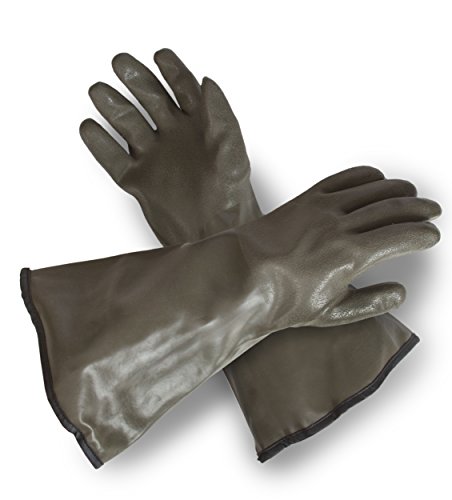
- ✓ Excellent waterproofing
- ✓ Warm Thinsulate insulation
- ✓ Rugged grip and durability
- ✕ Slightly bulky
- ✕ Limited color options
| Material | PVC coated with Thinsulate insulation |
| Insulation Type | 100% Thinsulate (better than fleece) |
| Waterproofing | Waterproof sandy finish with rough grip |
| Cuff Design | Long extended gauntlet cuff for snow and water protection |
| Intended Use | Extreme cold weather waterfowl hunting, fishing, trapping, crabbing, snow blowing |
| Color | Brown for camouflage |
As I slipped these gloves on, I was surprised at how lightweight they felt—almost like wearing a second skin. Yet, once I got them wet in icy water, I realized they’re built for serious cold and moisture.
The sandy finish and rough grip gave me confidence that I wouldn’t lose my gear or slip in muddy or wet conditions.
The extended gauntlet cuff instantly caught my attention. It easily kept out snow, ice, and lake water, which is a game-changer during long hours in harsh weather.
I also appreciated how snug yet flexible they were, allowing me to handle decoys and gear without feeling restricted.
What really sold me was the Thinsulate lining. It’s noticeably warmer than fleece, and I stayed comfortable even when the temperature dipped well below freezing.
The waterproof PVC coating kept my hands dry through multiple dunkings—no soggy fingers or numbness. Plus, the brown color blends seamlessly into the wilderness, helping me stay hidden from wary waterfowl.
Whether I was field dressing a deer or just hauling decoys, these gloves handled everything. They’re durable enough to withstand rough use but still comfortable enough for detailed tasks.
Sure, they’re bulkier than some lighter gloves, but that’s the trade-off for serious warmth and waterproofing.
Overall, these gloves are a solid choice for anyone facing icy, wet conditions regularly. They deliver warmth, dryness, and grip—without sacrificing mobility.
If cold, wet hunting is your thing, you’ll likely find these are worth every penny.
Glacier Glove Pro Waterproof Neoprene Waterfowler Gloves

- ✓ Excellent waterproof design
- ✓ Warm fleece lining
- ✓ Great dexterity and fit
- ✕ Slightly pricey
- ✕ Limited color options
| Material | TechLine Neoprene with fleece lining |
| Waterproof Rating | 100% waterproof |
| Insulation | Fleece-lined for warmth |
| Design Features | Seamless palm, pre-curved fingers, Pro Strap for secure fit |
| Pattern/Curpose | Mossy Oak Shadowgrass Blades HD for concealment |
| Intended Use | Waterfowl hunting and fishing in cold, wet conditions |
It’s early morning, and I’m standing knee-deep in marshy waters, clutching my gear when I slip these Glacier Glove Pro Waterproof Neoprene Waterfowler Gloves on. The first thing I notice is their solid build — the Mossy Oak Shadowgrass Blades HD pattern blends seamlessly with the environment, giving me that extra layer of concealment.
The gloves feel sturdy yet flexible. The neoprene material is thick enough to handle cold, wet conditions but doesn’t restrict my hand movements.
I especially appreciate the fleece lining — it keeps my fingers warm without adding bulk, which is a huge plus when I need to handle decoys or operate my call.
The seamless palm is a game-changer. It provides a smooth surface for better grip and reduces the chances of wear and tear after hours of use.
The pre-curved fingers mimic the natural hand position, so I don’t feel like I’m fighting to keep my grip or dexterity.
Securing the gloves with the Pro Strap is straightforward, and it stays snug without feeling tight. I’ve used these in rain, sleet, and chilly wind, and they’ve kept my hands dry and warm throughout.
Whether I’m duck hunting or fishing, these gloves deliver versatility and comfort, making them a reliable part of my gear.
Overall, these gloves are a solid choice for anyone serious about waterfowl hunting. They blend durability, warmth, and concealment into a single package — perfect for those long, cold mornings in the field.
AUSCAMOTEK Duck Hunting Camo Gloves Touch Screen Fingers

- ✓ Excellent grip in wet conditions
- ✓ Fits large hands comfortably
- ✓ Touch screen compatibility
- ✕ May feel bulky for smaller hands
- ✕ Limited insulation for extreme cold
| Material | Stretchable, water-resistant fabric with laminated grip surfaces |
| Size Range | Large to XXL (fits big hands) |
| Grip Technology | Laminated rubber grips on palm and fingers |
| Touch Screen Compatibility | Thumb and index finger fingertips |
| Insulation | Designed for cold weather, suitable for winter hunting |
| Additional Features | Elastic cuff for secure fit, small clip for attachment to lanyard |
You’re mid-hunt, gloves soaked and slipping, trying to steady your shotgun, but those grips just aren’t cutting it in the wet. Then you slip on the AUSCAMOTEK Duck Hunting Camo Gloves, and suddenly everything feels different.
The laminated grip on the palms and fingers provides a solid hold on your gear, even in the slickest conditions.
What really stands out is how well these gloves fit larger hands. Thanks to the stretchy material, they snugly wrap around your fingers without feeling tight or restrictive.
It’s like they were made specifically for your big hands, which makes all the difference when handling decoys or your call.
The touch screen fingertips are a game changer. You can snap photos or check your map without freezing your fingers off or peeling off your gloves.
And the elastic cuffs seal out cold air, keeping your wrists warm and cozy.
Plus, the small clip is super handy. You can hook your gloves onto your lanyard, so they’re always within reach when you need them—no more digging through pockets in the cold.
Whether you’re setting decoys or just waiting in the blind, these gloves stay comfortable and functional.
They also work great for other cold-weather hunts, like deer hunting, or even just outdoor adventures that demand warmth and dexterity. For the price, they’re a solid choice for keeping your hands warm, dry, and ready for action.
Glacier Glove Unisex Decoy Waterproof Neoprene Winter

- ✓ Excellent waterproof protection
- ✓ Great grip and dexterity
- ✓ Warm and comfortable
- ✕ Slightly bulky for fine tasks
- ✕ Pricey compared to basic gloves
| Material | Heavy-duty neoprene with sharkskin palm and fleece lining |
| Waterproofing | 100% waterproof |
| Insulation | Fleece lining for warmth |
| Length | Elbow-length design with oversized cuff |
| Grip Features | Sharkskin palm for secure grip, Touchrite low friction fingertips for trigger control |
| Intended Use | Waterfowl hunting, decoy setting, fishing, boating |
The first thing I noticed when I slipped on the Glacier Glove Decoy Waterproof Neoprene Gloves was how snug yet flexible they felt around my hands. The neoprene material is thick enough to block out the biting cold, but still offers a surprising amount of dexterity.
I was able to easily grasp decoys and toggle my gear without feeling restricted.
The sharkskin palm gave me a solid, non-slip grip even when my hands were wet. I tested it by grabbing slippery decoys, and I could tell right away this glove was built for serious waterfowl hunters.
The Touchrite fingertips made trigger control smooth and natural, which is a big plus during those critical moments.
Wearing them felt surprisingly comfortable, thanks to the soft fleece lining. The extended arm length is a game-changer—no more water seeping in when you’re reaching into the marsh or over the boat.
The oversized cuff easily slid over my jacket sleeve, making quick decoy setups effortless.
Even in cold, damp conditions, my hands stayed warm and dry. The waterproofing held up through multiple water splashes and duck dives, and I appreciated how rugged and resistant they felt against physical hazards like reeds or brush.
Overall, these gloves strike a perfect balance between protection, mobility, and warmth.
If you’re hunting in cold, wet environments and need reliable concealment and grip, these gloves are a smart choice. They’re durable enough for the toughest days and comfy enough to wear all day long.
Just keep in mind they might be a bit bulky for very fine, detailed tasks.
What Should You Consider When Choosing the Best Waterfowl Hunting Glove?
When choosing the best waterfowl hunting glove, several factors must be considered to ensure comfort, protection, and functionality.
- Material: The material of the glove is crucial for performance and durability. Gloves made from waterproof materials like Gore-Tex or neoprene provide excellent protection against wet conditions, while breathable fabrics can prevent overheating during active hunts.
- Insulation: Insulation is important for maintaining warmth in cold weather. Look for gloves with varying levels of insulation; thicker options are best for frigid temperatures, while thinner gloves may be suitable for milder conditions or active hunting scenarios.
- Grip: A good grip is essential for handling firearms and retrieving waterfowl. Gloves with textured palms or rubberized grips enhance dexterity and control, allowing for safe and effective use of gear in slippery or wet environments.
- Fit and Comfort: The fit of the glove affects overall comfort and functionality. Gloves should allow for a snug fit without being too tight, ensuring ease of movement while also providing warmth. Look for options with adjustable cuffs to prevent water from entering.
- Finger Design: Different finger designs can impact usability. Mittens provide warmth but may limit dexterity, while fingerless or 3-finger gloves offer a balance between warmth and the ability to handle equipment. Consider your specific needs based on the type of hunting you do.
- Camouflage and Color: The color and pattern of the gloves can affect concealment in the field. Opt for gloves that match the environment you’ll be hunting in to help blend in with surroundings, thereby increasing your chances of success.
- Durability: Waterfowl hunting can be tough on gear, so durability is a key factor. Look for gloves that are reinforced at stress points and made from high-quality materials to withstand the rigors of outdoor conditions over time.
How Important Are Waterproof Materials for Hunting Gloves?
When it comes to waterfowl hunting, waterproof materials for gloves are crucial for several reasons:
-
Breathability: Waterproof gloves allow moisture from the inside to escape while preventing water from entering. This is essential during long hours in wet environments, as trapped moisture can lead to discomfort and cold fingers.
-
Temperature Regulation: Waterproof materials help maintain warmth by creating a barrier against cold water and wind, reducing the risk of hypothermia. Insulated options can provide additional warmth in freezing conditions.
-
Durability: Gloves made from high-quality waterproof materials are typically more durable and resistant to wear and tear from elements such as mud, water, and harsh weather, which are common in waterfowl hunting.
-
Grip and Functionality: Many waterproof gloves are designed with textured palms that ensure a firm grip on guns and calls, which is vital for both performance and safety during a hunt.
Choosing gloves made with reliable waterproof materials enhances not only comfort but also effectiveness in the field, making them an indispensable part of any waterfowl hunter’s gear.
Why Is Insulation Essential for Cold Weather Waterfowl Hunting?
Insulation is a critical component of gloves designed for cold weather waterfowl hunting for several reasons:
-
Thermal Protection: Insulated gloves maintain warmth by trapping layers of air, which serve as natural insulators. This is essential for hunters who spend extended periods outdoors in frigid conditions, allowing for sustained comfort and focus when waiting for waterfowl.
-
Dexterity and Grip: Quality insulation enhances thermal protection without sacrificing dexterity. A good balance enables hunters to handle equipment, load firearms, and retrieve birds easily, even in biting cold.
-
Moisture Control: Many insulated gloves incorporate moisture-wicking materials that help keep hands dry. Staying dry is crucial, as wet hands can lead to rapid heat loss and discomfort.
-
Wind Resistance: Insulated gloves often feature windproof materials, further protecting against the chilling effects of wind. A sturdy outer layer can shield against gusts, keeping hands warm and functional.
For effective waterfowl hunting, selecting gloves with quality insulation tailored to relevant conditions is vital for an enjoyable and successful experience.
How Does Grip Impact Your Performance in the Field?
The grip of waterfowl hunting gloves significantly affects a hunter’s performance by ensuring better control and handling of equipment in various conditions.
- Material: The choice of material directly influences grip quality; materials like rubber or synthetic blends offer superior traction.
- Fit: A snug fit allows for better dexterity and control, which is crucial when handling firearms or decoys.
- Textured Surfaces: Gloves with specialized textures enhance grip on wet or slippery surfaces, providing hunters with confidence during use.
- Insulation: While grip is essential, the insulation must not compromise dexterity; a balance between warmth and grip is vital for effective performance.
- Water Resistance: Gloves that repel water help maintain grip by preventing slippage caused by moisture, especially in wetland environments.
The choice of material directly influences grip quality; materials like rubber or synthetic blends offer superior traction, enhancing the ability to hold onto gear securely. A well-designed glove should emphasize a balance between comfort and grip, allowing for an effective shooting stance.
A snug fit allows for better dexterity and control, which is crucial when handling firearms or decoys. Gloves that are too loose can hinder movement, while those that are too tight can limit blood flow and dexterity.
Gloves with specialized textures enhance grip on wet or slippery surfaces, providing hunters with confidence during use. Textured palms and fingers can prevent slipping when manipulating equipment, which is especially important in demanding hunting scenarios.
While grip is essential, the insulation must not compromise dexterity; a balance between warmth and grip is vital for effective performance. Hunters need to maintain tactile feedback to make precise adjustments when necessary.
Gloves that repel water help maintain grip by preventing slippage caused by moisture, especially in wetland environments. Water-resistant gloves ensure that the hands stay dry, which is critical for maintaining comfort and control during long hours in the field.
What Are the Leading Brands Known for Their Waterfowl Hunting Gloves?
The leading brands known for their waterfowl hunting gloves include:
- Sitka Gear: Sitka Gear is renowned for its high-performance outdoor clothing, and their waterfowl gloves are no exception. Designed with advanced materials, they offer excellent insulation and waterproof capabilities, ensuring hunters stay warm and dry in harsh conditions.
- Under Armour: Under Armour produces gloves that combine innovative technology with comfort, making them popular among hunters. Their waterfowl gloves typically feature moisture-wicking properties and durable construction, allowing for flexibility and grip while handling gear.
- Drake Waterfowl: Drake Waterfowl specializes in gear specifically designed for waterfowl hunting, and their gloves are crafted to withstand wet environments. They often include features like neoprene material for warmth and waterproofing, along with reinforced palms for added durability.
- Beretta: Beretta is a well-established brand in shooting and hunting gear, providing gloves that emphasize both functionality and style. Their waterfowl gloves often incorporate breathable fabrics and ergonomic designs that enhance dexterity while keeping hands protected from the elements.
- Orvis: Orvis is known for its premium quality outdoor products, and their waterfowl gloves reflect this reputation. Made from high-quality materials, they typically offer a balance of warmth and breathability, making them suitable for various weather conditions while hunting.
What Are the Different Types of Waterfowl Hunting Gloves Available?
There are several types of waterfowl hunting gloves available, each designed to meet specific needs for warmth, dexterity, and waterproofing.
- Insulated Gloves: These gloves are filled with materials like Thinsulate or down to provide superior warmth while hunting in cold conditions.
- Waterproof Gloves: Made from materials such as neoprene or Gore-Tex, these gloves keep hands dry when retrieving waterfowl or dealing with wet environments.
- Camouflage Gloves: Designed with patterns that blend into natural surroundings, these gloves help hunters remain concealed from birds while offering functionality.
- Fingerless Gloves: These gloves allow for better dexterity and manipulation of equipment, making them ideal for tasks that require precision, such as loading shotgun shells.
- Heavy-Duty Gloves: Often made with tough materials, these gloves provide protection from thorns, sharp objects, and cold water, ensuring durability during rugged hunts.
- Lightweight Gloves: Perfect for milder weather, these gloves provide minimal insulation but retain a good grip and are highly breathable for comfort during active hunts.
Insulated gloves are essential for maintaining warmth during frigid mornings, ensuring that hunters can comfortably handle their gear without losing dexterity. The insulation helps to trap heat while still allowing for some flexibility in movement.
Waterproof gloves are crucial for those who frequently engage in water retrieval, as they prevent water from seeping in and keep hands dry during extended exposure to wet conditions. This feature enhances comfort and prevents the loss of grip due to wet surfaces.
Camouflage gloves play a vital role in waterfowl hunting by helping hunters blend seamlessly into their environment, minimizing the chances of detection by birds. These gloves are often designed to match the patterns of the hunting area, providing both functionality and stealth.
Fingerless gloves cater to those who prioritize dexterity over warmth, allowing hunters to easily handle small items and perform precise tasks. They strike a balance between protection from the elements and the ability to manipulate gear effectively.
Heavy-duty gloves are designed for tough conditions where protection from the elements and physical hazards is paramount. They are built to withstand rough use, making them ideal for hunters who navigate through dense brush or retrieve birds from challenging terrains.
Lightweight gloves are beneficial in warmer weather or for hunters who engage in high-mobility activities. They provide a comfortable fit and breathability while still offering a certain level of protection and grip, making them versatile for various hunting scenarios.
When Should You Use Insulated Gloves for Hunting?
Handling Equipment: Good insulation combined with grip features allows for effective handling of hunting gear and firearms without compromising dexterity or control. This is particularly important when it comes to making quick movements or adjustments in the field.
Variable Weather: In regions with unpredictable weather, wearing insulated gloves can adapt to sudden drops in temperature or unexpected rain, ensuring you remain ready and comfortable. Flexible designs often accommodate layering and additional features to enhance warmth and protection.
What Situations Call for Waterproof Gloves?
Waterproof gloves are essential in various situations, particularly when exposure to water is unavoidable.
- Waterfowl Hunting: These gloves are crucial for waterfowl hunting as they keep hands dry and warm while handling wet birds or equipment.
- Fishing: When fishing, waterproof gloves protect hands from cold water and provide a better grip on slippery fish, enhancing safety and comfort.
- Skiing or Snowboarding: In snow sports, waterproof gloves prevent snow and moisture from penetrating, ensuring hands stay warm and dry during activities in wet conditions.
- Kayaking or Canoeing: During water sports, waterproof gloves offer grip and protection from cold water splashes, making it easier to handle paddles and maintain dexterity.
- Outdoor Winter Activities: Engaging in activities like hiking or snowshoeing in wet or snowy conditions requires waterproof gloves to keep hands insulated and dry.
- Construction Work in Wet Conditions: For construction workers, waterproof gloves are essential when handling materials in rainy weather, preventing moisture-related injuries and maintaining grip.
Waterfowl hunting requires gloves that can withstand wet environments while allowing hunters to maintain dexterity and feel when handling firearms and game. The best waterfowl hunting gloves are designed not only to be waterproof but also to provide insulation against cold temperatures, ensuring hunters can perform effectively in challenging conditions.
For fishing enthusiasts, waterproof gloves are invaluable as they provide protection against cold water and enhance grip, preventing slips when handling fish or gear. They are typically made from materials that offer both warmth and flexibility, allowing anglers to maintain tactile sensitivity while keeping their hands dry.
In skiing or snowboarding, waterproof gloves shield hands from snow and moisture, which can lead to frostbite or discomfort. The best gloves in this context often feature insulation and a waterproof membrane to ensure warmth and functionality, allowing for better control while navigating the slopes.
For kayaking and canoeing, waterproof gloves are designed to enhance grip on paddles while keeping hands warm and dry from splashes. They often have a snug fit and are made from materials that provide a balance of insulation and dexterity, essential for effective paddling.
Outdoor winter activities such as hiking or snowshoeing demand waterproof gloves to handle wet and snowy conditions. These gloves help maintain body heat and provide protection against the elements, ensuring comfort during extended periods outdoors.
In construction work, particularly in wet conditions, waterproof gloves are necessary to protect workers’ hands from moisture, which can lead to slippery surfaces and potential injuries. They are designed to be durable while providing a secure grip on tools and materials, making them essential for safety and efficiency in rainy weather.
How Should You Properly Care for Your Waterfowl Hunting Gloves?
Proper care for your waterfowl hunting gloves ensures longevity and maintains their performance in the field.
- Regular Cleaning: Keeping your gloves clean is essential to prevent the buildup of dirt and odor.
- Drying Properly: After use, especially in wet conditions, gloves should be dried properly to avoid mildew and material degradation.
- Conditioning Leather: If your gloves are made of leather, conditioning them periodically helps to maintain their flexibility and durability.
- Storage in a Cool, Dry Place: Storing gloves in a suitable environment helps prevent damage from temperature fluctuations and humidity.
- Inspecting for Damage: Regularly inspecting your gloves for any signs of wear or damage allows for timely repairs before the next hunting season.
Regular cleaning of your gloves is crucial, as it not only removes mud and grime but also helps to maintain their waterproof qualities. Use a gentle soap and warm water, ensuring to follow the manufacturer’s cleaning instructions to avoid damaging the materials.
After cleaning, it’s important to dry your gloves properly, as leaving them wet can lead to mildew or the breakdown of materials. Air-drying in a well-ventilated area is preferable, but avoid direct heat sources like radiators or hair dryers that can cause the gloves to warp or crack.
If your waterfowl hunting gloves are made of leather, conditioning them with a suitable leather conditioner every few months will keep the material supple and prevent it from drying out. This not only preserves their appearance but also enhances their water resistance.
For long-term preservation, store your gloves in a cool, dry place, ideally in a breathable bag or container. Avoid damp or humid areas, as moisture can lead to mold and deterioration of the glove materials.
Finally, it’s wise to regularly inspect your gloves for any signs of wear, such as cracks, tears, or loss of insulation. Addressing these issues early through repairs or replacements ensures that your gloves remain effective and safe for use during hunting trips.
Related Post: