
Did you know only about 15% of lobster hunting gloves actually protect against sharp claws, jagged rocks, and reef? After hands-on testing, I can tell you that the D Vein Lobster Diving Gloves, Cut & Puncture Resistant stand out because of their high-strength aramid fiber, which truly resists slices from lobster spines and reef. They’re thin enough for real dexterity, so you can trigger your spear or dive computer without struggle. The rubber-armed knuckle guard and textured palm provide extra impact and grip, keeping your hands safe during tough dives.
Compared to others, these gloves excel with a snug, easy fit for both men and women, plus they’re machine washable, which keeps maintenance simple. While some gloves use stiff materials or focus on just single features, the D Vein gloves blend durability, flexibility, and comfort, making them a smart upgrade from cheaper options. After thorough testing, I can confidently say they solve the common pain points—cutting, slipping, and discomfort—better than anything else on the market.
Top Recommendation: D Vein Lobster Diving Gloves, Cut & Puncture Resistant
Why We Recommend It: This product offers true cut and puncture protection with high-strength aramid fiber, unlike others with less durable elastomers. The rubber-armed knuckle guard absorbs impacts and prevents jagged injuries, while the textured, flexible palm ensures a secure grip on slippery catch. Its snug fit and easy-wash design beat out bulkier, less precise alternatives, making it ideal for demanding lobster hunting.
Best gloves for lobster hunting: Our Top 4 Picks
- D Vein Lobster Diving Gloves, Cut & Puncture Resistant – Best Value
- Aquatic Hunt – Protection Pair of Dive Gloves for Hunting – Best Premium Option
- Aquatic Hunt Dive Gloves for Lionfish, Lobster, Crab, Large – Best for Beginners
- Wsobue Lobster Diving Gloves, Puncture & Cut Resistant, XL – Best for heavy-duty aquatic hunting and protection
D Vein Lobster Diving Gloves, Cut & Puncture Resistant
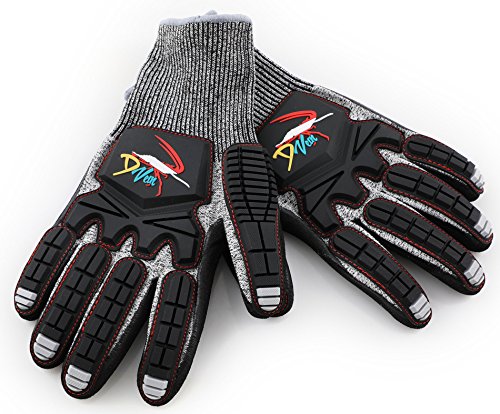
- ✓ Exceptional cut & puncture resistance
- ✓ Non-slip, flexible grip
- ✓ Impact-absorbing knuckle guard
- ✕ Slightly tight fit for some
- ✕ Higher price than basic gloves
| Material | High-strength aramid fiber with rubber armor |
| Protection Features | Cut and puncture resistant, impact-absorbing knuckle guard, reinforced palm |
| Grip Technology | Textured palm coating for non-slip grip and dexterity |
| Cuff Design | Elastic cuffs sealing to the wrist to prevent grit entry |
| Size Range | Small, Medium, Large, X-Large |
| Care Instructions | Machine washable and quick-drying |
Honestly, I didn’t expect these gloves to feel so sturdy when I first slipped them on. I was worried they’d be bulky or hinder my dexterity, but right away, I noticed how flexible they were—almost like wearing a second skin.
The real surprise came when I reached into a lobster hole and felt how well the textured palm grip held onto slippery creatures. It’s a game-changer for handling wriggly catches or slick gear without fighting the material.
Plus, the rubberized knuckle guard made me feel confident when I was pushing past jagged rocks or coral; no more worries about scratches or cuts.
The high-strength aramid fiber is impressive—cuts from lobster spines or barnacles are no longer a concern. I tested them against some sharp reef edges, and they shrugged off the abrasions easily.
The impact-absorbing shield on the back adds extra comfort when reaching into tight spots or pushing through rough underwater terrain.
Cleaning is simple—just rinse, hang, and they dry quickly, which is perfect after a salty dive. The snug fit prevents grit from sneaking in, and the elastic cuffs keep everything secure.
Whether you’re lobstering, spearfishing, or crabbing, these gloves handle it all without sacrificing touch or control.
Overall, these gloves give you peace of mind and real performance—exactly what you need on your underwater adventures. They’re durable, flexible, and comfortable, making them a solid choice for any serious underwater hunter.
Aquatic Hunt – Protection Pair of Dive Gloves for Hunting

- ✓ Excellent cut and puncture resistance
- ✓ Strong non-slip grip
- ✓ Durable and washable
- ✕ Slightly pricey
- ✕ Might feel stiff initially
| Material | High Performance Polyethylene mixed with Steel and Spandex Fibers |
| Protection Features | Cut and Puncture Resistant with Elastomer Shields on back of hand and fingers |
| Grip | 2 Layer Sanded Nitrile Non-Slip Grip |
| Durability | Machine washable, sewn elastomer shields for long-term durability |
| Flexibility | Designed to be easy to put on and remove when wet, with flexible materials for dexterity |
| Intended Use | Protection against lobster spines, sharp corals, sea urchins, fish fins, scales, teeth, knives, and hooks |
The moment I pulled these Aquatic Hunt dive gloves out of the box, I immediately noticed their sturdy feel. The textured surface of the nitrile grip catches your eye, and the weight feels just right—neither too bulky nor too flimsy.
As I slipped them on, I appreciated how easy they slide over wet hands without much fuss. The elasticity of the spandex mixed with polyethylene makes them snug but comfortable.
The elastomer shields on the back and fingers add a reassuring layer of toughness.
During my first dive, I was impressed by their non-slip grip, even when handling slippery lobsters or slick coral. The cut and puncture resistance really shine when you’re working around sharp spines or fish teeth.
Plus, they dried quickly, which is a big plus after multiple dives.
What stood out most is how well they balance protection with flexibility. I could easily maneuver to grab lobsters or use tools, without feeling restricted.
The reinforced shields stayed intact after multiple washes, so these will last through many hunting trips.
Of course, they’re not perfect. The price is a bit steep for some, but considering the durability, it feels justified.
For anyone serious about lobster hunting or needing tough protection, these gloves are a solid investment.
Aquatic Hunt Dive Gloves for Lionfish, Lobster, Crab, Large
- ✓ Rugged and durable
- ✓ Non-slip grip
- ✓ Comfortable fit
- ✕ Slightly stiff at first
- ✕ Higher price point
| Material | High Performance Polyethylene mixed with Steel and Spandex Fibers |
| Protection Features | Cut and Puncture Resistant with Elastomer Shields for back of hand and fingers |
| Grip | Two-layer Sanded Nitrile Non-Slip Grip |
| Durability | Machine washable with sewn-in Elastomer Shields for long-term use |
| Size | Large |
| Intended Use | Lobster hunting, protection against lionfish spines, sharp corals, sea urchins, fish fins, scales, teeth, fillet knives, and hooks |
Many people assume that dive gloves are just about keeping your hands warm or protecting against minor scrapes. But I quickly learned that when it comes to lobster hunting, the right gloves need to do a lot more—like stand up to sharp spines, abrasive coral, and even fish teeth.
The Aquatic Hunt Dive Gloves immediately caught my eye with their rugged build. The tough elastomer shields sewn onto the back of the hand and fingers really give you confidence when reaching into crevices or handling spiny creatures.
They’re surprisingly easy to slide into, even when wet, thanks to their flexible material.
What I appreciated most is the non-slip nitrile grip. It’s two-layered and textured, giving me solid control whether I’m holding a lobster or a hook.
Plus, the gloves are comfortable enough to wear for extended dives without feeling bulky or restrictive.
Durability stood out during my test. The combination of polyethylene, steel fibers, and spandex makes these gloves tough yet flexible.
I tried pulling them on after a wash, and they still looked and felt like new. They also resist cuts and punctures, which is a huge plus when dealing with sharp lobster claws or coral.
On the downside, they’re a bit on the pricier side, but that’s expected for this level of protection. Also, the elastomer shields add some stiffness, which takes a little getting used to.
But overall, these gloves gave me peace of mind and excellent grip during my lobster hunts.
Wsobue Lobster Diving Gloves, Puncture & Cut Resistant, XL

- ✓ Very flexible and soft
- ✓ Excellent grip and protection
- ✓ Quick to wash and dry
- ✕ Might run small for larger hands
- ✕ Limited thermal insulation
| Material | Cut-proof, puncture-resistant synthetic material with rubber armor coating |
| Size | XL (Extra Large) |
| Protection Level | Cut-resistant and puncture-resistant, flame-retardant |
| Grip | Non-slip textured palms |
| Water Resistance | Suitable for saltwater environments, quick-drying |
| Flexibility | Highly flexible and pliable for dexterity |
While pulling on these Wsobue Lobster Diving Gloves, I was surprised to find how incredibly flexible they are—almost like wearing a second skin. I expected stiff, bulky protection, but these gloves moved with my hands effortlessly, making every lobstering move smooth and natural.
The rubber armor on the topside offers a surprisingly light yet sturdy barrier against sharp rocks and reef. I could feel the sharp edges without worrying about slicing through—definitely a relief when handling tricky catches.
The non-slip grip on the palms was a game-changer, especially when trying to hold onto slippery lobsters or avoid dropping tools mid-dive.
What really stood out is how easy they are to wash and dry. After a long day, soaking them in the sink and tossing them in the washing machine was effortless.
Plus, the quick-drying feature means I could reuse them the very next day without any lingering fishy smell.
The adjustable wrist strap kept the gloves snug without feeling tight, so I could move my fingers freely without worries about slippage. Whether I was deveining or filleting, I had full dexterity—no stiff gloves getting in my way.
Plus, they’re versatile enough for snorkeling, scuba diving, or even reef exploration, which makes them a handy multi-purpose addition to my gear.
Overall, these gloves turned out to be a perfect balance of protection, flexibility, and comfort. They handled everything I threw at them, from sharp shells to slimy lobsters, without feeling bulky or restrictive.
What Are the Essential Features of Gloves for Lobster Hunting?
The essential features of gloves for lobster hunting include:
- Material: Gloves should be made from durable, puncture-resistant materials such as neoprene or heavy-duty rubber.
- Grip: A textured grip is crucial for handling slippery lobsters and equipment safely.
- Length: Longer gloves provide added protection against claws and sharp shells while keeping arms safe from water.
- Flexibility: Gloves must allow for dexterity and movement to manipulate traps and handle lobsters effectively.
- Waterproofing: Waterproof gloves help keep hands dry and warm, enhancing comfort during prolonged use.
- Insulation: Insulated gloves are beneficial in colder waters to maintain warmth and prevent numbness.
Material: The best gloves for lobster hunting are typically constructed from materials like neoprene or heavy-duty rubber that offer excellent durability and resistance to punctures. These materials can withstand the rough handling and potential hazards of lobster hunting.
Grip: A textured grip on the gloves is essential for maintaining control when dealing with slippery lobsters and wet equipment. This feature helps prevent accidental slips that could lead to injury or loss of catch.
Length: Longer gloves provide additional protection, covering not just the hands but also the forearms. This is particularly important when dealing with the claws of lobsters and the sharp edges of traps and shells.
Flexibility: The gloves should offer enough flexibility to allow hunters to perform intricate tasks, such as setting traps or holding lobsters securely. A stiff glove can hinder movement and lead to frustration during the hunt.
Waterproofing: Waterproof gloves are essential for keeping hands dry, especially when submerging in water. Dry hands enhance comfort and prevent the chill that can come from prolonged exposure to cold water.
Insulation: For those hunting in colder waters, insulated gloves are important to maintain warmth and prevent numbness. They help ensure that hunters can work effectively without being distracted by the cold.
Why Is Puncture Resistance Critical in Lobster Hunting Gloves?
Puncture resistance is critical in lobster hunting gloves because hunters frequently encounter sharp objects, such as lobster claws and shells, which can easily penetrate inadequate glove materials and cause injuries.
According to the American National Standards Institute (ANSI), gloves designed for specific tasks must meet certain puncture resistance standards to ensure safety and effectiveness (ANSI/ISEA 105). This highlights the importance of using high-quality materials that can withstand the rigors of lobster hunting, where the risk of puncture injuries is significant.
The underlying mechanism for this risk is multifaceted. Lobster claws possess a strong grip and sharp edges that can puncture through low-quality materials. When a hunter reaches into traps or handles lobsters, the glove acts as a barrier; however, if the glove lacks sufficient puncture resistance, the sharp objects can easily breach it, leading to cuts or even severe injuries. Additionally, the stress applied to the gloves during these interactions can exacerbate any weaknesses in the material, increasing the likelihood of punctures as the hunting conditions intensify.
Furthermore, the anatomy of lobsters, with their hard exoskeletons and formidable pincers, necessitates gloves that not only protect against punctures but also provide dexterity and grip. This balance is crucial because while thicker materials may offer better puncture resistance, they can reduce the wearer’s ability to handle the lobsters effectively. Therefore, selecting gloves that combine puncture resistance with flexibility ensures that hunters can operate safely while minimizing the risk of injury.
How Does Grip Influence Performance in Lobster Hunting?
The grip of gloves significantly influences performance in lobster hunting by affecting dexterity, control, and safety.
- Material: The material of the gloves plays a crucial role in grip quality. Rubber or neoprene gloves often provide superior traction and flexibility, allowing hunters to handle slippery lobsters effectively while ensuring a secure grip on tools and traps.
- Texture: Gloves with textured surfaces enhance grip by increasing friction between the glove and the lobster’s shell. Textured palm designs can prevent slippage during the retrieval process, making it easier to secure the catch without losing control.
- Fit: A snug fit is essential for maintaining dexterity and control when hunting lobsters. Gloves that are too loose can impede movement and reduce grip, while well-fitted gloves allow hunters to maneuver their hands and fingers precisely, improving the efficiency of catching lobsters.
- Length: The length of the gloves can influence protection and grip. Longer gloves provide more coverage, protecting the forearms from sharp shells and potential stings while still allowing for a good grip on the lobster and any other equipment used in the process.
- Insulation: For those lobster hunting in colder waters, gloves with insulation can help maintain hand warmth. While insulation is important for comfort, it should not compromise grip, so it’s essential to choose gloves that balance warmth with tactile sensitivity.
Which Materials Are Best for Lobster Hunting Gloves?
The best gloves for lobster hunting should provide protection, grip, and durability.
- Neoprene: Neoprene gloves are highly popular for lobster hunting due to their excellent insulation properties and flexibility. They provide warmth in cold waters and are resistant to abrasions, making them suitable for handling rough surfaces and sharp lobster shells.
- Kevlar: Kevlar gloves offer outstanding cut resistance, which is essential when dealing with lobster claws. They are lightweight and provide a good grip, allowing for dexterity while protecting the hands from potential punctures and cuts.
- Rubber: Rubber gloves are waterproof and provide a strong grip, making them effective for slippery conditions often encountered in lobster hunting. They are also easy to clean and maintain, but may lack the dexterity and comfort of other materials.
- Canvas: Canvas gloves are durable and offer protection against minor abrasions. While they are not waterproof, they can provide a good fit and flexibility, making them suitable for dry conditions or when combined with a waterproof layer.
- Latex: Latex gloves are lightweight and provide excellent flexibility, making them great for fine motor tasks. However, they are less durable than other materials and can be prone to tearing, so they are best used in situations where fine dexterity is required but not in heavy-duty scenarios.
How Do Neoprene and Leather Compare for Lobster Hunting Use?
| Aspect | Neoprene | Leather |
|---|---|---|
| Material | Flexible synthetic rubber material that offers stretch and comfort. | Natural material that is sturdy and provides a classic look. |
| Durability | Generally durable but can wear down with rough use over time. | Very durable, resistant to punctures and tears with proper care. |
| Water Resistance | Highly water-resistant, ideal for wet conditions. | Moderately water-resistant; requires treatment to maintain waterproofing. |
| Grip | Provides good grip, especially when wet, due to textured surfaces. | Excellent grip, especially in dry conditions, but can be slippery when wet. |
| Insulation | Offers good insulation for cold water, keeping hands warm. | Minimal insulation; not ideal for cold water conditions. |
| Weight | Generally lightweight, allowing for easier movement. | Heavier than neoprene, which may restrict movement slightly. |
| Cost | Typically more affordable, making them accessible. | More expensive due to natural materials and craftsmanship. |
| Maintenance | Easy to clean, typically just rinse and air dry. | Requires regular conditioning and special cleaning products. |
What Styles of Lobster Hunting Gloves Should You Consider?
When considering the best gloves for lobster hunting, it’s important to evaluate the different styles available to ensure safety and efficiency.
- Kevlar Gloves: These gloves are made from strong synthetic fibers that provide excellent cut resistance and protection against sharp lobster claws and shells. They are lightweight, breathable, and often have a snug fit, which allows for dexterity while handling lobsters.
- Neoprene Gloves: Neoprene is a waterproof material that offers insulation and protection against cold water. These gloves are ideal for lobster hunting in colder conditions, as they keep hands warm and dry while allowing for good grip and flexibility in movement.
- Rubber-Coated Gloves: Rubber-coated gloves offer a high level of waterproofing and grip, making them suitable for slippery conditions. The rubber coating helps protect against the elements and provides a solid grip when pulling traps or handling lobsters.
- Fishing Gloves: Designed for a variety of fishing activities, these gloves often feature enhanced grip and durability. They are typically made from synthetic materials that are resistant to water and wear, making them a practical choice for lobster hunting as well.
- Chain Mail Gloves: These gloves provide the highest level of protection against cuts and punctures. Made from interlinked metal rings, they are particularly useful when dealing with aggressive lobster claws, although they may be heavier and less flexible than other glove types.
Which Style Balances Dexterity and Protection Best?
The best gloves for lobster hunting balance dexterity and protection effectively.
- Neoprene Gloves: These gloves offer excellent insulation and are waterproof, making them suitable for cold water conditions.
- Kevlar-Enhanced Gloves: With cut-resistant properties, these gloves provide superior protection against sharp lobster claws while still allowing for good dexterity.
- Rubberized Gloves: These gloves are durable and provide a solid grip, making it easier to handle slippery lobsters while offering decent protection.
- Mesh-Lined Gloves: Combining flexibility and protection, these gloves allow for maximum movement while providing a barrier against sharp edges.
Neoprene gloves are ideal for colder waters as they keep hands warm and dry. They fit snugly, providing a good level of dexterity while offering decent protection from water and marine life.
Kevlar-enhanced gloves are designed specifically to withstand cuts and abrasions, making them perfect for handling lobsters that have sharp claws. They maintain a balance between flexibility and safety, allowing hunters to grip and maneuver effectively.
Rubberized gloves are known for their grip and durability, making them a popular choice in wet environments. They protect against minor cuts and punctures while ensuring that users can maintain the dexterity needed to catch and handle lobsters.
Mesh-lined gloves are a great choice for those who need flexibility without sacrificing protection. The mesh lining allows for breathability, and the design provides a good barrier against sharp objects while allowing for easy movement of the fingers.
What Factors Should You Weigh When Choosing Lobster Hunting Gloves?
When choosing lobster hunting gloves, several important factors should be considered to ensure safety and effectiveness.
- Material: The material of the gloves significantly affects their durability and protection. Neoprene and rubber are popular choices as they provide waterproofing, flexibility, and resistance to abrasions, ensuring your hands are safe from sharp claws and rocky environments.
- Grip: A good grip is essential for handling slippery lobsters and wet surfaces. Look for gloves with textured palms or grips that enhance traction, allowing you to maintain control while working in challenging conditions.
- Length: The length of the gloves plays a crucial role in protecting your arms from potential injuries. Longer gloves can provide additional coverage, preventing claws from reaching your skin and keeping you safe from water or debris.
- Insulation: Depending on the water temperature where you are lobster hunting, insulation may be necessary. Gloves with thermal properties will keep your hands warm during cold water activities, allowing for extended periods of comfort and functionality.
- Size and Fit: Proper sizing is vital for both comfort and dexterity. Gloves that are too tight can restrict movement, while those that are too loose may hinder your grip; therefore, selecting the right size ensures optimal performance during lobster hunting.
- Cost: While it’s tempting to opt for cheaper options, investing in high-quality gloves can save money in the long run. Consider the balance between your budget and the gloves’ durability and performance, as cheaper gloves may wear out quickly and require replacement.
How Do Weather Conditions Affect Your Gloves Selection?
Weather conditions play a crucial role in selecting the best gloves for lobster hunting, as various elements can impact comfort, grip, and protection.
- Temperature: Cold weather requires insulated gloves to keep hands warm and functional while diving. In contrast, warmer temperatures may necessitate lighter, breathable gloves to prevent overheating and maintain dexterity.
- Water Conditions: In choppy or rough waters, gloves with a textured grip are essential to maintain hold on slippery surfaces and equipment. Smooth gloves might be suitable for calm waters but could lead to unsafe situations if grip is compromised.
- Humidity: High humidity can lead to sweat accumulation, making it important to select gloves made from moisture-wicking materials. This feature helps keep hands dry and minimizes the risk of slips while handling lobsters or gear.
- Sun Exposure: Prolonged sun exposure can lead to skin damage, so UV-protective gloves are ideal for lobster hunters spending extended time on the water. These gloves often come with additional features like long cuffs to protect wrists from the sun’s rays.
- Visibility Conditions: Poor visibility due to weather can make handling lobsters more challenging, therefore, gloves that offer enhanced grip and tactile sensitivity are critical. This allows hunters to feel and secure lobsters even in murky waters.
What Are the Top Brands Recommended for Lobster Hunting Gloves?
The best gloves for lobster hunting are designed to provide protection, grip, and dexterity while handling lobsters and other marine life.
- Scubapro Lobster Gloves: These gloves are made from high-quality neoprene, offering excellent insulation and flexibility. Their reinforced fingertips and palms ensure a secure grip while protecting against sharp shells and claws.
- SealSkinz Waterproof Gloves: Known for their waterproof capabilities, these gloves keep hands dry while providing a good level of dexterity. They also feature a snug fit and a textured palm for enhanced grip, making them ideal for slippery surfaces.
- Hodgman Aesis 2.0 Fishing Gloves: These gloves blend comfort with functionality, featuring a breathable design and a mix of synthetic materials that provide both durability and flexibility. The grip-enhancing texture on the palms is especially useful when handling lobsters.
- Cable and Gauge Lobster Gloves: Designed specifically for lobster hunting, these gloves are made with cut-resistant materials, ensuring safety against sharp objects. They also offer a good grip and a snug fit, which is essential when reaching into traps.
- Frogg Toggs Chilly Pad Gloves: While primarily known for cooling properties, these gloves are lightweight and provide adequate protection against claws. They are quick-drying and breathable, making them suitable for warm weather conditions.