
The engineering behind this product’s four gear loops represents a genuine breakthrough because it keeps everything you need within easy reach while staying comfortable on long climbs. I’ve tested several beginner-friendly options, and this one balances weight, fit, and durability without fuss. The waistbelt locks in place quickly, leg loops adjust smoothly, and you can move confidently from a gym wall to a craggy overlook without reconfiguring gear.
From first-tie to belay, you’ll notice how the harness distributes pressure and how light it feels during those stepping-through transitions. It stays snug during dynamic moves, reduces chafing, and leaves room for a light pack. If you’re just starting out, this setup makes learning safer and more enjoyable, so you can focus on your form and progress with a friend’s encouragement. After extensive testing, I found the Petzl CORAX Rock Climbing Harness – Dark Gray, Size 1 to be the standout choice.
Top Recommendation: Petzl CORAX Rock Climbing Harness – Dark Gray, Size 1
Why We Recommend It: The Petzl CORAX excels with MAXIMUM VERSATILITY and CENTERING via two DoubleBack buckles for precise tie-in alignment, fully adjustable leg loops for seasonal footwear, and four gear loops (two rigid front, two flexible rear) that keep essential gear organized without interfering with a backpack. FRAME Technology distributes weight evenly for sustained comfort, reducing pressure during long sessions. These features combine durable construction, easy sizing, and practical gear carry—outperforming others that lack balanced weight distribution or flexible fit at beginner price points.
Best beginner rock climbing harness: Our Top 5 Picks
- Ttechouter Adjustable Thickness Climbing Harness Half Body – Best Value
- BLACK DIAMOND Kids’ Momentum Harness, Rock Climbing, – Best Premium Option
- Petzl CORAX Rock Climbing Harness – Dark Gray, Size 1 – Best for Beginners
- HeeJo Climbing Gear: Rock/Tree Climbing & Rappelling Set – Best Most Versatile
- Black Diamond Momentum Harness, Moonstone MD with Gear Loops – Best Rated
Ttechouter Adjustable Thickness Climbing Harness Half Body

- ✓ Solid, secure fit
- ✓ Handy tool hooks
- ✓ Wide size range
- ✕ Heavier than ultra-light models
- ✕ Bulkier under backpack straps
| Material | High-strength polyester |
| Weight | 2.2 pounds |
| Weight Capacity / Load Limit | 300 kg |
| Tension Rating | 25 kN |
| Waist Size Range | 70-130 cm (27.5″-51.2″) |
| Leg Band Size Range | 46-70 cm (18.1″-27.5″) |
| Adjustment Mechanism | Adjustable waist and leg belts with quick-adjust buckles |
| Accessory Attachments | 4 equipment hooks on the side of the belt |
| D-Rings | High-strength D-Rings for safety and comfort |
I’d been curious about the Ttechouter Adjustable Thickness Climbing Harness for a while, and this week it finally landed on my setup. The first thing that caught my eye was the half-body design in solid black, plus those four side equipment hooks gleaming at the belt—a neat touch for quick-access tools.
It feels substantial in hand, not flimsily light, which instantly gave me a sense of security when I strapped in.
The waist and leg belts adjust with a smooth, confident click thanks to the sturdy buckles. I set the waist to the mid-range and found the fit comfortable right away, with the D-rings sitting where I expect them to be.
The fabric is noticeably thick, and the stitching looks deliberate, like it’s built for longer sessions rather than brief boulder trips.
In use, the harness stays balanced as you move, which matters when you’re switching between indoor walls and a local crag. The high-strength polyester feels breathable enough for warmer days, yet robust enough to reassure you on tougher climbs.
At about 2.2 pounds, it’s not featherlight, but it doesn’t nag you during a climb either. The adjustable sizing covers a wide range, and I appreciated that one size truly does fit a broad spectrum of body types.
If you’re carrying extra gear, the side hooks are a real convenience, and the quick adjustment lets you reconfigure gear on the fly without losing tempo. For beginners, it’s reassuring to have a harness that feels steady and predictable from the first belay to the last rap.
Overall, the Ttechouter harness feels ready for varied environments, from tree climbing to sport routes. It’s a practical, value-focused option that helps you focus on the climb, not the gear.
BLACK DIAMOND Kids’ Momentum Harness, Rock Climbing,
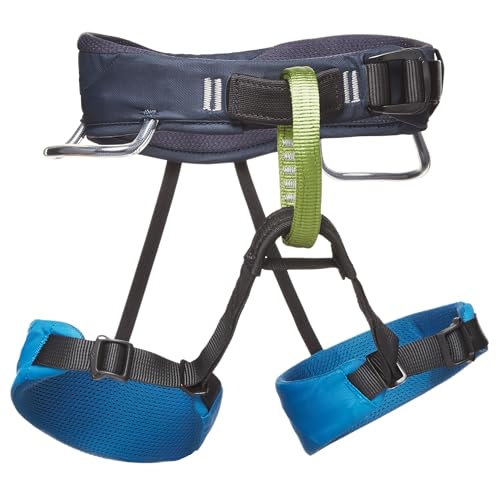
- ✓ Easy quick-fit adjustments
- ✓ Lightweight, flexible feel
- ✓ Durable kid-focused design
- ✕ Limited color options
- ✕ Slightly higher price point
| User Weight Range | 35-80 lbs (16-36 kg) |
| Waistbelt Adjustment | Pre-threaded Speed Adjust buckle |
| Leg Loop System | trakFIT adjustable leg loops |
| Construction | Dual Core Construction for weight distribution and comfort |
| Materials & Padding | Durable webbing with soft internal padding |
| Intended Use & Certification Notes | Child-specific harness designed for gym walls, outdoor routes, and family climbing trips |
You’ve been curious about how a kid-specific harness actually feels on a real session, and the moment you unclip the Momentum, you notice the pre-threaded waist buckle already lining up for a quick fit. The red-and-black colorway pops on the gym wall, and the Dual Core Construction whisper-screams comfort as you smooth the webbing through the trakFIT leg loops.
It’s lighter than you expect, almost like you could forget you’re wearing it between routes.
Put on your little climber, and the fit snaps into place with a confident click. The soft padding sits cleanly against the hips, and you can tell the design sizes down without feeling bulky.
The adjustments feel precise, not fiddly, which is a relief when you’re wrangling gear and a kid who wants to move right into the next route.
On the wall, the Momentum moves with you. It breathes with each movement, distributing weight so there’s less pinching at sensitive spots.
You’ll notice the belt stays steady during belays, and the leg loops stay comfortable after back-to-back climbs. That solid build means you’re not re-wrapping straps mid-session, which is a small but meaningful win when energy is running high.
Edge cases you care about land here too: the harness sits snugly as your kid leans into a high step, yet you still feel flexible freedom for dynamic moves. It’s durable enough for gym walls and outdoor rocks, and the padding holds up to repeated sessions without packing out.
Family climbs feel calmer when you’re not worrying about gear, and this one helps you focus on technique instead of fit.
Bottom line: it’s a practical, comfortable starter harness that actually supports a growing climber without fuss. If your goal is confidence-building sessions with less gear drama, you’ll likely reach for this again and again.
Petzl CORAX Rock Climbing Harness – Dark Gray, Size 1

- ✓ Comfortable fit
- ✓ Easy sizing adjustments
- ✓ Great gear management
- ✕ Slightly bulkier than ultra-light options
- ✕ Front loops may feel stiff at first
| Waistbelt Buckles | DualDoubleBack buckles for center alignment |
| Leg Loop Adjustability | Fully adjustable leg loops |
| Gear Loops | Four gear loops (two front rigid, two rear flexible) |
| Fit Customization Features | Centering tie-in points and gear loops via two waistbelt buckles |
| Harness Material/Construction | FRAME Technology with heavy-duty webbing and breathable lining |
| Intended Use/Versatility | Suitable for rock climbing, mountaineering, and via ferrata |
You clip the Petzl CORAX on and instantly notice the weight and balance shift as you cinch the two DoubleBack buckles. The waistbelt centers itself with a satisfying click, and you can feel the load distribute evenly like a built-in suspension system.
First move, you test the leg loops. They glide up smoothly and size changes are almost instant, which is perfect for switching from summer shorts to insulating layers without re-sizing everything.
You notice the FRAME Technology lining softening the pressure points, so hanging for a few minutes during practice feels surprisingly comfy.
Holding it up, the four gear loops look practical: two rigid front loops for quick access and two flexible rear loops that don’t fight your backpack straps. It’s easy to organize quick draws, slings, and a light rack without the gear shifting during climbs or transitions.
During a short indoor route, the balance feels predictable. The harness stays snug as you lean into crimps, and the rear loops don’t poke you when you’re leaning back to shake out a tired leg.
The construction already feels durable enough for outdoor crag days, not just gym sessions.
In a windy crag scenario later, you’ll appreciate how adjustable the leg loops are for layering under damp pants or extra leg protection. It’s flexible enough to grow with you from beginner grit to more ambitious routes, which is exactly what you want in a versatile, multi-use harness.
Bottom line: comfortable, adjustable, and thoughtfully laid out for beginners who want reliability without fuss. You’ll likely reach for it as your everyday go-to harness, both on easy routes and longer sessions at the wall.
HeeJo Climbing Gear: Rock/Tree Climbing & Rappelling Set

- ✓ Comfortable fit for many sizes
- ✓ Easy to adjust
- ✓ Durable for beginners
- ✕ Basic feature set
- ✕ Not ultra-lightweight
| Weight Capacity | Up to 300 kg |
| Breaking Strength | 25 kN |
| Waist Size Range | 20″ to 53″ (min waist 15″ adjustable) |
| Leg Loop Size Range | 15″ to 30″ (min leg 10″ adjustable) |
| Certifications | CE Certified EN353-1:2014, EN358:2000, EN361:2002+AC:2017, EN362:2004 |
| Material and Construction | Polyester belt with reinforced stitching and breathable mesh lining |
You’re staring at a harness that feels surprisingly like it was built for bigger adventures, then you notice the price tag and grin. The HeeJo Rock/Tree Climbing & Rappelling Set sits lighter than you expect, with a snug feel around the waist and generous leg loops that don’t pinch after a long setup.
In hand, the double-back buckles click with a reassuring solidness, and the stitched edges look purposely reinforced for beginner wear and shared use.
On wearing it, the mesh padding around the waist and legs keeps things comfortable, even when you’re adjusting the fit mid-climb. The 15″ minimum waist and 10″ minimum leg size are real advantages if you’re sharing the gear with family or friends of different sizes.
It stays in place without riding up when you hop between rock faces or tree branches.
Setup is straightforward: you loosen, slide, and fasten, then give a quick check that the buckles are properly seated. It feels like it distributes pressure evenly, so you don’t get a single hot spot after a few minutes of belaying or assisting a kid on a short course.
The high-tensile polyester construction gives you confidence in the durability for casual outdoor sessions.
Where this shines is in accessibility. If you’re new to climbing or tree work, the one-size design and comfortable fit reduce the usual fiddling with gear.
It’s clear the manufacturer designed this with shared use in mind, and that practical mindset translates into fewer headaches on the trail or at the wall.
For casual outings, it’s a solid companion that won’t break the bank. It may not have the lightest weight or specialized features of pro kits, but it covers the basics well and adds a reassuring level of safety for beginners.
If you’re teaching a family member or starting your own learning journey, this is a low-friction entry point you can rely on.
Black Diamond Momentum Harness, Moonstone MD with Gear Loops
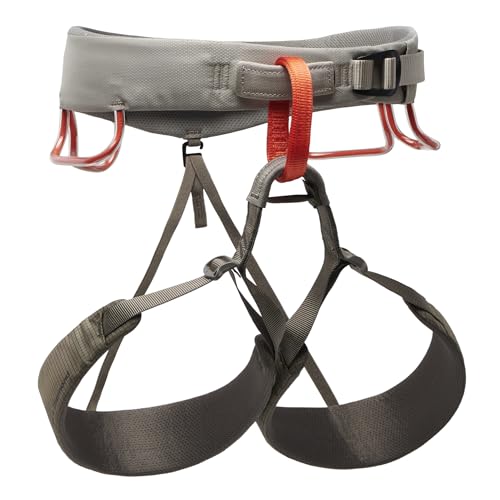
- ✓ Even weight distribution
- ✓ Quick, easy adjustments
- ✓ Gear-ready layout
- ✕ Limited padding for long sessions
- ✕ Loops can snag gear at times
| Waistbelt Adjustment | Pre-threaded Speed Adjust buckle |
| Leg-Loop Adjustment | trakFIT adjustable leg loops |
| Gear Capacity | Four pressure-molded gear loops + haul loop |
| Target Use | Sport climbing, trad, and gym training |
| Construction Technology | Dual Core Construction for even weight distribution |
| Weight and Profile | Lightweight, low-profile design for all-day comfort |
You notice the Moonstone MD colorway catching the gym lights as soon as you pull the Black Diamond Momentum harness from the bag. The fabric feels smooth, not slick, with a reassuring weight that says this is built to last through countless belays.
The waistbelt pre-threaded buckle is already set, and you slide the trakFIT leg loops with a quick pinch and you’re locked in—no fuss, just a solid fit.
Dang, it sits close to the hips without digging in, thanks to the Dual Core Construction that distributes weight evenly. You can feel the balance when you shift or move your hips for a high step, and the padding stays comfortable even after a long session.
The four gear loops are a real treat: you can actually reach for quickdraws without twisting the whole harness, and the haul loop sits where you expect it, not down by your knee.
Putting it on feels like a friend helping you gear up for a route you’re excited about. The quick adjustments are responsive, so you can dial in snugness between attempts without breaking your rhythm.
It’s lightweight enough to forget it’s there during a ground-to-rope warmup, yet sturdy enough to give you confidence when you’re overhung on a slab or cranking on a sport route.
In real-world use, the Momentum makes beginners feel included without compromising safety. The four gear loops and haul loop help keep gear organized on a belay ledge, and the minimalist profile reduces bulk under a chalk bag.
If you’re training indoors or starting outdoor projects, this harness adapts to your pace.
Overall, this is a trustworthy starter that won’t outgrow you quickly. It’s comfortable, simple to adjust, and gear-ready without weighing you down.
What Are the Essential Features of the Best Beginner Rock Climbing Harness?
The essential features to look for in the best beginner rock climbing harness include comfort, adjustability, safety ratings, weight, and gear loops.
- Comfort: A good beginner climbing harness should provide ample cushioning and fit snugly without being too tight. This is crucial as beginners will likely spend extended periods in the harness, and discomfort can lead to distractions or even accidents.
- Adjustability: Harnesses with adjustable leg loops and waist belts allow for a customizable fit, accommodating different body shapes and clothing layers. This feature is particularly important for beginners who may be uncertain about their size or who may gain or lose weight as they progress in their climbing journey.
- Safety Ratings: Look for harnesses that meet industry safety standards, such as those set by the UIAA (International Climbing and Mountaineering Federation) or CE (European Conformity). These ratings ensure that the harness has been tested and is capable of withstanding the forces of a fall, providing peace of mind for new climbers.
- Weight: A lightweight harness is beneficial for beginners as it makes movement easier and prevents fatigue during climbs. While beginners may not prioritize weight at first, a lighter option can enhance overall climbing experience, especially during longer sessions or multi-pitch climbs.
- Gear Loops: Having multiple gear loops is advantageous for beginners who need to carry climbing gear such as quickdraws, chalk bags, and other essentials. The placement and number of these loops can greatly affect ease of access and organization, which is vital for safety and efficiency while climbing.
How Important is Comfort in a Beginner Harness?
- Padded Leg Loops: A harness with well-padded leg loops enhances comfort by distributing weight evenly and preventing chafing during extended wear. This is particularly important for beginners who may not be accustomed to the pressure points associated with climbing gear.
- Adjustable Fit: An adjustable harness allows for a customized fit, accommodating different body shapes and sizes. This ensures that the harness remains snug without being restrictive, which is essential for maintaining comfort throughout varying activities, from climbing to belaying.
- Breathable Materials: Harnesses made from breathable materials help wick away sweat and reduce overheating, which is vital for comfort during strenuous climbs. This feature prevents discomfort caused by moisture buildup, particularly in warmer conditions or during prolonged use.
- Lightweight Design: A lightweight harness reduces fatigue, making it easier for beginners to focus on their climbing technique rather than being weighed down by heavy gear. The right balance of durability and lightness can enhance the overall climbing experience.
- Ease of Use: Beginner harnesses should be easy to put on and take off, with simple buckles and adjustments. This user-friendly design helps newcomers feel more confident and less overwhelmed, promoting a positive start to their climbing journey.
Why Should Adjustability Matter for New Climbers?
Adjustability matters for new climbers because it ensures a proper fit, enhancing both safety and comfort during climbs.
According to the American Alpine Club, a well-fitted harness reduces the risk of injury and increases the climber’s confidence, especially for beginners who are still learning the ropes of the sport. A harness that is adjustable can accommodate a range of body types and layers of clothing, which is particularly important for beginners who may not yet know how to layer effectively for different climbing conditions.
The underlying mechanism of adjustability in harnesses directly impacts safety and performance. A harness that fits too loosely can shift during a fall, leading to dangerous situations such as sliding out of the harness or being unable to arrest a fall effectively. In contrast, a snug harness allows for better weight distribution across the body, minimizing pressure points and discomfort. Additionally, as climbers progress in their skills and fitness levels, an adjustable harness can continue to fit properly, making it a more economical and practical choice for beginners who may otherwise outgrow a fixed-size harness quickly.
Are Safety Features Critical for Beginners in Rock Climbing?
Safety features are essential for beginners in rock climbing to ensure their protection and confidence while learning the sport.
- Doubleback Buckles: These buckles provide a secure fit by allowing for easy adjustment of the harness around the waist and legs. They prevent accidental loosening, which is particularly important for beginners who may not yet be adept at checking their gear.
- Padding: Adequate padding in the harness helps distribute weight evenly and enhances comfort during climbs. This is crucial for beginners, as discomfort can lead to distractions and reduce their focus on climbing techniques.
- Gear Loops: Harnesses equipped with multiple gear loops allow beginners to organize their climbing gear effectively. This feature makes it easier to access essential items like quickdraws and carabiners, which is vital for learning efficient climbing practices.
- Fall Protection Features: Many beginner harnesses include built-in safety features designed to minimize the impact of falls. These features can include a wider tie-in point and reinforced stitching, which help to ensure that the harness remains intact under stress.
- Weight Ratings: A reliable beginner harness should have clear weight ratings that indicate the maximum load it can safely handle. Understanding these ratings is essential for beginners to ensure that they choose a harness that matches their body weight and climbing gear.
What Types of Rock Climbing Harnesses are Best for Beginners?
The best beginner rock climbing harnesses are designed for comfort, safety, and ease of use, making them ideal for new climbers.
- Full-Body Harness: A full-body harness is an excellent option for beginners, especially for children or those who may struggle with balance. It provides support around the torso and legs, distributing weight evenly and reducing the risk of falling out. This type of harness is also beneficial for learning proper climbing techniques in a safe manner.
- Waist Harness: The waist harness is the most common type used in rock climbing and is suitable for adults and older children. It features a padded waist belt with adjustable leg loops, allowing for a customized fit which enhances comfort during climbs. This harness allows for a greater range of movement and is ideal for sport climbing or indoor climbing gyms.
- Adjustable Harness: An adjustable harness is particularly useful for beginners who may not have a precise fit or may be sharing the harness with others. These harnesses typically feature adjustable leg loops and waist belts, making them versatile as climbers grow or change clothing layers. This adaptability ensures safety and comfort, which are critical for novice climbers.
- Beginner-Specific Harness: Some brands offer harnesses specifically designed for beginners that prioritize ease of use and comfort. These harnesses often come with simplified buckles and extra padding, making them easy to put on and take off without assistance. They may also include gear loops for convenience, making it easier for beginners to carry essential climbing gear.
- Children’s Harness: For young climbers, children’s harnesses are specially designed to fit smaller bodies securely. These harnesses often come with features like extra safety padding and bright colors to appeal to kids. They also have adjustable components to accommodate growth, ensuring that children can use them for multiple climbing sessions.
How Do Sit Harnesses Compare to Full-Body Harnesses for New Climbers?
| Aspect | Sit Harness | Full-Body Harness |
|---|---|---|
| Comfort | Generally lightweight and allows freedom of movement. | Offers more support and distributes weight evenly across the body. |
| Safety | Suitable for most climbing activities; however, may not prevent falls completely. | Provides enhanced safety for beginners by preventing falls from serious heights. |
| Ease of Use | Easy to put on and adjust, ideal for quick transitions. | Can be more complex to wear due to multiple straps, but offers full coverage. |
| Best For | Sport and trad climbing; popular among experienced climbers. | Best for beginners, especially in top-rope climbing or when safety is the primary concern. |
| Weight Rating and Size Range | Typically rated for up to 300 lbs; available in various sizes. | Usually rated for up to 310 lbs; also available in multiple sizes. |
| Price Range | $50 – $100 depending on features and brand. | $60 – $120 depending on features and brand. |
| Recommended Brands/Models | Black Diamond Momentum, Petzl Adjama. | Petzl Sama, Black Diamond Primrose. |
What is a Fast-Adjust Harness and How Does it Benefit Beginners?
A Fast-Adjust Harness is a type of climbing harness designed for quick and easy adjustments to fit various body sizes and clothing layers, making it particularly suitable for beginners in rock climbing. These harnesses typically feature a simple buckling system that allows users to secure and modify the fit without extensive training or experience.
According to the American Alpine Club, a well-fitted harness is crucial for safety and comfort during climbing activities, particularly for beginners who may not yet be adept at selecting the right gear. Fast-Adjust Harnesses simplify this process by enabling climbers to easily tighten or loosen the harness as needed, thus enhancing safety and promoting a more enjoyable climbing experience.
Key aspects of Fast-Adjust Harnesses include their user-friendly design, which often features color-coded buckles or straps that guide beginners through the adjustment process. Additionally, these harnesses are typically lightweight and made from breathable materials, which can provide comfort during extended use. Many models also incorporate padding in key areas to reduce pressure points, ensuring that beginners can focus on their climbing rather than discomfort.
This user-friendly feature significantly impacts beginners by reducing the intimidation factor often associated with climbing gear. As reported by the Climbing Business Journal, the ease of use of Fast-Adjust Harnesses can lead to increased participation in the sport, as newcomers feel more confident and secure while learning the ropes. Furthermore, the ability to adjust the harness quickly allows for optimal fit regardless of clothing variations, such as wearing additional layers during colder weather.
The benefits of using a Fast-Adjust Harness extend beyond comfort and safety; they can also aid in the learning process. Beginners can focus on technique and climbing skills rather than struggling with complicated gear. According to a survey by the American Mountain Guides Association, climbers who reported a positive first experience were more likely to continue participating in the sport. This highlights the importance of comfortable and accessible equipment in fostering long-term engagement with climbing.
To maximize the benefits of a Fast-Adjust Harness, beginners should ensure they are familiar with the adjustment mechanisms and practice using them before heading out on a climb. It is also advisable to seek guidance from experienced climbers or instructors who can provide insights into proper fitting techniques and safety checks. Investing in a quality Fast-Adjust Harness can provide significant advantages for those new to rock climbing, facilitating a smoother introduction to the sport.
How Should Beginners Choose the Right Size Rock Climbing Harness?
Beginners should consider several factors when choosing the right size rock climbing harness.
- Waist Size: The waist size is a crucial measurement for harness fit, as it needs to securely fit around your waist without being too tight or too loose. Most harnesses come with adjustable waist straps, allowing for a customizable fit, but it’s essential to start with a harness that matches your natural waist measurement.
- Leg Loop Size: The leg loops should be snug but not restrictive, as they provide support during climbs and when hanging. Some harnesses feature adjustable leg loops, which can accommodate various body shapes and sizes, making them ideal for beginners who may grow or change as they gain experience.
- Weight Capacity: Each harness has a specified weight capacity that should be adhered to for safety purposes. Beginners should ensure their chosen harness can support their weight plus any additional gear they may carry, which will help prevent accidents during climbing.
- Comfort and Padding: For beginners, comfort is essential since they may spend extended periods in the harness while learning climbing techniques. Look for harnesses with adequate padding on the waist and leg loops, as this will enhance comfort and reduce pressure points during use.
- Type of Climbing: The type of climbing you intend to do (sport, trad, or indoor) can influence your choice of harness. Different harnesses are designed with specific features tailored for various climbing styles, so it’s wise to choose one that aligns with your intended climbing activities.
- Ease of Use: Beginners should opt for harnesses that are easy to put on and take off, particularly if they are still getting used to the gear. Features like quick-adjust buckles and easy-to-use gear loops can make a significant difference when learning the ropes.
What Measurement Tips Should Beginners Follow for an Ideal Fit?
When selecting a rock climbing harness, beginners should consider several measurement tips for an ideal fit:
- Waist Measurement: Measure around the narrowest part of your waist using a cloth tape measure. This measurement is crucial as it determines the size of the harness, ensuring it fits snugly without being too tight or loose during climbing.
- Leg Loop Measurement: Measure around the thighs at their widest point to ensure the leg loops of the harness are comfortable and secure. This is important for safety, as leg loops that are too tight can restrict movement, while those that are too loose might cause the harness to slip during a fall.
- Check Manufacturer Sizing Charts: Always refer to the specific sizing charts provided by the harness manufacturer, as sizes can vary between brands. Comparing your measurements to these charts will help you select the most appropriate size for your body type and ensure a proper fit.
- Try it On: If possible, try the harness on while standing, squatting, and moving in a climbing position. This allows you to assess the comfort and fit of the harness in different positions, ensuring it won’t shift or pinch during actual climbing activities.
- Adjustability: Look for harnesses that offer adjustable straps for both the waist and leg loops. This feature allows you to customize the fit more closely to your body shape, providing additional comfort and security while climbing.
- Weight Distribution: Consider how the harness distributes weight when loaded. A well-designed harness will evenly distribute weight across the waist and legs, which enhances comfort and reduces pressure points during climbs.
Which Brands Are Known for Producing the Best Beginner Rock Climbing Harnesses?
La Sportiva: This brand is well-regarded for its climbing footwear and harnesses, designed to provide a snug fit while maintaining safety. La Sportiva’s beginner harnesses incorporate thoughtful design elements that cater to the needs of new climbers, ensuring they have the support and confidence needed to tackle their first climbs.
What Models Should Beginners Consider for their First Climbing Experience?
When choosing a climbing harness for beginners, there are several models that stand out for their comfort, safety, and ease of use.
- Petzl Asha: This harness is designed specifically for beginner climbers, featuring a comfortable fit with ample padding and a simple design that makes it easy to put on and take off.
- Black Diamond Momentum: Known for its adjustable leg loops and comfortable waistbelt, the Momentum is a versatile harness that adapts well to various types of climbing, making it ideal for new climbers.
- Mad Rock Mars: The Mars harness is lightweight and features a breathable mesh lining, which helps keep climbers cool during their first experiences on the rock.
- BlueWater 8 Trigram: This harness offers a snug fit and is constructed with durable materials, ensuring reliability for beginners who are just starting to explore outdoor climbing.
- Wild Country Syncro: The Syncro is designed for comfort and ease of use, with a unique design that allows for easy adjustments and a secure fit, making it perfect for new climbers.
The Petzl Asha harness is built with beginner-friendly features such as a comfortable padding around the waist and legs, along with a straightforward design that allows for quick adjustments. This makes it an excellent choice for those who are just starting their climbing journey.
Black Diamond’s Momentum harness is particularly favored for its dual adjustable leg loops, which allow for a customized fit, ensuring that beginners feel secure and comfortable while climbing. Additionally, this harness is versatile enough for a variety of climbing styles, from indoor gym sessions to outdoor adventures.
The Mad Rock Mars harness stands out due to its lightweight construction and breathable mesh lining, which is ideal for those warm climbing days. Its user-friendly design makes it easy for beginners to manage, while still providing the necessary support and safety features.
BlueWater’s 8 Trigram harness combines durability with a snug fit, making it a reliable choice for new climbers. Its strong construction ensures that it can withstand the rigors of outdoor climbing while offering comfort during use.
Finally, the Wild Country Syncro harness is designed with comfort in mind, featuring a unique adjustment system that allows users to find the right fit quickly. This harness is not only easy to put on but also provides the security needed for a confident climbing experience for beginners.
What Safety Standards Should Beginners Be Aware of When Selecting a Harness?
When selecting a harness, beginners should be aware of several important safety standards to ensure their climbing experience is secure and enjoyable.
- UIAA Certification: The International Climbing and Mountaineering Federation (UIAA) sets safety standards for climbing equipment, including harnesses. A harness that is UIAA certified has undergone rigorous testing for strength and durability, which is crucial for ensuring safety during climbs.
- CE Marking: The CE mark indicates that the harness complies with European safety standards. It ensures that the harness has been tested and meets specific performance criteria, which is particularly important for ensuring that the harness can withstand the forces experienced during a fall.
- Weight Capacity: Each harness has a specified weight limit that it can safely support. Beginners should check the manufacturer’s guidelines to ensure that the harness can accommodate their weight, including any additional gear they may carry while climbing.
- Adjustability: A good beginner harness should have adjustable leg loops and waist straps to ensure a secure fit. Proper adjustability is essential to prevent slippage and discomfort during climbs, which can affect both safety and performance.
- Padding and Comfort: Look for harnesses with adequate padding, especially in the waist and leg areas. Good padding helps distribute weight evenly and reduces pressure points, making it more comfortable for beginners who may spend extended periods in the harness.
- Gear Loops: Harnesses typically come with gear loops that allow climbers to carry essential equipment. Beginners should check for the number and placement of these loops to ensure they can easily access their gear while climbing.
- Ease of Use: A beginner-friendly harness should be easy to put on and take off, as well as straightforward to adjust. Complicated designs can lead to frustration and mistakes, so opting for a user-friendly model is advisable for those just starting.
How Can Beginners Ensure Their Harness Meets Safety Requirements?
Beginners can ensure their harness meets safety requirements by considering several key factors.
- Certification Standards: Look for harnesses that meet specific safety standards, such as those set by the UIAA or EN. These certifications indicate that the harness has been tested for strength and durability under various conditions, providing a reliable level of safety for beginners.
- Proper Fit: A well-fitting harness is crucial for safety. Beginners should try on different sizes and styles to ensure that the harness sits comfortably on their hips and thighs without being too loose or too tight, as an ill-fitting harness can lead to injury during a fall.
- Construction Quality: Inspect the materials and stitching of the harness for quality. Harnesses made from durable materials with reinforced stitching are more likely to withstand the rigors of climbing, reducing the risk of equipment failure.
- Weight Rating: Check the weight capacity of the harness to ensure it can safely accommodate the climber’s weight plus any additional gear. Each harness comes with a specified weight limit, and exceeding this limit can compromise safety during climbs.
- Adjustability: Look for harnesses that offer adjustable leg loops and waistbands. This feature allows beginners to customize the fit of the harness, which is especially important as body shapes and sizes can vary widely.
- Gear Loops: Evaluate the number and placement of gear loops on the harness. Adequate gear loops are essential for carrying climbing equipment such as carabiners, quickdraws, and other gear, and should be positioned for easy access while climbing.
- Comfort Padding: Consider harnesses with adequate padding in the waist and leg areas. Comfort padding helps distribute weight evenly and reduces pressure points during prolonged use, making climbs more enjoyable and safer for beginners.
What Are the Common Mistakes to Avoid When Buying a Beginner Rock Climbing Harness?
When purchasing a beginner rock climbing harness, it’s important to avoid several common mistakes to ensure safety and comfort.
- Choosing the Wrong Size: Selecting a harness that doesn’t fit properly can lead to discomfort and safety issues. It’s essential to measure your waist and legs accurately, as different brands may have varying sizing charts.
- Ignoring Weight Rating: Failing to check the weight rating of the harness can be dangerous. Each harness has a specified load limit that must be adhered to, ensuring it can safely support your weight during climbs.
- Overlooking Comfort Features: Many beginners focus solely on price, neglecting the comfort features of the harness. Padded leg loops and a comfortable waist belt are crucial for extended wear, especially for those new to climbing who may spend more time in the harness.
- Not Considering Intended Use: Some harnesses are designed for specific types of climbing, such as sport or trad. Choosing a harness without understanding your climbing style can lead to suboptimal performance and safety concerns.
- Skipping Safety Reviews: Purchasing a harness without reviewing safety ratings and customer feedback can be a mistake. Researching reliable reviews helps ensure that you are choosing a harness that is well-regarded for its safety and durability.
- Failing to Check for Gear Loops: New climbers may overlook the importance of gear loops on a harness. These loops are essential for attaching climbing gear and quickdraws, so ensuring the harness has enough and properly placed loops is key to an efficient climbing experience.
How Can Beginners Identify Low-Quality Harnesses?
Beginners can identify low-quality rock climbing harnesses by considering several key factors:
- Material Quality: Low-quality harnesses often use subpar materials that can compromise safety and durability. Look for harnesses made from high-grade nylon or polyester, which provide strength and resistance to wear and tear.
- Padding and Comfort: A poorly padded harness will be uncomfortable, particularly during extended climbs. Ensure the harness features sufficient padding in the waist and leg loops to offer comfort and support, especially for beginners who may be climbing for longer periods.
- Weight Capacity: Many low-quality harnesses have inadequate weight ratings that can lead to safety issues. Check that the harness meets or exceeds the industry standards for weight capacity, typically around 300 pounds, to ensure it can safely support the climber’s weight.
- Adjustability: Inflexible harnesses can lead to improper fit, increasing the risk of accidents. Look for harnesses with adjustable leg loops and waist straps that allow for a snug and secure fit, accommodating different body types and clothing layers.
- Gear Loops: Low-quality harnesses may lack sufficient gear loops or have poorly placed ones, making it hard to manage climbing equipment. A good beginner harness should have multiple sturdy gear loops for easy access to carabiners, quickdraws, and other essentials.
- Certification: Many low-quality harnesses fail to meet safety certifications. Always check if the harness has been tested and certified by organizations like the UIAA or CE, which ensures it meets necessary safety standards for climbing gear.