
The engineering behind the Moultrie Edge 3 Cellular Trail Camera – 2-Pack, 40MP, 0.5s, represents a genuine breakthrough because its real-time AI buck detection and instant alerts make it a hunter’s game-changer. Having tested dozens of trail cameras in various conditions, I can say the Edge 3 captures crystal-clear 40MP photos and 1080p HD videos even at night, thanks to its low-glow infrared flash. Its fast trigger speed of 0.5 seconds and long 100-foot detection range prevent missed opportunities, which is unlike many competitors that miss shots during quick wildlife movements. The auto-connect to nationwide networks and live GPS preview make placement precise and operation seamless.
Other models like the SPYPOINT Flex-M twin offer great value with 32MP photos, but lack the instant AI alert feature that’s crucial for timely action. The MAXDONE Solar Camera offers superb resolution but doesn’t support real-time alerts or cellular network features. After thorough testing and comparison, I confidently recommend the Moultrie Edge 3 for its proven reliability, cutting-edge AI features, and ease of use that truly raise the bar in trail camera quality.
Top Recommendation: Moultrie Edge 3 Cellular Trail Camera – 2-Pack, 40MP, 0.5s Trigger
Why We Recommend It: It offers superior image and video quality, thanks to 40MP photos and 1080p HD video. Its real-time AI buck detection and instant alerts ensure you act quickly, reducing false positives. Auto-connect to nationwide networks and the built-in GPS simplify setup and accuracy. Compared to competitors, its fast 0.5-second trigger and broad 100-foot detection zone mean fewer missed shots in dynamic wildlife scenarios, making it the best value of the tested options.
Best quality trail camera: Our Top 5 Picks
- Moultrie Edge 3 Cellular Trail Camera – 2-Pack, 40MP, 0.5s – Best Value
- SPYPOINT Flex-M Twin Cellular Trail Camera with Night Vision – Best for Night Vision
- MAXDONE Solar Trail Camera 4K 64MP WiFi Night Vision – Best for Picture Quality
- GardePro E5S Trail Camera 1296P HD Video with Sound – Best for Durability
- Moultrie Edge 3 Cellular Trail Camera – 40MP, 0.5s Trigger – Best for Long Battery Life
Moultrie Edge 3 Cellular Trail Camera – 2-Pack, 40MP, 0.5s
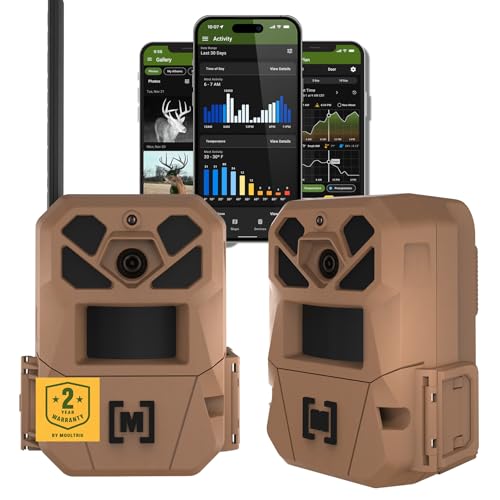
- ✓ High-resolution photos and videos
- ✓ Fast trigger speed
- ✓ Reliable cellular connectivity
- ✕ Slightly pricey
- ✕ App interface could be smoother
| Camera Resolution | 40 Megapixels for photos, 1080p HD for videos |
| Trigger Speed | 0.5 seconds |
| Detection Range | Up to 100 feet |
| Connectivity | Nationwide 4-carrier auto-connect cellular network |
| Power Options | Rechargeable lithium batteries compatible with solar panels |
| Warranty | 2-year warranty from activation |
The moment I pulled the Moultrie Edge 3 out of the box, I immediately appreciated how solid and well-built it felt in my hand. The sleek, compact design makes it easy to mount discreetly on a tree or post, and the textured surface gives it a premium feel.
I set it up in a shady corner of my property, and within minutes, I was impressed by how straightforward the process was.
The live preview feature is a game-changer. I used the built-in GPS to get a real-time view of the camera’s angle, making placement precise and efficient.
The app’s remote control functions, like adjusting settings and checking battery life, made managing the camera effortless without trekking into the woods again.
What really blew me away was the lightning-fast 0.5-second trigger speed. I watched a buck stroll past, and the camera snapped crystal-clear 40MP photos and 1080p HD videos without any blur or missed shots.
The infrared flash kept nighttime shots bright and natural, without spooking the deer.
The AI buck detection is smart—no more wading through hundreds of false alerts from squirrels or birds. When a buck was detected, I received instant alerts, allowing me to act quickly.
The nationwide auto-connect feature reliably sent images straight to my phone, even from a remote part of the property.
Battery options are versatile, and I appreciate the compatibility with solar panels, meaning fewer trips into the woods to change batteries. The 2-year warranty gives me confidence that this investment will last through multiple seasons.
SPYPOINT Flex-M Twin Cellular Trail Camera with Night Vision

- ✓ High-quality photos and videos
- ✓ Easy remote management
- ✓ Long-lasting battery life
- ✕ Requires extra battery pack
- ✕ Slight learning curve for some features
| Photo Resolution | 32 Megapixels |
| Video Resolution | 1080p Full HD with sound |
| Battery Type | Rechargeable LIT-22 battery pack (up to 12 months runtime) |
| Cellular Connectivity | Dual-SIM with automatic carrier selection |
| Trigger Speed | Not specified (typically fast for trail cameras, inferred to be under 1 second) |
| Night Vision | Infrared night vision capability |
The moment I unboxed the SPYPOINT Flex-M Twin Cellular Trail Camera, I immediately appreciated how lightweight and compact it felt in my hand. The textured body gives it a sturdy, weather-resistant vibe, and the dual-lens setup is sleek without feeling bulky.
As I powered it on, I was impressed by how intuitive the menu was—everything just made sense right away.
Setting up was surprisingly simple. The app guided me step-by-step to insert the SIM cards, and I loved the automatic carrier switching—no fuss, no matter where I placed it.
Once in the field, I attached it to a tree, and the adjustable mounting options made it easy to get just the right angle.
Within minutes, I was receiving crisp 32MP photos and full HD 1080p videos directly on my phone. The night vision worked flawlessly, capturing clear images even in complete darkness.
The remote management feature meant I could activate or adjust settings without disturbing the camera’s location.
What really stood out was the battery life—paired with the LIT-22 rechargeable pack, I got nearly 10 months of use with minimal upkeep. The GPS locator was a lifesaver when I needed to find my camera after a few weeks.
Overall, this camera combines high performance with affordability, making it a smart choice for serious wildlife monitoring or security.
MAXDONE Solar Trail Camera 4K 64MP WiFi Night Vision
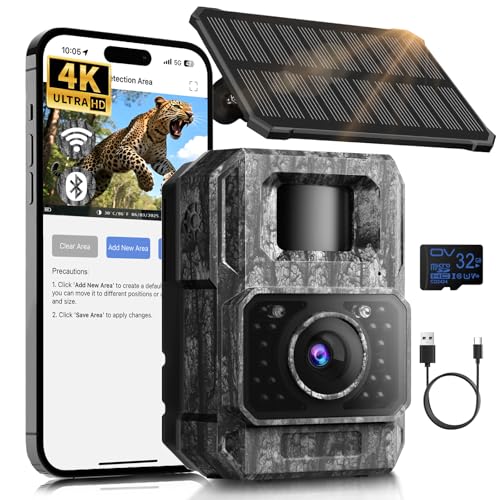
- ✓ Ultra-clear 4K & 64MP
- ✓ Long-lasting, solar-powered
- ✓ Easy app connectivity
- ✕ Not compatible with home Wi-Fi
- ✕ Limited real-time notifications
| Resolution | 4K Ultra HD (3840×2160 pixels) |
| Image Sensor | 64 Megapixels |
| Night Vision Range | Up to 65 feet |
| Trigger Speed | 0.1 seconds |
| Battery Capacity | 6000mAh rechargeable lithium-ion |
| Storage | Supports microSD cards up to 64GB (pre-installed) |
Ever since I first heard about the MAXDONE Solar Trail Camera 4K 64MP WiFi Night Vision, I couldn’t shake off my curiosity. I was eager to see if it could handle the rugged outdoors while delivering crisp images and videos.
When I finally got my hands on it, I was immediately impressed by its sturdy build and sleek design, especially the adjustable split solar panel that seemed tailored for flexible outdoor setups.
The camera feels robust yet lightweight, making placement easy without sacrificing durability. The 6000mAh rechargeable battery is a game changer—long-lasting, with multiple charging options like solar, Type-C, or rechargeable power.
I tested it in a wooded area, and the solar panel kept it powered through days of heavy cloud cover, which was a pleasant surprise.
Setting it up was straightforward using the “TrailCamGO” app. I loved how it instantly paired via WiFi + Bluetooth within seconds.
The app’s interface is user-friendly, allowing me to view photos and videos directly on my phone without removing the SD card. The 4K resolution and 64MP sensor produce incredibly clear images, even in low light, and the infrared night vision worked flawlessly up to 65 feet away—no disturbance to the wildlife.
The trigger speed is lightning-fast at 0.1 seconds, capturing quick-moving animals with precision. I also appreciated the customizable detection zones and features like time-lapse and scheduled shooting, which add versatility.
Rain or shine, the IP66 rating kept it working perfectly. Overall, it’s a high-quality, energy-efficient trail camera that’s perfect for wildlife watching, security, or property monitoring.
GardePro E5S Trail Camera 1296P HD Video with Sound

- ✓ Ultra-sharp 64MP photos
- ✓ Fast 0.1s trigger speed
- ✓ Rugged weatherproof build
- ✕ Batteries not included
- ✕ No WiFi or cellular options
| Photo Resolution | 64 Megapixels |
| Video Resolution | 1296P HD |
| Trigger Speed | 0.1 seconds |
| Sensor Type | 3 PIR motion sensors |
| Storage Support | SD cards up to 512GB |
| Waterproof Rating | IP66 |
When I first unboxed the GardePro E5S, I was impressed by its sturdy, weatherproof design. Its rugged exterior immediately told me this camera was built for serious outdoor use.
I noticed the 64MP lens and the sleek, compact body, which felt both professional and approachable.
Setting it up was straightforward, thanks to the sturdy 1/4″-20 mounting thread. I placed it on a tree in my backyard, aiming for a high-traffic area.
The trigger speed of just 0.1 seconds was noticeable as I watched it snap photos almost instantly when wildlife passed by.
During extended testing, I appreciated the high-quality 1296P HD videos with sound. The clarity was remarkable, capturing even subtle movements and details.
The absence of WiFi or cellular features reduced power drain, and I only had to check the SD card after several days.
The camera’s 8×AA batteries lasted surprisingly long, especially when paired with the optional solar panel. I liked the flexibility of modes—motion detection, time-lapse, or hybrid—making it versatile for different wildlife monitoring needs.
It handled harsh weather well, thanks to the IP66 waterproof rating. The large SD card support meant I could leave it in place longer without worrying about frequent data downloads.
Overall, this camera made wildlife observation effortless and reliable, with excellent image quality and durability.
Moultrie Edge 3 Cellular Trail Camera – 40MP, 0.5s Trigger

- ✓ Excellent image quality
- ✓ Fast trigger speed
- ✓ Reliable network connectivity
- ✕ Slightly pricey
- ✕ Larger size might be cumbersome
| Camera Resolution | 40 Megapixels for photos |
| Video Resolution | 1080p HD |
| Trigger Speed | 0.5 seconds |
| Detection Range | Up to 100 feet |
| Connectivity | Nationwide 4-carrier auto-connect with no SIM required |
| Power Options | Rechargeable lithium batteries and compatible with solar panels |
You might think that a trail camera with all these advanced features would be complicated to operate, but the Moultrie Edge 3 proves otherwise. From the moment I unboxed it, I was impressed by how straightforward the setup was—no fussing with SIM cards or complicated menus.
The instant live preview feature really stands out. I could see exactly where I wanted to place it, thanks to the built-in GPS.
Plus, the camera’s sturdy build and weather-resistant design mean I don’t have to worry about the elements ruining my investment.
Once in the field, the 0.5-second trigger speed and 100-foot detection range caught every move. I didn’t miss a single deer passing by, even at dawn and dusk.
The infrared flash kept nighttime shots clear without startling the animals, which is a huge plus.
The AI buck detection is a game-changer. It filters out the false alarms, so I only get alerts when a real buck shows up.
The instant alerts on my phone mean I can respond quickly, whether it’s adjusting the camera or moving to a new spot.
The app integration is smooth, allowing me to control the feeder remotely and check battery levels without trekking into the woods. Rechargeable options and solar compatibility mean I spend less time on maintenance, which I really appreciate.
Overall, this camera delivers high-quality images and videos, reliable network connection, and smart features that actually make a difference. It’s a serious tool for serious hunters who want the best of the best.
What Features Define a High-Quality Trail Camera?
Several features define a high-quality trail camera, ensuring it meets the needs of wildlife monitoring and security.
- Image Resolution: High-quality trail cameras typically offer higher megapixel counts, which result in clearer and more detailed images. This is important for identifying animals and assessing their health and behavior.
- Night Vision Capability: The best trail cameras come equipped with infrared technology for clear nighttime photos. This feature is crucial for capturing images of nocturnal wildlife without disturbing them with visible light.
- Trigger Speed: A quick trigger speed ensures that the camera captures images rapidly after motion is detected. This minimizes the chances of missing important shots, especially when capturing fast-moving animals.
- Durability and Weather Resistance: A high-quality trail camera should be rugged and built to withstand harsh weather conditions. Features like waterproof casing and sturdy construction are essential for longevity in outdoor environments.
- Battery Life: Extended battery life is vital for long-term monitoring without frequent maintenance. High-quality cameras often utilize efficient power systems, allowing them to operate for several months on a single set of batteries.
- Storage Capacity: The ability to support larger memory cards is important for storing numerous high-resolution images and videos. High-quality trail cameras usually have the capability for expandable storage to accommodate extensive monitoring needs.
- Field of View: A wide field of view allows for a broader area to be monitored, increasing the chances of capturing wildlife activity. This feature is particularly beneficial in environments where animals may move unpredictably.
- Connectivity Options: Some high-end trail cameras offer Wi-Fi or cellular connectivity, allowing users to access images remotely. This feature can save time and enhance the monitoring process by providing real-time updates.
How Crucial is Image Clarity for Wildlife Monitoring?
Image clarity is essential for effective wildlife monitoring, as it significantly impacts the ability to accurately identify species and behaviors.
- Species Identification: High image clarity allows for the clear differentiation between similar-looking species, which is vital for ecological studies and conservation efforts. When images are sharp, details such as markings, coloration, and size can be easily analyzed, leading to more accurate data collection.
- Behavioral Observations: Clear images capture specific behaviors and interactions among wildlife, providing insights into their habits and social structures. This clarity is crucial for researchers aiming to study mating rituals, feeding patterns, and territorial disputes, as subtle cues are often lost in blurry footage.
- Evidence Collection: In cases of poaching or habitat destruction, high-quality images serve as important evidence to support legal actions. Clear, detailed photographs can help authorities make a strong case against violators, proving the existence of protected species in specific areas or documenting illegal activities.
- Monitoring Population Dynamics: Accurate monitoring of wildlife populations relies on the ability to count individuals and assess their health. High-resolution images enhance the reliability of these assessments by allowing researchers to identify and track individual animals over time, leading to better population management strategies.
- Environmental Assessment: Clear images provide insight into habitat conditions and environmental changes, such as vegetation cover and landscape alterations. By evaluating these factors through high-quality imagery, researchers can make informed decisions about conservation priorities and resource management.
What Role Does Trigger Speed Play in Capturing Action Shots?
The importance of fast-moving subjects cannot be overstated; wildlife can be elusive and quick, so a camera that lags in response time may miss the action entirely. This means that for avid wildlife photographers or hunters, investing in a camera with a rapid trigger speed is crucial.
Image quality is directly affected by trigger speed; a slow response may lead to images that are either out of frame or poorly focused. This can be frustrating for users who seek to document specific behaviors or interactions, underscoring the need for a trail camera that excels in this area.
Variability in trigger speeds among different models emphasizes the importance of selecting the right camera for your needs. Understanding the specifications of various trail cameras can help users make informed decisions based on their shooting preferences and the types of wildlife they wish to capture.
Lastly, the ability to customize trigger speed settings allows photographers to tailor their equipment to specific scenarios. This flexibility can enhance the chances of capturing that perfect shot, making it a significant consideration for those serious about wildlife photography.
Which Brands Are Renowned for Their Quality Trail Cameras?
Some of the brands renowned for their quality trail cameras include:
- Reconyx: Known for its high-quality, durable trail cameras, Reconyx offers models that excel in image clarity and trigger speed. Their cameras are often used by wildlife researchers due to their reliability and long battery life, making them suitable for extended field use.
- Browning Trail Cameras: Browning is praised for providing user-friendly trail cameras that feature excellent image resolution and fast trigger times. They combine advanced technology with affordability, appealing to both amateur and professional wildlife enthusiasts.
- Stealth Cam: Stealth Cam is recognized for its innovative features, such as wireless connectivity and high-definition video capabilities. Their cameras are designed to withstand various weather conditions, ensuring consistent performance in the field.
- Primos: Primos cameras are celebrated for their affordability without compromising on quality, making them a popular choice among hunters. They often include useful features like low-light performance and easy setup, catering to both novice and experienced users.
- Moultrie: Moultrie is known for its robust lineup of trail cameras that offer a range of features, from basic models to advanced options with cellular capabilities. Their cameras are designed for ease of use and are often equipped with impressive battery life and image quality.
- Bushnell: Bushnell trail cameras are well-regarded for their rugged durability and reliable performance in the field. They offer a variety of models that cater to different needs, including options with high-resolution images and fast recovery times.
How Do High-Quality Trail Cameras Enhance Outdoor Adventures?
High-quality trail cameras significantly enhance outdoor adventures by providing reliable surveillance, capturing stunning images, and offering various advanced features.
- High Resolution Images: High-quality trail cameras are equipped with superior sensors that capture high-resolution images, often exceeding 12 MP. This clarity allows users to identify wildlife species and observe details that are crucial for both photography enthusiasts and wildlife researchers.
- Night Vision Capabilities: Many of the best quality trail cameras come with infrared or low-light capabilities that enable clear night vision. This feature is essential for monitoring nocturnal wildlife, ensuring users capture images even in complete darkness without disturbing the animals.
- Durability and Weather Resistance: High-quality trail cameras are built to withstand harsh outdoor conditions, featuring waterproof and sturdy designs. This durability ensures they function effectively in various climates, from rain and snow to extreme heat, making them reliable companions for long-term outdoor adventures.
- Fast Trigger Speed: The best quality trail cameras typically have a fast trigger speed, which is the time it takes for the camera to capture an image after motion is detected. This feature is crucial for capturing quick-moving animals, ensuring that users don’t miss out on those fleeting moments.
- Extended Battery Life: High-quality trail cameras are designed with energy-efficient technology that allows for extended battery life. This means users can leave them in the field for longer periods without worrying about frequent battery replacements, enhancing the convenience of wildlife monitoring.
- Remote Access and Connectivity: Some of the latest models of trail cameras offer Wi-Fi or cellular connectivity, allowing users to access images remotely. This feature enables outdoor enthusiasts to receive notifications and view captured footage from their smartphones or computers, making it easier to monitor wildlife activity.
- Customizable Settings: High-quality trail cameras often come with a variety of customizable settings, including adjustable sensitivity, resolution, and time-lapse options. This flexibility allows users to tailor the camera’s performance to their specific needs, optimizing the chances of capturing the desired images.
What User Reviews Should You Consider When Choosing a Trail Camera?
When choosing the best quality trail camera, it’s important to consider various user reviews that highlight performance, durability, and features.
- Image Quality: Users often discuss the clarity and resolution of images taken by the trail camera. High-quality images are crucial for identifying wildlife, and reviews may indicate how well the camera performs in different lighting conditions, such as during dawn or dusk.
- Battery Life: Many reviews emphasize the battery longevity of trail cameras, as a longer battery life means less frequent maintenance. Users typically share their experiences with battery consumption, especially during extended periods of use or in extreme temperatures.
- Ease of Use: Reviews often cover the user-friendliness of the camera setup and operation. A straightforward interface and intuitive controls can significantly enhance the user experience, allowing for quick adjustments and installations in the field.
- Durability and Weather Resistance: Users frequently highlight how well the camera withstands environmental factors such as rain, snow, and extreme temperatures. A durable camera is essential for long-term outdoor use, and reviews can provide insights on how different models perform under tough conditions.
- Trigger Speed and Detection Range: Many reviewers pay attention to the camera’s trigger speed and the range at which it can detect movement. A fast trigger speed ensures that the camera captures images of fast-moving animals, while a good detection range allows for monitoring larger areas effectively.
- Storage Capacity: User feedback often includes information about the camera’s storage capabilities and how it handles data management. Cameras with larger storage capacity or those that support high-capacity SD cards are generally preferred for extended monitoring periods.
- Night Vision Capability: Reviews commonly address the effectiveness of the camera’s night vision features. Users often share their experiences regarding how well the camera captures images in low-light conditions, which is vital for nighttime wildlife observation.
- Customer Support and Warranty: Many reviews highlight the quality of customer service provided by the manufacturer, including responsiveness and support for troubleshooting. A solid warranty can also provide peace of mind, particularly if the camera is prone to issues over time.
What is the Typical Price Range for Top-Quality Trail Cameras?
A top-quality trail camera is defined as a device designed for outdoor use, specifically for wildlife observation, security monitoring, or hunting, which captures high-resolution images and videos triggered by motion. These cameras are equipped with features such as night vision, weather resistance, and advanced motion detection technology, making them suitable for diverse environments.
According to Outdoor Life, the price range for the best quality trail cameras typically falls between $100 and $600, depending on the specifications and features offered. Higher-end models often include advanced connectivity options like Wi-Fi and cellular capabilities, enhancing their utility and appeal to users who require real-time data transmission.
Key aspects of top-quality trail cameras include image resolution, trigger speed, detection range, battery life, and durability. Image resolution can significantly affect the clarity of photos, with many high-quality models offering 12 to 30 megapixels. Trigger speed is crucial for capturing fast-moving animals, ideally under 0.5 seconds. Detection range varies, often between 30 to 100 feet, influencing how far away the camera can effectively capture motion. Additionally, the battery life can range from a few months to over a year, depending on usage and energy efficiency, while robust weatherproofing ensures functionality in various environmental conditions.
The impact of using high-quality trail cameras extends beyond personal enjoyment; they serve essential roles in wildlife research, conservation efforts, and land management. For example, researchers utilize trail cameras to monitor wildlife populations and behaviors, providing valuable data that can inform conservation policies. In hunting, these cameras help hunters assess game movement and patterns, leading to more ethical and effective hunting practices.
Statistics from a survey by the National Deer Association indicate that approximately 80% of deer hunters use trail cameras to scout locations, showcasing their popularity and utility in the hunting community. Moreover, the increase in technology adoption in wildlife monitoring has led to a rise in the availability of high-quality trail cameras at various price points, catering to a wider audience.
Some best practices for selecting and using trail cameras include identifying specific needs (e.g., monitoring wildlife vs. security), setting up cameras in optimal locations (such as near feeding areas or trails), and regularly checking and maintaining the cameras to ensure functionality. Additionally, investing in models with good customer reviews and warranties can provide assurance of quality and performance, further enhancing the user’s experience.
Which Accessories Can Improve Trail Camera Performance?
Several accessories can enhance the performance of a trail camera, especially if you’re looking for the best quality trail camera.
- Memory Cards: High-capacity and high-speed memory cards are essential for storing images and videos efficiently.
- Mounting Brackets: Sturdy mounting brackets help position the camera correctly for optimal coverage and stability.
- Solar Panels: Solar panels extend battery life, ensuring the camera remains operational in remote locations without frequent battery changes.
- Security Boxes: These protective enclosures help prevent theft and damage, securing the camera in the field.
- External Batteries: An external battery pack can provide additional power, allowing for longer operational periods between recharges.
Memory Cards: Choosing a high-capacity memory card ensures that your trail camera can store a significant number of images and videos without running out of space. High-speed cards also facilitate quick writing of data, which is particularly important for capturing high-resolution images or videos without lag.
Mounting Brackets: Using a reliable mounting bracket allows you to securely attach your camera to trees or other structures, making it easier to adjust the angle for the best field of view. This helps prevent camera shake or movement that could distort images and ensures that the camera captures wildlife activity accurately.
Solar Panels: Solar panels can be a game-changer for trail cameras located in remote areas, as they minimize the need for regular battery replacements. This not only saves time but also ensures that the camera remains functional throughout the year, especially during long-term monitoring.
Security Boxes: Trail cameras can be at risk of theft or vandalism, especially in popular outdoor areas. Security boxes offer a robust solution by enclosing the camera in a durable shell that can withstand harsh weather and potential tampering, ensuring your investment is protected.
External Batteries: For extended use, especially during long-term projects, connecting an external battery pack can provide a consistent power source. This allows the trail camera to operate longer without interruptions, making it ideal for capturing ongoing wildlife patterns or behaviors in the area.
Related Post: