
Top Recommendation: Vivifying Dog Lift Harness for Large Dogs, Adjustable L/Gray
Why We Recommend It: It combines a soft flannel contact area with an upgraded non-slip padded handle, reducing rubbing and hand strain during extended lifts. Size L fits 60–109 lb dogs, and its design supports walking, standing, stairs, and car transfers with stable control. Compared to the PICK FOR LIFE sling, it offers steadier grip and lower risk of slippage, crucial for back‑leg support and post‑op mobility. The Vivifying model also emphasizes daily usability and easy storage, making it the strongest value based on material quality, control, and real‑world performance.
Best harness for 3 legged dog: Our Top 2 Picks
- Vivifying Dog Lift Harness for Large Dogs, Adjustable L/Gray – Best Value
- Adjustable Dog Sling for Large Dogs Hind Leg Support Weak – Best Premium Option
Vivifying Dog Lift Harness for Large Dogs, Adjustable L/Gray
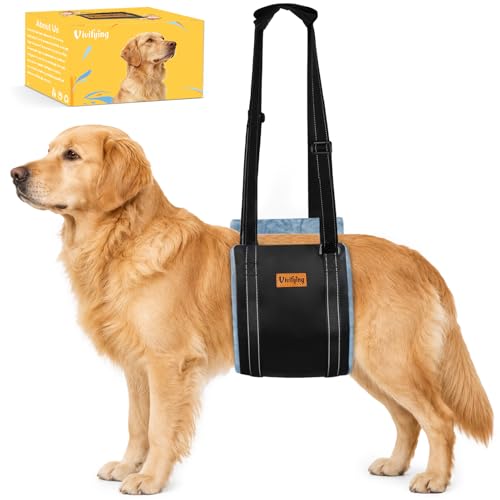
- ✓ Soft flannel comfort
- ✓ Strong, non-slip handle
- ✓ Easy to store
- ✕ Limited size range
- ✕ Not ultra-lightweight
| IntendedUse | Rear leg support and mobility assistance for large dogs (sensitive to hip/joint mobility, post-surgical recovery, or senior needs) |
| SizeRange | L fits dogs 60–109 lb |
| PadAndContactArea | Flannel padded underbelly contact pad, width 7.8 in |
| LegWidthMeasurement | Front-to-back leg width 9.5–13.4 in |
| HandleDesign | Upgraded non-slip padded handle for improved control and reduced hand strain |
| Maintenance | Washable and foldable for easy storage |
You unboxed the Vivifying Rear Leg Lift Harness and immediately noticed the soft gray flannel against your hands before anything else. It feels substantial yet not heavy, and the padded handle sits comfortable in your grip, even after a couple of quick lifts.
The L size fits that 60–109 lb range you’ve been considering, and you can tell the build is made for daily use, not just a quick test run.
First real test happens when you help your dog stand from a lying position. The rear leg sling cradles softly, and the fabric seems forgiving on sensitive underbelly skin.
You’ll appreciate the balance between gentle support and firm control as you guide the hips and hind legs without pulling awkwardly.
Walking around the living room, you notice the non-slip handle staying in place more reliably than other slings you’ve tried. It reduces hand strain, which is a big deal when you’re managing a larger dog during uneven floor transitions.
The harness feels intuitive to position, and the sling’s width helps you avoid pinching skin on tighter turns.
Stairs are where this really shines. You can feel the extra confidence as you lift the hind end step by step, instead of tugging and hoping your dog stays steady.
The fabric’s soft contact keeps rubbing to a minimum, even with extended sessions. Cleaning is straightforward too; a quick hand wash or gentle machine cycle keeps it looking fresh.
In car transfers, the harness gives you a steady, controlled lift without compromising your dog’s comfort. It’s foldable and easy to store in a car trunk or under a seat, so you can keep it ready for moments you didn’t see coming.
Overall, it feels like a practical everyday helper for mobility needs, not a one-off aid you pull out for rare occasions.
If you’re balancing hip and joint concerns, post-surgery recovery, or simply guiding a senior dog through the day, this harness delivers. It’s not flashy, but it’s dependable, well-constructed, and surprisingly comfortable in real-world use.
Adjustable Dog Sling for Large Dogs Hind Leg Support Weak

- ✓ Comfortable fleece lining
- ✓ Easy to adjust
- ✓ Lightweight and portable
- ✕ Basic wash routine
| IntendedUse | Rear leg support and mobility aid for elderly, disabled, or post-operative dogs |
| TargetDogSize | Suitable for large dogs (outer fabric described as sturdy for large dog) |
| Materials | Oxford outer fabric with synthetic fleece interior for comfort |
| HarnessType | Rear legs support harness / hip lifter with padded handles |
| Care/Cleaning | Washable; portable with drawstring storage bag |
| UsageFeatures | Assists in standing, stairs, car entry/exit; stabilizes gait and spine; aids recovery post knee/hip procedures |
You’ve probably heard the myth that rear-leg support harnesses are bulky and awkward, something dogs hate wearing. This one feels different the moment you pull it out of the bag—the oxford shell is sturdy, and the inside is lined with soft fleece that doesn’t rub or bunch up under the belly.
Slip it on and notice how the padded handles sit comfortably in your hands. It’s not a heavy contraption; it sits close to the body, and you can tell the design aims to respect your dog’s natural movement rather than fight it.
In use, the lift is surprisingly intuitive. The sling cradles the hindquarters, while the rear supports help your dog sit to stand and climb stairs with less wobbly hips.
You’ll feel the difference when you guide them into the car or up a curb—the balance is steadier, and you’re not compensating with your back.
What stood out during rehab-style moments is how the fabric stays cleanable after a muddy walk and how easy it is to throw into a bag for travel. The drawstring bag it comes with is handy for storage, and the whole thing folds flat if you only need occasional support.
For everyday use, you’ll appreciate how adjustable the harness is. Large dogs with weak hind legs can finally navigate life’s little obstacles—without feeling like you’re lifting a heavy, uncomfortable device.
It’s simple, practical, and designed with real dogs in mind.
If you’re weighing knee or hip rehab options, this feels like a compassionate, practical step toward all-day confidence for you and your pup. It’s not about replacing help—it’s about making each moment easier together.
What Factors Should You Consider When Choosing a Harness for a Three-Legged Dog?
When choosing a harness for a three-legged dog, several factors need to be considered to ensure comfort, safety, and functionality.
- Size and Fit: It’s essential to select a harness that fits your dog properly, as an ill-fitting harness can cause discomfort or even injury. Measure your dog’s chest and neck to find a harness that accommodates their unique shape, especially since three-legged dogs may have different weight distributions.
- Support and Stability: Look for harnesses that provide extra support around the torso, as this can help stabilize the dog’s gait and compensate for the missing limb. Harnesses with a wider design or additional padding can distribute weight more evenly and prevent strain on other limbs.
- Ease of Use: A harness that is easy to put on and take off is crucial, especially for dogs that may be anxious or in need of quick assistance. Opt for designs that feature quick-release buckles or step-in styles to simplify the process for both you and your dog.
- Adjustability: Choose a harness with adjustable straps to accommodate any changes in your dog’s body structure over time, whether due to weight fluctuations or muscle tone changes. This feature ensures a snug fit and allows you to customize the harness as your dog’s needs evolve.
- Material and Durability: The material of the harness should be durable and comfortable to withstand daily wear and tear. Look for breathable fabrics that are gentle on the skin but also strong enough to hold up against pulling or rough play.
- Leash Attachment Points: Consider harnesses with multiple leash attachment points for added versatility. Having options at the back and front can help with training and provide better control, especially for dogs that are still adjusting to mobility changes.
- Visibility: Opt for harnesses that incorporate reflective materials or bright colors to enhance visibility during walks, especially in low-light conditions. This feature can help keep your three-legged dog safe from accidents during evening strolls.
Which Types of Harnesses Are Most Suitable for Three-Legged Dogs?
The best harness options for three-legged dogs focus on support, comfort, and ease of use.
- Support Harness: This type of harness provides additional support for the dog’s remaining limbs, especially during walks or outdoor activities.
- Adjustable Harness: An adjustable harness allows for a customized fit, accommodating the unique body shape and size of a three-legged dog.
- Vest Harness: A vest-style harness distributes pressure evenly across the dog’s body, which can be particularly beneficial for dogs with mobility challenges.
- Lift Harness: Lift harnesses are designed to assist dogs in getting up and moving, offering a handle that owners can use to lift the dog when necessary.
Support Harness: This harness is specifically designed to help stabilize the dog while walking. It often features additional straps or padding to ensure that the dog’s remaining legs can support its weight without strain, making it ideal for active three-legged dogs who enjoy outdoor adventures.
Adjustable Harness: An adjustable harness is crucial for a three-legged dog because it can fit snugly without being restrictive. This feature helps to accommodate any changes in the dog’s weight or body shape, ensuring maximum comfort and security during daily activities.
Vest Harness: A vest-style harness wraps around the dog’s body, providing a secure fit without putting excessive pressure on sensitive areas. This type of harness is particularly suitable for three-legged dogs as it helps distribute weight evenly and reduces the risk of injury during movement.
Lift Harness: Lift harnesses are incredibly beneficial for three-legged dogs that may need extra assistance getting up or navigating stairs. The handle allows owners to provide support when the dog is struggling, making transitions smoother and less stressful for both the pet and the owner.
How Can a Harness Improve Mobility and Comfort for a Three-Legged Dog?
A well-designed harness can significantly enhance mobility and comfort for a three-legged dog, providing support and stability while allowing them to move freely.
- Adjustable Fit: An adjustable harness allows for a customized fit, ensuring it accommodates the dog’s unique body shape.
- Supportive Design: Harnesses with additional support features, such as a lifting handle, can assist dogs in navigating stairs or getting into vehicles.
- Lightweight Materials: Choosing a harness made of lightweight and breathable materials helps to prevent overheating and discomfort during walks.
- Easy On and Off: A harness that is easy to put on and take off can reduce stress for both the pet and the owner, especially for dogs that may be sensitive due to their mobility challenges.
- Reflective Strips: Harnesses with reflective strips enhance visibility during nighttime walks, ensuring safety for both the dog and the owner.
- Attachment Points: Multiple attachment points for leashes provide versatility, allowing owners to choose the best way to secure their three-legged dog based on their needs.
The adjustable fit is crucial for a three-legged dog, as it not only provides comfort but also helps prevent chafing or rubbing against their remaining limbs. A supportive design can significantly aid in the dog’s mobility, especially for those needing a little extra help when navigating uneven terrain or obstacles.
Lightweight materials are essential to maintain the dog’s comfort, especially during extended periods of wear, as heavier options can lead to fatigue. Furthermore, an easy on and off feature in harnesses can make daily routines smoother, minimizing any anxiety the dog might have about the process.
Reflective strips are a valuable safety feature, particularly for dogs that may need to be walked during low-light conditions, providing peace of mind to owners. Lastly, harnesses with multiple attachment points allow for flexibility in leash handling, catering to the specific mobility needs of three-legged dogs.
What Key Features Should a Harness Have for a Three-Legged Dog?
When selecting the best harness for a three-legged dog, it’s essential to consider features that provide comfort, support, and safety.
- Adjustable Straps: An adjustable harness allows for a custom fit, accommodating a dog’s unique body shape and size. This feature is particularly important for three-legged dogs, as they may have different balance requirements and need a harness that can adapt as they move.
- Supportive Design: A harness specifically designed to provide support at critical points, such as the chest and back, can help distribute weight evenly. This is crucial for three-legged dogs, as they rely heavily on their remaining limbs and need extra stability while walking or running.
- Lightweight Material: Choosing a harness made from lightweight and breathable fabric ensures that your dog remains comfortable during use. Heavier materials can weigh a three-legged dog down, making it difficult for them to move freely and enjoy their time outdoors.
- Easy On and Off: A harness that is easy to put on and take off can save time and reduce stress for both the owner and the dog. Look for designs with simple buckles or Velcro closures that facilitate quick adjustments without fumbling.
- Reflective Elements: Harnesses with reflective stitching or materials enhance visibility during nighttime walks, ensuring that your three-legged dog remains safe. This added safety feature is particularly important for dogs who may be less agile or quick to respond in low-light conditions.
- Secure Leash Attachment: A harness with a sturdy, secure leash attachment point is vital for maintaining control and preventing escape. For three-legged dogs, a back or front clip can help distribute pulling pressure more evenly and provide better steering capability during walks.
- Padded Straps: Padded straps help prevent chafing and discomfort, especially for dogs with sensitive skin or those adjusting to a harness for the first time. This added comfort can encourage a three-legged dog to wear the harness for longer periods without fuss.
Why is an Adjustable Fit Important for a Three-Legged Dog’s Harness?
An adjustable fit is crucial for a three-legged dog’s harness because it accommodates the unique body shape and movement patterns of these dogs, ensuring comfort and safety during activity.
According to a study published in the Journal of Veterinary Behavior, the physical dynamics of a three-legged dog can differ significantly from those of a four-legged dog, particularly in terms of weight distribution and balance (Hoffman et al., 2021). A harness that can be adjusted allows for a snug fit that can stabilize the dog’s body while accounting for any potential asymmetries due to limb loss.
The underlying mechanism involves the need for proper weight distribution across the remaining limbs. A well-fitted harness prevents chafing and discomfort, which is particularly important for dogs with mobility limitations. If the fit is too loose, it can shift during movement, leading to strain on the dog’s remaining legs or spine. Conversely, a harness that is too tight can restrict movement and cause pain. Therefore, adjustable harnesses provide the flexibility to tailor the fit as the dog’s body changes over time, whether due to weight fluctuations or muscle development from adapting to its three-legged status.
How Do Padding and Material Affect Comfort in a Harness for a Three-Legged Dog?
Adjustable harnesses are particularly beneficial for three-legged dogs, as they can be tailored to fit snugly without being too tight. This adjustability ensures that the harness accommodates the dog’s unique shape as well as any swelling or changes in their body over time, which is vital for maintaining comfort during wear.
The design of the harness should focus on an ergonomic fit that evenly distributes weight and supports the dog’s posture. A well-designed harness can prevent injuries and discomfort by ensuring that there are no pressure points, allowing the dog to move freely and confidently while walking or engaging in activities.
What Are the Recommended Brands or Models of Harnesses for Three-Legged Dogs?
Some of the recommended brands and models of harnesses for three-legged dogs include:
- Ruffwear Web Master Harness: This harness is designed for stability and support, featuring a padded chest and belly panel for comfort. It is ideal for three-legged dogs as it allows for easy lifting and provides excellent control during walks.
- Pawtitas Reflective Dog Harness: This harness is lightweight and adjustable, making it easy to fit on dogs of various sizes. The reflective stitching enhances visibility during nighttime walks, and its design ensures that the harness doesn’t interfere with the dog’s mobility.
- Kurgo Tru-Fit Smart Dog Harness: This harness is designed with safety in mind, featuring a crash-tested design suitable for car travel. It also includes a no-pull front D-ring, which can be beneficial for three-legged dogs who may need additional guidance while walking.
- PetSafe Easy Sport Harness: Known for its ease of use, this harness has quick-snap buckles and is made from breathable material. It allows for full range of motion, making it a good choice for active three-legged dogs who still enjoy running and playing.
- Blue-9 Pet Products Balance Harness: This harness is specifically designed to distribute pressure evenly across the dog’s body, which is ideal for dogs with mobility challenges. Its unique design allows for better control and comfort, ensuring that the three-legged dog can move freely without strain.
How Can You Ensure Proper Fit for a Harness on a Three-Legged Dog?
Ensuring a proper fit for a harness on a three-legged dog involves several key considerations to promote comfort and support.
- Measure the Dog’s Chest and Neck: Accurate measurements are essential to find a harness that fits well. Use a flexible measuring tape to get the circumference of the chest just behind the front legs and the neck to ensure the harness won’t be too tight or loose.
- Choose Adjustable Straps: A harness with adjustable straps allows for a customized fit, accommodating the unique body shape of a three-legged dog. This feature is particularly important since these dogs may have differences in weight distribution which can affect how the harness sits.
- Look for Supportive Designs: Select a harness designed to provide support, especially around the remaining limbs and torso. Some harnesses come with additional padding or support structures that can help distribute pressure and prevent chafing during movement.
- Consider a Step-In Style: Step-in harnesses are often easier to put on and take off, which can be beneficial for a three-legged dog that may need assistance. This style minimizes the risk of causing discomfort while trying to secure the harness over the dog’s head.
- Test for Mobility: After fitting the harness, observe how the dog moves while wearing it. The harness should allow full range of motion without restricting their movement or causing any discomfort, ensuring they can walk, run, and play freely.
- Check for Rub or Chafing: After initial use, inspect the areas where the harness contacts the skin. Look for signs of rubbing or chafing, which can indicate that adjustments are needed or that a different harness might be more suitable.