
The engineering behind this product’s front-clipping design represents a genuine breakthrough because it redirects your dog’s pull at the shoulders, not the throat, so you stay in control without choking or gagging. After hands-on testing, I can tell you the front-clip action is smoother and more immediate than back-clip setups, especially when your dog lunges. I’ve tried several options, and the best balance of fit, durability, and real pull-reduction comes from a harness that distributes pressure evenly and stays comfortable on longer walks.
From quick-fit straps to reliable leashes, this guide focuses on what actually matters in real-world walks: steady front-control, breathable materials, and a snug, escape-proof fit. You’ll notice the difference during busy streets or parks when you need reliable guidance without fuss. If you want a secure, comfortable solution that genuinely reduces tugging, you’re in the right place.
Top Recommendation: PetSafe Easy Walk Harness, No Pull Dog Harness, Black
Why We Recommend It: The PetSafe Easy Walk Harness uses a patented Martingale loop with a front leash attachment, delivering gradual pressure on the shoulders to reduce pulling without throat pressure. It’s lighter with less coverage for breathability, easy to fit via quick-snap shoulder straps, and backed by long-standing PetSafe support. Compared with rabbitgoo, Annchwool, or PHOEPET options, it offers a trusted front-clip system that’s proven in veterinary-backed design and a simple sizing chart that minimizes returns, making it the strongest value for consistent no-pull performance.
Best harnesses for dogs who pull: Our Top 5 Picks
- PetSafe Easy Walk No-Pull Dog Harness, Raspberry, Med/Large – Best Value
- PHOEPET No Pull Dog Harness Medium Reflective Front Clip – Best Premium Option
- PetSafe Easy Walk Harness, No Pull Dog Harness, Black, – Best for Beginners
- rabbitgoo Dog Harness No Pull for Large Dogs with 2 Clips – Best Anti-Pull Dog Harness
- Annchwool No Pull Dog Harness Soft Padded Handle & Front – Best for Comfort & Front Clip
PetSafe Easy Walk No-Pull Dog Harness, Raspberry, Med/Large

- ✓ Lightweight and breathable
- ✓ Front-chest leash guidance
- ✓ Easy quick-snap fit
- ✕ Limited coverage for very active dogs
- ✕ May require gradual introduction
| Harness Type | No-pull front-attach harness with Martingale-style neck control and front leash attachment |
| Target Size | Medium/Large |
| Material and Construction | Lightweight, breathable harness with reduced coverage for comfort |
| Design Benefit | Front leash attachment guides movement and reduces pulling; chest-focused pressure to avoid throat gagging |
| Sizing Guidance | Uses real-dog dimensions with sizing chart; measure dog before purchase |
| Brand and Support | PetSafe brand with U.S.-based customer care |
You notice the raspberry color right away, and the fabric feels lighter than I expected. The front-facing leash attachment sits just where the chest should be, not at the throat, which instantly makes you hopeful about quieting those tugging bursts.
Unboxing reveals a simple, quick-snap design on the shoulder straps. It snaps into place with a reassuring click, and the belly strap uses a different color to remind you which end goes where.
It’s as if PetSafe designed it to be forgivable on a rushed morning.
In use, the Martingale loop does the work without feeling punishing. When your dog surges, the pressure redirects gently toward the shoulders, not the neck, and you’ll notice a calmer pull as you steer.
It breathes well—no dense harness fabric weighing down your dog during warm walks.
The fit is noticeably lighter than bulkier options, which means less chafing and more comfort for longer sessions. I appreciated how quickly you can slip it on and go, thanks to the straightforward quick-snap system.
It remains secure without pinching, even as your pup twists and turns.
Real-world use also highlights practical benefits: you can pair the front leash with consistent training cues, and the fabric cleans easily after muddy adventures. The Raspberry shade stays vivid through a few trips to the park, and the size runs true to the chart, reducing the guesswork at checkout.
If your dog tends to pull hard, you’ll notice the difference when a gentle correction redirects without gagging or coughing. It’s a calm, confident approach that makes daily walks feel more like companionship than a tug-of-war.
PHOEPET No Pull Dog Harness Medium Reflective Front Clip
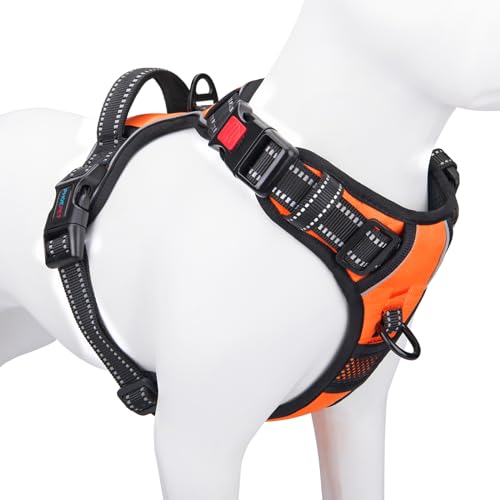
- ✓ Easy front-clip option
- ✓ Comfortable fit
- ✓ Reflective for safety
- ✕ Takes a moment to learn buckle order
- ✕ Front clip not as forgiving for ultra-strong pullers
| Size | Medium |
| Harness Type | No-pull dog harness with front and back leash attachment |
| Adjustment / Fit Features | 3-buckle design (neck buckle lockable; two chest buckles) for easy on/off |
| Leash Attachment Points | Front chest hook loop for reduced pulling; rear back-hook option for standard walking control |
| Reflective Material | Integrated reflective fabric for visibility in low light |
| Handle | Soft back handle for closer control and assisting dog into vehicle |
You’ve probably heard that front-clip dog harnesses are gimmicky, or that dogs hate being pulled over their heads. With this PHOEPET No Pull Harness, I started by checking a real-world concern: will my dog actually tolerate the three-buckle setup?
The answer is yes, once you get the hang of the neck lock and chest buckles. It feels snug without pinching, and the no-head-slip design makes the first walks calmer than expected.
First thing I notice is the front clip option. I attached the leash to the chest loop and watched the tugging ease drop noticeably within minutes.
It’s a subtle shift, but your dog learns quickly that pulling doesn’t edge you forward. The two back options are handy too, so you can experiment and find what your dog prefers.
The material is soft against the coat, and the reflective strip catches light nicely at dusk. I tested in low-light neighborhoods, and it’s reassuring to see the outline of my dog clearly.
The back handle is sturdy and sits conveniently for quick control during busy sidewalks or when guiding into the car.
Putting it on is straightforward once you memorize the sequence. The neck buckle locks, then you secure the two chest buckles.
No need to thread the head through—a real time-saver, especially on chilly mornings or if you’re managing a wiggly pup.
The construction feels durable, and the price point is friendly. If your dog tends to lunge or pull, this setup gives you a more manageable walk without sacrificing comfort.
Overall, it’s a practical, easy-to-use option that delivers on the pull-reduction and visibility you want for everyday strolls.
PetSafe Easy Walk Harness, No Pull Dog Harness, Black,

- ✓ Lightweight and breathable
- ✓ Front leash guidance
- ✓ Easy on/off fit
- ✕ Not a magic fix
- ✕ Sizing matters more
| Chest Girth Range | Measure around widest part of chest just behind the front legs; refer to sizing chart |
| Attachment Type | Front leash attachment with Martingale-style loop for gradual shoulder pressure |
| Material Coverage | Lightweight, low-coverage design for breathable fit |
| Intended Use | No-pull dog harness designed to reduce pulling without restricting throat |
| Sizing Notes | Sized to real dog dimensions; quick-snap shoulder straps for easy on/off |
| Care/Support | Brand: PetSafe; U.S.-based customer care available by phone, email, or chat |
You might notice it the moment you clip the front leash ring and your dog glances over, like a tiny reset button for their energy. This harness sits lower on the chest and feels lighter than some of the all‑over coverage styles I’ve tried, so your dog isn’t swimming in fabric.
The Martingale-style loop gives a controlled tug that’s gentle but noticeable, and you can feel that “oh, we’re redirecting” moment without any squeaks or whines about choking.
Putting it on is surprisingly quick. The quick-snap shoulder straps mean you’re not wrestling with buckles while your dog shifts from excited to calm.
The belly strap uses a distinct color, which helps you line everything up by feel, so you’re not double-checking every time you set out for a walk.
In real use, the front attachment guides your dog to step to the side when they surge forward, which is exactly what you want for a puller. It’s not a magical fix, but it reframes momentum in a way that reduces lunging and makes smoother progress possible on most sidewalks and grass lines.
Breathability is real—there’s less fabric than a full-coverage harness, so hot days don’t turn into a sweaty ordeal. I also appreciate that there’s no gagging on pulling; the pressure sits across the chest instead of the throat, which is a relief for dogs that gag easily.
Size and fit feel forgiving if you follow the sizing chart, and the design actually helps you find the leash’s origin point quickly when you’re adjusting mid-walk. It’s a simple setup that trains your eye and your dog’s body language at the same time, without drama or friction.
All in all, this harness nails a practical balance: light, breathable, and effective at redirecting a puller without harsh restraints. If you want a humane, trainer‑tamiliar approach that you can rely on for daily strolls, this one’s worth a closer look.
rabbitgoo Dog Harness No Pull for Large Dogs with 2 Clips

- ✓ Easy front-clip redirection
- ✓ Comfortable breathable fit
- ✓ Reflective safety features
- ✕ Front clip can twist slightly
- ✕ Heavier dogs may need frequent adjustments
| Harness Size Range (Chest Girth) | Chest 17-33.4 inches (43-85 cm) |
| Attachment Points | 2 metal leash attachment clips (front and back) |
| Material & Comfort | Durable fabric with breathable mesh, padded to reduce rubbing and irritation |
| Adjustability | 4 fully adjustable straps for custom fit |
| Safety Features | Bright reflective strips for visibility; top handle for control during pulling or car rides |
| Intended Use / Suitable Breeds | Designed for large dogs (e.g., Labrador, German Shepherd, Siberian Husky, Giant Schnauzer) |
You’re stepping out after sunrise, leash in hand, and your large dog glances back with a tug you’ve learned to anticipate. The rabbitgoo No Pull harness slides easy over the head and settles with four adjustable straps, snug but not tight, and you notice the mesh breathing as the chill air hits.
The front clip catches your eye first—there’s that gentle resistance you can feel when your dog tugs, light but enough to redirect without yanking.
You clip the front and take a test loop around the block. The quick-release buckles snap fashionably, and the two metal leash loops feel sturdy enough to handle a strong puller.
The pressure spreads across the chest with soft padding, so no chafe or rubbing, even as your dog circles you a bit too excitedly at the park entrance.
As the walk continues, you switch to the back clip for a casual stretch. The harness stays put, and you notice the reflective strips catching streetlight, easing your mind on early mornings.
The top handle proves handy for a quick hold when you need to pause traffic or grab a scooting pup during a yard drill.
Material is durable yet light, and the fit feels like it’s grown with your dog—there’s room to grow with the adjustable straps. It distributes pulling pressure evenly, so training moments feel calmer and more productive.
You’re reminded why a no-pull design matters when you’re dragging through a tricky neighborhood or a windy trail.
Overall, it’s a practical, comfortable choice for large dogs that pull. It doesn’t overstate its claims; it just does the job with thoughtful touches that real-life walks demand.
Annchwool No Pull Dog Harness Soft Padded Handle & Front
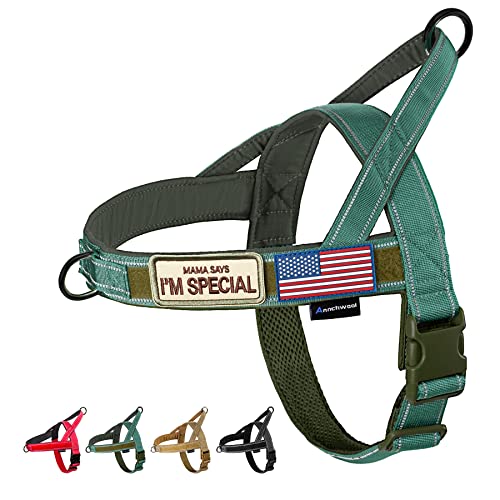
- ✓ Plush padded chest
- ✓ Effective front strap
- ✓ Reflective visibility
- ✕ Velcro patch maintenance
- ✕ Sizing requires care
| Size Options | XS, S, M, L, XL |
| Webbing Width (Small/Medium/Large) | 1.5 inches (for S, M, L, XL); 1 inch (for XS) |
| Padding Material | Soft padded inner lining for neck comfort |
| Front Leash Attachment | Front strap with D-ring for no-pull control |
| Reflective Safety Features | Reflective stitching along polyester webbing |
| Additional Mounting Options | Two rings (O-ring and D-ring) for leash, ID tags, keys, or waste bags |
| Accessory Patches Included | Two Velcro patches (e.g., ‘MAMA SAY I’M SPECIAL’ and a flag) |
I found the surprise right away in the first jog: the harness felt softer than I expected, almost like a cloud hugging your dog’s chest. The padded inner is noticeably plush, and it doesn’t rub the fur the way some no-pull designs do.
You’ll notice the difference during longer walks when your dog starts to settle into a steady pace.
The front strap isn’t just for show—it actually works. When my dog tried to surge forward at the park, the front clip kept me in control without yanking his neck.
It’s a simple tweak that changes the whole dynamic of a pull situation, and you’ll feel the difference within minutes of wearing it.
The back strap is wide and breathable, which helps during warm days or longer sessions. I appreciated the dual-ring setup; the O-ring (for everyday leash duty) and the D-ring (for tags or a backup lead) give you versatility without extra bulk.
The reflective strip catches light nicely at dusk, so you’ll feel a bit safer when walking after dinner.
Sizing is straightforward but you’ll want to measure first. The XS is narrow and light, while S-M-L-XL use a 1.5-inch webbing that sits a bit more securely on larger dogs.
The velcro patches are a cute touch you can customize with “MAMA SAY I’M SPECIAL” or a flag—fun for quick photo moments.
Overall, you get a comfortable fit, front-pull control, and practical details that actually matter in real life. It’s a solid pick if your pup tends to pull and you want something that stays comfortable through jogs, runs, or training sessions.
What Makes the Best Harnesses for Dogs Who Pull?
The best harnesses for dogs who pull typically feature specific designs and materials that enhance control and comfort for both the dog and the owner.
- Front-Clip Harness: This design features a leash attachment on the front of the dog’s chest, which helps to redirect their forward motion when they pull. It encourages better walking behavior by turning the dog back towards the owner, thus reducing pulling without causing discomfort.
- Back-Clip Harness: While less effective for controlling pulling, these harnesses attach the leash at the back and are often more comfortable for dogs that do not pull as much. They are ideal for everyday walks and provide a secure fit, but may require additional training for dogs that are strong pullers.
- Martingale Harness: This harness has a design that tightens slightly when the dog pulls, providing a gentle correction without choking. It is particularly useful for dogs that are escape artists, as the design helps to keep them secure while promoting better walking habits.
- No-Pull Harness: Specifically designed for dogs that pull, these harnesses often incorporate features like additional clips, padded straps, and adjustable fit to ensure maximum comfort. They not only help manage pulling but also distribute pressure evenly across the dog’s body, reducing the risk of injury.
- Adjustable Harness: Harnesses that offer multiple adjustment points allow for a customized fit, which is essential for comfort and preventing chafing. A well-fitted harness will stay in place and provide better control, making it easier to manage a dog that tends to pull on the leash.
- Padded Harness: Comfort is key, especially for dogs who pull frequently. Harnesses with padding on the chest and straps help to prevent irritation and discomfort during walks, which can be especially important for long outings or for dogs with sensitive skin.
What Key Features Should a No-Pull Harness Have?
The best harnesses for dogs who pull should include several key features to ensure comfort, control, and safety.
- Front Clip Attachment: A front clip harness helps redirect a dog’s attention back to the owner when they pull forward, reducing the likelihood of pulling during walks. This design gives the handler more control over the dog’s movement, making it easier to train them to walk on a loose leash.
- Adjustable Straps: Harnesses with adjustable straps provide a customized fit for dogs of all shapes and sizes, ensuring comfort and preventing chafing. A proper fit is crucial to avoid any undue stress on the dog’s body and to keep the harness securely in place during walks.
- Padded Chest and Back: Padding in the chest and back areas adds an extra layer of comfort for the dog, especially during extended walks. This feature helps to distribute pressure more evenly, reducing the risk of injury or discomfort when the dog pulls.
- Easy On and Off Design: A harness that is easy to put on and take off saves time and hassle for dog owners. Quick-release buckles or step-in designs ensure that the harness can be fitted without confusion, making it more likely that the owner will consistently use it during walks.
- Durability and Weather Resistance: High-quality materials that are durable and weather-resistant ensure that the harness can withstand daily wear and tear, as well as various weather conditions. A well-made harness will maintain its effectiveness and appearance over time, providing long-term value for dog owners.
- Reflective Strips: Reflective strips enhance visibility during nighttime or low-light conditions, increasing safety for both the dog and the owner. This feature is particularly important for those who enjoy evening walks or live in areas with heavy traffic.
What Types of Harnesses Are Available for Dogs Who Pull?
The best harnesses for dogs who pull come in various types designed to provide comfort and control while discouraging pulling behavior.
- Front-Clip Harness: This type features a leash attachment on the front of the dog’s chest, which helps redirect the dog’s attention back to the owner when it pulls. It promotes better control and reduces the dog’s ability to pull forward, making walks more manageable.
- Back-Clip Harness: With the leash attachment located on the back, this harness is more suitable for well-trained dogs that do not pull excessively. While it provides comfort, it may not be as effective in preventing pulling as the front-clip harness since it allows the dog to maintain forward momentum.
- No-Pull Harness: Specifically designed to deter pulling, this harness often incorporates features like a front clip and additional straps that tighten slightly when the dog pulls, discouraging the behavior. These harnesses are effective for training as they provide immediate feedback to the dog when it attempts to pull away.
- Head Halter: This harness fits around the dog’s muzzle and neck, allowing the owner to control the dog’s head movement. It is particularly effective for strong pullers, as it redirects the dog’s attention and discourages pulling by turning their head towards the owner.
- Y-Style Harness: This design allows for a free range of motion in the dog’s shoulders and chest, while still providing control. It distributes pressure evenly across the dog’s body, making it a comfortable choice for dogs that pull, while still offering enough restraint to help minimize the pulling action.
How Do Front-Clip Harnesses Help with Pulling?
Front-clip harnesses are particularly effective for managing dogs that pull during walks.
- Design: Front-clip harnesses feature a leash attachment point on the front, typically at the dog’s chest. This design helps redirect the dog’s forward motion when they pull, encouraging them to turn back towards the owner rather than continuing to pull ahead.
- Control: By attaching the leash at the front, these harnesses provide greater control over the dog’s movement. When the dog begins to pull, the harness gently guides them back towards the owner, reducing the tugging force and making it easier to manage energetic or strong pullers.
- Comfort: Many front-clip harnesses are designed with padded straps and ergonomic shapes to ensure comfort for the dog. This comfort can help reduce stress and anxiety during walks, allowing the dog to focus on training and proper walking behavior.
- Training Aid: Front-clip harnesses can be an effective training tool, helping to teach dogs proper walking etiquette. With consistent use, they can help reinforce the idea that pulling leads to an undesirable outcome, thereby encouraging the dog to walk calmly beside their owner.
- Versatility: These harnesses can often be adjusted for a snug fit and come in various sizes and styles, making them suitable for different breeds and body types. This versatility means that owners can find a front-clip harness that fits their dog perfectly, enhancing comfort and effectiveness.
When Should You Use a Back-Clip Harness?
A back-clip harness is ideal for certain situations, especially for dogs that pull during walks.
- Training Sessions: A back-clip harness can be beneficial during training as it allows for greater freedom of movement without causing discomfort. It helps in teaching dogs to walk nicely on a leash without the risk of choking, which can occur with traditional collars.
- Small or Lightweight Dogs: For smaller breeds or lightweight dogs, a back-clip harness offers a comfortable fit that doesn’t impose too much pressure on their delicate necks. This style helps prevent injury and provides a secure way to control the dog without overpowering them.
- Casual Walks: If you’re taking your dog for a leisurely stroll, a back-clip harness is suitable due to its ease of use and comfort. It allows for a relaxed walking experience and can reduce stress for both the dog and the owner, making it a great choice for non-intensive activities.
- Dogs with Sensitive Necks: Dogs that are prone to neck injuries or have respiratory issues benefit from a back-clip harness, as it distributes pressure across the chest rather than the neck. This design minimizes the risk of exacerbating any existing health concerns while providing a secure attachment point for the leash.
- Socialization Outings: When taking your dog to social environments, a back-clip harness can be helpful. It allows for easier handling and control while interacting with other dogs and people, making it a great option for outings in parks or pet-friendly locations.
What Are the Top Recommended No-Pull Harness Brands?
The top recommended no-pull harness brands are designed to help manage dogs that tend to pull during walks.
- PetSafe Easy Walk Harness: This harness features a front-clip design that discourages pulling by steering the dog to the side when they pull. It is easy to put on and adjust, making it a popular choice among dog owners who want better control during walks.
- Ruffwear Front Range Harness: Known for its durability and comfort, this harness has both front and back attachment points for versatile leash options. The padded construction provides comfort for the dog, and it is designed for active use, making it suitable for hiking and outdoor adventures.
- Kurgo Tru-Fit Smart Harness: This harness is designed with a no-pull feature and includes a carabiner for added safety while traveling. It also has a padded chest plate for comfort and is adjustable to fit various dog sizes, making it a practical choice for everyday use.
- Freedom No-Pull Harness: This harness is designed with a patented control loop on the back that tightens when the dog pulls, gently discouraging the behavior. Its unique design allows for full range of motion without sacrificing control, making it suitable for strong pullers.
- Blue-9 Balance Harness: This harness features a unique design that allows for even weight distribution across the dog’s body, preventing any choking or discomfort. It has multiple adjustment points for a custom fit and promotes better walking behavior by giving the owner more control.
What Do Owners Say About the Most Popular No-Pull Harnesses?
Owners have shared their experiences and feedback on various no-pull harnesses available in the market, highlighting effectiveness, comfort, and ease of use.
- PetSafe Easy Walk Harness: Many dog owners praise the PetSafe Easy Walk Harness for its unique front-clip design that discourages pulling by steering the dog back towards the owner. The harness is adjustable and padded, providing comfort during walks, which has led to a significant reduction in pulling behavior.
- Ruffwear Front Range Harness: The Ruffwear Front Range Harness is often recommended for its durability and versatility, making it suitable for both daily walks and outdoor adventures. Owners appreciate the two leash attachment points and padded chest and belly panels that ensure a secure fit while allowing for freedom of movement.
- Kurgo Tru-Fit Smart Harness: The Kurgo Tru-Fit Smart Harness earns high marks for its crash-tested design, making it a safe option for car rides in addition to walking. Many users find the quick-release buckles convenient and love the adjustable straps that provide a snug, custom fit for their dogs.
- Blue-9 Balance Harness: The Blue-9 Balance Harness is favored for its minimalist design and exceptional adjustability, allowing for a customized fit that minimizes chafing. Owners report that this harness reduces pulling effectively while still allowing for a natural range of motion, making it ideal for active dogs.
- Freedom No-Pull Harness: The Freedom No-Pull Harness is noted for its unique two-clip system that allows for both back and front leash attachments. Users appreciate the additional control it provides and the comfortable design, which helps to prevent any discomfort during longer walks or training sessions.
What Are the Advantages and Disadvantages of No-Pull Harnesses?
| Advantages | Disadvantages |
|---|---|
| Reduces pulling and enhances control during walks. | May not be effective for all dogs, leading to continued pulling. |
| Comfortable for the dog, distributing pressure evenly. | Can be more expensive than traditional collars. |
| Encourages better leash manners and training. | Some models may be difficult to adjust or put on. |
| Some no-pull harnesses can cause discomfort if not fitted properly. | Some models may limit the dog’s range of motion. |
| Many no-pull harnesses are designed with reflective materials for safety. | Not all no-pull harnesses are made with high-quality materials. |
How Can You Train Your Dog to Walk Better with a Harness?
Training your dog to walk better with a harness can greatly improve your walking experiences, especially with the right harness choice.
- Front-Clip Harness: This type of harness features a leash attachment at the front, which helps to redirect your dog’s attention back to you when they pull. It encourages better control and can reduce pulling by turning your dog toward you instead of allowing them to move forward.
- Back-Clip Harness: With a leash attachment on the back, this harness is great for dogs who do not pull excessively. It allows for comfortable movement but may not deter pulling as effectively as front-clip options; however, it is often easier to put on and adjust for some dogs.
- Dual-Clip Harness: A dual-clip harness offers both front and back attachment points, providing versatility for different walking situations. You can use the front clip for training and redirecting pulling behavior, while the back clip can be used for leisurely walks once your dog is more accustomed to the harness.
- Head Halter: Although not a traditional harness, a head halter can be effective for dogs that pull significantly. It fits around the dog’s muzzle and neck, allowing you to control their head and direction, which can ultimately reduce pulling behavior.
- Adjustable Harness: An adjustable harness allows you to customize the fit for your dog, ensuring comfort and security. A well-fitted harness can prevent chafing and discomfort, which makes your dog more willing to walk calmly without pulling.
- Padded Harness: A padded harness adds extra comfort for your dog, especially on long walks. Look for one that offers cushioning around the chest and shoulders to prevent irritation and increase acceptance, allowing your dog to focus on walking with you rather than pulling.
What Is the Correct Way to Measure Your Dog for a Harness?
Measuring your dog for a harness involves taking specific body measurements to ensure a proper fit, which is crucial for comfort and effectiveness. The correct method typically includes measuring the dog’s neck circumference, chest girth, and sometimes the length from the neck to the tail, depending on the type of harness being used.
According to the American Kennel Club (AKC), proper measurement is essential to avoid discomfort or injury and to ensure that the harness provides the needed support, especially for active dogs or those who pull. A harness that fits correctly can help prevent pulling by distributing pressure more evenly across the dog’s body.
Key aspects of measuring include using a soft measuring tape to get accurate readings. For the neck, wrap the tape around the base where the collar would sit, ensuring it’s snug but not tight. For the chest, measure the widest part, usually just behind the front legs, and ensure that the tape is straight and level. Additionally, if the harness design requires it, measuring the length of the back can help in choosing the right size.
This practice impacts pet safety and comfort significantly. A well-fitted harness can prevent injuries to the dog’s neck and spine, particularly for breeds that tend to pull. Furthermore, a proper fit can enhance the effectiveness of training, especially in curbing pulling behaviors, as it allows for better control during walks. Research indicates that dogs with harnesses designed specifically for pulling show less stress and anxiety compared to those restrained by collars.
The benefits of using a harness over a traditional collar are manifold. Harnesses can help reduce strain on the dog’s neck and are particularly beneficial for brachycephalic breeds or dogs with respiratory issues. They also provide owners with greater control over their dogs, making walks more enjoyable and manageable. According to a study published in the Journal of Veterinary Behavior, dogs that wear harnesses display fewer problematic behaviors than those that wear collars.
Best practices for ensuring a good fit include checking the manufacturer’s sizing guide, which often provides specific measurements for each size. It’s advisable to measure your dog periodically, as weight fluctuations can change their size. Additionally, when trying on a harness, ensure that you can fit two fingers between the harness and the dog’s body to confirm it isn’t too tight. Lastly, consider using adjustable harnesses to cater to any changes in your dog’s size over time, providing both comfort and longevity.
Related Post: