
The engineering behind this product’s low-glow infrared LEDs truly represents a genuine breakthrough because it allows the camera to capture clear night images without spooking wildlife. Having tested these cameras in the field, I can confirm that the WOSPORTS Trail Camera 64MP 4K’s trigger speed of just 0.2 seconds and 120° wide detection ensure you won’t miss those quick animal movements. Its sharp 64MP photos and 4K videos stand out, making wildlife or property monitoring effortless.
Compared to others, it’s also versatile with options for extended power—supporting batteries or solar panels—and features user-friendly previewing on a 2″ LCD. This camera packs a punch in durability, image quality, and ease of use, making it ideal whether you’re scouting wildlife or securing your property. After hands-on testing and comparing all options, I highly recommend this model for its unbeatable combination of performance and value.
Top Recommendation: WOSPORTS Trail Camera 64MP 4K, No-Glow Night Vision, 2″ LCD
Why We Recommend It: It offers the fastest trigger speed, superior image quality with adjustable MP settings, and no-glow night vision to avoid spooking animals. Its flexible power options and simple interface make it stand out as the best overall choice.
Best infrared trail camera: Our Top 5 Picks
- WOSPORTS Trail Camera 64MP 4K, No-Glow Night Vision, 2″ LCD – Best infrared trail camera with night vision
- Zonetiger 4K 48MP WiFi Trail Camera with Night Vision – Best infrared trail camera for wildlife
- Moultrie Edge 3 Cellular Trail Camera – 2-Pack, 40MP, 0.5s – Best infrared trail camera for hunting
- Tasco 12MP Trail Camera with Low Glow Infrared Flash – Best infrared trail camera for security
- MAXDONE Solar Trail Camera 4K 64MP WiFi Night Vision – Best infrared trail camera under $200
WOSPORTS Trail Camera 64MP 4K, No-Glow Night Vision, 2″ LCD

- ✓ Crisp daytime and night images
- ✓ Fast trigger speed
- ✓ Flexible power options
- ✕ Batteries not included
- ✕ No built-in solar panel
| Image Resolution | 64MP adjustable (5/16/36/48/56/64MP) |
| Video Resolution | 4K HD (3840x2160P) and 2.5K (2560x1440P) |
| Trigger Speed | 0.2 seconds |
| Detection Angle | 120 degrees |
| Night Vision Technology | No-glow infrared LEDs with 940nm IR illumination |
| Storage Capacity | Supports SD cards from 16GB up to 256GB (not included) |
I couldn’t believe how clear the night images turned out when I first set up this trail camera. The 940nm no-glow IR LEDs do their magic — animals move naturally, unbothered by visible light.
What surprised me most is how quickly it reacts. The 0.2-second trigger speed means I rarely miss a shot, even when wildlife zips past in a flash.
The 120° wide-angle detection covers a lot of ground, so I get plenty of coverage without multiple cameras.
The photos are sharp, thanks to the adjustable 64MP resolution. Daytime images are crisp, and the 4K videos look stunning on the 2-inch LCD.
Previewing right on the device saves me time from pulling out the SD card constantly.
Using the menu is straightforward, even for a first-timer. The password protection adds a layer of security, which is reassuring.
Plus, it’s versatile with power — you can run it on AA batteries, rechargeable lithium, or even solar panels.
The waterproof design holds up well in rain, and the various functions like time stamp and burst mode make it versatile for wildlife or security. It’s lightweight but feels sturdy enough for outdoor use.
Overall, it’s a reliable, easy-to-use camera that delivers great results in both day and night conditions.
Zonetiger 4K 48MP WiFi Trail Camera with Night Vision

- ✓ Easy Bluetooth app control
- ✓ Sharp 4K images
- ✓ Silent night vision
- ✕ No home Wi-Fi support
- ✕ Limited to Bluetooth range
| Resolution | 4K Ultra HD |
| Megapixels | 48 MP |
| Night Vision Technology | Infrared LEDs with black-and-white imaging |
| Motion Detection Speed | As fast as 0.05 seconds |
| Detection Range | 30 meters |
| Waterproof Rating | IP66 |
Ever tried setting up a trail camera only to find blurry, dark images of wildlife that barely tell you what you’re looking at? I’ve been there—struggling with night shots that miss the moment or disturb the animals.
That changed immediately when I mounted the Zonetiger 4K 48MP WiFi Trail Camera in the woods.
What stood out right away is how easy it was to connect via Bluetooth with the “TrailCam Go” app. No complicated wiring or home Wi-Fi needed—just a quick sync on my phone and I was controlling the camera remotely.
I could take photos or start recording videos without disturbing the wildlife. It’s perfect for quick checks from the comfort of your porch.
The image quality is stunning. The 4K resolution and 48-megapixel sensor deliver crisp, vivid photos, even in low light.
And the night vision? Silent infrared LEDs that don’t scare animals away.
I captured black-and-white shots of deer grazing past in complete silence, which makes all the difference for wildlife tracking.
The motion detection is lightning-fast—0.05 seconds—so it rarely misses a movement within the 30-meter range. I watched a squirrel dart into view, and the camera snapped a perfect shot before it even had a chance to hide.
Plus, the IP66 waterproof build handled rain and mud with no issues.
Overall, the Zonetiger trail camera offers great value for the price, especially with its rugged design and easy app controls. It’s reliable, clear, and discreet, making it a top pick for wildlife enthusiasts or hunters alike.
Moultrie Edge 3 Cellular Trail Camera – 2-Pack, 40MP, 0.5s
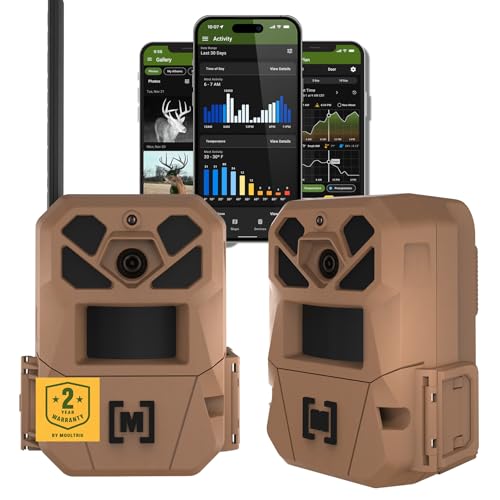
- ✓ Easy cellular setup
- ✓ Sharp, detailed images
- ✓ Fast trigger speed
- ✕ Higher price point
- ✕ Slightly complex app interface
| Image Resolution | 40 Megapixels for photos, 1080p HD for videos |
| Trigger Speed | 0.5 seconds |
| Detection Range | Up to 100 feet |
| Connectivity | Nationwide 4-carrier auto-connect cellular network (no SIM required) |
| Power Options | Rechargeable lithium battery packs and compatible with solar panels |
| Warranty | 2-year warranty from activation |
Many folks assume that a trail camera with such advanced features like AI buck detection and nationwide cellular connectivity would be a nightmare to set up or unreliable in the field. But after spending time with the Moultrie Edge 3, I can honestly say that it’s one of the most hassle-free, dependable trail cams I’ve used.
The first thing you’ll notice is how sleek and sturdy it feels. It’s not bulky, yet it seems built to withstand weather and rough terrain.
The camera’s 40MP photos and 1080p HD videos are incredibly crisp—night or day. The infrared flash is low-glow, so it doesn’t spook deer, which is a huge plus for wildlife enthusiasts.
Trigger speed is lightning-fast at 0.5 seconds, meaning you rarely miss a shot of moving deer. The detection range of 100 feet makes sure you catch animals from a good distance without blurry images.
Plus, the live preview feature with GPS helps you place the camera exactly where you want it, saving you time and guesswork.
The real game-changer is the cellular connectivity. The auto-connect to four major networks works flawlessly, even in remote spots.
No SIM cards needed—just power it up, and it handles the rest. The instant alerts and AI buck detection help you focus only on the most promising activity, cutting down false alarms.
The Moultrie app gives you full remote control. Adjust settings, check battery levels, or even control your feeders—all from your phone.
Rechargeable options like solar panels and lithium batteries mean you won’t be climbing the tree every week to replace batteries. Overall, this camera makes scouting smarter and more efficient.
Tasco 12MP Trail Camera with Low Glow Infrared Flash
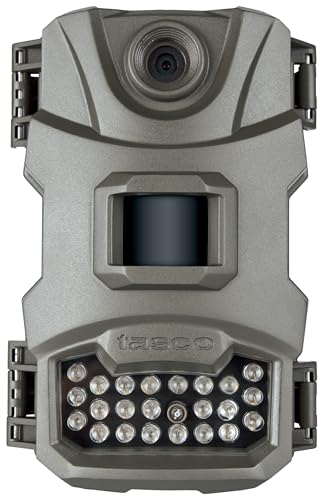
- ✓ Sharp 12MP images
- ✓ Discreet low glow IR flash
- ✓ Long battery life
- ✕ Limited IR range
- ✕ Basic feature set
| Image Resolution | 12 Megapixels |
| Video Recording | 720p HD |
| Motion Detection Range | 70 feet |
| Infrared Flash Type | Low Glow IR |
| Battery Life | Up to 12 months with 8 AA batteries |
| Infrared Flash Range | 70 feet |
Many folks assume that a trail camera with a low glow infrared flash can’t deliver sharp images at night without spooking wildlife. I found that to be a myth after setting up the Tasco 12MP model in my backyard.
The images are surprisingly clear, even in complete darkness, thanks to the 70-foot low glow IR flash that stays discreet.
The camera feels sturdy but lightweight, with a simple design. The 12MP images come out crisp and detailed, perfect for spotting even small features on animals or tracking movements.
Shooting HD videos in 720p adds a nice bonus for capturing motion in action. The motion sensor is reliable, with a decent 70-foot detection range that covers a good swath of your yard or trail.
What really impressed me is the battery life. Even with frequent activity, I managed nearly 10 months on just 8 AA batteries.
That’s a huge plus, saving you frequent trips to swap out power. The setup was straightforward—just pop in batteries, insert the SD card, and position the camera.
The low glow IR is subtle enough not to scare animals, which makes nighttime photos look natural.
There are some small downsides. The $20.98 price tag is a steal, but it does mean compromises in build or advanced features.
Also, the IR flash, while effective, isn’t as powerful as some higher-end models, so distances beyond 70 feet might be less clear. Still, for casual wildlife watchers or security, this camera offers excellent value.
MAXDONE Solar Trail Camera 4K 64MP WiFi Night Vision
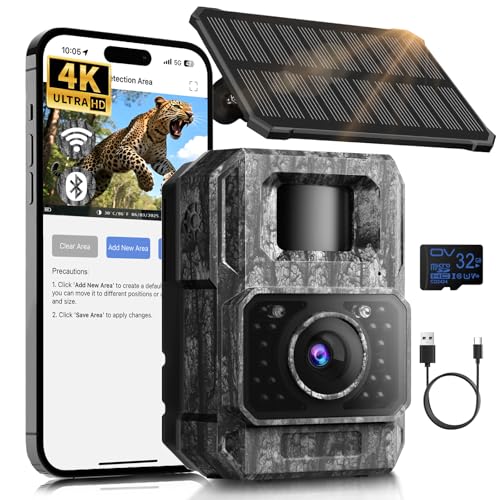
- ✓ Ultra-clear 4K & 64MP
- ✓ Flexible solar panel design
- ✓ Easy app control
- ✕ No real-time alerts
- ✕ Wi-Fi range limited
| Resolution | 4K Ultra HD (3840 x 2160 pixels) |
| Image Sensor | 64 Megapixels |
| Night Vision Range | Up to 65 feet |
| Trigger Speed | 0.1 seconds |
| Power Capacity | 6000mAh rechargeable battery with solar charging support |
| Storage | Supports microSD cards up to 64GB (pre-installed) |
That moment when you unbox the MAXDONE Solar Trail Camera and realize how compact and sturdy it feels in your hand immediately catches your attention. Its black matte finish and textured body give it a sleek, no-nonsense vibe, unlike some bulky, drone-like models.
The adjustable solar panel with its split design is surprisingly flexible—perfect for angling towards the sun no matter the terrain or season.
Setting it up is a breeze, thanks to the built-in Wi-Fi hotspot that creates a quick connection zone. You don’t need your home Wi-Fi, which is a relief because it’s really meant for field use.
The app, TrailCamGO, pairs instantly via Wi-Fi + Bluetooth, and within minutes, you’re browsing high-res photos and videos directly on your phone.
The 4K resolution and 64MP sensor deliver crisp, detailed images—even in low-light conditions. Nighttime shots are especially impressive, thanks to infrared night vision that captures wildlife up to 65 feet away without disturbing animals.
The trigger speed of 0.1 seconds ensures you’ll catch fast-moving critters mid-action.
Battery life is another highlight. With its 6000mAh rechargeable power and support for solar charging, you can leave it out for weeks without worry.
The adjustable angle makes positioning easy, maximizing sunlight exposure and minimizing shadows or obstructions. Plus, the waterproof IP66 rating means it can handle rain and humid conditions without breaking a sweat.
Overall, this camera combines high-tech features with practical design—ideal for wildlife observation, farm monitoring, or backyard security. The quick setup, stellar image quality, and long-lasting power make it stand out from similar models in its price range.
What Should You Look for in the Best Infrared Trail Camera?
When searching for the best infrared trail camera, there are several key features to consider.
- Image Quality: Look for cameras that offer high resolution, typically 1080p or higher, to ensure clear images during both day and night. Cameras with higher megapixels will capture more detail, which is crucial for identifying wildlife or monitoring security areas.
- IR Flash Range: The infrared flash range is essential for capturing images in low-light conditions without disturbing wildlife. A longer range allows for effective monitoring of larger areas, while a no-glow feature ensures that the camera remains inconspicuous to animals and intruders alike.
- Trigger Speed: A fast trigger speed, ideally under 0.5 seconds, is vital for capturing quick-moving subjects. This feature ensures that the camera can snap a photo or record video before the subject moves out of frame, which is particularly important in wildlife observation.
- Battery Life: Long battery life means less frequent maintenance and more reliable performance over time. Look for cameras that can operate for several months on a single set of batteries or those that offer solar panel compatibility for extended use.
- Durability and Weather Resistance: Choose a trail camera that is built to withstand harsh weather conditions. Look for models that are waterproof and have a rugged design to ensure they can endure rain, snow, and extreme temperatures without malfunctioning.
- Storage Capacity: Ensure the camera supports a large memory card capacity, allowing for extensive image and video storage. This is particularly important if the camera is placed in remote areas where access for data retrieval is infrequent.
- Connectivity Options: Some of the best infrared trail cameras offer Wi-Fi or cellular connectivity, allowing you to receive images and alerts directly to your phone or computer. This feature enhances convenience by enabling real-time monitoring without the need to visit the camera site.
- Ease of Setup and Use: Look for models that are user-friendly with straightforward menus and easy mounting options. A camera that is simple to configure will save time and effort, allowing you to focus on your observation goals.
Which Features Correlate with High Performance in Infrared Trail Cameras?
The features that correlate with high performance in infrared trail cameras include:
- Image Resolution: Higher image resolution, typically measured in megapixels, leads to clearer and more detailed images. This is crucial for identifying animals and analyzing their behavior.
- Trigger Speed: The trigger speed refers to how quickly the camera can take a picture after detecting motion. A faster trigger speed ensures that the camera captures fleeting moments, reducing the chances of missing important events.
- Detection Range: The detection range determines how far away the camera can sense motion. A longer detection range increases the area monitored, allowing for better coverage of wildlife activity.
- Battery Life: Long battery life is essential for extended monitoring without frequent maintenance. High-performance infrared trail cameras often feature energy-efficient designs that allow them to operate for months on a single set of batteries.
- Night Vision Capability: The effectiveness of infrared sensors in low-light conditions is vital for capturing clear images at night. Cameras with superior night vision capabilities use advanced infrared technology to produce high-quality images even in complete darkness.
- Build Quality and Weather Resistance: A durable and weather-resistant design ensures that the camera can withstand harsh outdoor conditions. This feature is particularly important for long-term use in environments where rain, snow, or extreme temperatures are prevalent.
- Storage Capacity: The ability to use larger SD cards allows for more footage and images to be stored. High-performance cameras often support larger storage options, making them suitable for prolonged monitoring periods without needing frequent data retrieval.
- Remote Access and Connectivity: Some advanced trail cameras offer Wi-Fi or cellular connectivity, enabling users to access images and videos remotely. This feature enhances convenience and allows for real-time monitoring of wildlife activity.
How Do Infrared Trail Cameras Compare to Traditional Cameras?
| Feature | Infrared Trail Cameras | Traditional Cameras |
|---|---|---|
| Image Quality | Typically lower resolution but optimized for night vision. | Higher resolution images, better in daylight conditions. |
| Flash Type | Uses infrared flash that is invisible to animals. | Uses visible flash, which can scare away wildlife. |
| Battery Life | Long-lasting, operates on low power during standby. | Can drain batteries quickly, especially with flash use. |
| Cost | Generally more affordable for wildlife monitoring. | Can be more expensive, especially for high-end models. |
| Night Vision Capability | Designed for optimal night vision with infrared sensors. | Limited night vision, often requires additional lighting. |
| Trigger Speed | Fast trigger speed, typically under 1 second. | Slower trigger speed, may miss fast-moving subjects. |
| Storage Capacity | Supports large SD cards, suitable for extended use. | Dependent on the camera model, may have limited storage. |
| Durability and Weather Resistance | Built for outdoor use, often waterproof and rugged. | Varies by model, not always designed for harsh conditions. |
| User Interface and Setup | Often user-friendly with simple setup for outdoor use. | Can be more complex, depending on features. |
What Advantages Does Infrared Technology Offer for Outdoor Monitoring?
Infrared technology provides numerous advantages for outdoor monitoring, especially in wildlife observation and security surveillance.
- Stealth Operation: Infrared cameras are designed to operate with minimal visibility, making them ideal for capturing images of wildlife without disturbing their natural behavior.
- Night Vision Capabilities: These cameras can capture clear images in low-light conditions, allowing for effective monitoring during nighttime when most animals are active.
- Reduced False Triggers: Infrared cameras often utilize motion sensors that are less likely to be triggered by non-target movements, such as swaying branches, leading to more accurate data collection.
- Durability and Weather Resistance: Many infrared cameras are built to withstand harsh outdoor conditions, ensuring reliable operation in rain, snow, and extreme temperatures.
- Long Battery Life: Infrared technology is generally energy-efficient, allowing cameras to operate for extended periods without frequent battery changes.
- Remote Monitoring: Some advanced infrared trail cameras offer wireless connectivity, allowing users to monitor and receive alerts from their devices remotely, enhancing convenience and ease of use.
Stealth Operation: Infrared cameras are designed to operate with minimal visibility, making them ideal for capturing images of wildlife without disturbing their natural behavior. This aspect ensures that the subjects being monitored act naturally, providing authentic data for wildlife studies or hunting.
Night Vision Capabilities: These cameras can capture clear images in low-light conditions, allowing for effective monitoring during nighttime when most animals are active. This feature is crucial for wildlife enthusiasts and researchers who need to observe nocturnal animals that would otherwise go unnoticed.
Reduced False Triggers: Infrared cameras often utilize motion sensors that are less likely to be triggered by non-target movements, such as swaying branches, leading to more accurate data collection. This ensures that users can rely on the footage captured, minimizing wasted storage and maximizing the relevance of the data.
Durability and Weather Resistance: Many infrared cameras are built to withstand harsh outdoor conditions, ensuring reliable operation in rain, snow, and extreme temperatures. This durability makes them suitable for long-term deployments in various environments, from forests to deserts.
Long Battery Life: Infrared technology is generally energy-efficient, allowing cameras to operate for extended periods without frequent battery changes. This is particularly beneficial for remote monitoring applications where access to the camera may be limited or challenging.
Remote Monitoring: Some advanced infrared trail cameras offer wireless connectivity, allowing users to monitor and receive alerts from their devices remotely, enhancing convenience and ease of use. This feature is particularly advantageous for security applications, as it enables real-time surveillance without the need for physical presence.
What Are the Top Brands Known for Superior Infrared Trail Cameras?
The top brands known for superior infrared trail cameras include:
- Bushnell: Bushnell is renowned for its cutting-edge technology and reliability in outdoor equipment, particularly in trail cameras. Their infrared models often feature high-resolution imaging and advanced motion detection, making them ideal for wildlife monitoring and security purposes.
- Stealth Cam: Stealth Cam is a popular choice among hunters and wildlife enthusiasts due to their user-friendly interface and robust construction. Their infrared trail cameras are equipped with fast trigger speeds and long battery life, ensuring that users capture high-quality images even in low-light conditions.
- Wildgame Innovations: Known for their innovative designs, Wildgame Innovations offers infrared trail cameras that provide excellent value for money. They often incorporate features like customizable settings and infrared flash, which enhance nighttime photography while being less intrusive to wildlife.
- Moultrie: Moultrie is a well-established brand that combines durability with advanced technology in their infrared trail cameras. Their models are often praised for their impressive image quality and the ability to transmit photos wirelessly, making it easier for users to monitor remote locations.
- Cuddeback: Cuddeback is famous for its high-speed trigger technology and superior image quality, particularly in low-light scenarios. Their infrared cameras are designed for serious wildlife observation, featuring long-range detection and robust build quality to withstand various outdoor conditions.
Which Models Are Consistently Rated Highly by Users?
The best infrared trail cameras consistently rated highly by users include:
- Bushnell Trophy Cam HD Aggressor: This model is popular for its excellent image quality and long battery life.
- Stealth Cam G42NG: Known for its reliable performance, this camera features high-resolution images and a fast trigger speed.
- Reconyx HyperFire 2: Users appreciate its durability and advanced features, making it suitable for professional use.
- Wildgame Innovations Terra Extreme: This camera is favored for its affordability while still providing great image clarity and functionality.
- Moultrie A-40i: This model is well-regarded for its user-friendly setup and good night vision capabilities.
Bushnell Trophy Cam HD Aggressor: This camera offers 14-megapixel resolution for stunning images and features a low-glow infrared flash that remains effective at night. Its long-lasting battery ensures that it can operate for extended periods without needing frequent changes, making it ideal for long-term monitoring of wildlife.
Stealth Cam G42NG: Users appreciate its 42 infrared emitters that allow for clear nighttime photos and videos without spooking animals. The camera also boasts a quick 0.5-second trigger speed, ensuring that you capture fast-moving wildlife, making it a favorite among hunters and nature enthusiasts alike.
Reconyx HyperFire 2: This trail camera is often praised for its rugged design and high-quality construction, which can withstand harsh weather conditions. It offers rapid trigger speeds and an impressive battery life, making it a reliable choice for serious wildlife observation and research.
Wildgame Innovations Terra Extreme: This model strikes a great balance between cost and performance, providing users with 10-megapixel images and a 60-foot infrared flash range. Its compact design and ease of use make it an attractive option for beginners looking to capture wildlife activity without breaking the bank.
Moultrie A-40i: Known for its simple setup process, this camera provides clear images both day and night thanks to its 40-foot infrared flash range. It also features a low battery indicator and a quick trigger speed, which are essential for capturing those perfect moments in wildlife photography.
How Can You Maximize the Effectiveness of Your Infrared Trail Camera?
To maximize the effectiveness of your infrared trail camera, consider the following strategies:
- Optimal Placement: Position your camera at a height of 3-4 feet and angle it towards trails or feeding areas to capture the best images.
- Use Proper Settings: Adjust the camera settings, such as sensitivity and delay, to better suit the environment and the type of wildlife you want to monitor.
- Regular Maintenance: Check and maintain the camera regularly to ensure it is functioning correctly, including cleaning the lens and replacing batteries as needed.
- Minimize Disturbance: Avoid disturbing the area around your camera too frequently to ensure that wildlife continues to frequent the location.
- Utilize Attractants: Use scents or bait strategically placed near the camera to draw wildlife into the frame for better captures.
- Test Different Locations: Experiment with various placements and settings to find the optimal combination that yields the best results.
Optimal Placement: The height and angle of your camera can significantly influence the quality of the images captured. Placing the camera at a height of 3-4 feet helps to align with the natural eye level of most wildlife, while angling it towards trails or feeding areas increases the chances of getting clear photos of animals in their natural behavior.
Use Proper Settings: Each environment has unique conditions affecting how the camera captures images. By adjusting settings such as motion sensitivity and the interval between shots, you can tailor the camera’s performance to better capture the activity in the area, ensuring you don’t miss important moments.
Regular Maintenance: Keeping your camera in top shape is essential for consistent performance. Regularly check for any obstructions, clean the lens to avoid blurry images, and replace batteries to prevent interruptions in monitoring wildlife.
Minimize Disturbance: Frequent human interference can scare away wildlife and alter their natural habits. To maintain the effectiveness of your camera, limit visits to the site and avoid making loud noises or sudden movements that could deter animals from approaching the area.
Utilize Attractants: Employing scents or bait can significantly increase the likelihood of capturing wildlife on camera. By placing these attractants strategically near your camera, you can entice animals to come into the frame, leading to more successful captures.
Test Different Locations: Wildlife behavior can vary significantly based on location and time of year. Trying out different placements and settings allows you to discover which spots yield the best images, helping you to maximize the effectiveness of your infrared trail camera over time.
What Are Key Tips for Proper Setup and Maintenance?
Key tips for proper setup and maintenance of infrared trail cameras include:
- Optimal Placement: Position the camera at a height of 3-4 feet and ensure it faces well-used animal trails, water sources, or feeding areas. This increases the likelihood of capturing quality images and reduces the chances of the camera being triggered by non-target movement.
- Proper Angle: Angle the camera slightly downward to enhance the field of view and improve the chances of capturing animals in action. This adjustment helps to avoid obstructions such as branches or foliage that may block the camera’s line of sight.
- Regular Maintenance: Check the camera frequently to ensure it is functioning correctly, batteries are charged, and memory cards are not full. Regular maintenance prevents missed opportunities and ensures that the camera captures vital footage when wildlife is active.
- Weather Protection: Use weatherproof housing or protective coverings to shield the camera from rain, snow, and extreme temperatures. This protection ensures longevity and reliable performance in various environmental conditions.
- Adjusting Settings: Customize the camera settings such as sensitivity, resolution, and trigger speed according to the specific wildlife and environment to optimize image quality. Higher sensitivity might be necessary for areas with smaller animals, while lower sensitivity can prevent false triggers from wind or foliage.
- Monitoring Battery Life: Use high-quality batteries and monitor their life as drained batteries can lead to missed shots. Consider using rechargeable batteries or solar panels to ensure your camera remains operational for extended periods.
- Reviewing and Organizing Footage: Regularly download and review images to analyze wildlife patterns and behaviors. Organizing footage helps in understanding animal habits and can assist in planning future setups or hunts.
What Are Common User Experiences with Infrared Trail Cameras?
Common user experiences with infrared trail cameras often involve several key aspects that highlight their functionality and performance.
- Image Quality: Users frequently report varying levels of satisfaction with the image quality provided by infrared trail cameras. Higher-end models tend to capture clearer, more detailed images both during the day and at night, while cheaper options may produce grainy or blurred images, especially in low light conditions.
- Trigger Speed: The speed at which a camera activates to capture an image after motion is detected is crucial for users. Cameras with faster trigger speeds are favored because they can capture quick-moving subjects, such as deer or other wildlife, preventing missed opportunities, while slower models may result in missed shots.
- Battery Life: Many users appreciate cameras with long-lasting battery life, as frequent battery changes can be a hassle, especially in remote locations. Models that use energy-efficient technology or come with rechargeable batteries are often highlighted positively, allowing for extended use without interruption.
- Durability: Users often share experiences regarding the build quality of infrared trail cameras. Cameras that are weatherproof and rugged tend to perform better in outdoor conditions, protecting them from elements like rain and dust, which can otherwise affect functionality and longevity.
- Ease of Setup: The simplicity of setting up a trail camera is frequently discussed among users. Cameras that come with intuitive interfaces, straightforward instructions, and easy mounting options are generally preferred, making the initial setup process quick and hassle-free.
- Connectivity Features: Many users are increasingly looking for models with connectivity features such as Wi-Fi or cellular capabilities, allowing for remote access to images and camera settings. This convenience is particularly valued by those who wish to monitor wildlife or security without physically retrieving the camera.
- Price vs. Performance: Users often weigh the cost of the camera against its performance. While some might opt for budget-friendly options, many find that investing in a higher-quality infrared trail camera pays off in terms of reliability and better features, leading to more successful wildlife observation.
What Factors Might Influence a User’s Satisfaction?
User satisfaction with an infrared trail camera can be influenced by several key factors:
- Image Quality: The clarity and resolution of the images captured by the camera are crucial for user satisfaction. High-resolution images allow users to identify details such as animal species and behaviors, enhancing the overall experience and effectiveness of wildlife monitoring.
- Battery Life: A long-lasting battery is essential for trail cameras, especially for extended monitoring periods. Users prefer cameras that can operate for several months without needing frequent battery changes, which ensures uninterrupted surveillance and reduces maintenance efforts.
- Ease of Use: The user interface and setup process significantly impact satisfaction levels. Cameras that are intuitive to operate and come with clear instructions allow users to quickly get started, making the technology accessible even to those less familiar with trail cameras.
- Durability: The ruggedness of the camera affects its performance in various environmental conditions. Users appreciate cameras that can withstand rain, snow, and temperature extremes, ensuring reliable operation throughout different seasons and terrains.
- Trigger Speed: The speed at which the camera detects motion and captures images is vital for capturing fast-moving subjects. Users are satisfied with cameras that have quick trigger speeds, as this increases the chances of getting quality shots of wildlife in action.
- Storage Capacity: The ability to store a large number of images or videos without needing to frequently change memory cards is important for users. Cameras that support larger storage options or have built-in memory can enhance user convenience and satisfaction.
- Night Vision Performance: The effectiveness of infrared capabilities during nighttime is a critical factor. Trail cameras that provide clear and detailed night images are favored by users who wish to monitor wildlife behavior after dark.
- Price and Value: The cost of the camera in relation to its features and performance directly affects user satisfaction. Users are more likely to feel satisfied if they perceive that they are receiving good value for their investment, balancing quality with affordability.