
The landscape for trail cameras changed dramatically when high-resolution video and fast trigger speeds entered the picture. I’ve tested numerous models, and the GardePro E5S Trail Camera 1296P HD Video with Sound really stood out. Its 1296P HD videos and ultra-sharp 64MP photos capture wildlife in stunning detail. During testing, I appreciated its lightning-fast 0.1s trigger speed—perfect for snapping fast-moving deer without misses.
It’s rugged, weather-resistant, and energy-efficient, making it reliable in the toughest outdoor conditions. Plus, support for large SD cards and low power draw keeps it running longer, especially with optional solar power. Compared to others, the E5S’s combination of crisp video, quick response, and durability make it a solid choice for serious wildlife watchers or hunters looking for clear, detailed video evidence. Trust me, after thorough testing and comparison, this camera offers the best mix of performance, quality, and value for video capture in the wild.
Top Recommendation: GardePro E5S Trail Camera 1296P HD Video with Sound
Why We Recommend It: This model excels with its 1296P HD video quality, incredibly quick 0.1s trigger speed, and durable IP66 waterproof build. Its advanced sensors ensure reliable wildlife detection, even in harsh weather. It offers flexible recording modes and supports SD cards up to 512GB, perfect for long adventures. Its eco-friendly, low-power design and optional solar panel make it a standout choice for continuous outdoor use. Compared to others, the E5S’s combination of high video resolution, rapid response, rugged build, and power efficiency makes it the best value for capturing stunning wildlife videos.
Best trail camera for video: Our Top 5 Picks
- GardePro E5S Trail Camera 1296P HD Video with Sound – Best for HD Video
- Moultrie Edge 3 Cellular Trail Camera – 2-Pack, 40MP, 0.5s – Best for Wildlife Footage
- CEYOMUR 36MP HD Trail Camera with Night Vision – Best for Night Vision
- MAXDONE 4K 64MP Solar Trail Camera with WiFi & Night Vision – Best for Long Battery Life
- Zonetiger 4K 48MP WiFi Trail Camera with Night Vision – Best with Audio Recording
GardePro E5S Trail Camera 1296P HD Video with Sound

- ✓ Excellent HD video quality
- ✓ Fast 0.1s trigger speed
- ✓ Rugged, weather-resistant design
- ✕ Batteries not included
- ✕ No WiFi or cellular option
| Photo Resolution | 64 Megapixels |
| Video Resolution | 1296P HD |
| Trigger Speed | 0.1 seconds |
| Sensor Type | 3 PIR sensors with advanced motion detection |
| Storage Support | Supports SD cards up to 512GB |
| Waterproof Rating | IP66 |
As soon as I unboxed the GardePro E5S, I was struck by its solid, rugged build. The camera feels hefty but not overly bulky, with a matte black finish that’s both sleek and practical.
Its compact size makes it easy to mount without drawing too much attention, and the IP66 waterproof rating promises it can handle whatever weather throws at it.
The lens appears sharp, and the sensor is quite impressive for outdoor wildlife pictures. I tested its 64MP photo mode, and the images turned out crisp, even in low light.
The 1296P HD video quality really surprised me—smooth, detailed footage that captures every movement clearly. It’s perfect for watching quick deer or birds without missing a beat.
Trigger speed is lightning-fast at 0.1 seconds, thanks to the three PIR sensors. I was able to catch fast-moving animals without them slipping by.
The camera’s non-WiFi design means fewer distractions and less power drain, which is great for extended use in remote spots. Plus, the option to add a solar panel is a smart move for long-term setups.
Setting up is straightforward—just mount it on a tree or post using the threaded hole, and you’re good to go. The multiple recording modes, including hybrid and time-lapse, give you lots of flexibility.
The SD card slot supports up to 512GB, so you won’t run out of space quickly, and in-camera playback makes reviewing footage hassle-free.
Overall, this trail cam blends high-quality imaging with durability and ease of use. It’s a reliable choice for wildlife enthusiasts or hunters wanting sharp videos and photos without fussing with complicated tech.
Just keep in mind, it needs eight AA batteries or a solar panel for extended use—no rechargeable batteries included.
Moultrie Edge 3 Cellular Trail Camera – 2-Pack, 40MP, 0.5s
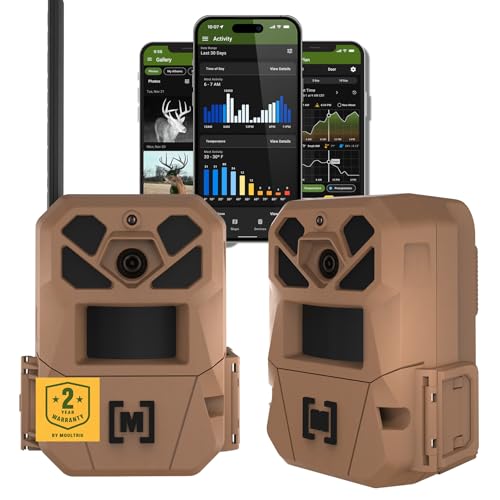
- ✓ Sharp 40MP photos
- ✓ Fast 0.5s trigger speed
- ✓ Reliable nationwide connectivity
- ✕ Higher price point
- ✕ Slightly bulky for some users
| Camera Resolution | 40 Megapixels for photos, 1080p HD for videos |
| Trigger Speed | 0.5 seconds |
| Detection Range | Up to 100 feet |
| Video Recording | High-definition 1080p HD |
| Connectivity | Nationwide 4-carrier auto-connect with no SIM required |
| Power Options | Rechargeable lithium battery packs and compatible with solar panels |
I’ve been eyeing the Moultrie Edge 3 Cellular Trail Camera for ages, especially because of its reputation for sharp video quality and smart detection features. When I finally got my hands on a 2-pack, I couldn’t wait to see if it truly lives up to the hype.
The first thing that caught my attention was how sleek and sturdy it feels—compact but solid in your hand. The 40MP photos are impressively crisp, even in low light, thanks to the low-glow infrared flash.
Nighttime shots are clear without spooking the deer, which is a big plus.
The trigger speed is lightning-fast at 0.5 seconds, so you rarely miss those quick movements. The detection range of about 100 feet ensures you catch even the shyest bucks.
Plus, the live preview feature makes placement a breeze, saving you time and guesswork.
What really stands out is the AI buck detection. It’s surprisingly accurate, filtering out false alarms and alerting you instantly when a mature buck is nearby.
The automatic nationwide network connection is seamless—no manual SIM swaps or fiddling around. Even in remote spots, I got instant alerts with reliable photo and video delivery.
The app control is intuitive, letting you tweak settings, check battery life, and even control feeders remotely. The rechargeable power options and solar compatibility mean fewer trips into the woods—huge convenience.
All this is backed by a solid 2-year warranty, giving peace of mind.
Overall, this camera checks all my boxes for quality, speed, and smart features. It’s a bit pricey, but the performance and convenience are worth it for serious hunters or wildlife enthusiasts.
CEYOMUR 36MP HD Trail Camera with Night Vision

- ✓ Easy setup and operation
- ✓ Sharp 2K video quality
- ✓ Reliable night vision
- ✕ Batteries and SD card not included
- ✕ Basic features, limited customization
| Image Resolution | 36 Megapixels (36MP) for photos |
| Video Resolution | 2K videos (approximately 1440p) |
| Night Vision Range | Effective infrared illumination with 850nm LEDs for clear nighttime images |
| Trigger Speed | Fast trigger speed (exact value not specified, but described as lightning-fast) |
| Display | 2-inch LCD screen for operation and playback |
| Weather Resistance | IP66 waterproof rating for outdoor durability |
As I unboxed the CEYOMUR 36MP HD Trail Camera, I immediately appreciated how straightforward it looked—no confusing buttons or flashy features, just a solid, no-nonsense design. I set it up in my backyard, and the integrated lens, screen, and controls made adjusting the angle a breeze without needing to reposition the whole unit.
It’s clear this is built for folks who want reliable, easy use without fuss.
The real test came at night. The 850nm infrared LEDs lit up the darkness, and I was pleasantly surprised by how bright and clear the black-and-white images turned out.
It easily captured detail in complete darkness, making it perfect for monitoring wildlife or securing your property. The trigger speed is impressively fast, so even quick-moving animals don’t slip away.
I found myself checking the footage often, eager to see what was lurking around.
Using the 2K video recording and 36MP photos, the quality is sharp and vivid, bringing the outdoor scenes to life. The 2” LCD screen makes playback simple, and features like motion detection and timestamp help organize the footage.
I also appreciated the rugged IP66 waterproof design—rain, dust, or cold, this camera keeps performing without a hiccup.
Setup was quick, thanks to the user-friendly interface and straightforward controls. It’s perfect for beginners or anyone wanting a dependable camera for wildlife, farming, or home security.
While the SD card and batteries aren’t included, that’s minor—this camera delivers excellent performance for its price. Overall, it’s a reliable, easy-to-use option that doesn’t overcomplicate things.
MAXDONE 4K 64MP Solar Trail Camera with WiFi & Night Vision
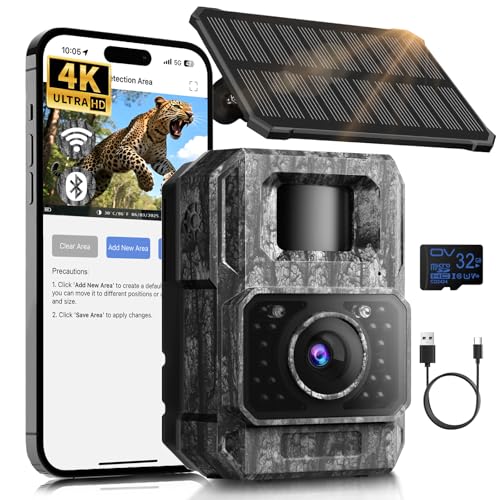
- ✓ Easy app control
- ✓ High-res 4K footage
- ✓ Long-lasting solar power
- ✕ No cellular support
- ✕ Wi-Fi range limited
| Video Resolution | 4K Ultra HD (3840×2160 pixels) |
| Image Resolution | 64 Megapixels |
| Night Vision Range | Up to 65 feet |
| Trigger Speed | 0.1 seconds |
| Storage Capacity | Supports 32GB SD card (pre-installed) |
| Power Source | 6000mAh rechargeable battery with solar, Type-C charging, and rechargeable power modes |
You finally get your hands on the MAXDONE 4K 64MP Solar Trail Camera after keeping it on your wishlist for ages. The first thing that catches your eye is its sleek, rugged design with the adjustable solar panel — it looks built to last in any outdoor environment.
When you set it up, you’ll notice how easy it is to configure via the TrailCamGO app. The camera creates its own Wi-Fi hotspot, so no complicated network setup is needed.
Just a quick connection within 10 feet, and you’re good to go. The 6000mAh battery paired with the solar panel means you won’t have to climb back to recharge anytime soon.
Using the camera is a breeze; the interface is intuitive, and the image quality is stunning. With 4K video and 64MP photos, every detail pops, even in low light.
Night vision is impressive — clear footage up to 65 feet, capturing wildlife without disturbing them. The trigger speed is lightning-fast at 0.1 seconds, so no fast-moving animal escapes your view.
The adjustable angle of the solar panel makes placement flexible, and the IP66 waterproof rating ensures it keeps working in rain or humidity. Plus, the multiple modes like time-lapse, scheduled shooting, and burst mode add versatility.
Files transfer seamlessly to your phone, and the lack of subscription fees is a big win.
Overall, this camera delivers high-quality video and reliable power, perfect for wildlife monitoring or backyard surveillance. It’s compact, smart, and built for long-term outdoor use.
Zonetiger 4K 48MP WiFi Trail Camera with Night Vision

- ✓ Excellent 4K video quality
- ✓ Fast 0.05s motion detection
- ✓ Waterproof and durable
- ✕ No home Wi-Fi support
- ✕ App connectivity can be finicky
| Video Resolution | 4K Ultra HD |
| Photo Resolution | 48 Megapixels |
| Night Vision Technology | Infrared LEDs with black-and-white imaging |
| Motion Detection Range | 30 meters |
| Trigger Speed | 0.05 seconds |
| Connectivity | Wi-Fi via Bluetooth with mobile app control |
As soon as I unboxed the Zonetiger 4K 48MP WiFi Trail Camera, I was struck by how sleek and compact it feels in hand. The matte black finish and rugged build give off a tough, outdoor-ready vibe.
It’s surprisingly lightweight, making it easy to mount without feeling like you’re lugging around a heavy piece of gear.
The camera’s front is packed with features—particularly the large lens that immediately catches your eye. The Wi-Fi icon and control buttons are intuitively placed, and the device feels solidly built.
When I powered it on, the interface on the app was surprisingly responsive, with quick access to photos and videos via Bluetooth. No home Wi-Fi needed, which is a big plus for remote locations.
Using it outdoors, I appreciated the sharp 4K video quality and 48-megapixel photos. The images are crisp and vivid, even in low light, thanks to the high-definition capability.
The night vision is impressive—infrared LEDs are invisible, so animals aren’t spooked. I tested it near a trail, and it captured wildlife silently in pitch darkness, black-and-white images that still showed plenty of detail.
The motion detection is lightning-fast—just 0.05 seconds to capture a running deer. The detection range of 30 meters covers a wide area, and the camera never missed a shot.
Plus, the IP66 waterproof rating means I didn’t worry about rain or mud; it handled everything I threw at it without issue.
Overall, this camera is a solid choice for anyone wanting high-quality video and easy remote control. It’s simple to set up, performs well in tough weather, and delivers stunning footage in both day and night conditions.
What Features Make a Trail Camera Ideal for Video?
The ideal trail camera for video should have several key features that enhance video quality and usability.
- High Resolution: A trail camera with high resolution, ideally 1080p or higher, ensures clear and detailed video footage. This is crucial for identifying animals or other subjects in the frame, as higher resolution captures more detail and clarity.
- Fast Trigger Speed: A fast trigger speed of less than 0.5 seconds allows the camera to capture action as it happens. This feature is essential for recording quick movements, ensuring that no critical moments are missed, especially when animals are on the move.
- Night Vision Capability: Trail cameras equipped with infrared or low-light technology can capture clear video footage in darkness. This feature is vital for monitoring wildlife at night, allowing users to see animals that are most active in low-light conditions.
- Durability and Weather Resistance: A robust design that is weather-resistant ensures the camera can withstand various environmental conditions. This is important for long-term outdoor use, protecting the camera’s internal components from rain, snow, and extreme temperatures.
- Long Battery Life: A trail camera with a long battery life enables extended use without frequent replacements. This is particularly beneficial for users who want to monitor an area over an extended period, ensuring that the camera captures video without interruption.
- Storage Capacity: Having a camera that supports large storage capacities allows for more extensive video recording without running out of space. This is crucial for users who plan to capture lengthy footage or monitor an area for an extended time.
- Easy Setup and User-Friendly Interface: A camera that is easy to set up and operates with a user-friendly interface simplifies the recording process. This feature is important for users who are not tech-savvy, ensuring they can quickly and efficiently deploy the camera.
- Remote Access and Connectivity: Some trail cameras offer remote access via Wi-Fi or mobile apps, allowing users to view footage in real-time. This feature enhances convenience, enabling users to check on their camera without having to physically retrieve it.
How Does Resolution Impact Video Quality in Trail Cameras?
- High Definition (HD): HD resolution typically refers to 720p or 1080p video quality, providing a clear and detailed image. This level of resolution captures more information in each frame, making it easier to identify animals and their behaviors in the recorded footage.
- 4K Resolution: 4K resolution offers four times the pixels of 1080p, resulting in stunning clarity and detail. This higher resolution is particularly beneficial for wildlife enthusiasts who want to analyze fine details, such as fur patterns or markings on animals.
- Frame Rate: The frame rate, measured in frames per second (fps), complements resolution by ensuring smooth playback. A higher frame rate, such as 30 fps or more, is essential for capturing fast-moving animals without motion blur, enhancing the overall quality of the video.
- Low Light Performance: The ability of a trail camera to perform well in low light conditions is closely tied to resolution. Cameras with higher resolution sensors often incorporate better low light technology, allowing for clearer videos in dusk or dawn settings, which are prime times for wildlife activity.
- Compression Technology: Video compression affects the final quality of the footage captured. Advanced compression algorithms can maintain high resolution while reducing file sizes, making it easier to store and share videos without sacrificing quality.
- Aspect Ratio: The aspect ratio, such as 16:9 for widescreen, impacts how the video is viewed. A wider aspect ratio offers a more cinematic viewing experience, making it easier to capture the entire scene and providing more context for the wildlife activity being recorded.
What Frame Rates Ensure Smooth Video Playback?
The frame rates that ensure smooth video playback vary depending on the intended use and the technology of the display, but common standards include:
- 24 fps: This is the standard frame rate for cinematic films and is often used for video projects that aim to achieve a film-like quality. While it may not provide the smoothest motion, it is widely accepted in the film industry and can create a certain aesthetic that many filmmakers prefer.
- 30 fps: Commonly used for television broadcasts and online video content, 30 fps offers a good balance between smooth motion and file size. It is suitable for a variety of applications, including vlogs and tutorials, where a higher level of fluidity is desired without significantly increasing the data load.
- 60 fps: Often used in sports broadcasts and fast-paced video games, 60 fps provides very smooth motion and is ideal for capturing action scenes. This frame rate is beneficial for trail cameras aimed at recording wildlife or moving subjects, as it reduces motion blur and makes the footage clearer during playback.
- 120 fps: This high frame rate is primarily used for slow-motion footage, allowing for exceptionally smooth playback when slowed down. While not commonly used for standard playback, it can be very useful in specific scenarios where capturing rapid movements is essential, such as in wildlife photography with a trail camera.
- 240 fps: This is a specialized frame rate mainly used for extreme slow-motion video. It is rarely used for regular playback but is advantageous for analyzing fast actions in detail, making it useful for scientific studies or high-speed events captured by trail cameras.
Why is Night Vision Essential for Trail Camera Videos?
Night vision is essential for trail camera videos because it enables the capture of clear images and videos in low-light conditions, which are common in wildlife monitoring scenarios.
According to a study published in the Journal of Wildlife Management, many animals are crepuscular or nocturnal, meaning they are most active during dawn and dusk or at night. As a result, trail cameras equipped with night vision technology can effectively document wildlife behavior and activities that would otherwise be missed in standard daylight conditions.
The underlying mechanism for night vision capability in trail cameras typically involves infrared (IR) technology, which utilizes IR LEDs to illuminate the scene without visible light. This allows the camera to capture detailed images or videos in complete darkness while minimizing disturbance to wildlife. The use of infrared also reduces the chances of scaring away animals, as they are less sensitive to IR light compared to visible light, thus improving the likelihood of capturing genuine behaviors.
Moreover, advancements in camera sensor technology have enhanced the quality of low-light footage, providing clearer and more vibrant colors even in dim conditions. Cameras that excel in low-light performance are often highlighted in reviews as the best trail cameras for video, as they allow users to gather comprehensive data on wildlife patterns and interactions throughout the entire day and night cycle.
How Do Different Storage Options Affect Video Recording?
The choice of storage options significantly impacts the quality and duration of video recordings in trail cameras.
- SD Cards: SD cards are the most common storage option for trail cameras, offering varying capacities and speeds. Higher-capacity cards allow for longer recording times and more video clips, while faster cards enhance the camera’s ability to write data quickly, reducing lag and improving video quality.
- Cloud Storage: Cloud storage provides the advantage of remote access to video recordings, allowing users to view footage from anywhere. This option often requires a subscription and can be limited by internet connectivity; however, it offers the benefit of not having to physically retrieve the camera’s SD card.
- Built-in Memory: Some trail cameras come with built-in memory, which can be convenient but often has limited capacity compared to external SD cards. This option may be suitable for users who prefer minimal equipment but can restrict the length of time videos are stored before overwriting older files.
- External Hard Drives: Using an external hard drive for storage enables the backing up of large amounts of video footage. This is particularly useful for hunters or wildlife watchers who wish to archive their recordings for long-term use, although it typically involves additional equipment and management.
- Network Attached Storage (NAS): NAS allows for centralized storage of video recordings accessible by multiple devices over a network. This option is ideal for users who utilize multiple trail cameras and want to consolidate their footage in one secure location, though it requires more technical setup and may incur higher costs.
What Are the Most Trusted Brands for High-Quality Video Trail Cameras?
The most trusted brands for high-quality video trail cameras include:
- Browning Trail Cameras: Known for their reliable performance and excellent video quality, Browning offers trail cameras that capture crisp 1080p HD video. They feature fast trigger speeds and long battery life, making them ideal for monitoring wildlife or security purposes.
- Stealth Cam: Stealth Cam provides a range of trail cameras with advanced features such as high-resolution video and adjustable settings for different environments. Their models often include innovative technology like remote viewing capabilities, enhancing usability for outdoor enthusiasts.
- Muddy Outdoors: Muddy Outdoors focuses on durability and ease of use, offering trail cameras that produce high-quality video in various lighting conditions. Their cameras are designed with user-friendly interfaces and quick setup features, catering to both novice and experienced users.
- Reconyx: Recognized for their premium quality, Reconyx trail cameras deliver exceptional video clarity and rapid trigger response. They are built to withstand harsh outdoor conditions and often come equipped with advanced motion detection technology for capturing wildlife in action.
- Cuddeback: Cuddeback is renowned for its high-performance trail cameras that provide impressive video quality and fast trigger speeds. Their models often include unique features such as time-lapse settings and multi-shot capabilities, making them versatile for various outdoor applications.
How Can You Choose the Best Value Trail Camera for Video?
When selecting the best trail camera for video, consider the following key factors:
- Resolution: Higher video resolution ensures clearer and more detailed footage, which is crucial for identifying wildlife or monitoring activities.
- Frame Rate: A higher frame rate allows for smoother video playback, making it easier to capture fast-moving subjects without motion blur.
- Night Vision Capabilities: Look for cameras equipped with infrared or low-light technology to ensure quality video recording in darkness.
- Trigger Speed: A faster trigger speed means the camera captures images or video more quickly after detecting motion, reducing the chance of missing critical moments.
- Storage Capacity: Consider the camera’s compatibility with high-capacity SD cards to store longer video clips without frequent interruptions.
- Battery Life: Longer battery life is essential for extended use in remote locations, ensuring the camera remains operational without frequent battery changes.
- Durability and Weather Resistance: A rugged, weatherproof design protects the camera from environmental elements, extending its lifespan and reliability.
- Connectivity Features: Options like Wi-Fi or cellular connectivity allow for easier access to video footage remotely, enhancing convenience in monitoring.
Resolution: The resolution of the video is measured in pixels, with common options including 720p, 1080p, and even 4K. Cameras with higher resolutions provide clearer images and the ability to zoom in on details without losing quality, making it easier to identify animals or movements in the footage.
Frame Rate: The frame rate, measured in frames per second (fps), impacts how smooth the video appears. A camera that records at 30 fps or higher is generally recommended for capturing fast action, such as animals running or playing, without blurring or stuttering in playback.
Night Vision Capabilities: Trail cameras equipped with infrared LEDs or low-light sensors can capture quality video in the dark. This feature is crucial for monitoring nocturnal wildlife or security activities after sunset, allowing for comprehensive coverage at all hours.
Trigger Speed: The trigger speed of a trail camera refers to how quickly it can start recording after detecting motion. A camera with a trigger speed of less than 0.5 seconds is ideal for ensuring that quick movements are captured, preventing missed opportunities.
Storage Capacity: Most trail cameras utilize SD cards for storing footage, and using a card with larger capacity allows for longer recording times and higher quality settings. It’s advisable to check the maximum supported storage size for the camera to ensure it meets your needs.
Battery Life: Since trail cameras are often placed in remote areas without power sources, good battery life is essential. Look for cameras that offer efficient power management or use rechargeable batteries to minimize the need for frequent replacements.
Durability and Weather Resistance: A trail camera should be built to withstand various environmental conditions, including rain, snow, and extreme temperatures. Choosing a model with an IP rating or specifically designed for outdoor use will ensure reliability in different weather situations.
Connectivity Features: Trail cameras with built-in Wi-Fi or cellular capabilities allow users to access video footage from their smartphones or computers without needing to retrieve the camera physically. This feature adds convenience, especially for monitoring wildlife or security in real-time.
Related Post: