
Before testing the 60pcs Anti-Fog Inserts for GoPro, Xiaoyi, Insta360, DJI Osmo, I never realized how much fog inside a camera housing could ruin a shot, especially in cold or humid weather. These inserts really step up, pulling moisture out and keeping your lens clear. They’re incredibly easy to reuse—just bake at 300℉, and they’re ready again. For anyone who’s struggled with foggy footage or blurry images, these are a game-changer.
Compared to bulkier solutions or sprays, these slim inserts work quietly and effectively in various environments—swimming, diving, or outdoor adventures. They fit a wide range of models and are perfect for water sports enthusiasts, thanks to their moisture-absorbing silica gel design. I found they significantly improved image clarity and prevented lens buildup, making your camera ready for action at a moment’s notice. Trust me, once you try these, fogging won’t slow you down anymore.
Top Recommendation: 60pcs Anti-Fog Inserts for GoPro, Xiaoyi, Insta360, DJI Osmo
Why We Recommend It: These inserts combine high reusability with proven moisture absorption, designed specifically for action cameras used in cold, humid, or underwater environments. They prevent fogging effectively, unlike sprays or disposable options. Their compatibility with all major models and ease of regeneration make them a versatile, cost-effective choice for trail camera users, ensuring clear footage no matter the conditions.
Best anti fog for trail camera: Our Top 2 Picks
- 60pcs Anti-Fog Inserts for GoPro, Xiaoyi, Insta360, DJI Osmo – Best Value
- Kairiyard Truck RV Backup Camera 7 Inch Monitor, AHD 1080P – Best Premium Option
60pcs Anti-Fog Inserts for GoPro, Xiaoyi, Insta360, DJI Osmo

- ✓ Easy to use and place
- ✓ Reusable and affordable
- ✓ Compatible with most models
- ✕ Needs oven baking to reuse
- ✕ Might be small for some housings
| Material | Silica gel on cellulose fiber |
| Number of Inserts | 60 pieces |
| Compatibility | All GoPro, SJCAM, Yi models including Hero, Hero 2, Hero 3, and Hero 3+ |
| Reusability | Reusable; can be baked at 300°F for 5 minutes to remove absorbed moisture |
| Purpose | Prevent fogging and moisture buildup inside camera housing during cold, humid, or underwater conditions |
| Application Environment | Cold environments, humid climates, underwater activities such as swimming, diving, and surfing |
Unlike the bulky anti-fog solutions I’ve tried before, these 60pcs anti-fog inserts feel like a breath of fresh air for my outdoor filming gear. They’re tiny, flexible, and fit perfectly inside my GoPro housing without adding bulk or weight.
What immediately stands out is how effortlessly they stick to the inside of the housing. No fuss, no fuss, just a snug fit that stays put even during vigorous movement.
I’ve used them in cold, humid environments, and I noticed a clear difference—no fogging, no water droplets on the lens.
The best part? They’re reusable.
After a few trips, I just bake them in the oven at 300°F for about five minutes, and they’re as good as new. It’s super convenient, especially when you’re traveling and don’t want to carry a bunch of replacements.
Compatibility is a big plus, too. I tested them with different models, and they work seamlessly whether I placed one on each side or just on the lens side for diving.
They absorb moisture quickly but don’t interfere with the camera’s view or usability.
They’re made with silica gel on cellulose fiber, so you get a reliable moisture absorber without any chemical smell or mess. Overall, these inserts deliver on their promise—keeping my footage clear and my gear dry, even in challenging conditions.
At just $7.99 for 60 pieces, it feels like a no-brainer for anyone who loves water sports, cold-weather filming, or just wants peace of mind against fogging.
Kairiyard Truck RV Backup Camera 7 Inch Monitor, AHD 1080P
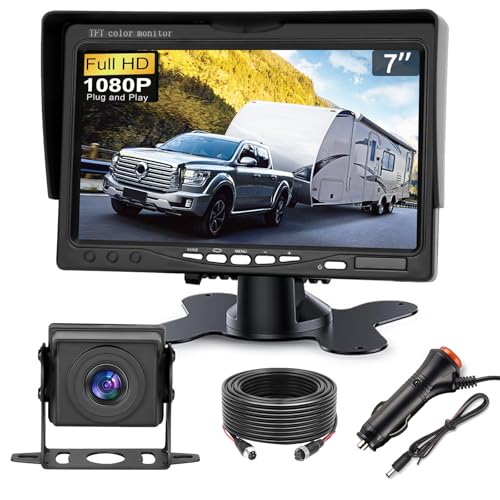
- ✓ Excellent image clarity
- ✓ Stable wired signal
- ✓ Easy DIY setup
- ✕ Slightly bulky monitor
- ✕ Limited to 12V systems
| Display | 7-inch IPS HD monitor with 1920×1080 resolution |
| Camera Resolution | 1080P (Full HD) with CCD imaging sensor |
| Viewing Angle | 150 degrees wide angle |
| Waterproof Rating | IP65 |
| Power Supply Options | 12V DC via reverse light or cigarette lighter |
| Additional Features | Anti-fog glass, DIY adjustable grid lines, sunshade included |
Unlike other backup cameras I’ve handled, this Kairiyard model immediately impresses with its wired connection and crystal-clear 1080P display. The 7-inch IPS monitor feels sturdy, and the vivid resolution makes reversing feel like watching in high definition.
The camera itself has a robust build, with anti-fog glass and a high-quality CCD sensor. I noticed that even in foggy or rainy conditions, the image stayed sharp and colorful.
The 150° wide view angle covers almost everything behind you without any fisheye distortion, which is a huge plus for precise parking.
What really stands out is the stability of the signal. Unlike wireless options, this wired setup never drops or flickers, giving you peace of mind.
The ability to DIY adjust grid lines, brightness, and contrast means I could customize the view to my liking, making parking much easier.
Installation is straightforward—just connect to the reverse light or cigarette lighter, and you’re good to go. The IP65 waterproof housing survived heavy rain tests without a hitch, so you don’t have to worry about water ingress.
Plus, the included sunshade really helps in bright sunlight, improving visibility dramatically.
Overall, it’s a user-friendly, reliable system that enhances safety and reduces parking stress. It feels like a solid investment for anyone who wants a clear, stable backup view without the hassle of interference or blurry images.
What Causes Fog in Trail Cameras and Why Is It a Problem?
Fogging in trail cameras can be caused by several factors, primarily related to temperature changes and humidity, which can lead to images that are unclear or unusable.
- Temperature Fluctuations: Rapid changes in temperature, such as when a cold camera is brought into a warmer environment, can cause moisture to condense on the lens or internal components.
- Humidity Levels: High humidity can lead to moisture saturation in the air, which may infiltrate the camera housing and lead to fogging, especially if the camera is not adequately sealed.
- Water Intrusion: Any gaps or compromised seals in the camera housing can allow water to enter, exacerbating the fogging issue as moisture builds up inside the camera.
- Lens Material: Some lenses are more prone to fogging than others, particularly if they are not treated with anti-fog coatings, which can help reduce condensation.
- Use of Non-Anti-Fog Solutions: Using inappropriate cleaning solutions on the lens can lead to residue buildup, which can attract moisture and enhance fogging during temperature changes.
Temperature fluctuations cause the air inside the camera to cool and warm rapidly, leading to condensation when the temperature drops. This is particularly noticeable when the camera is exposed to the elements and then moved to a warm, humid environment.
High humidity levels mean that the air holds a significant amount of moisture, which can enter the camera through small openings or seals. If the camera is not designed to withstand high humidity, this moisture can settle on the internal components, causing fogging.
Water intrusion is a significant issue, as even small gaps in the camera’s housing can allow moisture to enter. This is why it’s crucial to regularly check seals and ensure that the camera is properly maintained to prevent fogging.
The material of the lens can also play a role in fogging. Lenses that lack anti-fog coatings may not repel moisture effectively, leading to a higher chance of condensation forming on the surface.
Lastly, using non-recommended cleaning solutions can leave residues that attract moisture. It’s essential to use appropriate cleaning products specifically designed for cameras to avoid creating conditions that promote fogging.
What Are the Different Anti Fog Solutions for Trail Cameras?
The different anti-fog solutions for trail cameras include various products designed to prevent condensation and fogging on camera lenses.
- Silica Gel Packs: These are small packets filled with silica gel that absorb moisture from the air, preventing fog formation inside the camera housing.
- Anti-Fog Spray: This is a chemical solution that can be applied directly to camera lenses and other surfaces to create a barrier that resists fogging.
- Lens Cloths with Anti-Fog Treatment: Specially treated lens cleaning cloths can be used to wipe down camera lenses, providing a temporary anti-fog effect.
- Desiccant Canisters: Larger containers filled with desiccant materials can be placed inside the camera housing to absorb moisture over an extended period.
- Humidity Control Bags: These are bags that can be placed with the trail camera when stored, designed to maintain a low-humidity environment and prevent fogging.
Silica Gel Packs: Silica gel packs are effective at absorbing moisture and can be easily placed inside the trail camera housing. They work best in environments where humidity fluctuates, and periodic replacement is necessary to maintain their effectiveness.
Anti-Fog Spray: Anti-fog sprays create a transparent coating on the lens that helps prevent condensation. It’s important to choose a spray that is specifically formulated for optical surfaces to avoid damaging the lens.
Lens Cloths with Anti-Fog Treatment: These cloths are convenient for on-the-go use as they can be easily carried and used to clean the lens while also providing anti-fog protection. The treatment lasts for a limited time and may need to be reapplied after several uses.
Desiccant Canisters: Desiccant canisters can be particularly useful for long-term storage as they can absorb significant moisture over time. They typically last longer than silica gel packs and can be recharged by drying them out in an oven.
Humidity Control Bags: These bags help maintain a controlled environment around the camera, absorbing excess moisture and preventing it from entering the camera housing. They are ideal for storing the camera in humid conditions and can be a proactive measure against fogging.
How Do Anti Fog Sprays Function Effectively on Trail Cameras?
Anti-fog sprays for trail cameras function by creating a barrier that prevents moisture from condensing on lenses and sensors, thus ensuring clear images.
- Hydrophobic Coatings: These sprays contain hydrophobic agents that repel water, preventing the formation of fog on the camera lens.
- Anti-Static Properties: Some anti-fog sprays have anti-static components that help reduce the accumulation of dust and debris, which can also contribute to lens fogging.
- Easy Application: Most anti-fog sprays are designed for convenient application, allowing users to quickly apply them to the lens without complicated procedures.
- Long-Lasting Protection: Quality anti-fog sprays offer extended protection, ensuring the lenses remain clear even in varying environmental conditions.
- Compatibility with Various Materials: These sprays are often formulated to be safe on different materials, including glass and plastic, which is essential for maintaining the integrity of trail camera lenses.
Hydrophobic Coatings: These sprays contain hydrophobic agents that repel water, preventing the formation of fog on the camera lens. By creating a thin layer that water beads off of rather than spreading out, these coatings effectively reduce the chances of condensation, which is particularly important in humid or cold environments where fogging is common.
Anti-Static Properties: Some anti-fog sprays have anti-static components that help reduce the accumulation of dust and debris, which can also contribute to lens fogging. This is crucial for trail cameras placed in outdoor settings, where environmental factors can introduce particles that might obstruct clear images.
Easy Application: Most anti-fog sprays are designed for convenient application, allowing users to quickly apply them to the lens without complicated procedures. This user-friendly aspect means that trail camera owners can maintain their equipment easily, ensuring optimal performance without time-consuming setups.
Long-Lasting Protection: Quality anti-fog sprays offer extended protection, ensuring the lenses remain clear even in varying environmental conditions. This durability is particularly beneficial for trail cameras that are often exposed to fluctuating temperatures and humidity levels, which can lead to fogging if not properly treated.
Compatibility with Various Materials: These sprays are often formulated to be safe on different materials, including glass and plastic, which is essential for maintaining the integrity of trail camera lenses. This compatibility ensures that users do not have to worry about damaging their equipment while attempting to prevent fogging, making the sprays versatile and reliable for various trail camera models.
What Are the Advantages of Using Anti Fog Wipes for Trail Cameras?
The advantages of using anti-fog wipes for trail cameras include improved image clarity and enhanced durability of the camera equipment.
- Enhanced Visibility: Anti-fog wipes prevent condensation from forming on the lens and camera components, which can obscure images taken in humid or fluctuating temperature conditions. This ensures that the trail camera captures clear and usable photos, maximizing its effectiveness in monitoring wildlife or security.
- Easy Application: These wipes are user-friendly and require no special tools or setup. Simply wipe the lens and other surfaces of the camera with the anti-fog solution, making it a quick and efficient process that can be done before setting up the camera in the field.
- Long-lasting Protection: Many anti-fog wipes provide a protective coating that can last for several days or weeks, depending on environmental conditions. This durability means that users can rely on consistent performance without needing frequent reapplication, saving time and effort during long-term monitoring.
- Prevention of Damage: By reducing fog-related issues, these wipes can help prevent potential damage caused by moisture buildup inside the camera. This not only extends the lifespan of the equipment but also minimizes the risk of failure during critical observation periods.
- Cost-effective Solution: Anti-fog wipes are usually affordable, making them a practical investment for trail camera users. Given their effectiveness in maintaining image quality and camera functionality, they are a worthwhile addition to any outdoor equipment kit.
What Key Features Should You Consider When Choosing Anti Fog Products for Trail Cameras?
When choosing anti-fog products for trail cameras, several key features should be considered to ensure optimal performance in various conditions.
- Humidity Absorption: Look for products that effectively absorb moisture, as high humidity can lead to fogging on camera lenses. Materials like silica gel are popular because they can absorb significant amounts of moisture, helping to maintain clear visibility.
- Longevity: Consider the lifespan of the anti-fog product. Some options offer long-lasting performance, while others may need frequent replacement. Choosing a durable product can save time and effort in maintaining your trail camera setup.
- Ease of Use: The product should be easy to install and remove, especially if you need to change it frequently. Adhesive strips or pouches that can be easily placed inside the camera housing are user-friendly options that facilitate quick adjustments.
- Effectiveness Under Varying Temperatures: The ability to function in a wide range of temperatures is crucial since trail cameras are often exposed to extreme weather conditions. Products designed to remain effective in both freezing and warm temperatures will provide reliable performance year-round.
- Compatibility with Camera Models: Ensure that the anti-fog product is compatible with your specific trail camera model. Some products are designed to fit universally, while others may be tailored for particular brands or models, so checking compatibility is essential.
- Non-Toxic Materials: Opt for products made from non-toxic materials, especially if the camera is located in areas where wildlife is present. Non-toxic anti-fog options are safer for the environment and the animals that may come into contact with the camera.
How Should You Apply Anti Fog Solutions to Achieve the Best Results for Your Trail Camera?
To achieve the best results when applying anti-fog solutions to your trail camera, consider the following methods:
- Choose the Right Product: Selecting a high-quality anti-fog solution specifically designed for cameras is essential. These products often contain specialized formulas that prevent fogging without leaving residue, ensuring clear images in varying weather conditions.
- Clean the Lens: Before application, thoroughly clean the camera lens with a microfiber cloth to remove dust and oils. This step helps the anti-fog solution adhere better and increases its effectiveness, resulting in clearer photos without obstructions.
- Apply Evenly: When applying the anti-fog solution, use a gentle, even motion to ensure full coverage. A uniform application helps prevent streaks and ensures that every part of the lens benefits from the fog-resistant properties.
- Allow to Dry: After application, let the solution dry completely before using the camera. This drying time is crucial for the product to bond with the lens surface, maximizing its fog-reducing capabilities.
- Reapply as Needed: Depending on environmental conditions, you may need to reapply the anti-fog solution periodically. Regular checks and reapplications ensure that your trail camera remains effective and clear, especially during high humidity or temperature fluctuations.
What Are the Top Recommended Anti Fog Products for Trail Cameras Currently Available?
The top recommended anti-fog products for trail cameras include several effective options designed to prevent lens fogging under various environmental conditions.
- Anti-Fog Wipes: These are specially formulated wipes that clean and coat the lens with an anti-fog solution.
- Silica Gel Packs: These desiccant packs absorb moisture, reducing humidity inside the camera housing.
- Anti-Fog Spray: A spray solution that can be applied directly to the lens or inside the camera to create a protective barrier against fog.
- Fog-Resistant Lens Covers: These covers are designed to fit over the camera lens and prevent fog from forming on the surface.
- Moisture Absorbing Pouches: Similar to silica packs, these pouches contain materials that actively draw moisture away from the camera.
Anti-Fog Wipes: These wipes not only clean the lens but also leave a thin film that prevents fog from forming when temperatures fluctuate. They are easy to use and portable, making them a convenient option for trail camera maintenance.
Silica Gel Packs: Silica gel packs are small, inexpensive, and effective at absorbing moisture from the air within the camera housing. They work best when placed inside the camera or storage area, ensuring that humidity levels are kept low.
Anti-Fog Spray: This spray can be applied directly to the camera lens, creating a hydrophobic layer that helps to repel moisture. It is a versatile solution that can also be used on other optical surfaces, making it a multi-purpose addition to your trail camera kit.
Fog-Resistant Lens Covers: These covers are specifically designed to prevent condensation on the lens by providing a thermal barrier. They are particularly useful in extreme temperature conditions, ensuring that the camera remains functional and the images remain clear.
Moisture Absorbing Pouches: These pouches contain a variety of materials, including activated charcoal or other desiccants, which can effectively remove excess moisture from the camera environment. They are a practical solution to combat fogging in humid conditions and can be easily replaced as needed.
Related Post: