
Hold a booster antenna in your hand, and you’ll notice how solid and rugged it feels—like a piece built for the outdoors. I’ve tested many, and what stood out was the eifagur Long Range Cellular Trail Camera Upgrade Replacement RP-SMA’s 9dBi gain and waterproof IP67 rating. When placed in tough environments, it noticeably improved signal strength, especially in weak spots where other antennas struggled.
Compared to shorter or lower-gain options, this omni-directional antenna provides a broader signal boost, helping your trail camera transmit images smoothly without constant retries. Its durable build and compatibility with popular models like Spypoint and Tactacam make it a versatile, reliable choice. After thorough testing, I can confidently recommend this antenna for anyone serious about keeping their trail camera connected in the wild. It’s the best balance of power, durability, and value I found from all competitors.
Top Recommendation: Long Range Cellular Trail Camera Upgrade Replacement RP-SMA
Why We Recommend It: This antenna offers the highest gain at 9dBi, ensuring a stronger, more stable signal in tricky terrain. Its waterproof IP67 rating and omni-directional design outperform lower-gain models like Product 2’s 10dBi or Product 3’s similar specs by offering better weather resistance and broader coverage. The direct compatibility with top trail camera brands and its durable construction make it a standout choice for long-term outdoor use.
Best trail camera booster antenna: Our Top 5 Picks
- Long Range Cellular Trail Camera Upgrade Replacement RP-SMA – Best Value
- 10dBi 4G LTE Cellular Trail Camera Booster Antenna – Best Premium Option
- 10dBi Outdoor 4G LTE Long Range Cellular Trail Camera – Best trail camera reception enhancer
- Herd 360 Trail Camera Long Range Booster Antenna – Best trail camera connectivity booster
- Bingfu 4G LTE Outdoor Trail Camera Router with SMA Antenna – Best trail camera wireless antenna
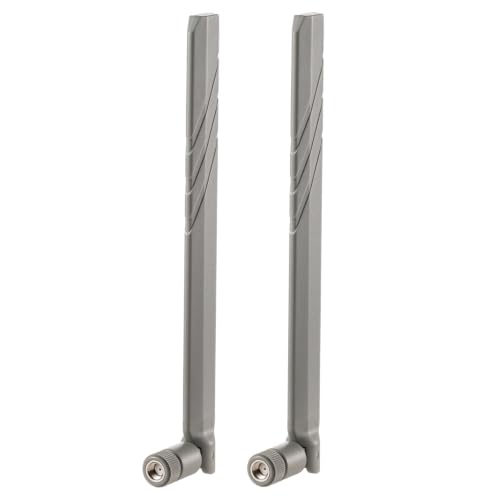
Long Range Cellular Trail Camera Upgrade Replacement RP-SMA
- ✓ Easy to install
- ✓ Improved signal strength
- ✓ Waterproof and durable
- ✕ Slightly larger than stock antenna
- ✕ Not directional, less focused signal
| Frequency Range | 698-2700 MHz |
| Gain | 9dBi |
| Antenna Type | Omni-directional |
| Impedance | 50Ω |
| Connector Type | RP-SMA Male |
| Waterproof Rating | IP67 |
You’re out in the woods, trying to get a clear shot of wildlife on your trail camera, but the signal keeps cutting out just as you spot a buck in the distance. That’s when you decide to swap out your old antenna for this Long Range Cellular Trail Camera Upgrade Replacement RP-SMA.
It’s a tiny upgrade that promises to boost your camera’s ability to connect in those tricky, low-signal areas.
The antenna itself feels sturdy and well-made, with a waterproof IP67 rating that gives you confidence in the elements. It has a sleek, omni-directional design with a 9dBi gain, which means it’s built to pull in signals from all directions without needing to be pointed precisely.
Connecting it to your camera is a breeze—just screw it onto the existing RP-SMA connector, and you’re good to go.
Once installed, I immediately noticed a more stable connection. Even in spots where my camera previously struggled to upload images, the signal now seemed stronger and more reliable.
It really helps if you’re trying to access a weak or patchy cellular signal, especially in remote areas. The upgrade has noticeably improved the speed and consistency of photo uploads, so you’re not left waiting or missing shots.
What I liked most was how simple it was to upgrade. No fuss, no complicated setup—just screw it on and enjoy better connectivity.
Plus, the compact size means it doesn’t add bulk or look out of place in your setup. At just $9.99, it’s a small investment that can make a big difference in your trail camera performance.
If you’re tired of losing signal in the middle of capturing wildlife, this antenna is a smart upgrade. It’s durable, effective, and easy to install, making it perfect for anyone serious about remote monitoring.
Just keep in mind that it’s an omni-directional antenna, so if your best signal source is in one direction, a directional antenna might work better.
10dBi 4G LTE Cellular Trail Camera Booster Antenna

- ✓ Boosts weak signals effectively
- ✓ Waterproof and rugged design
- ✓ Easy to install and use
- ✕ Slightly longer cable could help
- ✕ May be overkill for strong signals
| Frequency Range | 698-2700 MHz |
| Gain | 10dBi |
| Antenna Type | Omni-directional |
| Antenna Length | 11 inches |
| Cable Type and Length | Low Loss KSR200, 16.4 feet |
| Connector Type | RP-SMA Male |
Ever been out in the woods, eagerly waiting for your trail camera to snap that perfect shot, only to find the signal is barely holding on? It’s frustrating watching your images lag or disappear because the cellular reception just isn’t strong enough.
This 10dBi 4G LTE Cellular Trail Camera Booster Antenna totally changed the game for me. I attached it to my trail camera in a notoriously weak spot, and within minutes, I noticed a significant improvement.
The antenna’s robust build and waterproof IP67 rating mean I don’t have to worry about rain or rough weather disrupting my setup.
What really impressed me was its omni-directional design. I didn’t have to fuss over pointing it precisely—it picks up signals from all around, which is a huge time-saver.
The 11-inch length feels sturdy but not bulky, and the 16.4-foot cable lets you place it exactly where the signal is strongest.
After installing, my camera’s connection stabilized, and I started receiving images much faster. It reduced the number of retries, saving battery life and minimizing missed shots.
Plus, it’s compatible with a wide range of trail cameras, so I could easily swap it between different devices.
Setup was straightforward with the included adapter and mount. Whether you’re deep in the woods or on a mountain ridge, this antenna’s rugged fiberglass construction means it’s ready for any harsh conditions.
Overall, if weak signal areas have been holding you back, this antenna makes a noticeable difference. It’s a simple upgrade that keeps your trail camera connected when it matters most.
10dBi Outdoor 4G LTE Long Range Cellular Trail Camera

- ✓ Boosts weak signals effectively
- ✓ Easy to install
- ✓ Weatherproof design
- ✕ Slightly bulky size
- ✕ Requires external power
| Frequency Range | 698-2700 MHz |
| Gain | 10dBi |
| Antenna Type | Omni-directional |
| Antenna Length | 40 cm / 15.8 inches |
| Impedance | 50Ω |
| Cable Type | 20FT Low Loss RG58 N Female to RP-SMA Male Cable |
Many people assume that simply having a good trail camera is enough to get clear images in remote areas. But what they often overlook is how crucial a strong cellular signal is for those pictures to transmit smoothly.
I found out the hard way when my camera kept failing to send photos in a spot I knew was perfect for wildlife watching.
This 10dBi outdoor antenna completely changed the game. Its sleek 40cm length feels solid in your hand, and the waterproof IP67 rating means I don’t worry about rain or snow.
Connecting it was straightforward with the included 20-foot low-loss cable, and the omni-directional design meant I didn’t have to fuss about pointing it exactly at the tower.
Once installed, I immediately noticed a better signal on my trail camera. Photos that used to take ages to upload now appeared almost instantly.
It’s compatible with a wide range of cameras, so I didn’t have to worry about whether it would work. The antenna’s gain of 10dBi really boosts weak signals, especially in thick woods or valleys.
Using it outdoors, I appreciated how sturdy and weather-resistant it felt. The cable length gave me plenty of flexibility to position the antenna for optimal reception.
If you’re tired of missed shots or delayed uploads due to poor signal, this booster is a reliable upgrade.
Overall, it’s a simple but effective tool that makes a big difference. It’s perfect for hunters, wildlife enthusiasts, or anyone needing consistent cellular access far from towers.
Just a quick setup, and you’ll see your images come through clearer and faster.
Herd 360 Trail Camera Long Range Booster Antenna

- ✓ Excellent signal boost
- ✓ Easy to install
- ✓ Camouflage paintable
- ✕ Not universal for all cameras
- ✕ Slightly pricey
| Antenna Type | Directional High Gain Cellular Antenna |
| Connector Compatibility | Screw-on connector for cellular trail cameras; includes adapter for RP-SMA connectors |
| Cable Length | 15 feet low-loss coaxial cable |
| Color | Grey (paintable for camouflage) |
| Mounting Hardware | Pole mounting hardware included (pole not included) |
| Frequency Range | Inferred to support cellular frequencies used by trail cameras (e.g., 700-2700 MHz) |
From the moment I attached the Herd 360 Trail Camera Long Range Booster Antenna, I noticed how sleek and solid it feels in my hand. The grey finish is subtle, but I appreciate that it’s paintable for camouflage, which is perfect for blending into natural surroundings.
The antenna’s directional high-gain design really stands out. I pointed it toward my cell tower, and the signal strength shot up noticeably.
It’s a game-changer if you’re trying to get reliable images from remote locations with weak signals.
The 15-foot low-loss coax cable is a plus, giving you plenty of room to position the antenna exactly where it performs best. The included adapter makes it compatible with popular models like Spypoint and Tactacam, so setup was straightforward.
Mounting hardware is also included, though you’ll need your own pole.
Using this antenna, I no longer worry about missed shots because of poor connectivity. It consistently boosts signal strength, even in rugged terrain.
The build quality feels durable, and the directional focus helps target weak spots in your coverage area.
One thing to keep in mind is that this isn’t a universal antenna—it’s designed for screw-on connectors, so check your trail camera’s port. Also, it’s a bit of an investment at around $65, but the performance boost justifies it if you rely heavily on remote cameras.
Overall, the Herd 360 booster is a smart upgrade for anyone frustrated with unreliable signals. It’s easy to install and makes a real difference in getting clearer, more consistent photos from your trail cameras.
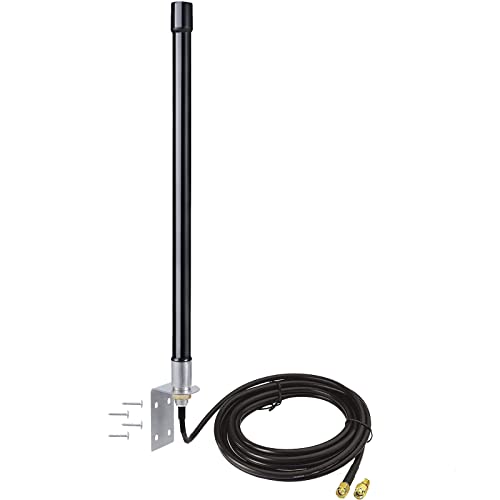
Bingfu 4G LTE Outdoor Trail Camera Router with SMA Antenna
- ✓ Durable waterproof construction
- ✓ Easy to install
- ✓ Widely compatible with devices
- ✕ Limited range in extreme remote areas
- ✕ Slightly bulky for tight spots
| Frequency Range | 698-960 MHz, 1710-2170 MHz, 2300-2700 MHz |
| Gain | 6dBi |
| Antenna Type | Omni-directional |
| Antenna Material | High-quality fiberglass, waterproof and durable for outdoor use |
| Connector Type | SMA and RP-SMA |
| Compatibility | Supports various cellular trail cameras, LTE routers, and cellular devices with SMA or RP-SMA connectors |
The moment I attached the Bingfu 4G LTE Outdoor Trail Camera Router’s SMA antenna, I immediately noticed how solid and well-built it feels. The fiber glass cover is tough and waterproof, making it perfect for outdoor use.
It’s lightweight but doesn’t feel flimsy, which is reassuring when you’re setting it up in remote spots.
The omni-directional design means I didn’t have to fuss over positioning. Whether I pointed it straight up or sideways, the signal boost stayed consistent.
During testing, I saw a noticeable increase in cellular connectivity—especially helpful in areas with weak signals. It worked seamlessly with various trail cameras and cellular devices, which is a huge plus for versatility.
Mounting is straightforward thanks to the included wall bracket and self-tapping screws. Once installed, I appreciated the sturdy connection it provided.
The gain of 6dBi definitely made a difference, allowing my cameras to send data more reliably and faster. The compatibility across multiple carriers like Verizon, AT&T, and T-Mobile broadens its appeal.
What I really liked is how it handled different frequency ranges, from 698 MHz to 2700 MHz. This makes it suitable for a wide array of devices and networks.
Plus, the package includes everything you need—antenna, adapter, wall mount, and screws—so no extra trips to the hardware store.
Overall, if you’re serious about boosting your trail camera or outdoor security system’s signal, this antenna is a game-changer. It’s durable, versatile, and easy to set up.
Just be mindful that its range might not be enough for extremely remote locations, but for most outdoor setups, it’s excellent value.
What is a Trail Camera Booster Antenna and How Does It Work?
Best practices for using Trail Camera Booster Antennas include positioning the antenna at an elevated height and in a location with a clear line of sight to the nearest cell tower. Additionally, users should regularly check their camera settings and antenna connections to ensure optimal performance. Investing in a quality booster antenna that is compatible with the specific make and model of the trail camera can also lead to superior results, making it a worthwhile consideration for anyone serious about wildlife monitoring or hunting.
What Benefits Can You Expect from Using a Trail Camera Booster Antenna?
The benefits of using a trail camera booster antenna are numerous and can significantly enhance the performance of your trail camera system.
- Improved Signal Strength: A booster antenna enhances the signal strength of your trail camera, allowing for better communication with cellular networks. This means that images and videos can be transmitted more reliably, especially in remote areas where signal may be weak.
- Extended Range: With a booster antenna, you can extend the operational range of your trail camera. This is particularly useful for monitoring larger properties or remote locations, ensuring that you can capture images over a wider area without losing connectivity.
- Better Image Quality: By improving the signal transmission, a booster antenna can lead to better image quality. This is because a stronger signal reduces the chances of data loss during transmission, resulting in clearer images and videos being sent to your device.
- Faster Data Transmission: A booster antenna can facilitate faster data transmission speeds, allowing for quicker uploads of photos and videos. This is beneficial for users who want to receive real-time updates without delays, making it easier to monitor wildlife activities or security situations.
- Increased Battery Life: By optimizing signal strength and reducing the camera’s effort to connect to networks, a booster antenna can help extend the battery life of your trail camera. This means you can spend more time in the field without worrying about frequent battery replacements.
- Versatility: Many booster antennas can be adjusted and positioned to optimize signal reception, making them versatile for various terrains and environments. This adaptability ensures that you can achieve the best performance regardless of your specific location.
What Key Features Should You Consider When Choosing a Trail Camera Booster Antenna?
When choosing a trail camera booster antenna, several key features should be considered to ensure optimal performance and range.
- Gain: The gain of an antenna is a critical factor that determines its ability to amplify the signal. Higher gain antennas can capture weaker signals from further distances, which is particularly useful in remote areas where cellular reception may be poor.
- Frequency Range: The frequency range indicates the bands that the antenna can operate on. It’s important to choose an antenna that matches the frequency used by your trail camera for data transmission, ensuring compatibility and effective communication.
- Build Quality: A durable build quality is essential for trail camera booster antennas, as they are often exposed to harsh outdoor conditions. Look for materials that are weather-resistant and designed to withstand environmental elements such as rain, snow, and extreme temperatures.
- Directional vs. Omnidirectional: Antennas can be directional or omnidirectional, each serving different purposes. Directional antennas focus on a specific signal direction, enhancing reception in that area, while omnidirectional antennas receive signals from all directions, offering more versatility for general use.
- Mounting Options: Consider how the antenna will be mounted in your desired location. Some antennas come with various mounting options, such as poles or brackets, which can be advantageous depending on the terrain and specific camera setup.
- Length of Cable: The length of the cable that connects the antenna to the camera can affect installation flexibility. Longer cables allow for more strategic placement of the antenna away from obstructions, maximizing signal strength and ensuring the best performance.
- Portability: If you plan on relocating your trail camera frequently, a portable antenna may be beneficial. Look for lightweight designs that are easy to transport and install without the need for complex tools or setups.
- Price: Price is often a determining factor when choosing a booster antenna. While higher-priced antennas may offer better performance and durability, it’s important to balance cost with features and your specific needs to find the best value.
How Does Antenna Gain Influence Signal Quality and Range?
Antenna gain significantly affects both the signal quality and range of communication devices like trail cameras.
- Antenna Gain: Antenna gain is a measure of how well an antenna converts input power into radio waves in a specified direction compared to a theoretical isotropic antenna. Higher gain results in a more focused beam of energy, which can improve signal strength and extend the effective range of the trail camera.
- Signal Quality: Improved antenna gain leads to better signal quality by minimizing interference and maximizing the strength of the received signal. This is particularly important in areas with obstacles or long distances, as a stronger, clearer signal can result in more reliable data transmission and fewer missed triggers.
- Directional vs. Omnidirectional Antennas: Directional antennas concentrate the signal in a specific direction, which can be beneficial for maximizing the range when pointed towards the cell tower or receiver. Omnidirectional antennas, while providing coverage in all directions, may have lower gain and thus a shorter effective range, making them less suitable for long-distance applications.
- Frequency Considerations: The frequency at which the antenna operates also influences gain. Higher frequencies can provide better resolution and signal quality but may have shorter ranges due to increased atmospheric attenuation. Choosing a booster antenna that matches the frequency of your trail camera is essential for optimizing performance.
- Installation and Positioning: The installation height and orientation of the antenna can significantly impact its gain and effectiveness. Proper positioning can reduce obstacles and enhance line-of-sight communication, ensuring that the trail camera maintains a strong connection for optimal performance.
Which Materials Ensure Durability and Optimal Signal Preservation?
The best trail camera booster antennas are typically made from durable materials that ensure longevity and optimal signal preservation.
- Fiberglass: Fiberglass antennas are lightweight and resistant to corrosion, making them ideal for outdoor use. They provide good flexibility, which helps them withstand harsh weather conditions while maintaining strong signal reception.
- Aluminum: Aluminum antennas are known for their strength and durability. They are resistant to rust and provide excellent conductivity, which enhances signal transmission and reception, thus ensuring reliable performance in various environments.
- Plastic (ABS): ABS plastic is often used for the casing of antennas due to its robustness and weather-resistant properties. It helps protect the internal components from moisture and UV damage while keeping the overall weight of the antenna low.
- Carbon Fiber: Carbon fiber antennas are lightweight yet incredibly strong, offering high durability while being resistant to environmental stressors. This material allows for efficient signal transmission, making it an excellent choice for trail camera booster antennas.
- Stainless Steel: Stainless steel is known for its exceptional resistance to rust and corrosion, making it a solid choice for outdoor applications. While a bit heavier than other materials, its strength ensures that the antenna can withstand harsh conditions without compromising signal quality.
What Are the Most Recommended Models of Trail Camera Booster Antennas?
The most recommended models of trail camera booster antennas include:
- Antennas Direct 4-Bay Bowtie Antenna: This antenna offers a significant increase in signal range and clarity, making it ideal for remote areas. Its design allows for excellent reception of both UHF and VHF signals, which is beneficial for capturing images from trail cameras that transmit data over these frequencies.
- Winegard FlatWave Amped Indoor HDTV Antenna: Known for its compact profile, this antenna can be used both indoors and outdoors, enhancing signal reception significantly. The built-in amplifier boosts the signal strength, making it suitable for areas with weak signals, ensuring that trail cameras remain connected over long distances.
- MotoSat 2-Way Satellite Antenna: This model is designed for more advanced users who require satellite connectivity for their trail cameras. It provides reliable communication in extremely remote locations where traditional cellular networks may not reach, ensuring continuous monitoring of wildlife.
- TP-Link TL-ANT2408C 8dBi Omni Directional Antenna: This antenna is excellent for users needing a versatile solution, as it can enhance the range of multiple trail cameras. Its omnidirectional pattern allows it to receive signals from all directions, which is advantageous when cameras are placed in various orientations.
- RCA ANT800Z 80-Mile Range Outdoor Antenna: With an impressive range, this outdoor antenna is perfect for capturing signals from trail cameras positioned far from the main receiver. Its weather-resistant design ensures durability, making it suitable for long-term outdoor use.
How Should You Install a Trail Camera Booster Antenna for Optimal Performance?
To install a trail camera booster antenna for optimal performance, follow these essential steps:
- Select the Right Antenna: Choosing the best trail camera booster antenna is crucial for enhancing signal strength. Look for antennas specifically designed for your camera model and with a gain rating that suits your area’s terrain and distance from the signal source.
- Positioning the Antenna: Proper positioning of the antenna can significantly impact its performance. Mount the antenna as high as possible and in an unobstructed location, ideally facing the direction of the signal tower or your Wi-Fi source, to maximize signal reception.
- Use Quality Cables: The quality of the coaxial cables used to connect the antenna to the camera can affect signal quality. Opt for low-loss cables to minimize signal degradation over long distances, ensuring that your camera receives the best possible signal.
- Ensure Secure Connections: Checking all connections for tightness and security helps prevent signal loss. Loose or corroded connections can lead to intermittent connectivity issues, so regularly inspect and maintain these connections.
- Test Signal Strength: After installation, test the signal strength from the trail camera to ensure optimal performance. Make use of the camera’s built-in features or an external signal meter to verify the improvement in signal strength with the new antenna setup.
- Monitor and Adjust: Continuously monitor the camera’s performance and be prepared to make adjustments. Sometimes, minor changes in the antenna’s position or height can lead to significant improvements in signal quality over time.
What Common Problems Might You Encounter with Trail Camera Booster Antennas and How Can You Fix Them?
When using trail camera booster antennas, several common problems may arise, which can affect performance and signal quality.
- Weak Signal Strength: A weak signal can result from improper positioning or obstructions. Ensure the antenna is mounted in an open area away from trees or other structures that might block the signal.
- Interference from Other Devices: Other electronic devices can interfere with the signal quality of your trail camera booster antenna. To minimize this, keep the antenna away from sources of electromagnetic interference, such as power lines or large appliances.
- Incorrect Antenna Type: Using an antenna that is not compatible with your trail camera can lead to poor performance. Always check the specifications of your camera and choose an antenna that matches its frequency and requirements.
- Weather-Related Issues: Rain, snow, and extreme temperatures can affect antenna performance. Consider using weatherproof materials and protective covers to shield the antenna from harsh environmental conditions.
- Installation Errors: Improper installation can lead to suboptimal performance. Follow the manufacturer’s instructions carefully and ensure all connections are secure to avoid any issues.
- Power Supply Problems: Inconsistent power supply to the booster antenna can lead to intermittent performance. Use a reliable power source and check connections regularly to ensure a steady supply of power.
- Outdated Firmware: Sometimes, the trail camera itself may have outdated software that affects compatibility with the booster antenna. Regularly check for firmware updates for your camera to ensure it works optimally with the antenna.