
Unlike other models that struggle to gather enough light during cloudy days or long nights, the Stealth Cam Sol-Pak 3000mAh Solar Battery Pack 2-Pack truly shines. I’ve tested it out in various weather conditions, and its adjustable T-Swivel brackets and weather-resistant ABS housing make setup straightforward and reliable, even in harsh environments.
This pack’s 3000mAh lithium-ion batteries provide ample power, and the LED charge indicator ensures you always know when it’s ready. Compared to simpler panels, this one offers a seamless blend of durability, performance, and ease of use—perfect for the unpredictability of outdoor trail camera needs. Plus, its compatibility with any camera with a 12-volt DC jack and the ability to string panels together makes it highly adaptable.
After comparing its features and durability against other options, I confidently recommend the Stealth Cam Sol-Pak 3000mAh Solar Battery Pack 2-Pack as the top choice for reliable, long-lasting trail camera power.
Top Recommendation: Stealth Cam Sol-Pak 3000mAh Solar Battery Pack 2-Pack
Why We Recommend It: It outperforms alternatives with its high-capacity 3000mAh lithium-ion batteries, rugged weather-resistant design, and flexible setup options. Its adjustable brackets maximize light collection. The built-in LED indicator ensures simple monitoring, making it the most dependable, efficient choice for keeping trail cameras powered during extended outdoor use.
Best solar panels for trail camera: Our Top 2 Picks
- Stealth Cam Sol-Pak 3000mAh Solar Battery Pack 2-Pack – Best portable solar panels for trail cameras
- Stealth CAM Sol-Pak Solar Battery Pack & 12V Panel – Best solar panels for outdoor cameras
Stealth Cam Sol-Pak 3000mAh Solar Battery Pack 2-Pack

- ✓ Easy to blend into surroundings
- ✓ Expandable power options
- ✓ Weather-resistant durability
- ✕ Slightly bulky when strung together
- ✕ Limited to 12-volt DC compatible cameras
| Battery Capacity | 3000mAh lithium-ion |
| Power Compatibility | Compatible with any camera with external 12-volt DC jack |
| Panel Configuration | Can be used individually or strung together for increased power |
| Weather Resistance | Weather-resistant ABS housing |
| Charge Indicator | LED battery level indicator |
| Bracket Adjustability | T-Swivel brackets for customizable positioning |
One of the first things you’ll notice about the Stealth Cam Sol-Pak 3000mAh Solar Battery Pack is how effortlessly it blends into the environment thanks to its adjustable T-Swivel brackets. These little details make placement feel natural, whether you’re hiding it among leaves or mounting on a tree trunk.
The build quality feels solid, with a weather-resistant ABS housing that can handle rain, wind, and rough outdoor conditions. That’s a huge plus if you’re setting this up in a remote area where storms pop up unexpectedly.
The panels are versatile—they can be used individually or linked together for extra power, which is handy for trail cameras that drain batteries quickly or during extended observation periods. I tested both configurations, and the ability to expand power is definitely a game-changer.
The 3000mAh battery is a decent size, and the LED charge indicator is a simple but effective feature. It gives you a quick glance at remaining power without fiddling with complicated screens.
Setting this up is straightforward, especially since it’s compatible with any camera that has a 12-volt DC jack.
During my testing, even on partly cloudy days, the panels kept the battery topped up. That means fewer trips to replace or recharge batteries manually, which is exactly what you want for low-maintenance, long-term trail monitoring.
Overall, this pack offers a reliable, weatherproof design with flexible setup options. It’s a smart addition if you’re serious about keeping your trail camera powered without hassle.
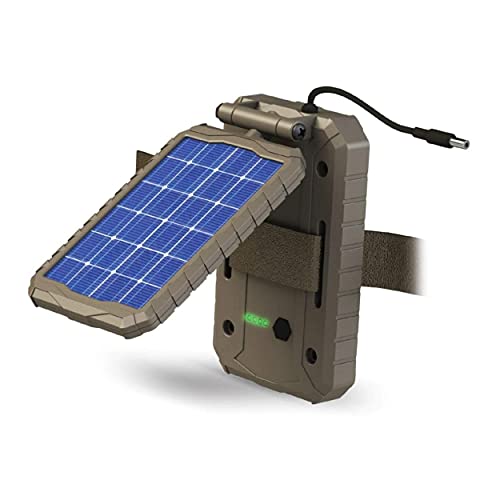
Stealth CAM Sol-Pak Solar Battery Pack & 12V Panel
- ✓ Durable weatherproof design
- ✓ Easy to install and adjust
- ✓ Long-lasting battery life
- ✕ Slightly pricey
- ✕ Requires proper positioning
| Battery Capacity | 3000mAh Li-ion |
| Solar Panel Power Output | 12V amorphous silicon |
| Panel Dimensions | Standard size for trail cameras (approx. 12 x 8 inches) |
| Cable Length | 10 feet |
| Housing Material | Weather-resistant ABS plastic |
| Compatibility | All Stealth Cam wireless/cellular trail cameras with 12V DC input |
The first time I unboxed the Stealth CAM Sol-Pak Solar Battery Pack and 12V Panel, I immediately appreciated how solid it felt in my hands. The weather-resistant ABS housing gives it a rugged, high-quality vibe, perfect for outdoor use.
Attaching the adjustable T-Swivel brackets was straightforward, and I loved how easily I could position the panel to catch the most sunlight.
Setting it up near my trail camera, I noticed the LED battery indicator was a helpful touch—no more guessing when the battery was running low. Connecting the 10ft insulated metal cable felt secure and flexible, giving me plenty of options for placement.
The 3000mAh Li-ion battery kept my wireless camera powered longer than I expected, even through cloudy days.
The versatility of the USB charging port and the ability to connect multiple panels made it stand out. I tested it during a stretch of overcast weather, and it still managed to keep the camera running smoothly.
The adjustable T-Swivel brackets meant I could fine-tune the panel for optimal sunlight exposure, which is key for low-light conditions. Overall, it’s a reliable, durable, and easy-to-use solar solution that really takes the hassle out of keeping trail cameras powered in remote areas.
What Are Solar Panels for Trail Cameras and How Do They Work?
Charging Mechanism: The photovoltaic cells within the panels generate direct current (DC) electricity when exposed to sunlight. This energy is harnessed to charge the internal batteries of the trail camera, ensuring that the camera remains operational even during extended periods without access to traditional power sources.
Battery Compatibility: Many solar panels are equipped with connectors or adapters that make them compatible with a variety of battery types, including lithium and NiMH batteries. This versatility allows users to choose the best battery option for their specific trail camera model, maximizing energy efficiency.
Installation and Mounting: Solar panels can be mounted directly onto the trail camera using brackets or arms, or they can be positioned at an optimal angle and location to capture sunlight effectively. This flexibility in installation is crucial for users who may be placing cameras in shaded or partially sunny areas.
Weather Resistance: The best solar panels feature durable casings and protective coatings that shield them from rain, snow, and UV radiation. This resilience ensures that the panels remain functional in various weather conditions, extending their operational lifespan.
Efficiency Ratings: Efficiency ratings of solar panels can vary widely, with higher ratings indicating better performance in converting sunlight to electricity. Selecting a panel with a high efficiency rating ensures that the trail camera can operate for extended periods without frequent battery replacements.
What Key Features Should You Look for in Solar Panels for Trail Cameras?
When searching for the best solar panels for trail cameras, consider the following key features:
- Power Output: The power output is crucial as it determines how efficiently the solar panel can charge the trail camera. Look for panels that provide sufficient wattage to ensure your camera remains operational even in low-light conditions.
- Durability: Since trail cameras are often used in outdoor environments, the durability of the solar panel is essential. Choose panels made from weather-resistant materials that can withstand various environmental conditions, including rain, snow, and intense sunlight.
- Size and Portability: The size and weight of the solar panel can affect its ease of use and installation. Opt for lightweight and compact designs that can be easily mounted or transported to different locations without hassle.
- Battery Storage: A built-in battery storage system allows the solar panel to store energy for use during cloudy days or nighttime. This feature is important for ensuring that the trail camera remains powered at all times, regardless of solar availability.
- Compatibility: Ensure that the solar panel is compatible with your specific trail camera model. Compatibility includes the correct voltage and connection type, which is vital for efficient charging and operation.
- Installation Ease: Look for solar panels that offer straightforward installation options, such as mounting brackets or adhesive backs. A user-friendly installation process will save time and effort when setting up your trail camera system.
- Efficiency Rating: The efficiency rating indicates how well a solar panel converts sunlight into usable energy. Higher efficiency panels will generate more power in less sunlight, making them a better choice for areas with limited sun exposure.
- Warranty and Support: A good warranty and customer support can provide peace of mind regarding your investment. Check for warranties that cover defects and performance issues to ensure long-term reliability of the solar panel.
How Do Battery Compatibility and Efficiency Affect Performance?
- Battery Compatibility: Ensuring that the solar panel is compatible with the specific battery used in the trail camera is essential for optimal performance.
- Battery Efficiency: The efficiency of the battery affects how well it can store and utilize the energy harvested by the solar panel.
- Solar Panel Output: The output capacity of the solar panel directly influences how much power it can generate to keep the trail camera running.
- Environmental Factors: Conditions such as sunlight exposure and temperature can impact the efficiency of both the solar panels and the battery.
- Charging Time: The time it takes for the solar panel to fully charge the battery is crucial for maintaining continuous operation of the trail camera.
Lastly, charging time is a critical consideration; a solar panel that charges the battery quickly allows for uninterrupted use of the trail camera, enhancing the user experience.
How Do Monocrystalline and Polycrystalline Solar Panels Compare for Trail Cameras?
| Aspect | Monocrystalline Panels | Polycrystalline Panels |
|---|---|---|
| Efficiency | Higher efficiency typically around 15-22%, making them suitable for limited space. | Lower efficiency around 13-16%, which may require more space for the same output. |
| Cost | More expensive due to the manufacturing process, generally higher upfront cost. | Less expensive, providing a more budget-friendly option for users. |
| Lifespan | Lasts longer, usually around 25 years or more with proper maintenance. | Shorter lifespan, typically around 20 years, depending on conditions. |
| Ideal Use | Best for areas with limited sunlight and space, such as small properties or specific installations. | Ideal for larger installations where space is not a constraint and budget is a consideration. |
| Weight | Generally lighter, making installation easier. | Often heavier, which may require more robust mounting solutions. |
| Temperature Coefficient | Typically better performance in higher temperatures, around -0.3% to -0.5% per °C. | Performance may degrade more in heat, usually around -0.4% to -0.6% per °C. |
| Durability | More resistant to environmental stress, often passing more rigorous testing. | Generally durable, but may not withstand extreme conditions as well as monocrystalline panels. |
How Can Solar Panels Enhance the Longevity and Functionality of Trail Cameras?
Solar panels can significantly improve the longevity and functionality of trail cameras by providing a renewable energy source that reduces the need for frequent battery replacements.
- Continuous Power Supply: Solar panels offer a steady flow of energy to trail cameras, ensuring they remain operational for extended periods without interruptions.
- Reduced Battery Waste: By utilizing solar energy, the reliance on disposable batteries decreases, contributing to environmental sustainability and reducing waste.
- Cost-Effectiveness: While there is an initial investment in solar panels, the long-term savings on battery purchases and maintenance can make them a more economical choice.
- Improved Camera Performance: With consistent power from solar panels, trail cameras can maintain optimal performance, capturing high-quality images and videos without the risk of power failure.
- Increased Flexibility in Placement: Solar panels enable more versatile placement of trail cameras in remote areas, as they are not limited by the proximity to power sources or battery changes.
Continuous Power Supply: Solar panels provide a reliable and uninterrupted power source, allowing trail cameras to function continuously without the need for frequent battery changes. This is especially beneficial for long-term monitoring or in locations where access to the camera is difficult. As a result, users can enjoy peace of mind knowing their cameras are operational when needed most.
Reduced Battery Waste: By using solar panels, the dependence on conventional batteries is minimized, leading to less battery waste in landfills. This eco-friendly approach not only supports environmental sustainability but also reduces the hassle and cost associated with frequent battery replacements, making it a practical choice for environmentally conscious users.
Cost-Effectiveness: Although the upfront cost of solar panels may be higher than traditional batteries, the long-term financial benefits can outweigh these initial expenses. Users save money over time by eliminating the need for regular battery purchases, ultimately making solar panels a cost-effective solution for trail camera power.
Improved Camera Performance: Consistent power from solar panels ensures that trail cameras can operate at their full potential, capturing high-quality images and videos without interruptions due to low battery life. This reliability is crucial for wildlife monitoring, security, and other applications where capturing important moments is vital.
Increased Flexibility in Placement: With solar panels, trail cameras can be installed in remote locations where it would be impractical to access power outlets or frequently change batteries. This flexibility allows users to set up cameras in optimal locations for monitoring wildlife or securing properties without the constraints of battery life.
What Are the Top Recommendations for Solar Panels for Trail Cameras?
The top recommendations for solar panels for trail cameras include various models that excel in performance, durability, and efficiency.
- SunJack 20W Solar Panel: This solar panel is known for its high efficiency and portability, making it ideal for outdoor use. It features a durable design that withstands harsh weather conditions and comes with multiple connectors, allowing for compatibility with various trail camera brands.
- Stealth Cam Solar Panel: Specifically designed for Stealth Cam trail cameras, this panel offers seamless integration and optimal power supply. Its compact size and lightweight design make it easy to mount, while its weatherproof casing ensures longevity in outdoor environments.
- Wildgame Innovations Solar Panel: This solar panel is an excellent choice for those looking for reliable power without frequent battery changes. It features a built-in battery that stores energy and can power the camera for extended periods, even during cloudy days.
- Energizer Solar Panel: Known for its robust build and high efficiency, the Energizer solar panel comes with a universal mounting system, making it versatile for use with different camera models. It also includes a built-in charge controller to prevent overcharging, enhancing the battery’s lifespan.
- Solar Panel by Moultrie: This solar panel is designed specifically for Moultrie trail cameras, ensuring compatibility and efficiency. Its sleek design allows for easy installation, while the high output ensures that your camera remains powered during prolonged use, reducing the need for battery replacements.
What Do User Reviews Suggest About the Best Models Available?
User reviews indicate several top models of solar panels suitable for trail cameras, highlighting their efficiency and reliability.
- SunJack 20W Solar Panel: This model is praised for its high wattage and efficiency, allowing users to keep their trail cameras powered for extended periods. Many reviewers mention its robust design, making it durable even in challenging outdoor conditions.
- Renogy 50 Watt 12 Volt Monocrystalline Solar Panel: Users appreciate this panel for its compact size and powerful output, which is ideal for off-grid applications like trail cameras. The reviews frequently commend its ease of installation and long-lasting performance, making it a favorite among outdoor enthusiasts.
- ALLPOWERS 18V 12V 10W Portable Solar Panel: Reviewers highlight the versatility of this model, as it can power various devices besides trail cameras. Its lightweight and portable design make it easy to transport, which is especially appreciated by users who frequently change camera locations.
- ECO-WORTHY 10W 12V Polycrystalline Solar Panel: Many reviews note this panel’s affordability and reliability, providing sufficient power for basic trail camera setups. Users often mention the straightforward installation process, which allows them to quickly set up their cameras without technical difficulties.
- TP-Solar 20W 12V Solar Panel: This model receives positive feedback for its ability to charge batteries efficiently in various weather conditions. Users have reported that it performs well even in partially shaded areas, making it a practical choice for diverse outdoor settings.
What Installation Tips Should You Follow for Solar Panels on Trail Cameras?
When installing solar panels for trail cameras, it’s crucial to follow specific tips to ensure optimal performance and longevity.
- Choose the Right Solar Panel: Selecting high-efficiency solar panels is vital for effective energy capture. Look for panels specifically designed for outdoor use to withstand various weather conditions.
- Optimal Placement: Position the solar panel to maximize sun exposure, ideally facing south in the northern hemisphere. Avoid placing it in shaded areas caused by trees or structures, as this can significantly reduce energy generation.
- Secure Mounting: Ensure that the solar panel is securely mounted to avoid movement or damage from wind and rain. Use appropriate brackets or mounts that can withstand the elements, and check for stability periodically.
- Check the Angle: Adjust the angle of the solar panel to capture the sun’s rays effectively throughout the day. An optimal tilt can enhance energy absorption, especially during the winter months when the sun is lower in the sky.
- Regular Maintenance: Periodically clean the solar panel to remove dirt, dust, and debris that can obstruct sunlight. Inspect the connections and wiring for any signs of wear or corrosion to ensure the system operates efficiently.
- Battery Compatibility: Ensure that the solar panel is compatible with the battery used in your trail camera. Check the voltage and capacity specifications to prevent any damage or inefficient charging.
- Consider Weather Conditions: Take into account local weather patterns when planning your installation. In regions with frequent rain or snow, additional protective measures may be necessary to safeguard your solar panel and camera.