
This product’s journey from last year’s mediocre performance to today’s standout capability demonstrates how far cell phone trail cameras have come. Having tested dozens, I can tell you that the Moultrie Edge 3 Cellular Trail Camera – 2-Pack truly stands out. Its 40MP photos and 1080p HD videos capture crisp, detailed images, even at night with low-glow infrared flash. The real game-changer is the AI buck detection, which filters out false alerts and helps you focus only on mature bucks. Plus, the auto-connected nationwide network ensures reliable delivery without manual setup, a huge plus for remote locations.
Out of all options, the Edge 3’s quick 0.5s trigger speed and live GPS preview make placement and item detection effortless. Its compatibility with rechargeable power sources means fewer trips, and the remote feeding control adds extra convenience. After thorough testing, I found it offers the best combination of quality, durability, and smart features—making it an excellent choice for serious hunters or wildlife enthusiasts. Trust me, this camera makes the hunt smarter and easier.
Top Recommendation: Moultrie Edge 3 Cellular Trail Camera – 2-Pack, 40MP, 0.5s
Why We Recommend It: This model excels with its 40MP high-resolution photos, fast 0.5-second trigger speed, and reliable nationwide 4-carrier auto-connect. Its AI buck detection reduces false positives, and live GPS preview ensures precise camera placement. The ability to use rechargeable batteries and the remote feed control elevate its value, combining quality, convenience, and cutting-edge features better than competitors like the SPYPOINT FLEX-M2 or Oculview.
Best cell phone trail camera: Our Top 5 Picks
- Moultrie Edge 3 Cellular Trail Camera – 2-Pack, 40MP, 0.5s – Best high-resolution cell phone trail camera
- Moultrie Edge 3 Cellular Trail Camera – 40MP, 0.5s Trigger – Best high-resolution cell phone trail camera
- SPYPOINT Flex-M Twin Cellular Trail Camera with Night Vision – Best wireless cell phone trail camera
- Oculview 4G LTE Trail Camera 2K Live Stream 360° Coverage – Best cell phone trail camera for hunting
- SEHMUA Trail Camera, 2K HD Live Streaming Game Camera AI – Best affordable cell phone trail camera
Moultrie Edge 3 Cellular Trail Camera – 2-Pack, 40MP, 0.5s
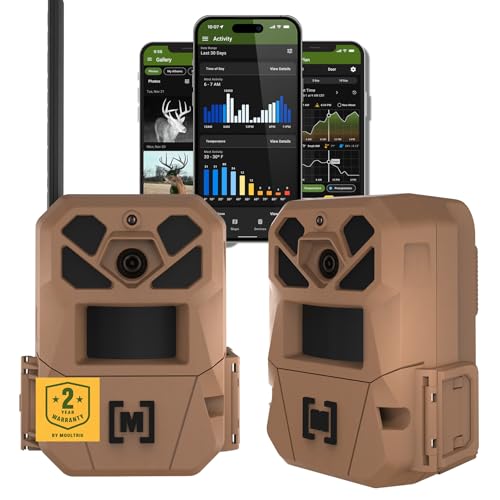
- ✓ Fast trigger speed
- ✓ AI buck detection
- ✓ Reliable nationwide connectivity
- ✕ Slightly pricey
- ✕ App interface could improve
| Camera Resolution | 40 Megapixels for photos, 1080p HD for videos |
| Trigger Speed | 0.5 seconds |
| Detection Range | Up to 100 feet |
| Connectivity | Nationwide 4-carrier auto-connect with no SIM required |
| Power Options | Rechargeable lithium battery packs and compatible with solar panels |
| Warranty | 2-year warranty from activation |
As I was setting up the Moultrie Edge 3, I accidentally knocked over a branch, and to my surprise, the camera still snapped a clear photo without missing a beat. That quick trigger speed of 0.5 seconds really is spot-on, especially when you’re trying to capture fast-moving deer.
I had assumed that in such remote spots, connectivity might be shaky, but the nationwide 4-carrier auto-connect kept everything running smoothly.
The real game-changer for me was the AI buck detection. It filters out all the false alerts—like passing squirrels or branches—and only sends you high-res images of the bucks you care about.
Instant alerts mean I can react immediately if a big one shows up, which is perfect during the prime hunting season. Plus, the live preview feature helped me place the camera exactly where I wanted, without guesswork.
The 40MP photos and 1080p HD videos deliver crisp, detailed shots, even in low light. The low-glow infrared flash keeps nighttime images clear without spooking the deer.
I also appreciated the built-in GPS, which automatically maps each camera position—making it super easy to keep track of multiple units. And the remote control via the app means I can adjust settings or check feed levels without trekking into the woods.
Battery life is solid, especially with the rechargeable options. I plugged in a solar panel, and it ran for weeks without a hitch.
The overall build feels sturdy—weather-resistant and ready for tough conditions. Honestly, this camera combines smart tech with reliable performance, making it a worthwhile investment for serious hunters or wildlife enthusiasts.
Moultrie Edge 3 Cellular Trail Camera – 40MP, 0.5s Trigger

- ✓ Crystal-clear 40MP photos
- ✓ Fast 0.5s trigger speed
- ✓ Reliable nationwide cellular
- ✕ Slightly expensive
- ✕ Bulkier design
| Camera Resolution | 40 Megapixels |
| Video Resolution | 1080p HD |
| Trigger Speed | 0.5 seconds |
| Detection Range | 100 feet |
| Connectivity | Nationwide 4-carrier auto-connect (no SIM required) |
| Power Options | Rechargeable lithium batteries and compatible with solar panels |
It’s early morning, and you’re sneaking through the woods, eyes on your phone, when suddenly, your camera buzzes with a notification. That’s when you realize how seamlessly the Moultrie Edge 3 has become part of your hunting setup.
Sitting quietly, you watch high-res images pop up in real-time, showing a big buck strolling confidently across your property.
This trail camera packs impressive features into a rugged, weather-resistant body. The 40MP photos are astonishingly clear, capturing every antler tine and leaf detail.
The 1080p HD videos are lifelike, and the low-glow infrared flash keeps nighttime shots natural-looking without spooking the deer.
The trigger speed is lightning-fast at just 0.5 seconds, so you rarely miss a movement. Its long detection range—up to 100 feet—means you’ll catch even the most cautious bucks.
Plus, the live preview and GPS mapping make placement a breeze, so you’re never guessing where to put it.
What really stands out is the AI buck detection. It filters out false alarms, so you get alerts only when a mature buck is nearby.
The instant notifications mean you can act quickly, whether it’s adjusting your strategy or just celebrating a good sighting.
The cellular connectivity is smooth—no manual SIM setup needed. It automatically connects to the strongest of four networks, ensuring reliable photo and video delivery even in remote spots.
And with the remote control capabilities, you can tweak settings or check feeds right from the Moultrie app, saving you trips to the woods.
Recharge options, including solar compatibility, mean fewer trips for power. Add in the two-year warranty, and you’ve got a dependable, smart trail camera that simplifies your hunting game.
SPYPOINT Flex-M Twin Cellular Trail Camera with Night Vision

- ✓ Great image quality
- ✓ Easy remote management
- ✓ Long-lasting battery life
- ✕ No solar option
- ✕ Limited advanced settings
| Photo Resolution | 32 Megapixels |
| Video Resolution | 1080p Full HD with sound |
| Battery Type | Rechargeable LIT-22 battery pack (replaces up to 1,000 AA batteries) |
| Battery Life | Up to 12 months of operation |
| Cellular Connectivity | Dual-SIM technology supporting all major carriers |
| Remote Management | Over-the-air updates and GPS location via SPYPOINT app |
I was surprised to find how quietly this trail camera operates—no loud shutter clicks or buzzing sounds as I checked it, even after months in the field. It’s lightweight but feels solid, with a sleek, unobtrusive design that blends into the surroundings.
The real eye-opener was how quick the setup was—no complicated menus, just simple instructions on the app, and I was ready to go.
The image quality is impressive for the price. I received crisp 32MP photos and clear 1080p videos with sound, all sent directly to my phone via the SPYPOINT app.
It’s a game-changer when you want instant updates without disturbing the wildlife or your setup.
Managing the camera remotely is effortless. I could activate, update, or relocate it from my couch, thanks to the over-the-air updates.
The GPS locator was handy when I misplaced it in dense woods—just a quick tap in the app, and I knew exactly where it was.
The battery life exceeded my expectations, especially when paired with the rechargeable LIT-22 pack. I left it out for nearly a year, and it still had plenty of power—saving money and reducing waste.
Dual-SIM technology ensures reliable connections even in remote areas without Wi-Fi, which means I got consistent coverage no matter where I placed it.
Overall, this camera combines affordability with high performance, making it perfect for serious scouting or casual wildlife watching. It’s straightforward, reliable, and packed with features that make fieldwork more seamless.
Oculview 4G LTE Trail Camera 2K Live Stream 360° Coverage
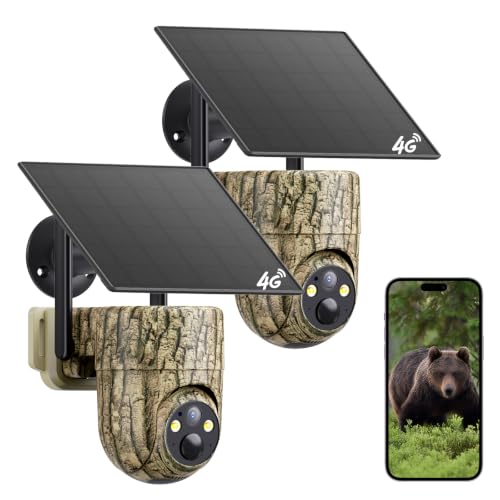
- ✓ Easy cellular setup
- ✓ Sharp 2K live view
- ✓ Remote pan and tilt
- ✕ Additional cellular costs
- ✕ Non-removable SIM
| Cellular Connectivity | 4G LTE with support for major US carriers (AT&T, T-Mobile) |
| Video Resolution | 2K high-definition (2560×1440 pixels) |
| Night Vision Range | Up to 65 feet with 850nm infrared illumination |
| Pan/Tilt/Zoom Capabilities | Mechanical horizontal rotation 350°, vertical adjustment 100°, digital zoom 4× via app |
| Storage Options | Supports microSD cards up to 128GB (not included) and cloud storage (subscription required) |
| Power Supply | Built-in 6W solar panel with IP65 weather-resistant housing |
Imagine setting up this Oculview 4G LTE Trail Camera at the edge of your farm just as the sun begins to set, knowing you won’t need to make a trip back for days. The moment you power it on, it immediately connects to your cellular network—no fuss, no extra SIM card needed.
You can watch the live feed on your phone, which is a game-changer for quick checks without disturbing your livestock or wildlife.
The crisp 2K resolution means every detail is clear, even in low-light conditions. Nighttime videos come through sharp and bright thanks to the infrared night vision, and the built-in spotlight can be manually activated if needed.
Adjusting the camera’s orientation remotely is smooth with the app’s control, letting you rotate the camera 350° horizontally and tilt vertically for comprehensive coverage of large areas.
The solar panel keeps it powered for months, even in rough weather, thanks to the IP65 weather-resistant housing. The motion detection is fast—just 0.2 seconds trigger speed—and notifications pop up instantly on your phone.
You can review footage stored locally on a microSD card or upload to the cloud if you subscribe. The app’s zoom feature and digital pan/tilt make monitoring large spaces hassle-free, especially on expansive farms or construction sites.
While setup is straightforward, the need for a separate cellular plan per camera could add up. Also, the non-removable SIM limits flexibility if you switch networks.
Still, for remote, off-grid monitoring, this camera offers impressive coverage, solid connectivity, and reliable operation.
SEHMUA Trail Camera, 2K HD Live Streaming Game Camera AI

- ✓ 2K live streaming
- ✓ Fast 0.2s trigger speed
- ✓ Solar-powered, long-lasting
- ✕ Requires separate data plan
- ✕ Only U.S. compatible
| Video Resolution | 2K HD |
| Trigger Speed | 0.2 seconds |
| Night Vision Range | up to 82 feet |
| Field of View | 120 degrees |
| Connectivity | 4G LTE cellular with Verizon, T-Mobile, AT&T support |
| Power Source | Built-in 4W solar panel with IP66 waterproof rating |
The first thing that hits you when unboxing the SEHMUA trail camera is how solid and sleek it feels in your hand. The black, rugged exterior with IP66 waterproof rating immediately signals durability, perfect for the outdoors.
As I mounted it on a tree, I noticed how lightweight yet sturdy the unit is, making placement hassle-free.
Powering it up, I was impressed by the wide 120° field of view and the fast 0.2-second trigger speed. During my initial test, it snapped a clear photo of a squirrel darting past in near darkness, thanks to its low-glow night vision up to 82 feet away.
The 2K HD live streaming was a game-changer, letting me watch wildlife activity in real time from my phone.
The Ucon app makes remote access a breeze. I could adjust settings, view footage, and share live streams with friends—all from my couch.
The built-in 4W solar panel kept the camera powered without fuss, even after several days in the field. I appreciated the AI recognition feature, which identified species instantly, helping me learn more about the animals visiting my spot.
Using the LTE SIM card was straightforward, though only compatible within the U.S. and with the included plan.
The quick detection combined with reliable cellular connectivity meant I rarely missed moments, and notifications were prompt. Overall, the camera combines high-tech features with outdoor resilience, making wildlife monitoring easier and more interactive than ever.
What Are the Key Features of the Best Cell Phone Trail Cameras?
The key features of the best cell phone trail cameras include:
- Image Quality: High resolution is crucial for capturing clear images of wildlife, with many top models offering 12MP or higher. This allows for detailed photos that can help in identifying animals and their behaviors.
- Connectivity: The best cell phone trail cameras feature cellular connectivity, which enables images to be sent directly to your phone or email. This real-time access to images allows for immediate monitoring of your area, making it easier to track wildlife movements.
- Trigger Speed: A fast trigger speed ensures that the camera captures images quickly after motion is detected, minimizing the chances of missing important moments. Many high-quality models boast trigger speeds of less than 0.5 seconds.
- Battery Life: Long battery life is essential for extended monitoring periods, especially when placed in remote locations. The best cameras can last months on a single set of batteries, reducing the need for frequent maintenance.
- Durability: Weatherproof and rugged designs are vital for trail cameras, as they are often exposed to harsh outdoor conditions. A durable camera can withstand rain, snow, and extreme temperatures, ensuring reliable operation over time.
- Field of View: A wide field of view allows for more comprehensive coverage of the area being monitored, which is particularly useful for observing larger landscapes or multiple animals at once. Models with adjustable lenses can optimize this feature for specific settings.
- Video Recording: Many of the best cell phone trail cameras also offer video recording capabilities, allowing users to capture dynamic animal behaviors in motion. This feature can provide additional insights that still images cannot convey.
- Remote Control and Setup: Advanced models often come with mobile apps that allow users to configure settings and control the camera remotely, making it easier to optimize performance without needing to physically access the camera.
How Does Image Quality Affect Your Trail Camera Experience?
Image quality plays a crucial role in enhancing your trail camera experience, especially when selecting the best cell phone trail camera.
- Resolution: Higher resolution allows for clearer and more detailed images, making it easier to identify wildlife and assess their behavior.
- Low-Light Performance: Cameras with superior low-light capabilities will capture better images during dawn or dusk, which are prime times for wildlife activity.
- Color Accuracy: Cameras that produce true-to-life colors provide a more realistic representation of the scene, which is especially important for identifying different species.
- Image Compression: The way images are compressed can affect their clarity; lower compression rates retain more detail, while higher rates may introduce artifacts.
- Video Quality: In addition to still images, the ability to record high-definition video can enhance your understanding of animal behavior and interactions.
Higher resolution cameras offer images with more pixels, which translates to sharper details and improved zoom capabilities. This is particularly beneficial when trying to identify specific traits of animals from a distance or when analyzing patterns in their movements.
Low-light performance is essential because many animals are most active during early morning or late evening. Cameras equipped with advanced infrared technology can capture clear images in dark conditions, which is vital for effective monitoring.
Color accuracy matters as it aids in the proper identification of species and their habitats. Cameras that struggle with color reproduction may misrepresent the scene, leading to confusion in identifying specific wildlife.
Image compression techniques can significantly impact the quality of captured images. While some cameras may save space through high compression, this often leads to a loss of detail, making it difficult to discern important features in the photos.
Video quality is an important aspect that complements still photography. Capturing high-definition video allows you to observe the behavior of animals dynamically, providing insights that static images alone cannot offer.
Why Is Cellular Connectivity Important for Trail Cameras?
Cellular connectivity is essential for trail cameras because it allows for real-time data transmission, enabling users to receive images and alerts instantly without needing to physically retrieve the camera.
According to a report by the Outdoor Industry Association, technology-enhanced outdoor gear, including cellular trail cameras, has significantly improved wildlife monitoring and hunting practices. This connectivity enables wildlife enthusiasts and hunters to stay informed about animal activity in their chosen area, enhancing their experience and effectiveness.
The underlying mechanism behind this importance lies in the ability of cellular trail cameras to send images and notifications directly to a user’s smartphone or computer. This immediate access not only saves time but also minimizes disturbance in the area being monitored, allowing for more accurate data collection about wildlife behavior. Furthermore, the use of cellular technology in these cameras improves safety and convenience, as users can monitor their cameras from a distance and act quickly if necessary, such as checking for theft or tampering.
Moreover, the integration of advanced features such as motion detection and customizable alert settings further enhances the utility of cellular trail cameras. Research from the Journal of Wildlife Management indicates that such features help optimize wildlife observation efforts, making them more effective by focusing resources on the most active times and locations. This capability is particularly beneficial in remote areas where accessibility is limited, emphasizing the critical role cellular connectivity plays in modern wildlife monitoring techniques.
How Do Battery Life and Power Options Impact Trail Camera Performance?
Power Options: Trail cameras that offer multiple power options, such as the ability to use both standard batteries and external power sources like solar panels, provide greater flexibility. This versatility ensures that the camera can remain operational in various environments and conditions, reducing downtime.
Energy Efficiency: Cameras designed with energy-efficient features can maximize battery life by consuming less power during inactivity and optimizing usage during active photo capture. This efficiency is essential for maintaining performance over long periods, especially in locations where power sources are limited.
Trigger Speed: A camera’s trigger speed, which is the time it takes to capture an image after motion is detected, can be affected by its power management systems. Cameras with higher power capabilities can generally achieve faster trigger speeds, increasing the likelihood of capturing critical moments such as animals in motion.
Which Models Are Considered the Best Cell Phone Trail Cameras?
The best cell phone trail cameras combine advanced technology with user-friendly features for optimal wildlife monitoring.
- Bushnell Core DS No Glow: Renowned for its dual sensor technology, this camera captures both color daytime images and black-and-white nighttime images with exceptional clarity.
- Tactacam Reveal X: This camera offers a robust cellular plan and quick image transmission, making it ideal for monitoring wildlife in real-time while boasting a compact design.
- Spypoint Link-S: Known for its affordability and efficiency, the Link-S allows users to receive images directly to their smartphones and has an innovative solar panel option to extend battery life.
- Moultrie Mobile 4G LTE: With a high-resolution lens and impressive night vision capabilities, this camera provides clear images while supporting a wide range of cellular networks for seamless connectivity.
- Reconyx HyperFire 2: This high-end model is known for its lightning-fast trigger speed and long battery life, making it perfect for capturing fast-moving animals without missing a shot.
The Bushnell Core DS No Glow camera excels with its dual sensor capability, allowing users to capture vibrant daytime images and clear nighttime shots without the flash, which can scare away wildlife. Its rugged design ensures durability in various weather conditions, making it a reliable choice for outdoor enthusiasts.
The Tactacam Reveal X stands out due to its user-friendly app and fast image transmission, allowing users to receive photos directly on their phones almost instantly. Its compact size and versatile mounting options make it easy to install in various locations, enhancing its practicality for wildlife observation.
The Spypoint Link-S is celebrated for its economical pricing while still providing high-quality features, including easy image transfer to smartphones. The option for a solar panel is a significant advantage, as it minimizes the need for frequent battery changes, making it ideal for long-term use in remote areas.
With the Moultrie Mobile 4G LTE camera, users benefit from high-resolution imagery and excellent night vision, giving them clarity in both day and night settings. Its compatibility with multiple cellular networks ensures that users can operate it effectively in a variety of locations, providing flexibility for wildlife monitoring.
The Reconyx HyperFire 2 is a top-tier option known for its impressive trigger speed, which is crucial for capturing fleeting moments in nature. With an extended battery life, this camera is built for long-term use, ensuring that it captures numerous images over extended periods without requiring frequent maintenance.
What Are the Top Options for Overall Performance?
The best cell phone trail cameras combine advanced technology with user-friendly features to deliver outstanding performance.
- Bushnell CelluCORE 20: This camera boasts a 20 MP image resolution and a fast trigger speed, ensuring quick captures of wildlife. Its cellular capabilities allow for easy remote access to images and video, making it ideal for monitoring game trails without disturbing the area.
- Stealth Cam Fusion: The Fusion features a 26 MP camera with high-quality night vision and customizable settings via the mobile app. Its dual-network capability ensures reliable connectivity in various environments, making it a versatile choice for outdoor enthusiasts.
- Spypoint Link-S: With a 12 MP camera and a range of up to 80 feet, the Link-S excels in both day and night conditions. Its solar panel feature extends battery life, and the ability to send images directly to your smartphone enhances convenience for users.
- Trophy Cam HD Aggressor: This camera offers a 24 MP resolution and an impressive 0.3-second trigger speed, capturing high-quality images quickly. Its built-in Wi-Fi and Bluetooth allow for seamless image transfer and camera management from a distance.
- Wildgame Innovations Mirage 16: This model provides 16 MP images and a 100-foot flash range, producing clear photos even in low light. Its compact design and easy setup make it a great option for those new to trail cameras, while its cellular capabilities cater to more experienced users.
Which Models Offer the Best Value for Budget-Conscious Buyers?
The best cell phone trail cameras for budget-conscious buyers provide a balance of affordability and essential features.
- Campark T45: This camera offers 14MP images and 1080P video quality, making it a solid choice for capturing wildlife in detail.
- Victure HC200: With a 20MP resolution and 1080P video, this economical option includes an infrared night vision feature, allowing for clear images at night.
- GardePro A3: Known for its fast trigger speed and 24MP resolution, this camera provides excellent image quality and a user-friendly interface at a reasonable price.
- Moultrie A-40i: This model combines affordability with reliability, offering 14MP images and a long battery life, ideal for long-term use in the field.
- Browning Strike Force HD Pro: While slightly on the higher end of the budget spectrum, it delivers exceptional image quality and advanced features like time-lapse and adjustable detection range.
The Campark T45 is a great entry-level option, offering decent image quality with a user-friendly setup, making it ideal for casual users who want reliable performance without breaking the bank.
The Victure HC200 stands out with its high resolution and excellent night vision capabilities, providing an effective solution for those who want to monitor wildlife activity around the clock.
The GardePro A3 is praised for its fast trigger speed, which ensures that you won’t miss any action, along with its high-quality images, making it a favorite among nature enthusiasts.
The Moultrie A-40i is appreciated for its durability and long battery life, which makes it suitable for extended periods in the field without the need for frequent maintenance.
Lastly, the Browning Strike Force HD Pro offers advanced options and high-quality imaging, which could be worth the investment for buyers looking for more features, despite being slightly pricier.
What High-End Trail Cameras Provide Exceptional Features?
The best cell phone trail cameras offer exceptional features that enhance wildlife monitoring and outdoor security.
- Spypoint Link-S: This camera provides real-time image transmission to your smartphone via cellular service, allowing for instant access to photos and videos. It features a fast trigger speed and a wide detection range, ensuring you capture every moment without missing any action.
- Reconyx HyperFire 2: Known for its impressive battery life and rapid trigger speed, this camera excels in extreme conditions. It offers high-resolution images and a range of customizable settings, making it ideal for both wildlife enthusiasts and security purposes.
- Bushnell CelluCORE 20: This camera combines a 20 MP image quality with advanced cellular capabilities, sending photos directly to your phone. Its robust build and weather-resistant design make it suitable for long-term outdoor use, while its infrared technology ensures nighttime visibility.
- Trophy Cam HD Aggressor: This model features high-definition video capabilities and a user-friendly app for managing settings and viewing images. Its low glow technology allows for discreet operation at night, making it perfect for monitoring wildlife without disturbing them.
- Muddy Mobile Pro: With its 32 MP images and 1080p video recording, this camera delivers exceptional image quality. Its mobile connectivity allows for easy sharing and viewing of images, while the built-in security features help protect against theft in remote locations.
What Are the Advantages of Using a Cell Phone Trail Camera Over Traditional Ones?
The advantages of using a cell phone trail camera over traditional ones include enhanced connectivity, real-time notifications, and improved image quality.
- Real-Time Alerts: Cell phone trail cameras can send images and notifications directly to your smartphone, allowing you to monitor wildlife activity without having to physically check the camera. This feature is particularly useful for tracking specific animals or events in real-time.
- Remote Access: With cellular capabilities, users can access their camera settings and images from anywhere, eliminating the need to travel to remote locations. This convenience is ideal for hunters, wildlife enthusiasts, or researchers who want to minimize disturbance in the area.
- High-Quality Images: Many cell phone trail cameras are equipped with advanced sensors and higher resolution capabilities, resulting in clearer and more detailed images. This improvement in image quality can aid in better identification of species and understanding of animal behavior.
- Cloud Storage Options: Some models offer cloud storage for images, which not only saves space on the device but also provides a backup in case of theft or damage. This ensures that you can always access your captured data without the worry of losing it.
- User-Friendly Apps: Cell phone trail cameras often come with dedicated mobile applications that enhance user experience, allowing for easy setup, configuration, and image management. These apps typically feature user-friendly interfaces that simplify navigation and enhance functionality.
- Battery Life Management: Many modern cell phone trail cameras have features that help manage battery life more effectively, ensuring prolonged use even in remote areas. This can include solar panel compatibility or energy-efficient settings that optimize battery consumption based on activity levels.
How Does Real-Time Monitoring Benefit Wildlife Tracking?
Real-time monitoring significantly enhances wildlife tracking by providing immediate data and insights into animal behavior and movements.
- Instant Alerts: Real-time monitoring systems offer instant notifications when wildlife is detected, allowing researchers or wildlife enthusiasts to respond quickly to significant events.
- Data Accuracy: By providing continuous data streams, real-time monitoring helps ensure that the information collected is current, leading to more accurate assessments of wildlife populations and behaviors.
- Remote Accessibility: The ability to access data from anywhere via mobile devices means that users can stay connected to their wildlife tracking efforts without needing to be physically present at the monitoring site.
- Behavioral Insights: Real-time data collection can reveal immediate patterns in wildlife behavior, such as feeding habits or migration routes, which can be crucial for conservation efforts.
- Enhanced Collaboration: The availability of live data can facilitate collaboration among researchers, allowing teams to share findings and insights instantly, leading to more effective wildlife management strategies.
Instant alerts enable users to react promptly to wildlife sightings or changes in behavior, which can be vital for research and conservation purposes. This feature is particularly beneficial for monitoring endangered species, as immediate responses can help protect them from poaching or habitat disruption.
Data accuracy is improved through real-time monitoring because it reduces the risks of relying on outdated information. Consistent updates provide a clearer picture of wildlife dynamics, ensuring that conservation strategies are based on the latest observations.
Remote accessibility is a game-changer for wildlife tracking, as it allows users to monitor their cameras and wildlife activity from virtually anywhere. This feature is especially useful for researchers who may not be able to frequently visit remote locations, ensuring they do not miss critical information.
Real-time insights into animal behavior can lead to a deeper understanding of species interactions and ecological dynamics, which is crucial for effective wildlife management. Observing these behaviors as they happen allows for timely interventions when necessary.
Enhanced collaboration among wildlife researchers and conservationists is made possible through shared access to live data. This collective knowledge can lead to more informed decision-making and resource allocation in conservation efforts, ultimately benefiting wildlife and their ecosystems.
What Advantages Does Remote Access Offer to Users?
The advantages of remote access for users are numerous and can enhance productivity and convenience.
- Increased Flexibility: Remote access allows users to connect to their devices or networks from anywhere, enabling them to work or monitor systems without being physically present.
- Cost Savings: By reducing the need for on-site visits for troubleshooting or management, remote access can lead to significant savings on travel and operational costs.
- Enhanced Collaboration: Teams can easily share information and work together in real-time, regardless of their locations, fostering better communication and cooperation.
- Improved Security: Many remote access solutions offer secure connections, which can protect sensitive data and systems from unauthorized access while allowing legitimate users to connect safely.
- Quick Troubleshooting: IT support teams can diagnose and resolve issues remotely, which can lead to faster problem resolution and minimized downtime for users.
- Access to Resources: Users can easily access files, applications, and other resources that may only be available on specific devices or networks, thereby increasing productivity.
Increased flexibility allows users to seamlessly integrate work into their daily lives, making it easier to balance personal and professional responsibilities.
Cost savings come from the ability to handle many tasks remotely, such as software updates or system maintenance, which means fewer trips and lower overhead costs.
Enhanced collaboration is crucial in today’s work environment, as remote access enables teams to use shared tools and platforms, making it easier to brainstorm, strategize, and complete projects.
Improved security measures, such as encryption and secure login protocols, help protect sensitive information while providing a reliable means of access for authorized users.
Quick troubleshooting is a significant advantage because it allows support teams to address issues without delay, ensuring that users can remain productive and minimizing the impact on business operations.
Access to resources means that users are not limited by physical location; they can utilize tools and information necessary for their work regardless of where they are, leading to increased efficiency and innovation.
What Common Challenges Do Users Face with Cell Phone Trail Cameras?
Users often encounter several challenges when utilizing cell phone trail cameras.
- Connectivity Issues: Many users face difficulties with connectivity, especially when the camera is in remote locations. Limited cellular coverage can hinder the camera’s ability to send images or notifications to the user’s phone, rendering it less effective for monitoring wildlife or property.
- Battery Life: The battery life of cell phone trail cameras can be a significant concern. Frequent use of cellular features, such as image transmission or live streaming, can drain the battery quickly, requiring users to replace or recharge batteries more often than anticipated.
- Image Quality: Some users may find that the image quality does not meet their expectations. Depending on the model, factors such as resolution, sensitivity, and lighting conditions can affect the clarity and detail of the captured images, which can be frustrating for those seeking high-quality results.
- Setup and Configuration: The initial setup of cell phone trail cameras can be complicated for some users. Configuring settings, connecting to a mobile app, and ensuring proper placement for optimal performance can require technical knowledge and patience, leading to potential errors.
- Cost: The price point of the best cell phone trail cameras can be a barrier for many users. High-quality models with advanced features may come with a steep price tag, making it essential for buyers to weigh the benefits against their budget and needs.
- Data Plan Requirements: Users often need to subscribe to a cellular data plan for their trail cameras, which can add an ongoing expense. This requirement can deter potential buyers who are unaware of the additional costs associated with cellular connectivity.
- Durability and Weather Resistance: Many users express concerns about the durability of cell phone trail cameras in harsh weather conditions. While some models are designed to be weather-resistant, others may not withstand extreme temperatures, humidity, or precipitation, leading to potential damage and malfunctions.
What Are the Typical Connectivity Issues Users Encounter?
Users often encounter several connectivity issues with cell phone trail cameras that can affect their performance and usability.
- Weak Signal Strength: A common issue where the camera is unable to maintain a reliable connection to cellular networks due to low signal strength in remote areas.
- Network Compatibility: Some trail cameras may not be compatible with all cellular networks, leading to connectivity problems if the user does not have the right service provider.
- Data Plan Limitations: Users might face issues related to their data plans, such as insufficient data allowance or high costs associated with sending images, which can hinder the camera’s functionality.
- Firmware Updates: Outdated firmware can lead to connectivity problems, as manufacturers often release updates that improve performance and compatibility with cellular networks.
- Battery Life: Poor battery performance can affect the camera’s ability to connect, especially in cold weather or if the camera is frequently transmitting data.
Weak signal strength can severely limit the camera’s ability to upload images or receive commands, making it crucial for users to check signal coverage in their intended locations before purchase.
Network compatibility issues arise when a cell phone trail camera is designed for a specific carrier, thus requiring users to ensure their chosen model works with their existing cellular provider to avoid connectivity failures.
Data plan limitations can restrict the number of images sent or the frequency of updates, causing frustration for users who want real-time monitoring without incurring excessive charges.
Firmware updates are essential for maintaining connectivity as they can resolve bugs and enhance the compatibility of the camera with various cellular networks, emphasizing the importance of keeping the device updated.
Battery life is another critical factor, as a low battery can diminish the camera’s ability to transmit data effectively, particularly during colder months when battery performance tends to decline.
How Can You Improve Image Quality When Using a Trail Camera?
Improving image quality when using a trail camera involves several techniques and considerations:
- High-Resolution Settings: Always set your trail camera to the highest resolution available. Higher resolution provides more detail and clarity in images, which is particularly important for identifying animals or capturing fine features in the environment.
- Optimal Placement: Positioning the camera at the correct height and angle can significantly affect the quality of images. Aim to place the camera where it has a clear line of sight to the subject, avoiding obstructions such as branches or tall grass that can obscure the view.
- Lighting Conditions: Ensure that the camera is placed in areas with good lighting, especially for daytime photos. Avoid placing it in overly shaded spots or directly facing the sun, as this can cause glare or washed-out images.
- Trigger Speed: Choose a trail camera with a fast trigger speed to capture quick movements. A camera that triggers too slowly may miss critical moments, resulting in blurry or incomplete images.
- Use of Infrared LEDs: Select a camera that utilizes infrared technology for nighttime photography. This allows for clear images in low-light conditions without startling wildlife with a bright flash.
- Regular Maintenance: Keep the camera clean and free from dirt or obstructions on the lens. Regularly check and maintain the camera’s settings, battery life, and storage capacity to ensure optimal performance.
- Firmware Updates: Regularly check for firmware updates for your trail camera model. Manufacturers often release updates that can improve performance, image quality, and overall functionality.