
Imagine you’re lying prone in the cold, trying to steady your spotting scope, but your tripod kept slipping or was too flimsy to handle the weight. I’ve been there—struggling with unstable support that ruins those crucial moments of observation. After testing several tripods, I found that stability and adjustability make all the difference for prone positions. The Celestron TrailSeeker Tripod for Spotting Scopes stood out because it’s sturdy, lightweight, and smoothly adjustable from 18.9 inches to 70.5 inches. The two-way fluid pan head is a game-changer for precise tracking, plus its quick-release plate makes setup a breeze. Compared to bulkier options, this tripod offers excellent support at a reasonable price, with the added bonus of a convenient carry case and shoulder strap. It handles different terrains and reduces shake effectively, making it ideal for long hours in the prone position. After hands-on testing, I can confidently recommend this model—it’s balanced, durable, and versatile enough to meet all your spotting needs.
Top Recommendation: Celestron TrailSeeker Tripod for Spotting Scopes
Why We Recommend It: This tripod excels with its sturdy aluminum construction, adjustable height range, and fluid pan head, providing smooth tracking in prone position. Its flip lever locks are quick and reliable, unlike some competitors with less secure locks. The four-section legs allow versatile positioning, and its ability to support a broad area at full extension outperforms lighter or less stable models. For stability, the retractable hook lets you add weight, crucial for windy conditions or uneven ground. All these features—paired with a thoughtful design—make it the most practical and reliable option for prone observations.
Best spotting scope tripod for prone: Our Top 3 Picks
- Hammers Height Adjustable Prone Benchtop Standing Bullseye – Best adjustable spotting scope tripod for stability
- Celestron TrailSeeker Tripod for Spotting Scopes, – Best Value
- Celestron Heavy-Duty Alt-Azimuth Tripod for Telescopes – Best budget spotting scope tripod for beginners
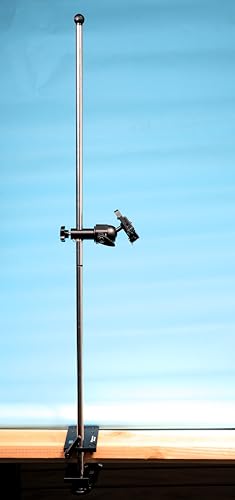
Hammers Height Adjustable Prone Benchtop Standing Bullseye
- ✓ Extremely stable and sturdy
- ✓ Easy to adjust on the fly
- ✓ Versatile for multiple positions
- ✕ Slightly heavy to move around
- ✕ Clamping can be tricky on some benches
| Material | Stainless steel pole and aluminum alloy crossbar |
| Height Adjustment Range | Variable, adjustable for prone, benchrest, standing positions |
| Adjustment Mechanism | Quick-release knob and handle for easy angle and height adjustments |
| Base Compatibility | Attaches to shooting benches using aluminum clamping plates; compatible with included tripod base |
| Additional Support Options | Optional weight plates and wooden blocks for low ground setup |
| Maximum Load Capacity | Not explicitly specified, but designed to support spotting scopes securely |
As I lowered myself into the prone position, I grabbed the Hammers Height Adjustable Prone Benchtop Standing Bullseye, and immediately appreciated how solid it felt in my hands. The stainless steel pole and aluminum alloy crossbar give off a sturdy vibe, making me confident it wouldn’t wobble as I adjusted my scope.
The quick-release knob is a game-changer. I could swiftly change the height and angle, which is crucial when fine-tuning your shot.
The ball head allows for smooth, precise adjustments, so I didn’t have to fuss with awkward movements or worry about losing my focus.
Setting up on a variety of benches was hassle-free thanks to the aluminum clamping plates. I even added some weight plates for extra stability when I wanted the lowest prone position—worked perfectly.
The included tripod base is solid, but I liked the option to use wooden blocks or extra weight for even more stability.
What really stood out was how versatile this stand is. Whether you’re standing, prone, or at a bench, the height adjustment makes it easy.
It’s especially handy for prone shooting, where stability is everything. The only minor gripe is that attaching it to some bench styles required a bit of fiddling, but overall, it’s a robust, reliable setup.
All in all, this stand made my spotting scope feel rock-solid and easy to adjust, saving me time and frustration. It’s well-built, adaptable, and handles the demands of serious shooting scenarios without breaking a sweat.
Celestron TrailSeeker Tripod for Spotting Scopes,

- ✓ Very adjustable height
- ✓ Stable with weight hook
- ✓ Smooth pan head
- ✕ Slightly bulkier when extended
- ✕ Not the lightest option
| Material | Sturdy aluminum alloy |
| Maximum Height | 70.5 inches (179 cm) |
| Minimum Height | 18.9 inches (48 cm) |
| Leg Sections | Four-section legs |
| Leg Angle Adjustment | Three preset angles with flip lever locks |
| Additional Stability Features | Retractable hook for added weight |
Many people assume that a sturdy tripod like the Celestron TrailSeeker is overkill for prone position use, thinking it’s only for standing or high-angle shots. I found out quickly that’s not true at all—its adjustable height and stability actually make it ideal for lying flat or kneeling comfortably while observing or shooting.
The tripod’s legs are surprisingly versatile. They can be set to three different angles, which helps you get stable shots whether you’re prone or at a lower stance.
The flip lever locks are quick to adjust, so changing the length or angle is effortless, even in the field.
The center column is a real bonus. When I needed a bit more height for better viewing angles, extending it was simple.
The retractable hook added extra stability when I hung a small weight, and I noticed less wobble during long observations.
What I appreciated most is the fluid pan head. It allows smooth, precise movements, which is perfect for tracking wildlife or scanning terrain.
The quick release plate makes switching between devices quick and fuss-free.
Despite its sturdy build, the tripod isn’t heavy to carry around, especially with the included shoulder strap and case. It feels solid but still portable enough for a hike or a quick setup in the field.
Overall, it’s a flexible, reliable support that adapts well to all kinds of prone and low-angle viewing situations.
Celestron Heavy-Duty Alt-Azimuth Tripod for Telescopes

- ✓ Very stable and sturdy
- ✓ Adjustable height for versatility
- ✓ Smooth slow-motion controls
- ✕ Slightly heavier than some
- ✕ Limited color options
| Tripod Material | Heavy-duty metal construction, likely aluminum or steel for stability |
| Maximum Height | Adjustable, specific height not provided but designed for comfortable prone viewing |
| Leg Sections | Two-section legs for adjustable height |
| Mounting Plate Size | 1/4-inch – 20 standard threaded mount |
| Weight Capacity | Supports spotting scopes, binoculars, cameras, and small telescopes (specific weight limit not specified but suitable for lightweight optics) |
| Stability Features | Center brace for added stability and slow-motion control handles for precise tracking |
While setting up this tripod, I was surprised to find how effortlessly it handled a hefty spotting scope without wobbling. I expected it to feel a bit flimsy under the weight, but the sturdy build and wide stance gave me full confidence.
The adjustable two-section legs are a game-changer. You can easily tweak the height, which makes it perfect for prone viewing or standing positions.
The center brace adds extra stability, especially when you’re zoomed in on distant objects or doing prolonged observations.
The metal accessory tray is a small detail that I really appreciated. It kept my extra eyepieces and small tools within arm’s reach, making the whole setup feel organized and efficient.
Plus, the quick and smooth slow-motion controls made tracking moving objects much easier.
Mounting my spotting scope was straightforward, thanks to the 1/4”-20 threaded plate. Sliding the scope forward or backward along the slot gave me perfect balance without fuss.
I also liked that the tripod felt solid on uneven terrain, which is a real plus for outdoor use.
Overall, this tripod feels like a reliable partner for long, focused viewing sessions. It’s sturdy, adjustable, and designed with features that make spotting easier.
Whether you’re into astronomy or birdwatching, it performs well without the bulk of heavier models.
What Are the Key Factors to Consider When Choosing a Spotting Scope Tripod for Prone Use?
When selecting the best spotting scope tripod for prone use, several key factors must be taken into account to ensure stability and comfort.
- Stability: A tripod must have a strong and stable design to support the weight of the spotting scope, especially when used in prone positions where any movement can lead to image disruption. Look for tripods with wider bases and heavier materials that minimize vibrations and movement.
- Height Adjustment: The ability to adjust the height of the tripod is crucial for prone use, as it allows the user to find the optimal viewing angle without straining the neck or back. Tripods with quick-release levers or twist locks for height adjustment can provide more convenience and speed in the field.
- Weight: For those who need to carry their equipment over long distances, the weight of the tripod becomes a significant factor. Lightweight materials such as carbon fiber can reduce the overall load while still providing sufficient strength and stability.
- Leg Lock Mechanism: The mechanism used to lock the tripod legs is important for maintaining stability. Twist locks or flip locks should be easy to operate and secure enough to prevent any accidental slipping, ensuring that the tripod remains steady in the prone position.
- Portability: A good tripod should be easy to transport and store. Look for models that can collapse to a compact size and come with carrying cases or straps for convenience during travel.
- Compatibility: Ensure that the tripod is compatible with your spotting scope. Check the mounting plate and screw size to confirm that it will securely hold your equipment without any risk of detachment during use.
- Material Quality: The material of the tripod affects its durability and performance. High-quality materials like aluminum or carbon fiber can offer a good balance between weight, strength, and resistance to environmental elements like moisture and corrosion.
How Important Is Stability for a Spotting Scope Tripod in Prone Positioning?
Stability is crucial for a spotting scope tripod when used in a prone position, as it directly affects the user’s ability to aim accurately and maintain focus on distant targets.
- Leg Design: The tripod’s leg design significantly influences its stability. Tripods with wider leg bases and adjustable angles allow for better distribution of weight, reducing the risk of tipping over or swaying while in a prone position.
- Material Quality: The materials used in the construction of the tripod play a vital role in its overall stability. High-quality materials like aluminum or carbon fiber provide a sturdy framework that can withstand environmental factors such as wind while maintaining a firm grip on uneven surfaces.
- Weight Capacity: A tripod’s weight capacity is also essential; it must support the spotting scope without risking wobbling or collapse. Choosing a tripod designed for heavier loads ensures that even with added accessories, like a camera or phone adapter, the setup remains stable during use.
- Foot Design: The foot design of a tripod can enhance stability when prone. Rubber or spiked feet offer better traction on various terrains, preventing slipping, which is particularly important when aiming at small targets from a low angle.
- Center Column Stability: A tripod with a low center column is often more stable in prone positions. This design minimizes the center of gravity, reducing the likelihood of the tripod tipping over when adjusting for height or angle.
- Locking Mechanisms: Reliable locking mechanisms are essential for maintaining stability. High-quality locks that secure the leg sections and center column prevent accidental movement, allowing the user to focus on their target without interruption.
How Does Load Capacity Influence Your Tripod Selection?
Load capacity is a crucial factor in selecting the best spotting scope tripod for prone use, as it determines the stability and reliability of your setup.
- Weight Rating: The weight rating of a tripod indicates the maximum load it can support without compromising stability. A tripod with a higher weight rating is essential for larger spotting scopes, ensuring that it remains steady during use, especially in windy conditions.
- Material Composition: The materials used in the construction of the tripod affect its load capacity. Aluminum tripods are typically lighter and more portable, while carbon fiber tripods are stronger and can handle more weight without adding bulk, making them ideal for serious spotting scope users.
- Leg Design: The design of the tripod legs plays a significant role in its load capacity. Tripods with thicker, wider legs or those with a triangular design often provide better stability and can support heavier scopes, which is essential when using a spotting scope in prone positions.
- Head Type: The tripod head type can influence how weight is distributed across the tripod. Fluid heads offer smooth panning and tilting, which can be beneficial for tracking moving targets, while ball heads provide flexibility but may require more careful balancing with heavier scopes to maintain stability.
- Center Column Stability: A tripod’s center column can add height but may also introduce instability if not designed properly. A tripod with a stable center column that can be locked securely is preferable for prone use, as it helps maintain a solid platform when observing at varying angles.
Why Is Height Adjustment Essential for Comfortable Prone Viewing?
The underlying mechanism involves the relationship between body mechanics and visual ergonomics. When the tripod is adjustable, users can modify its height to suit their specific body dimensions and the terrain they are on. This adaptability minimizes the need for awkward body contortions, which can lead to muscle strain and fatigue. Additionally, maintaining a neutral spine position while viewing helps prevent long-term musculoskeletal issues, which is particularly important for activities that require prolonged observation like birdwatching or hunting.
Furthermore, the ability to adjust the tripod height contributes to stability, which is crucial when using a spotting scope for detailed observations. A stable platform allows for clearer images, reducing the need for constant readjustment and allowing the observer to focus on the subject rather than on their posture. This interaction between height adjustment, stability, and user comfort underscores the importance of selecting the best spotting scope tripod for prone viewing, as it enhances both the visual experience and physical well-being.
What Features Should You Look for in an Ideal Spotting Scope Tripod?
When selecting the best spotting scope tripod for prone position, consider the following essential features:
- Stability: A stable tripod is crucial for maintaining a steady image while using a spotting scope, especially for long-range viewing. Look for tripods with heavier materials like aluminum or carbon fiber, as they provide better stability and reduce vibrations.
- Adjustable Height: An ideal tripod should have adjustable height settings to accommodate different shooting positions. This feature allows users to lower the tripod for prone shooting or extend it for standing views, enhancing versatility in various environments.
- Weight Capacity: Ensure that the tripod can support the weight of your spotting scope along with any additional accessories. A higher weight capacity not only ensures safety but also contributes to overall stability, preventing the tripod from tipping over.
- Leg Locks: Look for tripods with reliable leg lock mechanisms, such as twist locks or flip locks. These mechanisms should be easy to operate and secure enough to hold the tripod firmly in place, providing quick set-up and adjustment during your viewing sessions.
- Portability: For those who need to carry their tripod over long distances, portability is a significant factor. Choose a lightweight tripod that can collapse to a compact size for easy transport without sacrificing stability and durability.
- Compatibility: Ensure that the tripod is compatible with your spotting scope’s mounting system. Most tripods come with a universal mounting plate, but checking compatibility with your specific spotting scope model ensures that you will have a secure and stable fit.
- Ball Head or Pan Head: The type of head on the tripod can greatly influence your viewing experience. A ball head offers quick adjustments and flexibility in positioning, while a pan head allows for smooth panning and tracking of moving subjects, making it easier to follow targets in the field.
- Durability: Consider the materials and build quality of the tripod to ensure it can withstand various weather conditions and rugged terrain. A durable tripod made from high-quality materials will last longer and perform better in challenging environments.
How Do Leg Lock Mechanisms Affect Tripod Stability and Usability?
Leg lock mechanisms play a crucial role in the stability and usability of tripods, particularly for spotting scopes used in prone positions.
- Twist Locks: Twist locks provide a compact design and allow for quick adjustments of leg height. They require a simple twist to lock or unlock, making them user-friendly; however, they may require regular maintenance to ensure they do not become too loose over time.
- Flip Locks: Flip locks are lever-based mechanisms that offer a secure hold and quick deployment. They tend to be more reliable in maintaining leg position under heavy loads, but they can be bulkier compared to twist locks, potentially affecting portability.
- Locking Pins: Locking pins are often used in heavier-duty tripods for maximum stability. They provide a very secure hold, but they can be slower to adjust when setting up or breaking down the tripod, making them less convenient for users needing quick changes in height.
- Rubber Feet with Spikes: While not a leg lock mechanism per se, the type of feet can significantly affect stability. Rubber feet are good for flat surfaces, while spikes dig into the ground for better grip on uneven terrain, enhancing overall tripod stability for spotting scopes in prone positions.
- Leg Angle Adjustments: Some tripods allow for different leg angles, which can improve stability on uneven ground. This feature allows users to spread the legs wider for a lower center of gravity, making it beneficial for prone shooting or observation.
What Is the Significance of Material Selection in Tripod Durability and Weight?
Benefits of proper material selection include improved user experience, enhanced stability, and increased lifespan of the equipment. A well-chosen tripod can withstand intense conditions while remaining easy to transport, ultimately leading to better performance during shooting sessions. Furthermore, selecting high-quality materials can prevent issues such as bending or breaking, which can compromise safety and effectiveness during use.
Best practices for material selection involve assessing the specific use case and environment in which the tripod will be employed. For those focused on prone shooting, investing in a lightweight yet strong carbon fiber tripod may be recommended for optimal performance. Users should also consider features like leg locks and head type, which, when combined with the right materials, can enhance stability and ease of adjustment, ensuring the tripod meets the demands of any shooting scenario.
Which Spotting Scope Tripods Are Highly Rated for Prone Shooting?
The best spotting scope tripods for prone shooting offer stability, adjustability, and portability, catering to various preferences and shooting styles.
- Manfrotto Befree Advanced Tripod: Known for its lightweight design and compact size, this tripod is excellent for shooters who prioritize portability.
- Vanguard Alta Pro 263AT: This tripod features versatile leg angles and a unique central column system, making it ideal for low-angle prone shooting.
- Sirui W-2204 Waterproof Carbon Fiber Tripod: This durable and weather-resistant tripod provides exceptional stability and support in challenging environments.
- Gitzo Series 1 Traveler Tripod: Renowned for its robust build and high stability, this tripod is perfect for serious shooters seeking reliability in the field.
- Leofoto LS-324C Carbon Fiber Tripod: This tripod combines lightweight construction with high load capacity, making it suitable for larger spotting scopes.
The Manfrotto Befree Advanced Tripod is highly rated for its combination of lightweight materials and compact foldability, making it a favorite among shooters who need to travel. It offers easy setup and precise adjustments, which are crucial when trying to maintain a steady view while in a prone position.
The Vanguard Alta Pro 263AT stands out due to its innovative multi-angle central column that allows for easy positioning at various angles, which is particularly helpful for prone shooting scenarios. Its robust legs provide excellent stability on uneven terrain, ensuring that your spotting scope remains steady during use.
The Sirui W-2204 is designed with waterproof features and a sturdy carbon fiber construction, making it an excellent choice for outdoor enthusiasts who often shoot in unpredictable weather. Its high load capacity ensures that it can support heavier spotting scopes without compromising stability.
The Gitzo Series 1 Traveler Tripod is favored for its exceptional build quality and ability to withstand heavy use while remaining lightweight. Its quick-release leg locks and adjustable height settings make it adaptable for various shooting positions, including prone shooting.
The Leofoto LS-324C Carbon Fiber Tripod combines lightweight yet durable materials to create a versatile tripod that can handle larger spotting scopes. Its high load capacity and stability are crucial for achieving a clear view during long periods of prone shooting, while its compact design makes it easy to transport.
What Are the Best Tripods Recommended for Stability in Prone Shooting?
The best spotting scope tripods for prone shooting prioritize stability, adjustability, and ease of use.
- Manfrotto Befree Advanced Tripod: This compact tripod is designed for travel but offers excellent stability, making it suitable for prone shooting. It features a quick-release plate and adjustable legs that can be positioned at different angles for optimal shooting comfort.
- Vanguard Alta Pro 263AT: Known for its versatility, this tripod has a multi-angle central column that allows for easy adjustments. Its sturdy aluminum construction ensures stability, while the rubber feet provide grip on various terrains, essential for prone shooting.
- Gitzo Series 3 Systematic Tripod: This high-end tripod is made from carbon fiber, making it lightweight yet incredibly stable. Its modular design allows for customization with different heads and accessories, ensuring it meets the specific needs of prone shooting.
- Slik Pro 700 DF Tripod: This tripod combines affordability with robust features, including a 3-way pan head and a maximum height suitable for prone shooting. Its durable construction can withstand harsh conditions, making it a reliable choice for outdoor use.
- Benro Mach3 TMA37AL: Made from aluminum, this tripod offers a great balance between weight and stability. Its twist-lock legs provide quick adjustments, and the removable head allows for compatibility with a variety of spotting scopes.
Are There Budget-Friendly Tripod Options That Perform Well for Prone Use?
There are several budget-friendly tripod options that perform well for prone use, particularly suitable for spotting scopes.
- AmazonBasics 60-Inch Tripod: This tripod offers a great balance of affordability and performance, featuring adjustable height and a sturdy build. Its lightweight design makes it easy to transport, while the quick-release plate allows for fast setup and adjustments when targeting your subject.
- Neewer 70-Inch Aluminum Tripod: Known for its versatility, this tripod extends to a generous height and has a strong aluminum construction that provides excellent stability. It includes a 3-way pan head for smooth adjustments, making it ideal for prone shooting scenarios where precision is key.
- Vanguard Alta Pro 263AT Tripod: Although slightly higher in the budget range, this tripod is renowned for its innovative multi-angle central column, allowing users to position their spotting scope at various angles easily. Its robust design ensures stability, particularly useful when shooting from a prone position.
- Fotopro X-Go Mini Tripod: Compact and lightweight, this tripod is perfect for those who need portability without sacrificing quality. The legs can be positioned at multiple angles, making it easier to stabilize your spotting scope when lying down or at unusual angles.
- Manfrotto Compact Action Tripod: This model combines compactness and functionality, featuring a joystick head for intuitive adjustments. Its sturdy legs and quick setup make it an excellent choice for prone use, especially for those who need a reliable tripod that doesn’t take up too much space in their gear.
How Does Tripod Design Enhance Your Prone Viewing Experience?
The design of tripods significantly enhances the prone viewing experience by providing stability, adjustability, and ease of use.
- Stability: A well-designed tripod minimizes vibrations and swaying, which is crucial for maintaining a clear view through a spotting scope when in a prone position. The wider base and heavier build of quality tripods ensure that they remain grounded even in windy conditions or uneven terrains.
- Adjustability: Many tripods come with adjustable legs and heads that allow users to easily modify the height and angle of their spotting scope. This flexibility is particularly beneficial for prone viewing, as it enables the user to achieve the optimal line of sight without straining their neck or back.
- Quick Setup: The best spotting scope tripods are designed for quick deployment, allowing users to set up their equipment swiftly and efficiently. This feature is particularly useful for hunters or birdwatchers who need to adapt quickly to changing situations while in a prone position.
- Lightweight Materials: Modern tripods often utilize lightweight yet durable materials like carbon fiber or aluminum, making them easy to carry without compromising strength. This is especially important for prone viewing, as users may need to transport their gear over various terrains.
- Compact Design: Many tripods are designed to be compact and portable, making them easier to pack and transport. This is advantageous for prone use, as it allows for greater mobility and accessibility in the field.
- Accessory Compatibility: High-quality tripods often feature compatibility with various accessories, such as quick-release plates and smartphone adapters. This versatility enhances the viewing experience by allowing users to switch between devices with minimal effort.
What Benefits Do Compact Tripods Offer for Prone Shooting?
Compact tripods offer several benefits for prone shooting, enhancing stability and ease of use while ensuring accurate aim.
- Stability: A compact tripod provides a stable platform, crucial for prone shooting where even the slightest movement can affect aim. This stability allows shooters to maintain a steady sight picture, improving accuracy especially at longer distances.
- Portability: Their lightweight and foldable design makes compact tripods easy to transport, which is essential for outdoor shooting scenarios. Shooters can easily carry them in a backpack or attach them to their gear without adding significant bulk.
- Adjustable Height: Many compact tripods feature adjustable legs, enabling shooters to customize the height for optimal positioning when lying prone. This flexibility helps in aligning the spotting scope with the shooter’s line of sight, facilitating a comfortable shooting posture.
- Versatility: Compact tripods are often designed to accommodate various spotting scopes and camera systems, allowing for seamless transitions between different equipment. This adaptability makes them a valuable tool for shooters who might use multiple devices during their sessions.
- Ease of Use: With quick-release plates and simple locking mechanisms, compact tripods allow for fast setup and takedown. This efficiency is particularly beneficial in dynamic shooting environments where time is of the essence.
How Does Pan-and-Tilt Functionality Work for Spotting Scope Users?
Pan-and-tilt functionality enhances the usability of spotting scopes by allowing users to smoothly track moving targets and adjust angles easily.
- Pan Function: The pan function enables horizontal movement of the spotting scope, allowing users to follow a target across their field of view without having to reposition the entire tripod. This is particularly useful for observing wildlife or sporting events where the target may be moving from side to side.
- Tilt Function: The tilt function allows for vertical adjustments, enabling users to raise or lower the scope to align with the target’s height. This is essential for spotting over obstacles or adjusting for different elevations in the landscape.
- Fluid Head Mechanism: Many tripods equipped with pan-and-tilt functionality feature a fluid head mechanism, which provides a smooth, controlled movement for both pan and tilt. This mechanism reduces jerky movements, making it easier to maintain focus on fast-moving subjects.
- Locking Mechanisms: Effective pan-and-tilt tripods come with locking mechanisms that allow users to secure the scope in place once the desired angle is achieved. This feature is crucial for maintaining a steady view, especially when using higher magnifications that can amplify any vibrations or shakes.
- Integrated Quick Release Plates: Some tripods include quick release plates that make it easy to attach or detach the spotting scope from the tripod. This feature is convenient for users who frequently change positions or need to pack up quickly after a session.
How Can You Extend the Lifespan of Your Spotting Scope Tripod?
To extend the lifespan of your spotting scope tripod, consider the following practices:
- Regular Maintenance: Clean and inspect your tripod frequently to remove dirt and debris that can cause wear and tear.
- Proper Storage: Store your tripod in a cool, dry place, preferably in a protective case, to prevent damage from environmental factors.
- Weight Distribution: Use your tripod within its weight limits and ensure proper balance when mounting your spotting scope to avoid strain on the legs and head.
- Gentle Handling: Handle your tripod with care, avoiding abrupt movements or dropping it, which can lead to structural damage.
- Use of Accessories: Consider using rubber feet or spikes depending on the terrain to enhance stability and reduce stress on the tripod’s components.
Regular Maintenance: Keeping your tripod clean is essential for its longevity. Dust and grime can accumulate in the joints and locking mechanisms, making them harder to operate and potentially leading to malfunction. Regularly wiping down the legs and checking for any signs of rust or corrosion will help keep your tripod in optimal condition.
Proper Storage: When not in use, storing your tripod correctly is crucial. Extreme temperatures and humidity can cause materials to degrade over time, so investing in a protective case and keeping it away from direct sunlight will help preserve its integrity. Additionally, disassembling the tripod when storing can prevent any undesired bending or warping.
Weight Distribution: Each tripod has a maximum weight capacity, and exceeding this limit can lead to instability and damage. It’s essential to choose a tripod that is appropriate for your spotting scope’s weight and to always ensure that the weight is evenly distributed to maintain balance and avoid putting too much stress on any one part of the tripod.
Gentle Handling: Treating your tripod delicately can significantly prolong its lifespan. Avoid any sudden movements or rough handling that could impact its structure. Dropping or knocking the tripod can lead to unseen damages that may compromise its performance over time.
Use of Accessories: Utilizing accessories such as rubber feet can improve grip on various surfaces, while spikes can provide extra stability on uneven ground. These enhancements not only help in maintaining steadiness during use but also minimize wear on the tripod legs, ultimately extending its life. Choosing the right accessory based on your environment can make a significant difference in the tripod’s durability.
What Maintenance Tips Should You Follow for Optimal Tripod Performance?
To ensure optimal performance of your tripod, especially when paired with a spotting scope for prone use, consider the following maintenance tips:
- Regular Cleaning: Keep your tripod clean by removing dust and debris regularly, especially from the legs and joints.
- Check for Damage: Inspect the tripod for any signs of wear or damage, including cracked legs or loose screws, and address these issues promptly.
- Lubricate Moving Parts: Apply appropriate lubricant to the joints and locking mechanisms to ensure smooth operation and prevent rust.
- Storage Practices: Store the tripod in a dry, cool place, and use a protective case to prevent damage during transport.
- Weight Capacity Awareness: Be mindful of the weight limit of your tripod to prevent overloading, which can lead to instability and damage.
Regular cleaning of your tripod is essential to prevent the buildup of dirt and grime, which can affect its stability and functionality. Use a soft cloth and mild cleaner to wipe down all surfaces, paying special attention to the locking mechanisms and joints where dirt can accumulate.
Checking for damage is a crucial step in maintaining your tripod’s performance. Regularly inspect all components for cracks, wear, or loose screws, and replace any damaged parts to ensure the tripod remains sturdy and reliable during use.
Lubricating moving parts helps maintain the functionality of your tripod. Use a silicone-based lubricant on the joints and locks to facilitate smooth adjustments and prevent rust caused by moisture exposure.
Proper storage practices can significantly extend the life of your tripod. Always store it in a dry environment and consider using a padded case to protect it from bumps and scratches during travel or storage.
Being aware of the weight capacity of your tripod is vital for safety and performance. Exceeding the recommended weight can compromise stability, leading to potential falls or damage to both the tripod and your spotting scope.
Related Post: