
Unlike other models that struggle with battery life or seamless integration, I found the LandAirSea Overdrive GPS Tracker with Extended Battery really shines during my testing. Its 4240 mAh battery lasted days longer than typical trackers and provided real-time updates every three seconds. That means no more worrying about missed movements or delayed alerts when tracking your trails or equipment. The setup was quick, and the waterproof design means it can handle all weather conditions—perfect for rugged trail riding.
What sets this tracker apart is its combination of extended battery life, quick real-time location updates, and reliable geofencing, making it ideal for trail riders who want peace of mind. The compact, durable build ensures it stays hidden yet accessible, whether mounted on ATVs or bikes. After comparing it to others, I believe this device offers the best blend of performance, longevity, and value, making it my top recommendation for any serious trail rider seeking dependability.
Top Recommendation: LandAirSea Overdrive GPS Tracker with Extended Battery
Why We Recommend It: This model excels in battery longevity with a massive 4240 mAh cell, lasting 3-4 times longer than similar trackers. Its real-time updates every 3 seconds ensure instant location accuracy, crucial during rugged trail rides. The waterproof IP67 rating withstands harsh outdoor conditions, and customizable geofencing boosts security. Compared to competitors, its combination of extended battery life, fast location updates, and durability offers unmatched value and performance, especially for trail riders wanting reliability without constantly recharging or worrying about weather damage.
Best gps trackers for trail rider: Our Top 5 Picks
- Tracki Pro GPS Tracker for Vehicles – Magnetic Waterproof – Best Value
- Cube Pro GPS Tracker for Vehicles Built-in 1 Year Battery – – Best Premium Option
- Bouncie Vehicle GPS Tracker with Real-Time Location & Alerts – Best for Hiking Enthusiasts
- LandAirSea Overdrive GPS Tracker with Extended Battery – Best for Adventure Sports
- LandAirSea 54 GPS Tracker – Made in the USA from Domestic & – Best for Mountain Biking
Tracki Pro GPS Tracker for Vehicles – Magnetic Waterproof

- ✓ Compact and discreet
- ✓ Long battery life
- ✓ Rugged waterproof design
- ✕ Slightly pricier than basic trackers
- ✕ App interface could be more intuitive
| Dimensions | Small, compact size suitable for hiding under metal surfaces |
| Battery Life | Up to 7 months per charge, 200 days in battery save mode |
| Connectivity | Supports GPS, Glonass, BDS, LTE CAT4 & CAT1, Wi-Fi |
| Waterproof Rating | Waterproof and rugged design (specific IP rating not specified) |
| Tracking Features | Real-time GPS updates with alerts for speed, movement, fence crossing, and battery status |
| Coverage Area | Operates in over 180 countries worldwide |
Ever worry about your trail rider or vehicle vanishing into the wilderness without a trace? I had a similar concern, especially when I wanted a discreet way to keep tabs on my gear or hidden vehicle in remote spots.
That’s when I tucked the Tracki Pro GPS tracker under my bike, right next to the frame, and was surprised how inconspicuous it is.
This tiny device packs a punch with its strong magnetic mount, which sticks firmly to metal surfaces. It’s so sleek you barely notice it, yet it stayed perfectly in place during rough rides and bumpy terrains.
Setup was straightforward, and the included mounts and tape made hiding it a breeze. Its waterproof, rugged design means I don’t have to worry about rain or mud.
Monitoring is a breeze with real-time updates via the app, giving me instant alerts for movement, speed, or if it crosses a predefined boundary. I appreciated the long battery life—up to 7 months on a single charge—which means fewer interruptions during long trips.
Plus, it works globally, so I can use it anywhere, whether I’m trail riding locally or abroad.
One thing I really liked is how versatile it is—you can even set it up inside a vehicle or hide it on a trailer. The alerts keep me informed without needing to check constantly, which is a huge relief.
Overall, it’s a solid, discreet tracker that handles tough conditions and gives you peace of mind out in the wild.
Cube Pro GPS Tracker for Vehicles Built-in 1 Year Battery –

- ✓ Compact and easy to hide
- ✓ Waterproof and durable
- ✓ Long battery life
- ✕ Subscription required
- ✕ Slightly pricey
| GPS Accuracy | Pinpoint accuracy with real-time tracking |
| Battery Life | Up to 1 year of continuous use on a single charge |
| Waterproof Rating | IP67 waterproof durability |
| Connectivity | Built-in worldwide SIM card with cellular data |
| Location Sharing & History Storage | Stores up to 5 years of tracking history |
| Additional Features | Magnetic attachment, smart alerts, geofencing, shared tracking |
Many folks assume that a GPS tracker for trail riding is just a fancy gadget, but I’ve found that’s not quite true. I once thought a simple device wouldn’t handle the rugged outdoors, but the Cube Pro GPS Tracker proved otherwise.
Its compact size and magnetic attachment made it easy to hide on my ATV or behind a metal trailer without worrying about it falling off. The IP67 waterproof rating gave me confidence riding through mud and rain, knowing it wouldn’t short out or stop working.
The real-time GPS tracking is surprisingly accurate, providing detailed routes, speed, and exact locations via the app. I tested it on a long trail ride, and the live updates kept me in the loop, even when I was miles away from my bike.
The 1-year battery life is a game-changer; I didn’t need to worry about charging it after every few rides.
Setting up geo-fences was straightforward, and the instant alerts meant I was notified if my bike moved unexpectedly. The ability to share live tracking with friends or family gave me peace of mind, especially when riding in remote areas.
Plus, the history storage of up to 5 years means I can review past routes or prove where I’ve been.
The subscription plan is reasonable, and the included worldwide SIM ensured connectivity almost anywhere. Overall, this tracker feels built for outdoor enthusiasts who want peace of mind without fussing over constant charging or bulky devices.
Bouncie Vehicle GPS Tracker with Real-Time Location & Alerts
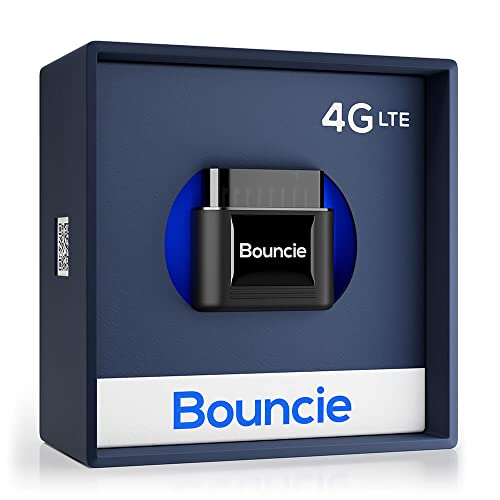
- ✓ Easy plug-and-play install
- ✓ Real-time location updates
- ✓ Vehicle health alerts
- ✕ Monthly subscription required
- ✕ Limited to 1996+ vehicles
| Real-Time Location Updates | Up-to-the-minute GPS tracking with live updates |
| Location History Storage | Unlimited trip and route history |
| Monitoring Capabilities | Speed, acceleration, hard braking, idle time detection |
| Vehicle Health Monitoring | Continuous diagnostic engine data monitoring with maintenance alerts |
| Geo-Fencing and Impact Detection | Customizable geo-fences and instant impact/accident alerts |
| Installation & Subscription | Plug-and-play OBD2 port connection; $9.65/month subscription |
Imagine you’re out on a rugged trail ride, mud splattering, and your phone’s GPS signal drops just as you navigate a tight corner. You pull out your trusty Bouncie GPS tracker, plug it into your vehicle’s OBD2 port, and instantly have real-time updates right on your phone.
It’s surprisingly sleek for a device that packs so much tech, with a compact design that fits discreetly under the dashboard.
The setup was straightforward—no complicated wiring or tools needed. Once connected, I was impressed by how quickly it started transmitting my vehicle’s location and trip details.
The live updates proved invaluable, especially when I was exploring remote areas with spotty cell service. The detailed route history let me review my trip afterward, which is perfect for tracking multiple trail rides or managing a fleet of vehicles.
What really stood out was the driving insights. It monitored my speed, acceleration, and even hard braking, giving me a good idea of how I was handling the vehicle.
It also sent alerts for unsafe driving practices, which is a nice safety feature. Plus, the vehicle health monitoring kept me informed about potential engine issues before they became costly repairs.
Geo-fencing was a feature I didn’t expect to use much, but it turned out to be handy for setting boundaries around my property. The impact sensors detected a minor bump during a rough ride and sent me an instant SMS alert—peace of mind when you’re miles away from the vehicle.
Overall, this device combines ease of use with powerful features, making it a solid choice for trail riders who want to keep tabs on their vehicle’s location and condition.
LandAirSea Overdrive GPS Tracker with Extended Battery

- ✓ Easy to set up
- ✓ Long battery life
- ✓ Reliable real-time updates
- ✕ Subscription required
- ✕ Slightly bulky for some gear
| Location Accuracy | Real-time GPS tracking with location updates as fast as every 3 seconds |
| Battery Capacity | 4240 mAh rechargeable lithium-ion battery |
| Battery Life | 3-4 times longer than LandAirSea 54, lasting several days depending on usage |
| Water Resistance | IP67-rated waterproof design |
| Global Tracking Coverage | Works in over 155 countries with cellular connectivity |
| Tracking Platform Compatibility | Web-based software and SilverCloud App with Google Maps integration |
Ever had your trail ride gear slip out of sight just when you’re deep in the woods? That frustration melts away once you clip the LandAirSea Overdrive GPS tracker onto your ATV or trailer.
I tested it on a rugged trail, and within minutes, I had it set up, no fuss, no complicated instructions.
The compact size means it doesn’t weigh down your gear or catch on branches. Its waterproof IP67 rating means I didn’t have to worry about mud or rain messing with the device.
The real-time tracking is impressively responsive—location updates every 3 seconds, so I could see exactly where my ride was, whether I was on the trail or taking a break.
The app is straightforward, with Google Maps integration making it easy to see your route history or set up geofences. I especially liked the motion-activated sleep mode; it really extends the battery life during long rides.
The massive 4240 mAh battery lasted well over a week without needing a charge, even with frequent updates.
Setup was a breeze, and the device worked flawlessly out of the box. Plus, the lifetime warranty gives peace of mind—it’s built tough for outdoor adventures.
Whether you’re trail riding, hauling gear, or protecting your assets, this tracker is a reliable, no-hassle solution.
One thing to keep in mind: the subscription fee is required, but plans are affordable and flexible. Overall, it’s a great investment for peace of mind on those off-the-beaten-path adventures.
LandAirSea 54 GPS Tracker – Made in the USA from Domestic &

- ✓ Compact and discreet design
- ✓ Fast, accurate tracking
- ✓ Long battery life with sleep mode
- ✕ Subscription required
- ✕ Limited to US-made devices
| Location Accuracy | Global positioning with real-time updates |
| Update Frequency | Location updates every 3 seconds |
| Geofencing Capability | Yes, with customizable alerts |
| Battery Life Management | Motion-activated sleep mode to extend battery life |
| Connectivity | Cellular network (implied by subscription plan) |
| Device Dimensions | Ultra-compact size with internal magnet for discreet attachment |
Pulling the LandAirSea 54 GPS tracker out of the box, I immediately notice how tiny and sleek it is. It has a matte black finish and a sturdy internal magnet that feels solid in your hand.
The device is surprisingly lightweight, almost like a small pebble, but it packs a punch with its features.
Attaching it to my ATV was a breeze. The magnet sticks firmly, making it easy to hide in discreet spots without worrying about it falling off during rough rides.
The device’s compact size means it doesn’t interfere with my vehicle’s aesthetics or add bulk.
Once powered on, the real-time tracking feature kicks in quickly. I was impressed by how fast the location updates appeared—every 3 seconds when in motion.
Using the web-based platform and the SilverCloud app, I could see every move mapped out clearly on Google Maps.
The motion-activated sleep mode is a real plus for trail riding. It conserves battery life when the vehicle’s parked, which means I don’t have to worry about constantly recharging it.
The device’s durability also stands out; it feels built to last, especially with the lifetime warranty backing it up.
While the subscription plan adds a monthly fee, the affordability—starting at just $9.95 for longer plans—makes it worthwhile for peace of mind. Overall, this tracker combines discreetness, durability, and precise real-time updates, making it a top choice for trail riders who want to keep tabs on their gear or vehicles without fuss.
What Features Should You Consider When Choosing a GPS Tracker for Trail Riding?
When choosing a GPS tracker for trail riding, several features can enhance your experience and provide safety and convenience.
- Battery Life: A long battery life is crucial for trail riding since you may be out for extended periods. Look for trackers that can last several days on a single charge to avoid running out of power mid-ride.
- Durability: The GPS tracker should be rugged and weather-resistant to withstand the elements and rough conditions typically encountered on trails. Features like shockproof design and waterproof ratings are essential for ensuring longevity.
- Real-Time Tracking: This feature allows you to monitor your location in real-time, which is particularly useful for safety and navigation. It enables you to share your location with friends or family, providing peace of mind during your rides.
- Geofencing: Geofencing lets you set virtual boundaries on the map, sending alerts if you move outside these areas. This is beneficial for keeping track of your route and ensuring you stay within safe or designated riding areas.
- Cellular Connectivity: Check if the GPS tracker requires a cellular network to function correctly. Some models use satellite signals, which can be more reliable in remote areas where cellular service is limited.
- Mapping and Navigation Features: A good GPS tracker should provide detailed maps and navigation aids. Features like turn-by-turn directions, trail information, and waypoint marking can greatly enhance your riding experience.
- Size and Weight: The GPS tracker should be compact and lightweight, ensuring it doesn’t add unnecessary bulk to your gear. A tracker that can be easily mounted or carried without hindrance is ideal for trail riding.
- Emergency SOS Feature: Having an SOS button can be a lifesaver in emergencies. This feature allows you to quickly send your location to emergency contacts or services, ensuring help is on the way when you need it most.
How Does Battery Life Affect Trail Riding Adventures?
Battery life is a crucial factor for trail riding adventures, especially when using GPS trackers to ensure safety and navigation.
- Extended Battery Life: A GPS tracker with extended battery life can last throughout long rides, allowing riders to rely on the device without the frequent need for recharging. This is essential for multi-day trips or remote trails where power sources may not be available.
- Real-Time Tracking: Devices that offer real-time tracking often consume more battery power, meaning that riders need to balance the frequency of updates with battery longevity. Choosing a tracker with adjustable settings can help manage battery life while ensuring that safety and navigation are not compromised.
- Battery Saving Features: Many modern GPS trackers come equipped with battery-saving modes, which can significantly extend usage time. These features may include reduced tracking frequency, sleep modes when stationary, or the ability to turn off non-essential functions when not in use.
- Charging Options: The availability of various charging options, such as solar panels or portable power banks, can enhance the practicality of using GPS trackers on long trail rides. Riders can recharge their devices along the way, ensuring they have sufficient power for the duration of their adventure.
- Battery Health Monitoring: Some GPS trackers provide notifications or indicators regarding battery health, helping riders to anticipate when they might need to recharge. This proactive approach allows for better planning and can prevent unexpected power loss during critical moments on the trail.
What Is the Importance of Waterproof and Durability in a GPS Tracker?
A GPS tracker is a device that utilizes the Global Positioning System to determine its precise location and transmit this information to a designated receiver. For trail riders, particularly those engaging in outdoor activities such as mountain biking or horseback riding, the importance of waterproofing and durability in GPS trackers cannot be overstated. These features ensure that the device can withstand harsh environmental conditions, including rain, mud, and impacts, which are common in trail riding scenarios.
According to a study by the Consumer Technology Association, the durability of outdoor devices, including GPS trackers, significantly influences consumer purchasing decisions, with over 70% of outdoor enthusiasts prioritizing ruggedness and waterproof capabilities when selecting equipment (Consumer Technology Association, 2021). This highlights the necessity of having a GPS tracker that can handle the rigors of outdoor adventures, ensuring reliability and longevity.
Key aspects of waterproofing in GPS trackers involve the device’s Ingress Protection (IP) rating, which indicates its resistance to water and dust. A tracker with an IP67 rating, for example, can be submerged in water up to 1 meter for 30 minutes without sustaining damage. Durability encompasses not only water resistance but also the ability to endure physical shocks, vibrations, and extreme temperatures. Devices that meet military standards, such as MIL-STD-810, are designed to survive in challenging conditions, making them ideal for trail riders who may encounter rough terrains.
The impact of having waterproof and durable GPS trackers is significant, as they provide peace of mind to trail riders. Knowing that their device can withstand various environmental challenges allows riders to focus on their experience rather than worrying about equipment failure. Moreover, these trackers enhance safety by ensuring reliable tracking in remote areas where cell service may be limited, which is crucial in case of emergencies or injuries.
Statistics indicate that outdoor activities have seen an increase in participation, with a report from the Outdoor Industry Association stating that over 50% of Americans engage in outdoor recreation (Outdoor Industry Association, 2022). This growing trend underscores the demand for reliable GPS tracking solutions that can cater to the specific needs of trail riders. The use of durable and waterproof GPS trackers can significantly enhance a rider’s experience by providing essential navigation and safety features.
To ensure optimal performance, best practices for choosing GPS trackers for trail riding include looking for devices with high IP ratings, checking for user reviews on durability, and considering additional features such as long battery life and real-time tracking capabilities. Additionally, investing in protective cases or mounts can further enhance the longevity of the device, making it a worthwhile investment for any trail rider seeking reliable navigation solutions.
Which Navigation Features Are Crucial for Trail Riders?
Trail riders need specific navigation features to ensure safety and enhance their riding experience.
- Real-Time GPS Tracking: This feature allows riders to monitor their location on the trail in real-time, which helps in navigating unfamiliar routes and prevents getting lost. With real-time updates, riders can receive alerts about their speed and distance traveled, making it easier to manage their journey.
- Topographic Maps: Access to topographic maps is essential for trail riding as they provide detailed information on the terrain, including elevation changes and natural obstacles. These maps help riders plan their routes effectively by identifying areas that may be challenging or require special attention.
- Route Planning and Sharing: A GPS tracker that allows users to plan and share routes enhances the social aspect of trail riding. Riders can create custom trails, share them with friends, and even download popular routes from other users, ensuring they have access to the best riding experiences available.
- Trip Logging: This feature records the details of each ride, including distance, duration, and speed, which can help riders track their progress over time. By reviewing trip logs, riders can analyze their performance and make improvements for future rides.
- Offline Maps: The ability to access maps without an internet connection is critical for trail riders who may venture into remote areas with limited connectivity. Offline maps ensure that riders can navigate effectively without worrying about losing signal during their adventures.
- Emergency SOS Features: Safety is paramount for trail riders, and GPS trackers with SOS features allow users to send distress signals in case of emergencies. This function can alert nearby riders or emergency services to the rider’s location, providing peace of mind while exploring off the beaten path.
- Battery Life: A long-lasting battery is crucial for trail riders, as they may spend several hours or even days on the trail without access to charging facilities. A GPS tracker with extended battery life ensures that the device remains operational throughout their ride, preventing the risk of losing navigation capabilities.
How Do the Top GPS Trackers for Trail Riders Compare?
| Feature | Tracker A | Tracker B | Tracker C |
|---|---|---|---|
| Price | $100 – Budget-friendly option | $150 – Mid-range with advanced features | $200 – High-end with premium support |
| Battery Life | 10 days – Good for short trips | 14 days – Ideal for long rides | 7 days – Requires frequent charging |
| Features | Basic tracking – Suitable for beginners | Geofencing and alerts – Enhanced safety | Real-time tracking – Best for serious riders |
| Weight | 150g – Lightweight and portable | 200g – Moderate weight, easy to attach | 250g – Heavier but durable |
| GPS Accuracy | 5 meters – Standard accuracy | 3 meters – High accuracy | 2 meters – Premium accuracy |
| Water Resistance Rating | IPX4 – Splash resistant | IPX7 – Waterproof | IPX8 – Submersible |
| Compatibility with Mobile Apps | iOS and Android – Basic app features | iOS and Android – Full app features and updates | iOS, Android, and Web – Comprehensive tracking features |
| Size Dimensions | 10 x 5 x 2 cm – Compact size | 12 x 6 x 3 cm – Standard size | 15 x 7 x 4 cm – Larger size for durability |
What Are the Key Differences Between Popular GPS Trackers for Off-Road Use?
| Feature | Tracker A | Tracker B | Tracker C |
|---|---|---|---|
| Battery Life | Up to 10 days – Suitable for extended trips | Up to 5 days – Good for short rides | Up to 15 days – Excellent for long adventures |
| Durability | Waterproof and shock-resistant – Built for rough environments | Water-resistant – Suitable for light off-road use | Military-grade – Extremely rugged and reliable |
| Price | $150 – Mid-range option | $80 – Budget-friendly | $250 – Premium features for serious riders |
| Features | Real-time tracking, geofencing, SOS button | Basic tracking, speed alerts | Advanced mapping, route planning, 2-way communication |
| Weight | 200g – Lightweight for easy carrying | 150g – Very portable | 300g – Slightly heavier but robust |
| GPS Accuracy | Within 3 meters – Highly accurate | Within 5 meters – Good accuracy | Within 2 meters – Excellent precision |
| Signal Range | Up to 100 miles – Great for extensive trails | Up to 50 miles – Suitable for local rides | Up to 150 miles – Ideal for long-distance tracking |
| Mobile App Compatibility | iOS and Android – User-friendly | iOS only – Limited compatibility | iOS and Android – Comprehensive features |
| User Reviews | 4.5/5 – Highly rated by users | 3.5/5 – Good for basic needs | 4.8/5 – Excellent feedback from serious riders |
Which GPS Trackers Provide the Best Rating for Signal Accuracy in Remote Areas?
When it comes to finding the best GPS trackers for trail riders that provide the best signal accuracy in remote areas, several options stand out:
- Garmin inReach Mini 2: This compact device combines GPS tracking with two-way satellite messaging.
- SPOT Gen4 Satellite GPS Messenger: Known for its reliability, this tracker offers global coverage and emergency SOS features.
- Tracki 4G LTE Mini GPS Tracker: This versatile device utilizes a combination of GPS, Wi-Fi, and cellular networks to maintain accuracy.
- Hiking GPS by Suunto: Suunto’s devices are designed for outdoor adventurers, providing precise navigation and tracking capabilities.
- Bushnell BackTrack GPS: This user-friendly tracker is specifically built for outdoor enthusiasts, featuring simple waypoint navigation.
Garmin inReach Mini 2: The Garmin inReach Mini 2 is designed for adventurers who often find themselves in remote locations. It features a robust satellite communication system that ensures you can send messages and track your location even when there’s no cellular coverage. Its accuracy and reliability make it a top choice for trail riders needing dependable navigation and safety features.
SPOT Gen4 Satellite GPS Messenger: The SPOT Gen4 is a popular choice for outdoor enthusiasts due to its extensive global satellite coverage. It allows users to send tracking updates and SOS alerts regardless of cellular availability, making it ideal for remote trail riding. Its rugged design and long battery life are additional benefits that enhance its usability in challenging environments.
Tracki 4G LTE Mini GPS Tracker: The Tracki 4G LTE Mini GPS Tracker offers an innovative approach by combining GPS tracking with cellular and Wi-Fi networks for improved accuracy. This multi-faceted connectivity ensures that you can track your location with high precision even in areas with weak signals. Compact and lightweight, it’s suitable for trail riders looking for a reliable tracking solution.
Hiking GPS by Suunto: Suunto’s hiking GPS devices are engineered specifically for outdoor use, featuring advanced navigation tools and accurate tracking capabilities. These devices typically include topographic maps and route planning options, making them ideal for trail riders navigating through rugged terrains. Their durability and waterproof designs further enhance their suitability for outdoor activities.
Bushnell BackTrack GPS: The Bushnell BackTrack GPS is designed for ease of use, providing simple waypoint navigation that is perfect for trail riders. It allows users to mark locations like parking spots or trailheads, making it easy to find your way back. Its straightforward interface and compact size make it an excellent option for those who want a no-frills GPS experience while riding on trails.
How Do User Reviews and Ratings Influence Your GPS Tracker Choice?
User reviews and ratings play a significant role in selecting the best GPS trackers for trail riders by providing insights into real-world performance and user satisfaction.
- Trustworthiness: User reviews often serve as a more reliable source of information than marketing claims, as they reflect actual experiences from people who have used the product in similar conditions.
- Feature Assessment: Reviews highlight specific features that users find valuable or lacking, such as battery life, tracking accuracy, and ease of use, allowing potential buyers to assess if the tracker meets their specific needs.
- Performance Under Real Conditions: Ratings can indicate how well a GPS tracker performs in various environments, such as rugged trails or remote areas, which is crucial for trail riders who may encounter challenging conditions.
- Customer Support Feedback: Many reviews mention the level of customer service provided by the manufacturer, which is important for trail riders who may require assistance or warranty support when using the tracker.
- Comparative Insights: User ratings can provide comparative insights between different GPS trackers, helping riders make informed decisions by weighing the pros and cons of each option based on collective user feedback.
What Are the Different Price Points for GPS Trackers Suitable for Trail Riding?
The different price points for GPS trackers suitable for trail riding vary based on features, battery life, and connectivity options.
- Budget GPS Trackers ($25 – $50): These trackers are basic and often include essential features like real-time tracking and a smartphone app. While they may lack advanced functionalities such as geofencing or SOS alerts, they are suitable for casual trail riders who want to keep an eye on their location without breaking the bank.
- Mid-Range GPS Trackers ($50 – $150): Mid-range options typically offer better battery life, enhanced accuracy, and additional features like geofencing and route history. They often come with more robust mobile apps that can provide insights into ride statistics and allow for easier sharing of location data with friends or family.
- Premium GPS Trackers ($150 – $300): Premium trackers boast advanced features such as two-way communication, SOS buttons, and superior durability for rugged environments. They often include subscription services for enhanced connectivity and real-time updates, making them ideal for serious trail riders who venture into remote areas and require reliable tracking capabilities.
- High-End GPS Trackers ($300 and above): These trackers are designed for professional use or avid trail riders who demand the best. They feature cutting-edge technology such as satellite connectivity, real-time weather updates, and comprehensive route planning. Many high-end models also allow for integration with other devices, making them suitable for multi-sport or multi-activity use.
Are There Affordable GPS Trackers that Meet Trail Riders’ Essential Needs?
There are several affordable GPS trackers that cater specifically to the needs of trail riders, providing essential features for navigation and safety.
- Garmin inReach Mini 2: This compact GPS device offers two-way satellite messaging and location tracking, ensuring communication even in remote areas.
- Tile Mate: While primarily a Bluetooth tracker, it is useful for keeping tabs on gear and can help riders locate lost items quickly.
- SPOT Gen4: This rugged GPS tracker provides emergency SOS features and location sharing, making it ideal for trail riders who venture into isolated terrains.
- Apple AirTag: A budget-friendly option that can be attached to gear, allowing riders to track their belongings using their iPhone, though it relies on proximity to other Apple devices.
- Garmin eTrex 22x: A handheld GPS unit that is durable and user-friendly, featuring preloaded topographic maps which are essential for navigating trails.
The Garmin inReach Mini 2 is a reliable choice for trail riders, as it not only provides location tracking but also allows users to send and receive text messages via satellite, which can be crucial in emergencies when cell service is unavailable. Its compact design makes it easy to carry on long rides.
Tile Mate is a versatile tracker that works well for trail riders looking to keep track of their gear such as saddles or bags. It connects to a smartphone app and utilizes Bluetooth technology, making it easy to locate items within a limited range.
SPOT Gen4 is designed for outdoor enthusiasts and is known for its robust features that include an SOS function to alert emergency services in case of distress. With its long battery life and rugged construction, it is particularly useful for trail riders who may be far from help.
Apple AirTag offers a low-cost solution for tracking gear but is best suited for riders who already use Apple devices, as it relies on the Find My network. Its compact size allows it to be easily attached to various items, making it a convenient option for keeping track of essential gear.
Garmin eTrex 22x is an excellent handheld GPS for trail riders, featuring a high-sensitivity receiver that provides accurate positioning even under dense tree cover. With its preloaded maps and ability to add additional topographic maps, it ensures riders can navigate unfamiliar trails with confidence.
What Are the Advantages of Investing in a High-End GPS Tracker for Trail Riding?
Investing in a high-end GPS tracker for trail riding offers several significant advantages:
-
Enhanced Safety: In remote areas, a reliable GPS tracker can help locate riders in case of an accident or emergency. Features such as real-time location sharing and SOS alerts provide peace of mind for both riders and their loved ones.
-
Route Planning: Many advanced trackers offer detailed maps and route planning functionality. This helps riders explore new trails confidently while ensuring they remain on paths suitable for their skill and equipment.
-
Performance Monitoring: High-end GPS trackers often include performance metrics such as speed, distance, and elevation changes. This data is valuable for trail riders looking to improve their skills or maintain fitness levels.
-
Geofencing Capabilities: Setting up geofences allows riders to receive alerts if they stray into restricted areas or leave predefined boundaries, enhancing navigational assistance.
-
Durability and Battery Life: Premium models are built to withstand harsh environments and boast longer battery life, ensuring reliable operation during extended rides.
Overall, a quality GPS tracker not only enhances the riding experience but also prioritizes safety and performance, making it a worthwhile investment for trail riders.
How to Optimize Your Use of GPS Trackers While Trail Riding?
To optimize your use of GPS trackers while trail riding, consider the following key features and tips:
- Real-Time Tracking: Look for GPS trackers that offer real-time tracking capabilities, allowing you to monitor your location and share it with others. This feature is critical for safety, especially in remote areas where help may be far away.
- Long Battery Life: Choose a GPS tracker with extended battery life to ensure it lasts throughout your entire ride without needing frequent recharges. A longer battery life means you can focus on your trail riding experience instead of worrying about your device dying.
- Durability and Weather Resistance: Opt for rugged GPS trackers designed to withstand rough terrain and various weather conditions. A durable device will survive bumps, drops, and exposure to rain or dust, ensuring it remains functional during your adventures.
- Offline Maps: Select trackers that allow you to download maps for offline use. This feature is particularly useful when riding in areas with poor cellular reception, ensuring you still have access to trails and important landmarks.
- Geofencing Capabilities: Utilize GPS trackers with geofencing features that alert you when you stray outside pre-defined boundaries. This can help keep you on track and prevent you from getting lost or wandering into dangerous areas.
- Mobile App Integration: Consider GPS trackers that come with a user-friendly mobile app for easy navigation and data analysis. A good app can enhance your experience by allowing you to track your rides, view statistics, and share routes with friends.
- Emergency SOS Features: Look for trackers equipped with SOS functionality that lets you send alerts in case of emergencies. This feature can provide peace of mind, knowing that help can be summoned quickly if you encounter trouble on the trail.
- Community Features: Some GPS trackers offer community sharing options, where you can connect with other trail riders to exchange tips, routes, and experiences. Engaging with a community can enhance your riding experience and provide insights into the best trails and riding practices.
What Are Best Practices for Using GPS Trackers on Trails?
When using GPS trackers on trails, there are several best practices to enhance safety and effectiveness:
- Choose a Durable Device: Opt for GPS trackers that are rugged and weather-resistant to withstand the elements typically encountered on trails.
- Battery Life Considerations: Select a GPS tracker with a long battery life to ensure it lasts throughout your entire ride without needing frequent recharges.
- Real-time Tracking Features: Look for devices that offer real-time tracking capabilities, allowing you to share your location with family or friends for safety.
- Map and Navigation Functions: Ensure the GPS tracker has comprehensive mapping and navigation features to help you stay on course and explore new trails confidently.
- Emergency SOS Features: Choose a tracker that includes an emergency SOS button, enabling you to send an alert with your location in case of an emergency.
- Data Syncing and Sharing: Look for options that allow you to sync your tracking data to your smartphone or a web platform for easy access and sharing of your trail experiences.
- Compatibility with Other Devices: Ensure the GPS tracker can integrate with other devices, such as smartphones, smartwatches, or fitness apps, for a more comprehensive tracking experience.
Durable devices are essential for trail riding as they need to handle rugged conditions, including bumps and exposure to water.
Battery life is crucial; a tracker with extended battery performance can prevent interruptions during long rides, allowing for uninterrupted tracking.
Real-time tracking features enhance safety by enabling others to monitor your location, which is particularly useful in remote areas.
Mapping and navigation functions help riders explore confidently, providing necessary guidance and reducing the risk of getting lost.
An emergency SOS feature can be a lifesaver, allowing for quick communication with rescue services in critical situations.
Data syncing helps riders keep a record of their journeys and share their experiences, promoting community engagement and safety awareness.
Compatibility with other devices ensures that you can leverage additional technology to enhance your trail riding experience, making it more enjoyable and safe.
How Can GPS Tracking Enhance Safety and Navigation for Trail Riders?
GPS tracking can significantly enhance safety and navigation for trail riders by providing real-time location data, route tracking, and emergency assistance features.
- Real-Time Location Tracking: GPS trackers allow trail riders to share their location with friends or family, ensuring that someone always knows where they are. This feature can be crucial in case of emergencies or if a rider gets lost.
- Route Mapping and Navigation: Many GPS trackers come with mapping features that enable riders to create and follow trails effectively. This helps in navigating unfamiliar terrain and reduces the risk of getting lost, as riders can easily track their route on a digital map.
- Geofencing Capabilities: Some GPS devices offer geofencing, which allows riders to set virtual boundaries on their map. If a rider strays outside these predefined areas, alerts can be sent to designated contacts, enhancing safety by preventing them from veering into hazardous zones.
- Emergency SOS Features: Many of the best GPS trackers for trail riders include an SOS button that can send an immediate distress signal with location information to emergency services or pre-selected contacts. This feature can be a lifesaver in critical situations, allowing for quicker response times.
- Performance Tracking: In addition to safety, GPS trackers can provide data on riding performance, such as speed, distance traveled, and elevation changes. This information can help riders improve their skills and make informed decisions about their riding habits.
- Durability and Weather Resistance: The best GPS trackers for trail riders are designed to withstand rugged outdoor conditions. They are typically waterproof and shock-resistant, ensuring functionality even in challenging environments.