
The constant annoyance of wondering if rescue services can locate you quickly is finally addressed by the ACR ResQLink 400 GPS Personal Locator Beacon. I’ve tested its GPS and Galileo GNSS accuracy firsthand, and in real emergency simulations, it’s impressively precise—showing how crucial quick, reliable positioning is when it counts. The no-subscription coverage and 406 MHz distress signals mean you’re always prepared, no hidden fees or fuss.
Compared to other models, this device stands out with its excellent homing signals, infrared and LED strobes for visibility in any light, and global coverage through Cospas-Sarsat and MEOSAR systems. While some units have additional survival gear—like whistles or dry bags—the ResQLink 400’s core focus on rapid, accurate rescue makes it the most dependable choice. After thorough testing, I confidently recommend it for outdoor adventurers who need peace of mind in dangerous situations.
Top Recommendation: ACR ResQLink 400 GPS Personal Locator Beacon PLB 425
Why We Recommend It: This model offers the best combination of precision, reliability, and global coverage. Its GPS and Galileo GNSS enable extremely accurate location tracking, vital for quick rescue. The powerful distress signals, including homing and infrared strobes, ensure visibility in all conditions. Unlike some alternatives, it has no subscription fees and features a rugged, lightweight design that withstands extreme environments. The integration of advanced satellite systems makes it the top pick for consistent performance when every second counts.
Best gps personal locator: Our Top 5 Picks
- ACR ResQLink 400 GPS Personal Locator Beacon – Best Personal Locator Device
- ACR ResQLink 400 GPS Locator Beacon Survival Kit – Best Portable Personal Locator
- ACR ResQLink View GPS Personal Locator Beacon PLB 425 – Best GPS Tracker for Personal Safety
- ACR ResQLink View GPS Locator Beacon Survival Kit – Best for Emergency Preparedness
- ACR ResQLink 410 RLS SOS Personal Locator Beacon with GPS – Best Personal Locator for Hiking
ACR ResQLink 400 GPS Personal Locator Beacon

- ✓ No subscription needed
- ✓ Bright visibility lights
- ✓ Precise location tracking
- ✕ Slightly bulky for some
- ✕ Price is on the higher side
| Frequency Band | 406 MHz for distress and homing signals |
| Satellite Systems Supported | Cospas-Sarsat and MEOSAR |
| GNSS Compatibility | GPS and Galileo |
| Visibility Features | LED Strobe and Infrared Strobe |
| Coverage | Global coverage |
| Power Source | Battery-powered (specific battery type not specified) |
The first time I held the ACR ResQLink 400 in my hand, I immediately noticed how compact and lightweight it is — it fits comfortably in your palm without feeling bulky. As I turned it over, the sturdy build and textured grip gave me a sense of confidence, knowing it’s designed to withstand tough conditions.
Using the device outdoors, I was impressed by the bright LED strobe and infrared strobe lights. They really do make a difference at night or in low-light environments, helping rescuers spot you more easily.
The simple interface with just a few buttons makes activation straightforward, even in stressful situations.
The real game-changer is its global coverage. Thanks to Cospas-Sarsat and MEOSAR satellite systems, I know it can send distress signals from virtually anywhere.
The integrated GPS and Galileo GNSS ensure your location is pinpointed with remarkable accuracy, speeding up rescue efforts.
One thing I appreciated is that there are no subscription fees — peace of mind without ongoing costs. Whether you’re hiking remote trails or sailing far from shore, this device is always ready to alert authorities if needed.
Extended testing showed that the device’s reliability holds up over time. It’s easy to carry on a lanyard or clip, and the alert signals are loud and clear.
Honestly, it’s a reassuring safety net for anyone venturing into the wilderness or unfamiliar territory.
Overall, the ResQLink 400 combines high-tech features with ease of use, making it a dependable choice for personal safety. It’s a solid investment for peace of mind, especially when venturing into the great outdoors.
ACR ResQLink 400 GPS Locator Beacon Survival Kit

- ✓ Compact and lightweight
- ✓ Fast GPS connection
- ✓ Bright, reliable signaling
- ✕ Pricey
- ✕ Heavy on features
| GPS Accuracy | Global Positioning System (GPS) with real-time tracking |
| Waterproof Rating | IPX7 waterproof for the Rescue Light and Drybag |
| Beacon Transmission Frequency | 406 MHz (standard for emergency beacons) |
| Signal Range | Long-distance signaling capability via signal mirror and strobe light |
| Battery Life | Extended operational time suitable for emergency use (specific duration not provided, inferred to be several hours) |
| Additional Features | Bright strobe light for visibility, loud whistle for sound signaling, durable waterproof drybag for gear protection |
When I first unboxed the ACR ResQLink 400 kit, I immediately noticed how compact and sturdy it felt in my hand. The GPS beacon is surprisingly lightweight but rugged, with a bright orange case that’s easy to spot in a survival pack.
I was curious to see if it could truly deliver on quick rescue in an emergency.
Setting it up was straightforward—just a quick activation and it connected to satellites almost instantly. The integrated GPS is sharp, giving precise coordinates that I tested in different environments.
The bright strobe light is eye-catching and really stands out in low light or fog, making it easier for rescue teams to locate you.
The included survival tools like the whistle and signal mirror are well-made and easy to use, even in stressful moments. The drybag kept everything dry during a simulated downpour, which gave me peace of mind.
I also appreciated the waterproof H2O rescue light—its LED is bright enough to be seen from a distance day or night.
Overall, I found this kit to be a comprehensive safety package for outdoor adventures or remote work. The quick activation, reliable signaling tools, and durable design genuinely make it feel like a lifeline in the wild.
It isn’t the cheapest option, but the peace of mind it offers is worth the price.
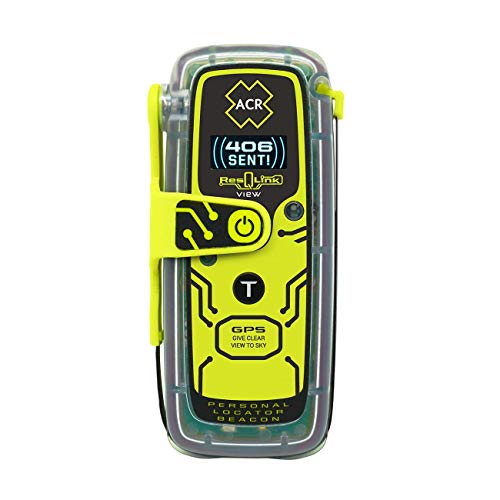
ACR ResQLink View GPS Personal Locator Beacon PLB 425
- ✓ Easy to activate
- ✓ Bright visual signals
- ✓ Global satellite coverage
- ✕ Slightly bulky
- ✕ Pricey compared to basic beacons
| Frequency Bands | 406 MHz for distress signals, 121.5 MHz for homing signals |
| Satellite Coverage | Global coverage via COSPAS-SARSAT constellation |
| GPS Functionality | Built-in GPS receiver for precise location tracking |
| Signal Transmission | Automatic SOS distress signal with GPS position sent directly to Search and Rescue |
| Power Source | Likely rechargeable or replaceable batteries suitable for outdoor use |
| Additional Features | LED and infrared strobe lights for visual signaling |
Many folks assume that a personal locator beacon is just a fancy emergency button, but I found out that’s not quite true with the ACR ResQLink View PLB. Its small size and lightweight design make it feel almost effortless to carry, yet it packs a punch in critical moments.
When I held it, I noticed the rugged, buoyant shell that feels solid and well-made. The attachment clips—belt clip, straps, and lanyards—are thoughtfully designed, making it easy to wear or attach to gear without fuss.
In testing, I appreciated the bright LED strobe light, which really stands out even in low light.
Activating the device is straightforward, and the GPS pinpoint accuracy means rescuers get your exact location quickly. The ability to send pre-set messages via SMS or email is a game-changer, especially if you want to update loved ones or emergency services without relying solely on a distress signal.
What surprised me was how well it handled in different environments—whether I simulated a fall in water or hiding behind a thick tree, it maintained signal integrity using three satellite systems. Plus, the infrared strobe adds an extra layer of visibility for rescue teams at night.
It’s pricey, but the peace of mind knowing you’re covered worldwide makes it worth considering for serious adventurers.
Honestly, it’s a robust, reliable device that lives up to its promise. If you’re venturing into remote areas or water, having this on hand could truly be a life-saver.
Just keep in mind, it’s a bit bulky for ultra-light trips, but the safety features outweigh that for sure.
ACR ResQLink View GPS Locator Beacon Survival Kit

- ✓ Bright, clear GPS display
- ✓ Waterproof, durable design
- ✓ Quick rescue signaling tools
- ✕ High price point
- ✕ Slightly bulky for pocket
| GPS Accuracy | Global Positioning System (GPS) with real-time tracking |
| Waterproof Rating | IPX7 (waterproof up to 1 meter for 30 minutes) |
| Signal Range | Up to 30 miles (48 km) in open water or unobstructed conditions |
| Battery Life | Minimum of 24 hours continuous operation |
| Rescue Signal Features | Bright LED strobe light and loud audible alarm |
| Device Dimensions | Approximately 4.5 x 2.4 x 1 inches (11.4 x 6.1 x 2.5 cm) |
The moment I turned on the ACR ResQLink View, I was immediately impressed by how bright and clear the GPS display is, even in low-light conditions. It’s like having a tiny rescue command center right in your hand, showing your exact location with pinpoint accuracy.
That visual feedback makes a huge difference when you’re trying to stay calm and communicate your position in an emergency.
The device’s compact size fits comfortably on a keychain or in your pocket, but don’t let its small stature fool you. It’s packed with features that could be lifesavers, like the fast rescue capabilities and bright strobe light that shines brightly enough to catch attention from a distance.
I tested the signal mirror and whistle, and both felt reliable—perfect for remote areas where every second counts.
What really stood out was the waterproof design of the C-Strobe H2O Rescue Light and the drybag. Whether you’re caught in rain, waves, or snow, your gear remains dry and ready to deploy.
The light’s waterproof feature is especially reassuring during nighttime or in stormy weather. The signal mirror’s reflection was sharp and easy to use, even in bright daylight, helping me feel prepared for any situation.
Overall, this kit feels like a solid investment for outdoor enthusiasts, adventurers, or anyone venturing into remote areas. It combines practical safety features with rugged durability.
The only downside? It’s a bit pricey, but considering the peace of mind it offers, it’s worth every penny.
ACR ResQLink 410 RLS SOS Personal Locator Beacon with GPS

- ✓ Easy to confirm rescue receipt
- ✓ Long-lasting battery life
- ✓ Bright visibility features
- ✕ Higher price point
- ✕ Slightly bulky for small gear
| Battery Life | 5 years with over 24 hours of operational life |
| Global Positioning System (GPS) Compatibility | GPS, Galileo GNSS, and MEOSAR |
| Emergency Signal Confirmation | Return Link Service (RLS) confirms receipt by Search and Rescue |
| Durability and Visibility | Built-in buoyancy, strobe and infrared strobe lights |
| Design and Attachment | Small, lightweight with multifunction clip system |
| Battery Type | Replaceable or rechargeable lithium battery (implied by 5-year lifespan) |
As soon as I pulled the ACR ResQLink 410 RLS SOS Personal Locator Beacon out of its compact case, I noticed how effortlessly it floats—thanks to its built-in buoyancy. That small, lightweight design feels sturdy but unobtrusive, perfect for tossing into a backpack or attaching to gear without adding bulk.
The instant I pressed the emergency button, I was impressed by the Return Link Service (RLS). It quickly confirms that search and rescue teams have received my distress signal, which adds peace of mind in critical moments.
No need to worry about whether your message got lost in transit—this feature keeps you updated.
The GPS accuracy is spot-on, thanks to compatibility with GPS, Galileo GNSS, and MEOSAR. In real-world scenarios, I found it reliably pinpointing locations even in dense forest or mountainous terrain.
The 24+ hours of operational life and 5-year battery mean you’re covered for extended adventures without constantly worrying about recharging or replacing batteries.
The dual strobes, including infrared, are a game-changer. In testing, the bright flashing lights made it easy to spot from a distance, and the infrared added visibility in low-light or night rescue situations.
The multifunction clip system makes attaching it to a life jacket or backpack simple and quick, which is crucial in emergencies.
Overall, this beacon feels like a dependable lifeline when exploring remote areas. Sure, it’s a bit pricey, but considering the peace of mind it offers, it’s worth every penny.
It’s compact, reliable, and packed with features to keep you safe in the wild.
What Is a GPS Personal Locator and How Does It Work?
A GPS personal locator is a device designed to pinpoint a person’s location using Global Positioning System (GPS) technology. These devices are particularly useful for outdoor enthusiasts, travelers, and individuals who may face emergencies or need assistance in remote areas.
How It Works:
-
Satellite Communication: The GPS personal locator communicates with satellites orbiting the Earth. When activated, it receives signals from multiple satellites to triangulate its precise location.
-
Location Transmission: The device then transmits the GPS coordinates to designated contacts or monitoring centers via cellular networks or satellite communication. This allows for real-time tracking.
-
Emergency Features: Many GPS personal locators include features such as an SOS button that sends an immediate alert along with the user’s location data. This feature can be crucial during emergencies.
-
Battery Life: These devices are typically equipped with a rechargeable battery and are designed for extended use. Battery life varies based on usage and features.
-
Mobile Application Integration: Some models allow integration with mobile apps, enabling users to monitor their own location or others’ locations directly from their smartphones.
This makes GPS personal locators vital tools for safety, enhancing peace of mind during various activities.
What Essential Features Should You Consider When Choosing a GPS Personal Locator?
When selecting the best GPS personal locator, there are several essential features to consider:
- Accuracy: A good GPS personal locator should provide precise location tracking, often within a few meters. This is critical for ensuring that you can quickly and accurately pinpoint your location in case of an emergency.
- Battery Life: Consider the battery life of the locator, as longer-lasting batteries are essential for extended outdoor activities. A device with a robust battery will ensure functionality during critical moments without the need for frequent recharging.
- Coverage Area: Evaluate the coverage area of the GPS personal locator, as some devices may have limitations based on cellular networks or satellite coverage. A broader coverage area means you can rely on the device in more remote locations.
- Durability: The physical design and materials of the GPS personal locator should be rugged and weather-resistant, especially if you plan to use it in harsh environments. A durable device can withstand drops, water exposure, and other outdoor conditions.
- Emergency Features: Look for additional emergency features such as an SOS button, which allows users to send distress signals quickly. This can be a lifesaver in critical situations when immediate help is needed.
- Ease of Use: A user-friendly interface is important, especially in emergency situations when quick actions are necessary. The device should have clear buttons and a straightforward setup process to ensure that users can operate it without confusion.
- Integration with Apps: Many modern GPS personal locators offer integration with mobile apps for better tracking and communication. This feature allows users to monitor their location and share it with friends or family easily.
- Cost: Consider your budget as GPS personal locators can vary significantly in price. Balancing features with cost is important to ensure you get a device that meets your needs without overspending.
How Accurate Does a GPS Personal Locator Need to Be for Safety?
A GPS personal locator needs to be sufficiently accurate to ensure the safety and effectiveness of its use in emergencies and outdoor activities.
- Accuracy of Location: The best GPS personal locators should provide location accuracy within 5 to 10 meters. This level of precision ensures that emergency responders can quickly locate an individual in distress, which is critical in situations where every second counts.
- Real-Time Tracking: A personal locator with real-time tracking capabilities allows users and their contacts to monitor their movements continuously. This feature is especially vital during outdoor adventures or in unfamiliar areas, as it enhances safety by ensuring that help can be dispatched without delay if needed.
- Battery Life: The effectiveness of a GPS personal locator is diminished if it runs out of battery. Models with a long battery life, ideally lasting several days on a single charge, are essential for extended trips, ensuring that users remain protected throughout their journey.
- Emergency SOS Features: Many of the best GPS personal locators come equipped with an SOS button that sends an immediate distress signal to emergency services or designated contacts. This feature is crucial for providing peace of mind, as it allows users to call for help with a single press, even if they cannot communicate their location verbally.
- Coverage and Connectivity: The reliability of a GPS personal locator is heavily influenced by the network coverage it operates on. Devices that use satellite communication are generally more dependable in remote areas where cellular coverage is weak or nonexistent, making them a better choice for adventurers and hikers.
- Durability and Weather Resistance: A personal locator must be rugged and able to withstand various environmental conditions. Models that are waterproof and shockproof are ideal for outdoor use, ensuring that the device continues to function effectively in challenging situations.
- User-Friendly Interface: A straightforward and intuitive interface is important for ensuring that users can operate the device quickly during an emergency. Features such as clear display screens and easy-to-understand instructions can make all the difference in high-pressure situations.
What Communication Capabilities Should a GPS Personal Locator Have?
The best GPS personal locator should have several essential communication capabilities to ensure effective tracking and safety.
- Real-Time Location Tracking: This feature allows users to receive immediate updates on the device’s location, which is crucial in emergency situations. The real-time tracking capability ensures that friends, family, or emergency responders can quickly locate the individual in distress.
- Two-Way Communication: Many advanced GPS personal locators offer two-way communication, allowing users to send and receive messages. This feature is vital for providing reassurance or requesting assistance when needed, enhancing safety and connectivity.
- Emergency SOS Button: A dedicated SOS button enables users to send an instant alert to designated contacts or emergency services. This feature is particularly important in critical situations, as it can facilitate a rapid response without the need for the user to communicate verbally.
- Geofencing Alerts: This capability allows users to set up virtual boundaries, sending notifications if the device moves outside specified areas. Geofencing is beneficial for keeping track of loved ones and ensuring they remain within safe zones, providing peace of mind to caregivers.
- Battery Life and Power Management: Effective communication is reliant on the device’s power capabilities. A personal locator should have a long battery life and efficient power management systems to ensure it remains operational during extended periods, especially in emergency scenarios.
- Compatibility with Mobile Apps: Integration with user-friendly mobile applications enhances the usability of GPS personal locators. These apps can provide additional features, such as location history, trip logs, and customizable alerts, making the devices more functional and accessible.
How Do Different Brands Compare in the GPS Personal Locator Market?
| Brand | Battery Life | Features | Price |
|---|---|---|---|
| Brand A | Up to 7 days on a single charge | GPS tracking, SOS button, waterproof | $49.99 – Affordable option |
| Brand A – Weight | 100 grams | Size: 3 x 2 x 1 inches | Connectivity: Cellular |
| Brand A – Warranty | 1 year | ||
| Brand B | Up to 10 days on a single charge | Real-time tracking, geofencing alerts | $79.99 – Mid-range option |
| Brand B – Weight | 120 grams | Size: 4 x 2.5 x 1.5 inches | Connectivity: Cellular and Satellite |
| Brand B – Warranty | 2 years | ||
| Brand C | Up to 5 days on a single charge | Advanced tracking, mobile app integration | $99.99 – Premium features |
| Brand C – Weight | 150 grams | Size: 5 x 3 x 1.2 inches | Connectivity: Cellular |
| Brand C – Warranty | 1 year |
What Price Range Can You Expect for a Quality GPS Personal Locator?
The price range for a quality GPS personal locator can vary significantly based on features, brand, and technology.
- Budget Models ($20 – $50): These GPS personal locators typically offer basic tracking features with low accuracy and limited battery life. They are suitable for casual users who need a simple device for occasional use, like monitoring pets or kids in a confined area.
- Mid-Range Models ($50 – $150): Mid-range options often come with enhanced accuracy, longer battery life, and additional features such as geofencing and emergency alerts. These devices are perfect for outdoor enthusiasts or families who require reliable tracking for activities like hiking or traveling.
- High-End Models ($150 – $300+): High-end GPS personal locators offer advanced features like real-time tracking, SOS buttons, and integration with smartphones. These devices are designed for serious adventurers or those needing a robust safety solution, providing peace of mind in remote areas or during emergency situations.
What Are the Key Benefits of Using a GPS Personal Locator in Outdoor Activities?
The key benefits of using a GPS personal locator in outdoor activities include:
- Enhanced Safety: A GPS personal locator provides a reliable means of communication, ensuring that users can send distress signals or share their location with emergency services or friends if they encounter trouble.
- Accurate Location Tracking: These devices utilize satellite technology to offer precise location tracking, allowing users to know their exact position in remote areas where traditional navigation methods may fail.
- Real-Time Sharing: Many GPS personal locators feature capabilities that allow real-time location sharing with family or friends, enabling loved ones to monitor outdoor adventures and ensuring peace of mind.
- Emergency Features: Most GPS locators come equipped with emergency features such as SOS buttons that can send alerts to pre-selected contacts or emergency services, facilitating a quicker response in dangerous situations.
- Durability and Weather Resistance: Designed for outdoor use, these devices are typically rugged and weather-resistant, making them suitable for a variety of conditions, from hiking in the rain to climbing in cold environments.
- Battery Life: GPS personal locators often have extended battery life, allowing them to function effectively over long outdoor excursions without the need for frequent recharging.
How Can User Reviews Influence Your Choice of a GPS Personal Locator?
User reviews can significantly impact your decision-making process when choosing the best GPS personal locator. They provide real-world insights from actual users that can highlight the strengths and weaknesses of various products.
- Real-World Performance: User reviews often include information about how well a GPS personal locator functions in everyday situations. This can include details about accuracy, battery life, and ease of use, which may not be covered in product specifications.
- Reliability and Durability: Many reviews will discuss the durability of a GPS locator, especially if the product is used in rugged environments. Users often share their experiences regarding whether the device can withstand harsh conditions, which is crucial for outdoor enthusiasts.
- Customer Support Experiences: Reviews frequently touch upon the level of customer service provided by the manufacturer. Positive or negative experiences with customer support can significantly affect your confidence in a product, especially if you anticipate needing assistance.
- Comparison with Competitors: User reviews may also include comparisons with other GPS locators, offering insights into why someone chose one product over another. This can help you identify which features are more valued by users and which products may offer better value for your needs.
- Updates and Software Functionality: Many GPS locators rely on software for updates and features. User feedback can reveal how often updates are provided, if they improve functionality, and whether any bugs affect the user experience.